

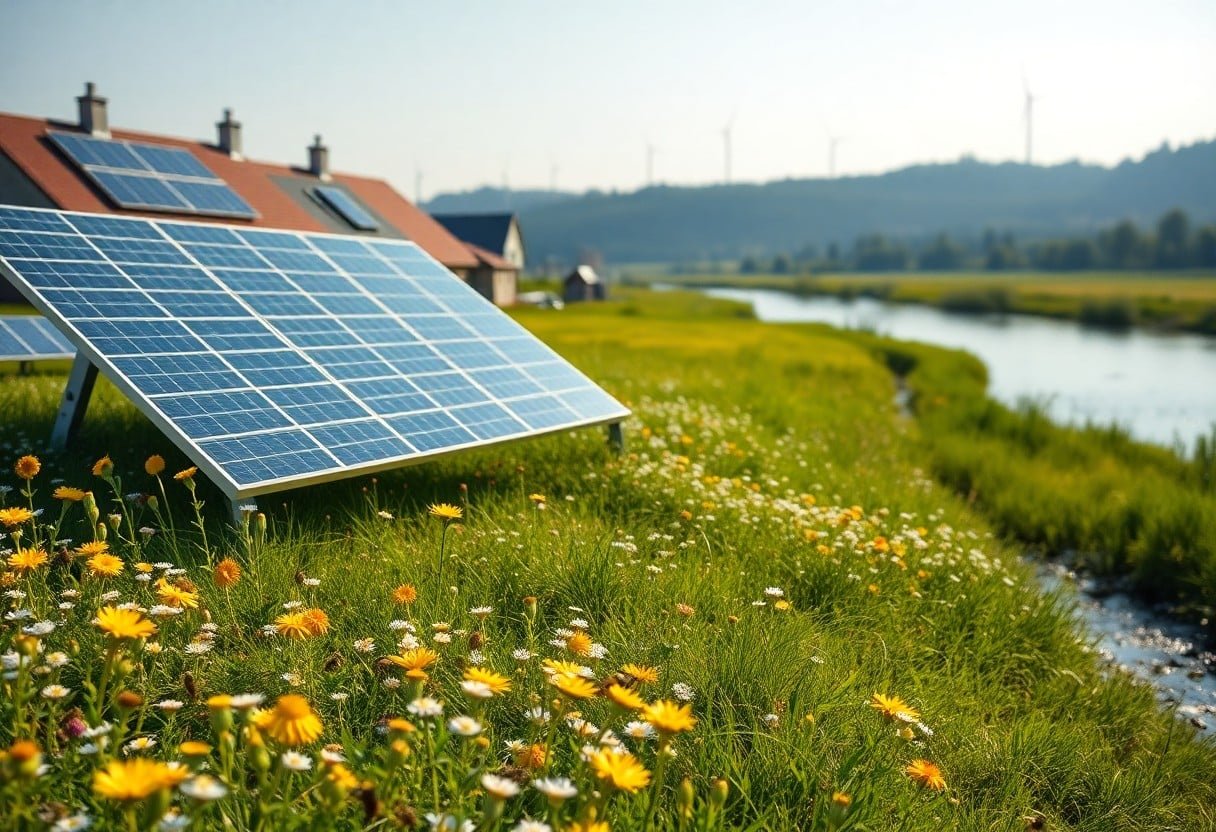
With solar PV reducing greenhouse gas emissions, you cut air pollution, conserve water, and protect ecosystems, helping create a healthier planet through cleaner energy and lower environmental harm.
Key Takeaways:
- Solar PV systems displace fossil-fuel electricity, cutting CO2 emissions and slowing climate change.
- Widespread adoption of solar reduces particulate, NOx, and SO2 emissions, improving respiratory and cardiovascular health.
- Distributed solar decreases dependence on centralized plants and long transmission lines, enhancing energy resilience and lowering pollution-related risks.
Mitigation of Greenhouse Gas Emissions
Solar PV reduces greenhouse gas emissions by replacing fossil-fuel generation, improving air quality and lowering climate risk; as you adopt PV, your energy choices cut CO2 and methane emissions, supporting long-term planetary health.
Displacement of Carbon-Intensive Fossil Fuels
When you install PV, you directly displace coal and gas plants, cutting emissions at the source and reducing downstream health impacts from air pollution while stabilizing grid emissions profiles.
Role in Achieving Global Net-Zero Targets
Achieving net-zero relies on rapid solar deployment; by choosing PV, you lower national emissions, create clean electricity for electrification, and make interim targets more attainable.
Scaling PV at grid and distributed levels provides you with predictable zero-carbon electricity, enabling electrification of transport, industry and heating, reducing dependence on offsets, and lowering system costs; pairing solar with storage and demand management helps you maintain reliability while driving emissions to net-zero pathways faster.

Improvement of Ambient Air Quality
Air quality improves when you adopt solar PV, cutting airborne particulates and combustion byproducts from fossil generators, lowering chronic exposure in cities and reducing long-term respiratory and cardiovascular risks.
Reduction of Sulfur Dioxide and Nitrogen Oxides
Switching to solar PV cuts SO2 and NOx emissions by reducing coal and gas generation, so you face fewer respiratory irritants, less acid deposition, and improved visibility in affected regions.
Diminishing the Public Health Burden of Smog
Exposure to smog-forming pollutants declines as you scale solar, lowering ground-level ozone and fine particle formation that trigger asthma, emergency visits, and missed school or work days.
You experience clearer air when solar replaces peak fossil generation: fewer NOx and VOC emissions during sunny hours mean reduced ozone production and lower secondary particulate formation, cutting respiratory hospitalizations and improving respiratory health for children, older adults, and outdoor workers in high-exposure neighborhoods.

Conservation of Critical Water Resources
You cut freshwater demand by choosing solar PV, which requires minimal water for operation compared with thermoelectric plants; see the Health and Environmental Benefits of Solar Energy for details.
Low Operational Water Footprint vs. Conventional Power
Solar PV systems use negligible water during generation, so you avoid the heavy withdrawal and cooling demands tied to coal, gas, or nuclear plants.
Protecting Freshwater Ecosystems from Thermal Pollution
Protecting rivers and lakes from heated discharges means you reduce stress on fish and aquatic plants by preferring solar PV, which avoids thermal effluents common to thermal power stations.
Thermal releases elevate water temperatures, lowering dissolved oxygen and disrupting breeding cycles; by adopting solar PV, you remove large-volume cooling returns, reduce temperature shocks that favor invasive species, and help maintain ecological balance and water quality for downstream communities and wildlife.
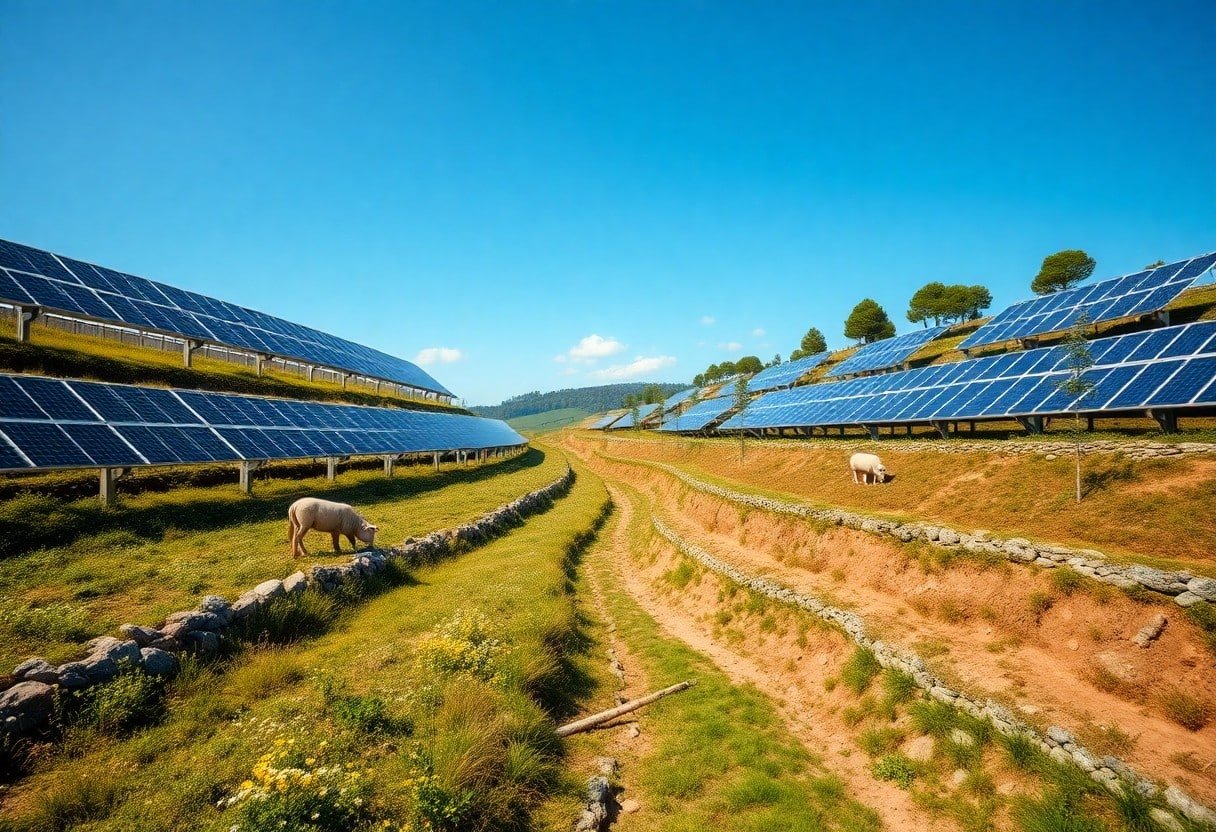
Minimizing Habitat Destruction and Land Degradation
Solar PV reduces habitat loss by replacing large fossil-fuel extraction sites and minimizing soil erosion, so you preserve ecosystems and biodiversity as you expand clean energy.
Optimization of Land Use through Agrivoltaics
Agrivoltaic setups let you grow crops beneath panels, increasing farm productivity and cutting the need to clear more natural areas for solar.
Reducing the Ecological Scars of Traditional Mining
Shifting to solar PV reduces demand for open-pit mining, sparing you from supporting widespread soil contamination and habitat fragmentation.
You see reduced heavy-metal runoff and fewer open-pit scars when demand shifts from mining to solar manufacturing, lowering community exposure to toxins. Reclaimed sites offer restored soils and vegetation while you can support circular PV programs that recycle panels and shrink future material extraction.
Lifecycle Sustainability and the Circular Economy
Lifecycle choices affect how you reduce waste: designing modules for reuse and recycling cuts emissions across production and disposal; see detailed analysis in Environmental Impacts of Solar Energy.
Emerging Technologies in PV Module Recycling
New recycling methods let you reclaim high-purity silicon, silver and glass, lowering embodied emissions and diverting panels from landfills.
Sustainable Sourcing of Raw Materials
Ethical sourcing helps you minimize habitat damage and social harm by prioritizing recycled feedstocks, certified minerals, and transparent supplier practices.
You should require supplier transparency, chain-of-custody certification, and recycled-content targets so procurement reduces embodied carbon and human-rights risks; adopt material passports, support urban mining, and offer buyback or take-back schemes to scale recycled inputs and shorten supply chains.
Promoting Biodiversity and Soil Health
Solar arrays often encourage native vegetation, so you boost pollinator habitat, enrich soil life, and lower emissions; see broader Environmental Benefits of Solar Energy.
Creating Pollinator-Friendly Solar Habitats
You can plant native wildflowers and grasses beneath panels to attract bees and butterflies, increasing pollination, habitat connectivity, and on-site biodiversity while reducing mowing and pesticide reliance.
Reducing Soil Erosion and Chemical Runoff
Groundcover under arrays stabilizes soil, limits erosion, and captures agricultural runoff, so you protect waterways and maintain soil fertility for the long term.
Managing erosion involves choosing deep-rooted native species, creating buffer strips near streams, and adding infiltration swales or gentle grading to slow water flow; you should also minimize tilling and avoid herbicide use to preserve soil structure and microbial communities, which reduces sediment and chemical loads reaching downstream ecosystems and improves site resilience.
Conclusion
Conclusively you benefit from reduced air pollution, lower greenhouse gas emissions, and cleaner water as solar PV displaces fossil fuels, improving public health and ecosystem resilience while lowering long-term energy costs and supporting sustainable communities.