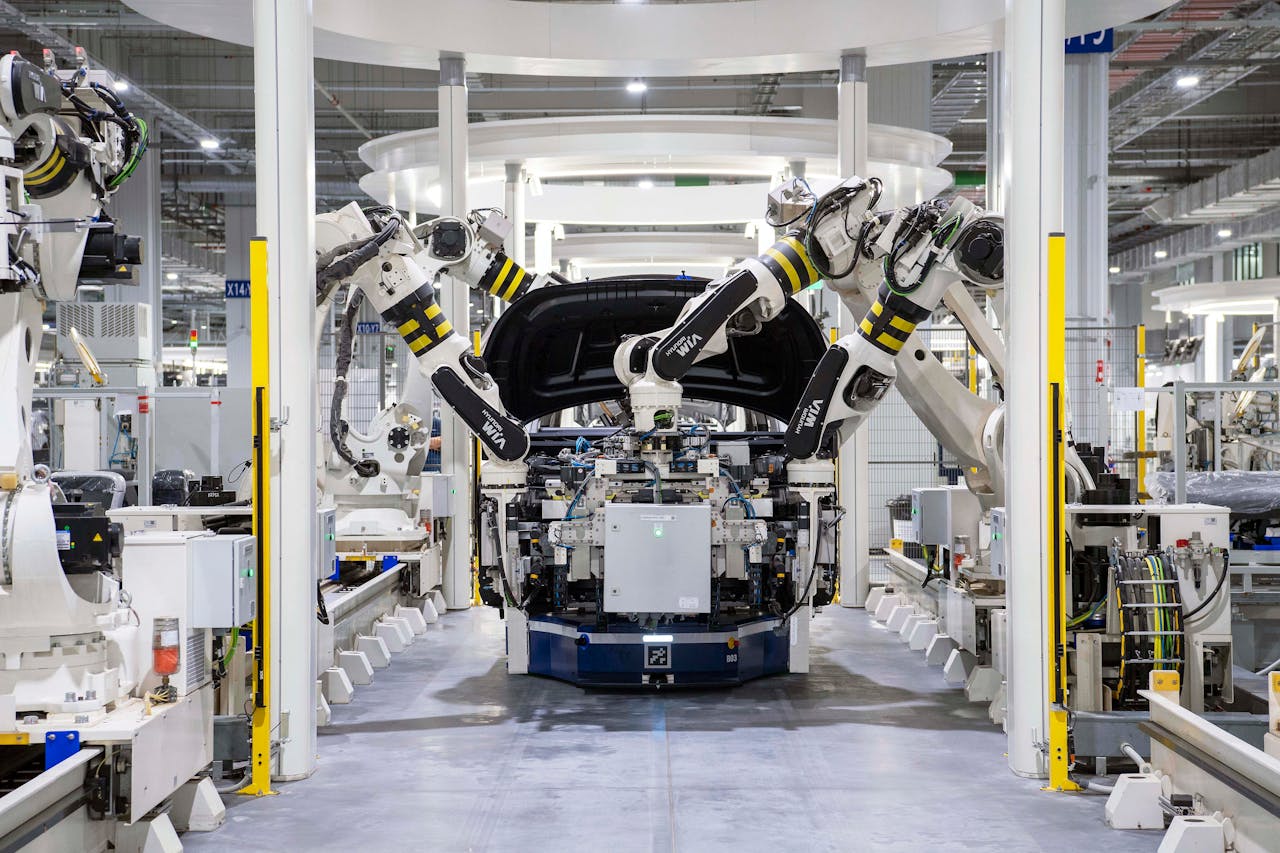

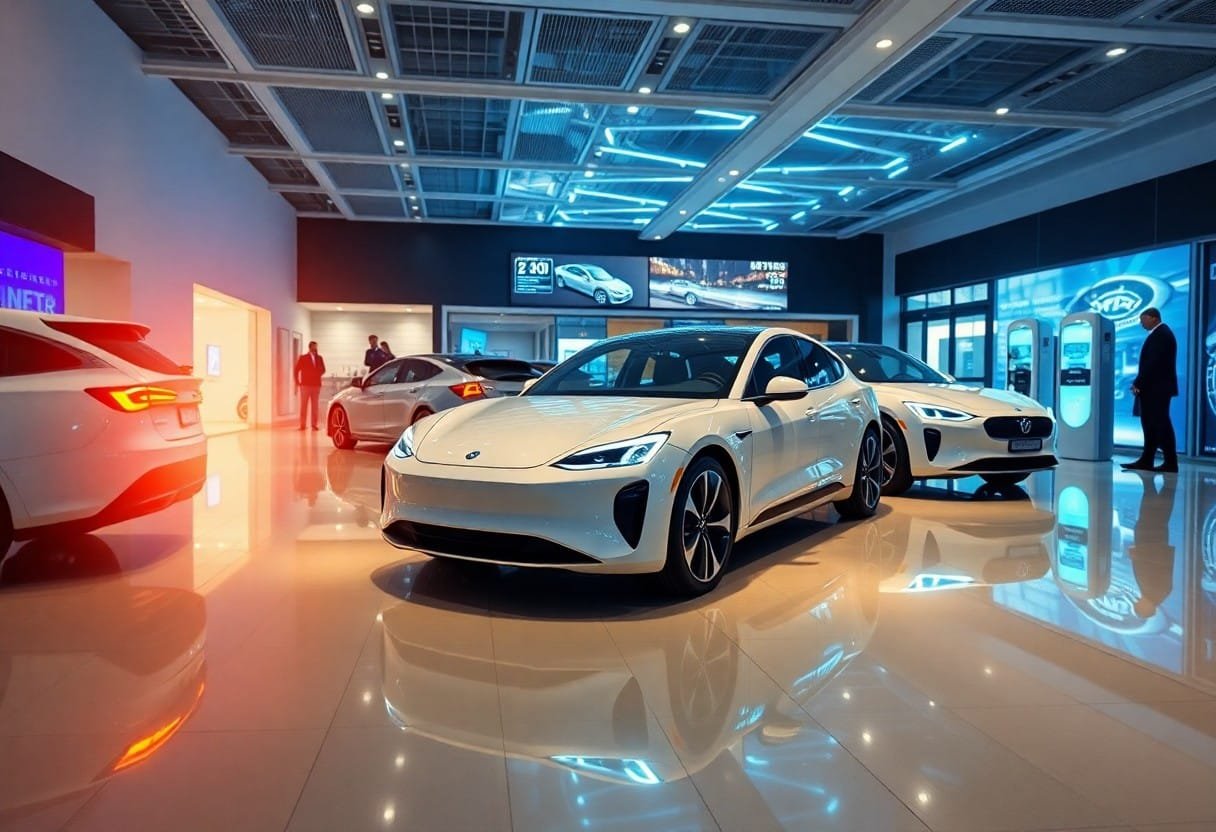
You are seeing online showrooms, virtual test drives and streamlined e-purchase tools reshape how you buy cars, and this post explores whether digital experiences will outpace traditional lot visits by 2026; you’ll get a snapshot of industry trends, tech innovations, and what those changes mean for your next vehicle purchase.
Key Takeaways:
- By 2026, the car-buying journey will be predominantly digital for research, financing and paperwork, while physical dealerships remain vital for test drives, inspections and service.
- Dealerships that adopt omnichannel tools-virtual showrooms, online financing, e-signatures and contactless delivery-will capture more sales and higher customer satisfaction.
- Regulatory requirements, trade-in logistics and aftersales service will preserve a physical footprint, so success depends on integrating digital convenience with in-person capabilities.
Today’s car-buying landscape: digital meet physical
You move seamlessly between sites and showrooms: three in four buyers now start online, comparing specs, prices and financing before stepping into a dealership. Physical locations still deliver test drives, tactile inspections and immediate delivery, while dealers layer configurators, live chat, and e‑signing to shorten cycles. Examples from Tesla’s direct model to Carvana’s nationwide delivery show how hybrid paths let you research deeply then finish in person or entirely online.
The in-dealership experience people still love
When you visit, sensory checks win: test drives, sound, seat comfort and real-world sightlines often seal decisions. Sales teams and service desks provide on-the-spot trade-in appraisals and immediate financing options, and many dealers offer loaner cars or concierge delivery for premium buyers. Studies show customers who test-drive are notably more likely to buy, so showrooms keep experiential touches-demo routes, technician walkthroughs and comfortable lounges-to convert your curiosity into purchase.
How online sales and tools are changing buying habits
Digital tools let you complete much of the journey remotely: 360° photos, video walkarounds, online trade-in estimates and finance pre-approvals remove friction. Platforms like Carvana and Vroom made home delivery and seven-day return windows mainstream, and manufacturers’ configurators plus dealer e-contracting let you lock price and incentives online. As a result, you spend less time negotiating on the lot and more time comparing final offers from multiple sellers.
Integration matters: systems such as RouteOne, Dealertrack and Cox Automotive’s platforms link inventory, credit checks and e-signatures so dealers can approve deals in hours, not days. For you, that translates to faster delivery windows, clearer upfront fees and more confidence when choosing new, certified pre-owned or subscription options-shifts that are speeding closings and increasing the share of transactions that start online.
Tech and market forces accelerating digitization
You’ve watched OEMs push software-defined vehicles, dealer consolidators scale backfootprint operations and marketplaces eat share; trends highlighted at CES 2026 spotlights automotive technology, from AI … showed AI sales assistants, OTA service models and integrated retail platforms that force you to modernize digital front- and back-end systems or cede customers to online-first competitors.
EVs, connected cars and dealer tech stacks
You’re managing growing EV inventories and streaming telematics while integrating OTA update plans into service lanes; manufacturers like Tesla and Rivian have normalized direct-online delivery, and dealer systems such as CDK, Dealertrack and Cox Automotive tools now add EV-specific workflows for charging, battery health diagnostics and incentive handling to keep operations efficient.
Consumer expectations, financing and transparency
You face buyers who want instant price clarity, trade-in offers and pre-qualified financing online; services like Kelley Blue Book Instant Cash Offer, Carfax vehicle histories and lender portals from Capital One or captive finance arms let you show firm numbers quickly and cut negotiation time.
Operationally you’ll adopt e-contracting (Dealertrack, RouteOne), e-signatures (DocuSign) and soft-credit pre-quals so customers can secure rates without full pulls, while instant trade-in tools (KBB, Carvana) and connected-vehicle data streamline appraisals; that combination shortens time-to-close from days to hours and forces you to publish clear fees, add-ons and warranty terms or risk losing deals to transparent digital rivals.
Reasons dealerships will remain relevant
Test drives, service, and building trust
When you take a 20-60 minute test drive you assess acceleration, braking, NVH and ergonomics in real conditions that videos can’t replicate. Dealers report test-drive visitors convert at much higher rates-often cited up to 70%-and their service bays handle warranty, recall and scheduled maintenance that deliver steady revenue. You also get immediate trade‑in appraisals and certified pre‑owned inspections that build the trust needed to close the sale.
Regulation, local networks and brand representation
State franchise laws and regulatory requirements keep a dense local network intact; roughly 16,000 franchised new‑car dealers in the U.S. still manage warranty work, title/registration processing and recalls for OEMs. You benefit from dealers’ local advertising, fleet accounts and parts availability, while manufacturers use showrooms to maintain brand identity and trained staff presence in communities.
Case studies highlight the point: Tesla’s direct‑sales push produced legal fights in Texas and Michigan, showing how entrenched rules protect dealer roles. You should note dealers must meet licensing, emissions inspection and warranty‑performance standards, coordinate with insurers and local governments, and provide faster recall handling-functions that give brands accountability and customer safeguards few pure‑play online models fully replicate.

Hybrid retail models to watch
You should expect blended experiences where online configurators feed same-day showroom reservations, home delivery and digital paperwork; Tesla, Carvana and regional dealers already mix channels to shorten the sales cycle. With over 50% of shoppers starting online, your strategy must link web leads to timed in-person touchpoints and remote demos. For practical frameworks see Automotive Retail: What Dealerships Must Deliver in 2026.
Showrooms, click‑and‑collect and virtual consultations
You’ll use showrooms as fulfillment hubs and experience centers while virtual consultations handle initial demos and paperwork. Offer click‑and‑collect with timed pickup or dealer-delivered test drives, and let customers book 20-30 minute video walkarounds. Dealers that combine high-quality 360° imagery, live video and instant trade‑value quotes cut in‑store time and increase conversion on web-originated leads.
Subscriptions, delivery options and third‑party marketplaces
You can add subscription tiers (short-term or convertible to purchase), same-day delivery and listings on CarGurus, Vroom or Autotrader to broaden reach. Subscription pilots like OEM programs bundle insurance and maintenance, while marketplaces expose your stock to millions of active shoppers; your inventory, pricing and delivery choices determine whether you capture that demand.
You should standardize listing data (20+ photos, full spec, CARFAX/vehicle history), integrate a transport/TMS partner for timed door delivery, and offer flexible return windows to lower friction. Operationally, tie your DMS to lead routing and digital contracts so a marketplace lead can be reserved, financed and delivered within 48-72 hours-this combination drives loyalty and higher lifetime value when executed consistently.
What dealers need to do by 2026
By 2026 you should accelerate omnichannel retailing because most buyers (70-80%) research vehicles online; invest in integrated CRM/DMS, AI lead scoring and real‑time pricing, and test automated trade‑ins and home delivery. Use the industry playbook-see 2026: When Your Next Customer Is an Algorithm (And Why …-to map touchpoints and reallocate spend toward first‑party data and online F&I.
Digital investments, data use and staff upskilling
You should prioritize CRM/CDP integration, connect DMS to online retailing, deploy AI for lead scoring and dynamic offers, and centralize first‑party data for personalization. Allocate 10-20% of your tech budget to cloud services, run monthly A/B tests on commerce flows, and provide about 20 hours per salesperson per year of hands‑on training in virtual demos, digital finance tools and conversational bots to raise conversion.
Partnerships, flexible footprints and customer journeys
You should rethink real estate and alliances: convert some showrooms into experience hubs, pilot 1-2 micro‑stores within 12 months, and partner with mobility platforms, insurers and logistics providers to offer home delivery, subscriptions and click‑and‑collect. Build modular service centers for faster throughput and team with third‑party e‑retailers to capture buyers who complete transactions fully online.
You can deepen this by contracting last‑mile couriers for 24-48‑hour deliveries, joining OEM online allocation programs, and co‑locating EV chargers in service lanes. Test a 1,200-2,500 sq ft micro‑store for digital walk‑ins while keeping larger sites for test drives and logistics; track cost‑per‑sale, lead‑to‑sale time and customer satisfaction to decide scale‑up timing.
Conclusion
Drawing together, you’ll see that by 2026 car buying becomes largely digital-online research, virtual showrooms, and remote financing-yet your local dealership still matters for test drives, hands-on support, and final negotiation. You can expect a blended experience where convenience meets personal service, making buying simpler and more flexible.