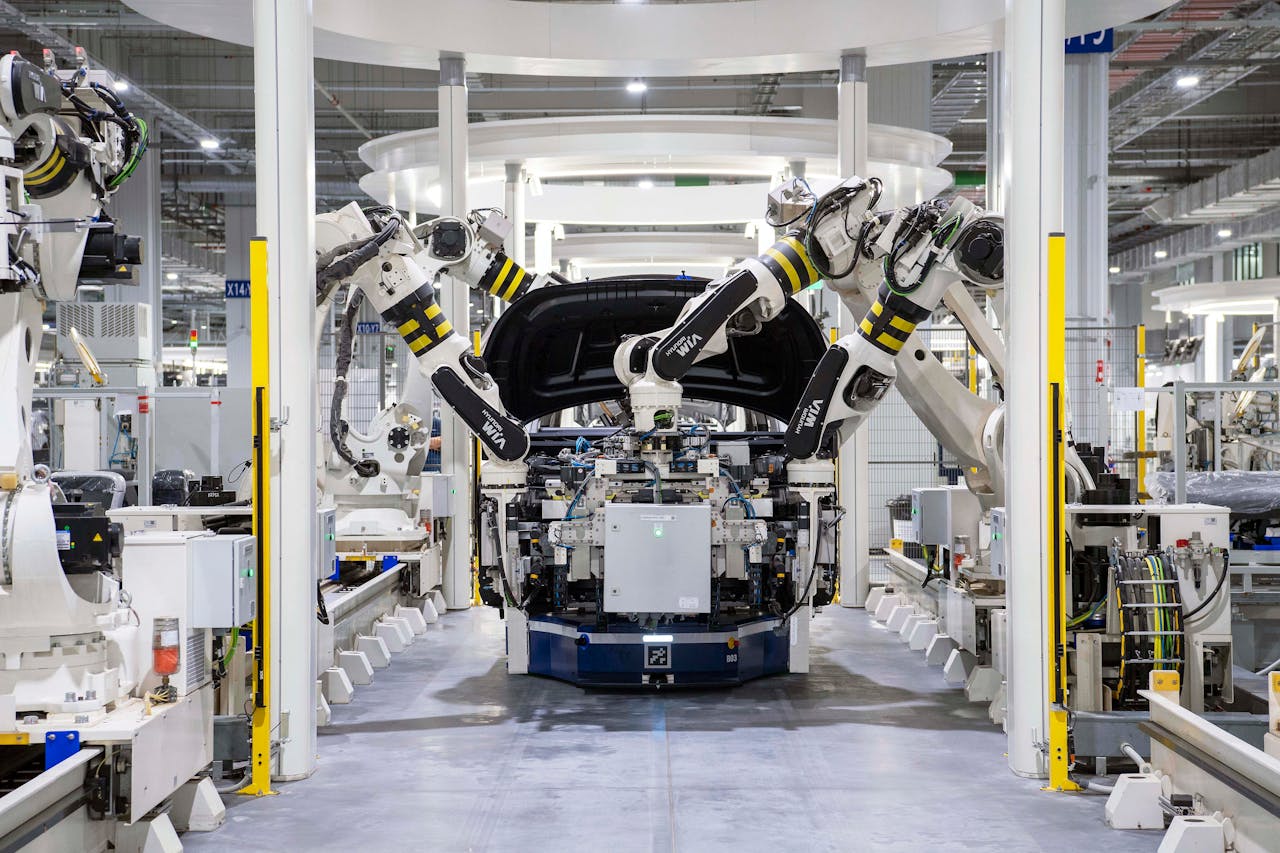

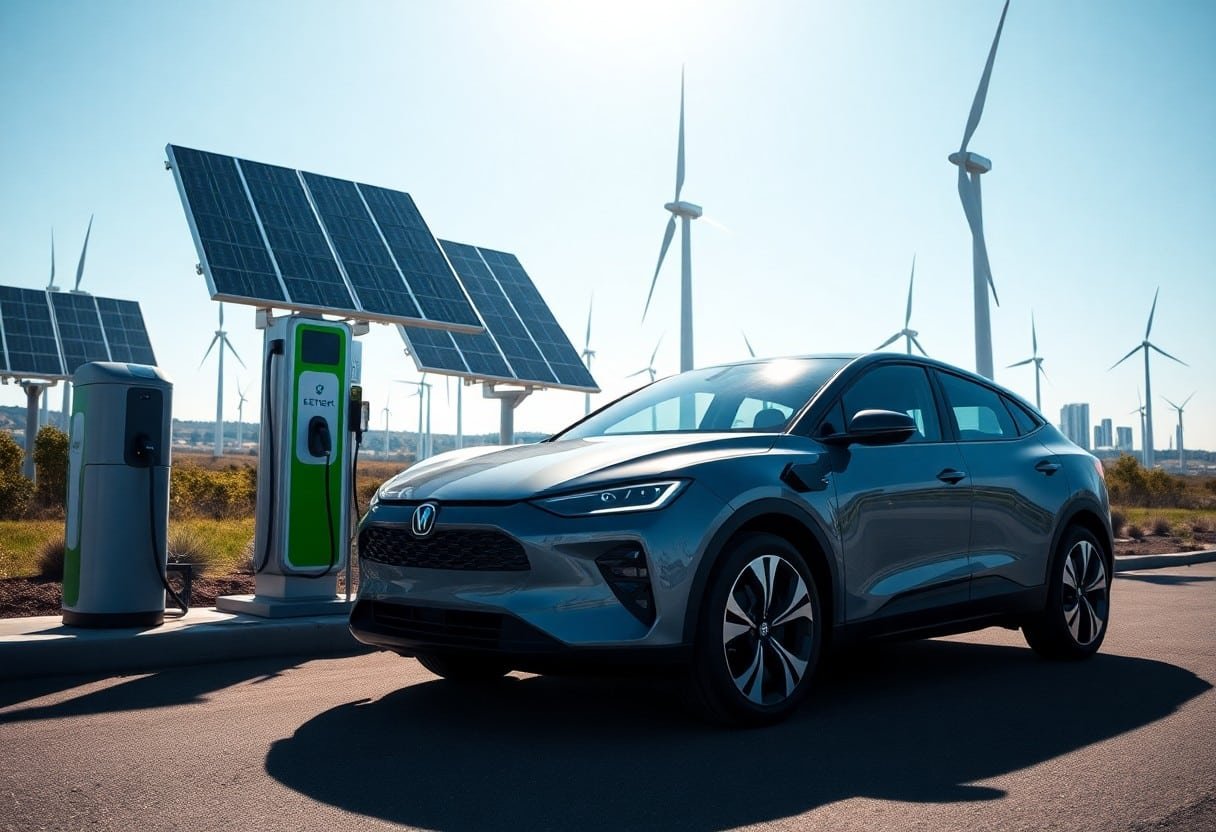
Just as the automotive landscape evolves, you must stay informed about the groundbreaking advancements in green technology and powertrain decarbonization strategies. These innovations not only aim to reduce emissions but also enhance vehicle efficiency and sustainability. By exploring the latest developments, you can better understand how these strategies can transform your driving experience and contribute to a more sustainable future in transportation.
Key Takeaways:
- Advancements in battery technology are significantly enhancing electric vehicle range and reducing charging times.
- Hydrogen fuel cells are emerging as a viable alternative powertrain option, offering a low-emission solution for heavy-duty vehicles.
- Smart charging infrastructure and vehicle-to-grid systems are facilitating better energy management and sustainability in transportation.
Overview of Green Automotive Technology
This section probes into the advancements shaping the automotive industry towards sustainability, highlighting effective technologies that minimize environmental impact. Green automotive technology encompasses electric vehicles (EVs), hybrid systems, and alternative fuels, all contributing significantly to reducing the carbon footprint associated with traditional transportation methods.
Definition and Importance
Green automotive technology refers to innovative systems and materials designed to improve vehicle efficiency and reduce emissions. Its importance lies in combating climate change, enhancing energy security, and promoting sustainable development, making it vital for future transportation systems.
Key Developments in the Field
Recent advancements include breakthroughs in battery technology, with solid-state batteries offering higher energy densities and faster charging times. Additionally, hydrogen fuel cells are gaining traction as a clean power source, exemplified by companies like Toyota and Hyundai leading the way. Furthermore, advancements in lightweight materials enhance overall vehicle efficiency.
For instance, the introduction of Tesla’s 4680 battery cell significantly increased energy storage capacity and reduced production costs. Another significant player, Rivian, focuses on electric trucks and SUVs, emphasizing off-road capabilities while maintaining sustainability. The emergence of biofuels and synthetic fuels offers an alternative for existing combustion engines, aligning with decarbonization goals. Moreover, advancements in software integration facilitate smarter energy management in vehicles, enhancing performance and efficiency while paving the way for autonomous driving solutions that further reduce energy consumption. These developments illustrate a dynamic shift in the automotive industry towards a more sustainable future.
Powertrain Decarbonization Strategies
Decarbonizing powertrains involves integrating advanced technologies that reduce carbon emissions throughout the vehicle’s lifecycle. Strategies include a shift towards cleaner fuels, enhanced energy efficiency, and innovative design approaches aimed at maximizing performance while minimizing environmental impact. Leveraging these strategies not only meets regulatory standards but also aligns with consumer demand for sustainable mobility solutions, ensuring your vehicle contributes positively to combating climate change.
Electrification of Powertrains
Electrification is at the forefront of powertrain decarbonization, as you transition from traditional internal combustion engines to electric drivetrains. This shift reduces greenhouse gas emissions significantly, particularly when paired with renewable energy sources. Companies like Tesla have demonstrated the market potential, achieving remarkable sales figures and pushing traditional automakers to explore electric options actively.
Hydrogen Fuel Cell Technology
Hydrogen fuel cell technology offers a promising alternative to battery electric vehicles by providing zero-emission energy solutions. These systems convert hydrogen into electricity, with water vapor as the only byproduct, enabling you to drive long distances without the extended charging times associated with battery vehicles. Major manufacturers, such as Toyota and Hyundai, have invested heavily in fuel cell development, demonstrating its viability in larger vehicles like buses and trucks.
With the rise of hydrogen infrastructure, the appeal of fuel cell vehicles grows. You have options like the Toyota Mirai and Hyundai NEXO that highlight the technology’s real-world application, showcasing hydrogen’s potential as a clean energy source. These vehicles can refuel in just a few minutes, similar to gasoline, providing convenience alongside sustainability. Moreover, governments are now investing in hydrogen production and refueling stations, further enhancing your access to this innovative powertrain solution. As advancements continue and economies of scale are achieved, hydrogen fuel cells could redefine your driving experience and the broader transportation landscape.
Alternative Fuels and Biofuels
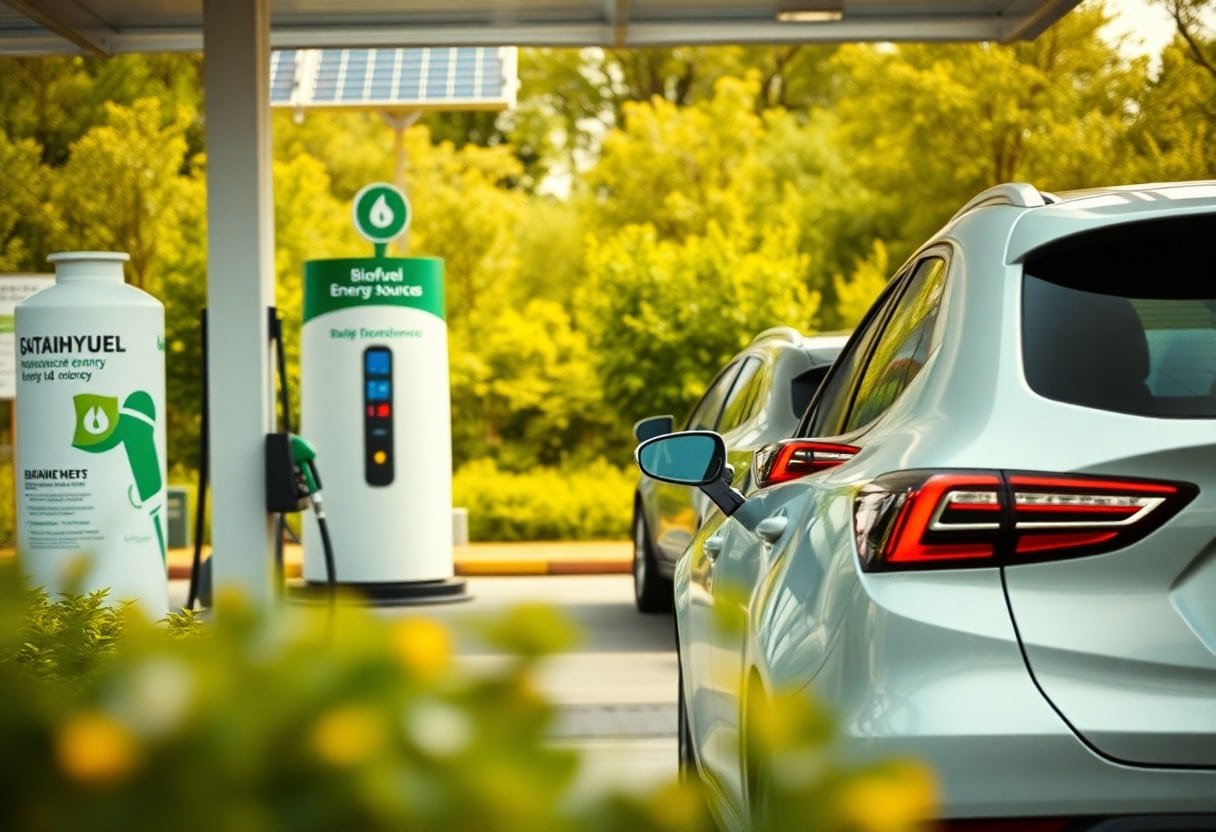
Alternative fuels and biofuels are at the forefront of reducing carbon footprints in automotive technology. They offer cleaner energy sources that often utilize renewable resources, thus minimizing reliance on fossil fuels. Transitioning to these alternatives not only helps in decarbonizing powertrains but also enhances energy security and broadens the variety of options available for consumers. Embracing these options can contribute significantly to emissions reduction on a global scale.
Types of Alternative Fuels
Different types of alternative fuels are emerging, each with its unique benefits. Popular options include:
- Ethanol
- Biodiesel
- Hydrogen
- Electricity (from renewable sources)
- CNG (Compressed Natural Gas)
After evaluating these fuels, you may find that each one fits distinct vehicles and usage scenarios.
| Alternative Fuel | Characteristics |
| Ethanol | Renewable, reduces greenhouse gases |
| Biodiesel | Biodegradable, made from vegetable oils |
| Hydrogen | Zero emissions, high energy density |
| Electricity | Can be generated from renewable sources |
| CNG | Lower CO2 emissions, abundant supply |
Environmental Impact Analysis
Analyzing the environmental impact of alternative fuels illustrates the advantages of these energy sources. Each type features varying emissions profiles and resource requirements, resulting in different contributions to overall sustainability. Your choices matter, as several studies indicate that switching from traditional fuels to alternatives can significantly reduce greenhouse gas emissions.
For instance, research shows that biodiesel can reduce lifecycle greenhouse gas emissions by up to 86% compared to petroleum diesel. Similarly, hydrogen fuel cells emit only water vapor, making them exceptionally clean. The adoption of alternative fuels can lead to improved air quality and a lower carbon footprint, benefiting both you and future generations. Transitioning toward these fuels not only enhances vehicle performance but also aligns with global sustainability goals, emphasizing the importance of your role in this transition. By making informed choices, you actively contribute to a cleaner environment and a healthier community.
Integration of Renewable Energy Sources
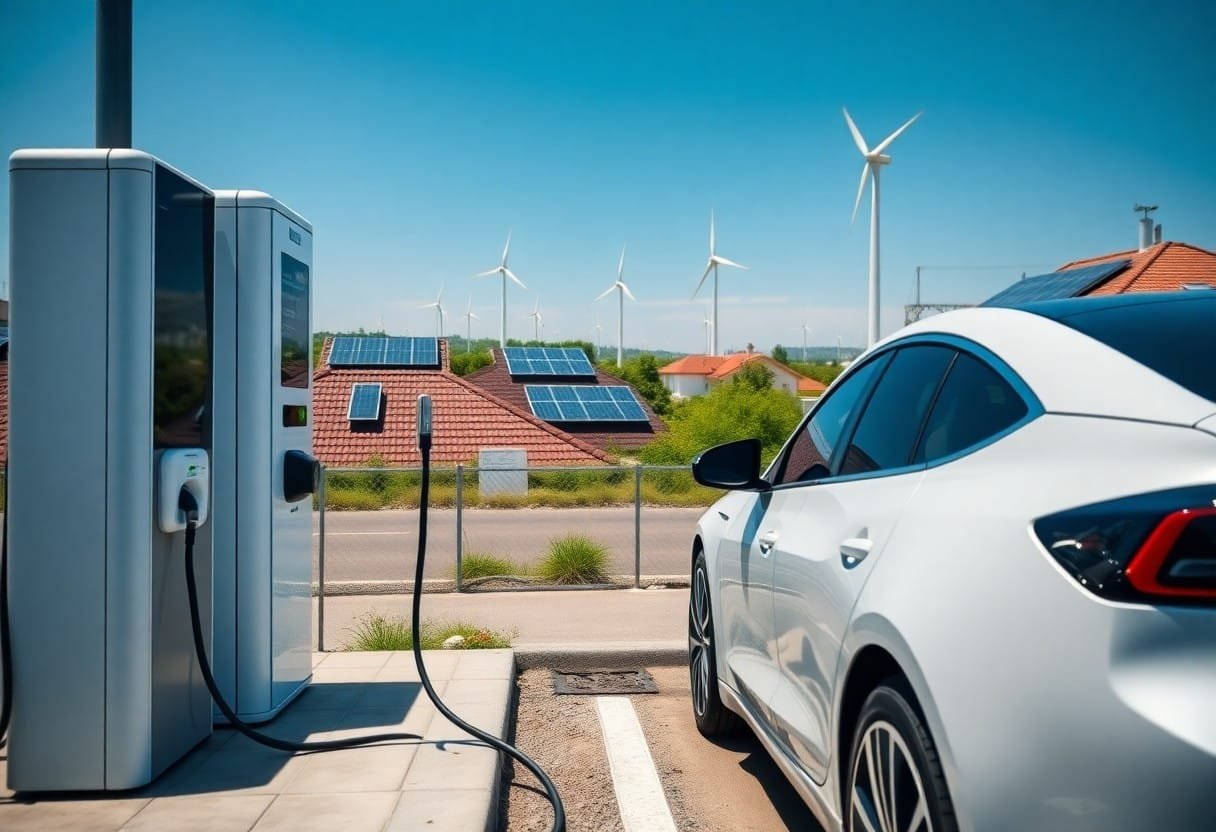
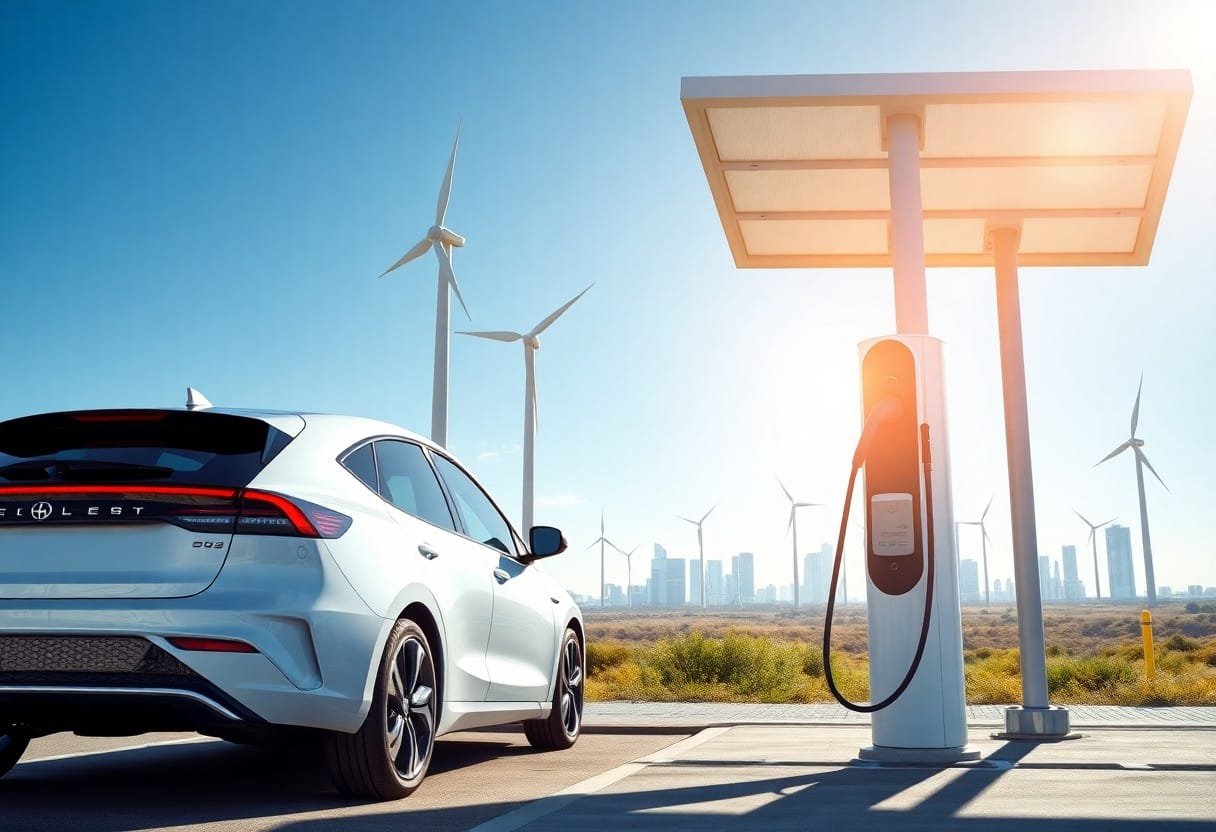
Integrating renewable energy sources into automotive design not only enhances sustainability but also promotes energy independence. By harnessing solar and wind energy, manufacturers can power production facilities and operations with clean energy. This practice is important to achieving long-term decarbonization goals, as outlined in the Decarbonizing practices in the global automotive industry. Collaboration with energy providers can further amplify these efforts, positioning the industry for a greener future.
Solar and Wind Energy in Automotive Design
Incorporating solar panels and wind turbines in automotive design empowers vehicles with the ability to generate their own energy. For electric vehicles, this means extending range and reducing reliance on traditional charging methods. In addition, manufacturers can install these energy solutions at production sites to decrease operational emissions significantly. By utilizing these resources, you drive not just innovation but also a sustainable shift in industry practices.
Energy Storage Solutions
Energy storage solutions are vital for optimizing the use of renewable energy in the automotive sector. Advanced battery technologies, such as solid-state batteries, promise to enhance energy density and charging speeds. These innovations mean you can enjoy longer-lasting power and quicker turnaround times for your vehicles, ultimately reducing overall emissions and costs.
Energy storage technologies are transforming the automotive landscape. For instance, growing investments in lithium-ion and emerging solid-state batteries enable higher energy capacities and enhanced safety profiles. This shift allows vehicles to store excess energy generated from renewable sources, making them more efficient and reliable. Incorporating energy storage into automotive design not only benefits users like you but also contributes to the broader goals of sustainable energy management, creating a seamless interaction between vehicles and the power grid.
Smart Technologies for Enhanced Efficiency
Enhancing vehicle efficiency hinges on the integration of smart technologies that optimize performance and minimize waste. These advancements harness data and analytics to streamline processes, thereby significantly contributing to decarbonization efforts in the automotive sector. For a detailed exploration, refer to Decarbonization in the automotive sector: A scenario ….
Artificial Intelligence in Vehicle Optimization
Artificial intelligence (AI) plays a vital role in optimizing vehicle performance, improving energy efficiency, and reducing emissions. By analyzing real-time data from various vehicle sensors, AI algorithms can adjust driving dynamics, manage energy consumption, and even predict maintenance needs. This proactive approach not only enhances your driving experience but also directly supports sustainability goals.
Connected Vehicles and Their Role in Sustainability
Connected vehicles utilize communication technologies to share data across networks, promoting more efficient driving practices. By exchanging information about traffic, road conditions, and energy resources, these vehicles can reduce congestion and optimize routes, contributing to lower carbon emissions during operation.
For instance, a fleet of connected electric vehicles can function collectively to determine the most efficient charging stations, balancing energy loads and minimizing costs. Real-time data sharing enables proactive management of travel routes, ensuring that vehicles avoid high-traffic areas and choose paths with minimal environmental impact. With connected ecosystems, you benefit not only from reduced fuel consumption but also from a seamless integration of transportation systems that prioritizes sustainability. This technology promises a future where your vehicle actively contributes to a greener planet, enhancing overall urban mobility while ensuring efficiency and reliability.
Global Trends and Policy Frameworks
Shifts in global automotive markets are increasingly driven by policy frameworks aimed at sustainable development. Countries are adopting stringent emission reduction targets and supporting innovations in green technology. Initiatives such as the European Green Deal and California’s zero-emission vehicle mandates are paving the way for advancements in electric and hydrogen fuel cells. For insights on how these frameworks are shaping the industry’s future, check out Fueling a Low-Net Carbon Future.
Regulatory Approaches to Decarbonization
Regulations play a significant role in driving decarbonization within the automotive sector. You’ll find that various countries are implementing measures such as emissions trading systems and stringent fuel efficiency standards to encourage manufacturers to innovate. For instance, the EU’s “Fit for 55” package aims for a 55% reduction in emissions by 2030, compelling manufacturers to rethink their strategies.
Incentives for Green Automotive Innovations
Incentives are pivotal in encouraging the adoption of green technologies in the automotive industry. You’ll see governments offering tax rebates, grants, and funding programs targeted at electric vehicle (EV) development and manufacturing. For example, federal tax credits in the U.S. can reduce the cost of purchasing an EV significantly, boosting buyer interest and market share.
Expanding on incentives, many countries have adopted comprehensive policies to promote the transition towards electric and hybrid vehicles. In Norway, over 54% of new car sales are electric, largely due to generous tax exemptions and a robust network of charging infrastructure, making it an ideal case study. Similarly, California’s Clean Vehicle Rebate Project provides substantial rebates, demonstrating a proven approach to encourage consumer uptake of cleaner technologies. These initiatives not only reduce greenhouse gas emissions but also stimulate job creation within the green technology sector.
To wrap up
Now is the time for you to embrace the transformative advancements in green automotive technology and powertrain decarbonization strategies. By integrating innovative practices and exploring sustainable solutions, you can contribute to reducing emissions and enhancing energy efficiency in your vehicle choices. Adopting these technologies not only supports environmental goals but also aligns with emerging industry trends that prioritize sustainability. Your commitment to these innovations will play a key role in shaping a greener, more efficient future in transportation.