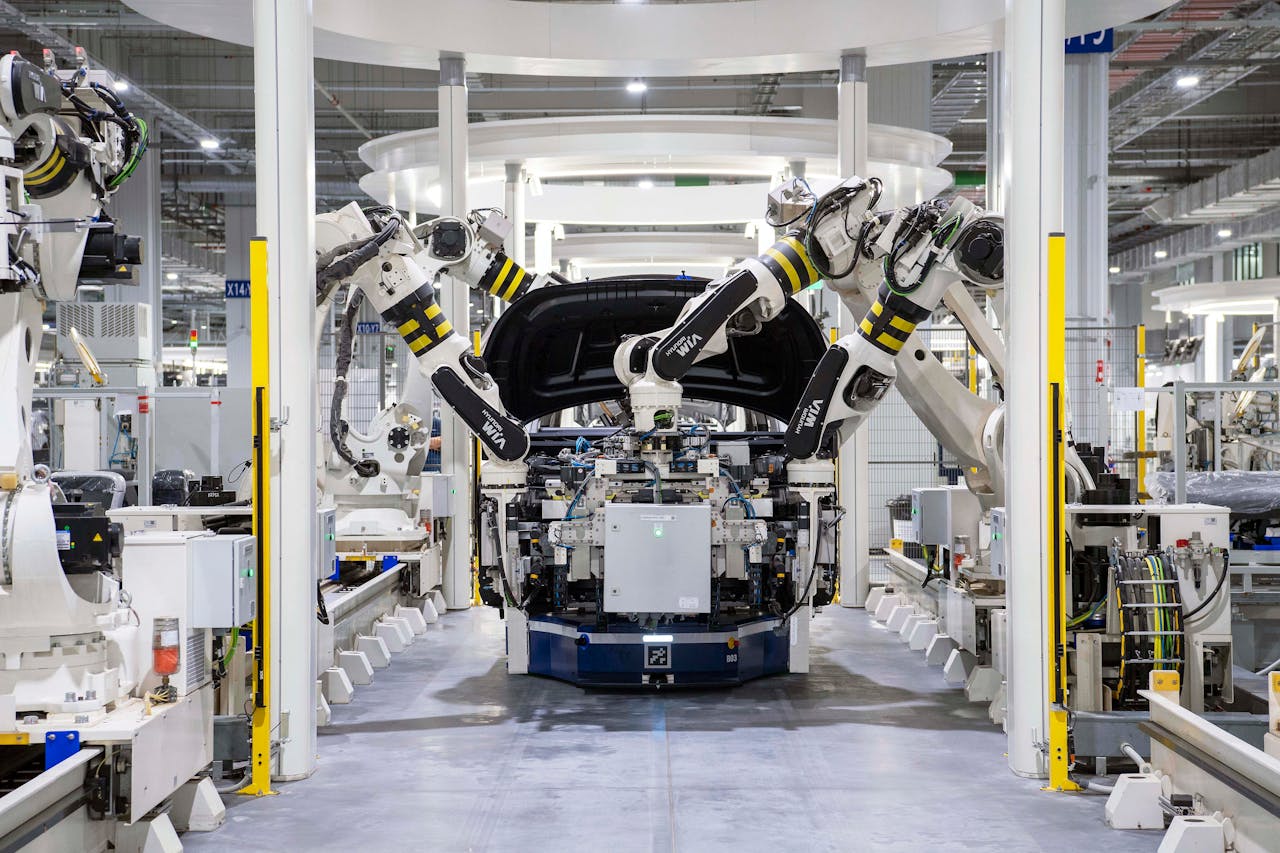

Most people are excited about the potential of electrification and AI to transform our world, but you might wonder how these technologies can integrate without amplifying the carbon footprint of modern infrastructure. This blog post investigates into how you can embrace innovation while prioritizing sustainability, exploring the intersection of energy efficiency and intelligent systems. Together, we’ll uncover strategies that can minimize environmental impact and highlight the importance of mindful advancements in technology.
Key Takeaways:
- Electrification can enhance energy efficiency in infrastructure, reducing overall carbon emissions when coupled with renewable energy sources.
- AI technologies can optimize energy consumption and management, leading to smarter, lower-carbon infrastructure systems.
- Challenges remain regarding the energy demands of AI and the need for sustainable energy sources to mitigate potential increases in the carbon footprint.
The Promise of Electrification
Electrification holds remarkable potential to transform various sectors by providing cleaner energy solutions. This transition not only reduces reliance on fossil fuels but also improves the resilience of energy systems. With advancements in technology, you can expect a shift toward highly efficient, electric alternatives in transportation, heating, and industrial processes, ultimately leading to a sustainable future where your carbon footprint is significantly reduced.
Benefits for Energy Efficiency
Embracing electrification enhances energy efficiency across multiple domains. Electric vehicles, for instance, convert over 77% of electrical energy from the grid to power at the wheels, compared to just 12-30% for gasoline vehicles. By upgrading to electric appliances and systems, your household or business can experience substantial cost savings and reduced energy consumption, supporting both economic and environmental goals.
Challenges in Implementation
Despite significant benefits, integrating electrification into existing infrastructures presents various challenges. You may encounter high initial costs, the need for extensive grid upgrades, and resistance from stakeholders accustomed to traditional systems. Additionally, the inconsistency of renewable energy sources can complicate the transition process, requiring innovative solutions to ensure reliability and efficiency.
Implementing electrification faces hurdles such as the substantial financial investment required for infrastructure upgrades, which can deter both public and private sector stakeholders. In many regions, electrical grids suffer from outdated technology that may not support the increased load from electrification efforts. Moreover, adapting your existing buildings to accommodate electric heating or charging stations often demands extensive retrofitting, which can stall progress. To navigate these challenges, community engagement and robust policy support are imperative in fostering a smooth transition while addressing the diverse needs of those involved.
The Role of Artificial Intelligence
Artificial Intelligence plays a transformative role in optimizing electrification processes, helping to enhance efficiency, reduce waste, and minimize emissions. By analyzing vast datasets, AI can identify patterns that drive smarter decision-making in energy consumption, grid management, and resource allocation. With machine learning algorithms, you can forecast demand more accurately, enabling the grid to adapt in real-time and ensuring a cleaner energy mix is utilized across diverse infrastructures.
Enhancing Systems and Operations
AI significantly improves system operations by automating processes and enhancing predictive maintenance strategies. For instance, AI algorithms in smart grids allow your systems to optimize energy distribution, reducing losses and cost. Furthermore, real-time analytics can enhance load forecasting, ensuring that renewable energy sources are integrated seamlessly, which paves the way for a more responsive and sustainable infrastructure.
Potential Risks and Concerns
While the benefits of AI are substantial, there are inherent risks that must be addressed, including data privacy concerns, algorithmic bias, and the reliance on complex technologies. You need to remain vigilant about the potential for unintended consequences that can arise from heightened reliance on AI in sensitive energy sectors.
Algorithmic bias is particularly troubling. If your AI systems are trained on unrepresentative datasets, they may yield skewed results, leading to inequitable energy distribution or failure to address specific community needs. This could deepen existing inequalities within energy access. Additionally, the carbon footprint associated with data centers powering AI is non-trivial; as demand for AI solutions grows, you may inadvertently find yourself contributing to higher emissions if sustainable practices are not prioritized. Addressing these potential pitfalls requires active engagement in transparent AI development and a commitment to sustainability as core principles guiding your electrification efforts.
Integrating AI with Electrification
Combining AI with electrification enhances efficiency and ensures a sustainable approach to energy management. By utilizing real-time data, AI optimizes energy consumption and integrates renewable sources seamlessly, reducing operational costs and cutting emissions. This synergy allows cities and industries to evolve towards smarter infrastructures, driving a more sustainable future.
Synergies for a Greener Future
When you leverage AI alongside electrification, you can unlock significant energy savings and emissions reductions. Predictive analytics help to dynamically adjust energy usage patterns, while machine learning algorithms enhance load balancing across grids. This results in a robust energy ecosystem that minimizes waste and maximizes resource efficiency.
Case Studies of Successful Integration
Numerous organizations have successfully integrated AI with electrification, showcasing tangible benefits. For instance, companies like Siemens and GE have reported a drastic reduction in energy consumption and operational costs by employing AI-driven solutions in smart grids and industrial electrification systems.
- Siemens: 30% reduction in energy costs for manufacturing facilities using AI for predictive maintenance.
- GE: 15% improvement in grid reliability and a 20% decrease in emissions through AI-enabled smart grid management.
- Volkswagen: 25% reduction in energy usage at manufacturing plants by implementing AI for real-time energy management.
- IBM: Leveraged AI to optimize energy use in data centers, resulting in annual savings of approximately $20 million.
- Enel: Enhanced renewable energy integration with AI, which increased efficiency by 40% across their grid operations.
These case studies illustrate the transformative impact of AI on electrification efforts. Siemens’ facility, for example, not only cut costs significantly but also enhanced operational uptime, showcasing real-world applications of AI that harmonize with electrification. As similar approaches become prevalent across multiple sectors, the potential for substantial environmental benefits evolves, emphasizing the importance of continued innovation.
Mitigating the Carbon Footprint
Mitigating the carbon footprint of modern infrastructure involves adopting innovative solutions that minimize environmental impact. By implementing advanced technologies and best practices, you can significantly reduce emissions associated with electrification and AI usage. This can include improving energy efficiency across systems, shifting towards cleaner sources, and promoting circular economy principles in resource management.
Strategies for Sustainable Practices
To achieve sustainable practices, you should focus on integrating energy-efficient technologies and optimizing operational processes. Implementing smart grids, utilizing energy storage systems, and encouraging demand-response strategies will help you balance energy consumption while minimizing waste. Additionally, fostering collaboration between industries can lead to shared resources and enhanced innovations in sustainability.
The Importance of Renewable Energy Sources
Transitioning to renewable energy is vital for reducing the carbon footprint. By relying on sources such as wind, solar, and hydroelectric power, you can decrease dependence on fossil fuels. This shift not only lowers greenhouse gas emissions but also supports energy independence and security while promoting sustainable economic growth.
The move towards renewable energy sources empowers you to contribute to a cleaner environment and combats climate change. For instance, solar energy alone has seen global capacity growth exceeding 800 GW as of 2020, showing a significant shift toward green energy. Incorporating renewables into your energy mix can enhance resilience against fluctuating energy prices and supply chain disruptions. Furthermore, advances in technology continue to drive down costs, making renewable energy more accessible and economically viable than ever.
The Future of Infrastructure
Emerging trends in electrification and AI are set to reshape infrastructure, creating a synergy that prioritizes sustainability. As cities increase their reliance on renewable energy, advancements in smart grids, energy storage, and zero-emission transportation systems will play pivotal roles. This integration not only optimizes energy use but also reduces greenhouse gas emissions, making your surrounding environment cleaner and more efficient. With the right investments and policies, the infrastructure of tomorrow can support a carbon-neutral society.
Innovations on the Horizon
Several innovations promise to transform how infrastructure operates, from AI-driven predictive maintenance that minimizes downtime to modular, adaptable designs that allow for rapid upgrades. Smart materials that can self-repair and energy-efficient systems are just a few examples revolutionizing infrastructure. These technologies enable your community to better respond to challenges while significantly reducing its carbon footprint.
Collaborating for a Sustainable Future
The path to a sustainable future hinges on collaboration across sectors. Partnerships between government, private industry, and academic institutions foster innovation by pooling resources and knowledge. These alliances can lead to projects that not only improve infrastructure efficiency but also ensure equitable access to clean energy solutions, ultimately benefiting everyone in your community.
To achieve meaningful progress, cities must become innovation hubs where public policies encourage experimentation and collaboration. By leveraging the insights and expertise from tech companies, urban planners, and sustainability advocates, you can spearhead initiatives that address localized challenges while contributing to global sustainability. This collective effort helps to ensure that electrification and AI can coexist harmoniously, creating a resilient infrastructure that meets the needs of both current and future generations without compromising the environment.
Public Perception and Policy
Your views on electrification and AI significantly influence policy direction. Understanding public perception can help in aligning initiatives that prioritize sustainability. As highlighted in A review of green artificial intelligence: Towards a more …, it is evident that transparent communication about the benefits and challenges is imperative to foster acceptance and trust in these technologies.
Engaging Stakeholders
You play a pivotal role in the discourse surrounding electrification and AI. Engaging a diverse group of stakeholders, including industry experts and community leaders, can facilitate a collaborative environment that encourages innovation. Your participation helps ensure that the solutions developed reflect shared values and practical needs.
The Role of Government Initiatives
Your government can be a powerful catalyst for progress in electrification and AI. Initiatives aimed at funding research, investing in green technologies, and setting regulatory standards are imperative for creating a conducive environment for innovation. These efforts not only promote sustainability but also work to alleviate public concerns regarding the carbon footprint of new infrastructure.
Government initiatives can shape the trajectory of electrification and AI integration. Programs offering grants or subsidies for green technologies can incentivize companies to innovate responsibly. Policies that standardize practices across sectors also contribute to achieving broader climate goals. The establishment of clear regulatory frameworks can allay fears about increased carbon emissions and encourage businesses to adopt sustainable practices, ultimately leading to a more eco-friendly future.
Final Words
As a reminder, striking a balance between electrification and AI without exacerbating the carbon footprint of modern infrastructure is entirely achievable. You have the power to advocate for sustainable practices that prioritize efficiency and renewable energy sources. By making informed choices and supporting innovations that integrate smart technology with clean energy, you can contribute to a future where electrification and AI work hand in hand for a greener world. Your actions can lead to significant change, creating a more sustainable environment for everyone.