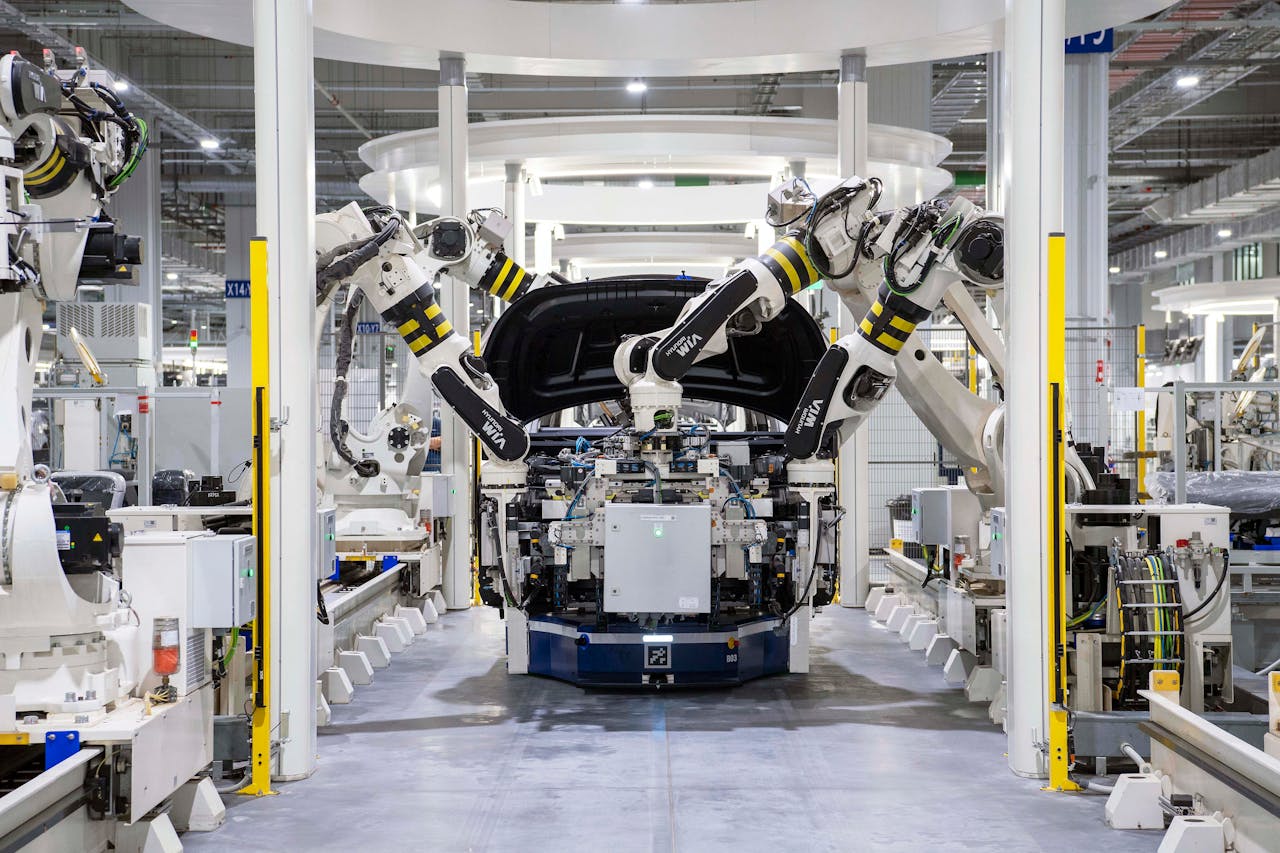


You may not realize it, but the future of generative AI infrastructure relies heavily on the availability of critical minerals. These vital materials are vital for the production of advanced technologies, including the chips and batteries that power AI systems. Understanding how these minerals influence development and innovation can help you appreciate the intricate link between natural resources and cutting-edge technology. In this post, we’ll explore the role of critical minerals in shaping AI infrastructure and their impact on the future of this rapidly evolving field.
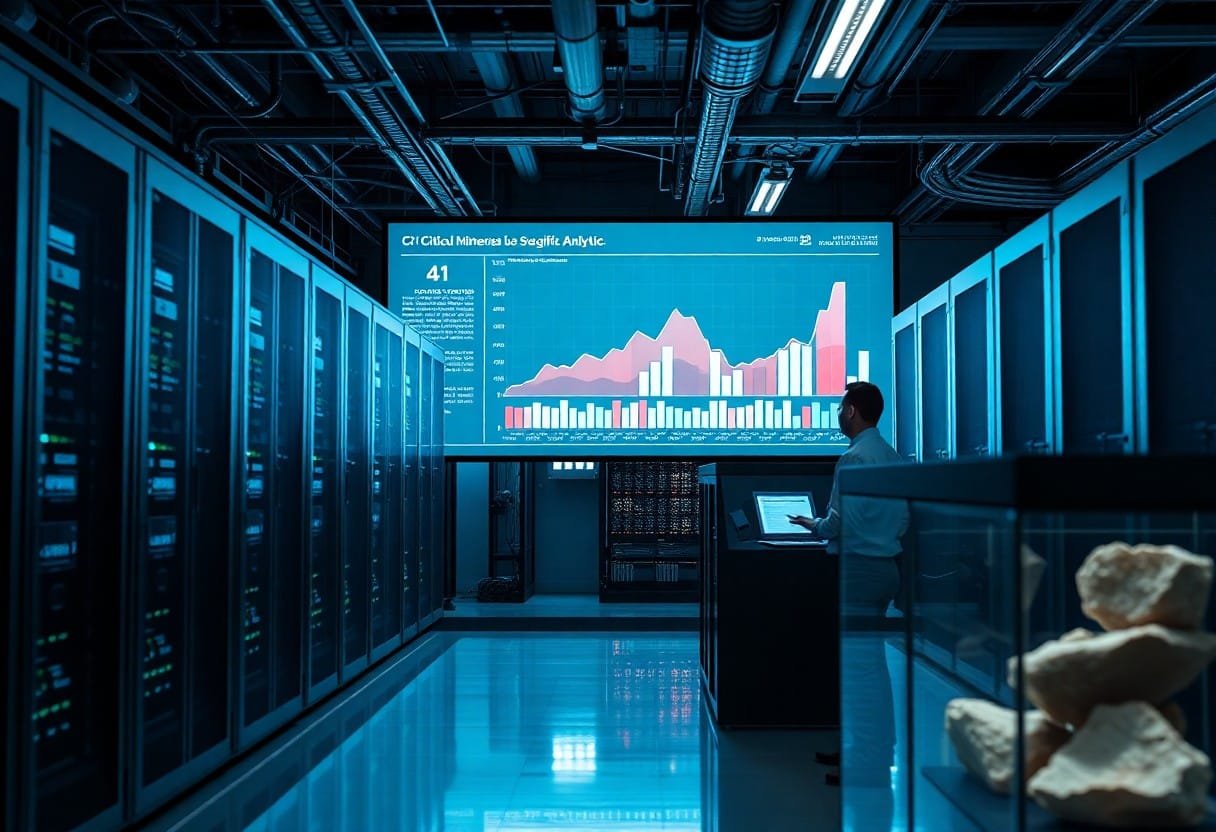
Key Takeaways:
- Critical minerals are crucial for the production of advanced hardware necessary for generative AI, driving innovation and efficiency in AI applications.
- Global supply chains for these minerals are increasingly under scrutiny, affecting the development and sustainability of AI infrastructure.
- Investment in alternative sourcing and recycling of critical minerals can mitigate risks and support the growing demands of the generative AI sector.
What Are Critical Minerals?
Critical minerals are natural resources that are necessary for modern technologies, including those powering generative AI. Their unique properties enable advancements in energy storage, electronics, and computing, making them vital for the future of innovation. Without these minerals, the development and scalability of technologies such as AI would be severely hindered.
Definition and Importance
These minerals are defined by their economic significance and the risk associated with their supply chain. As industries increasingly rely on advanced materials for production, the importance of securing a steady and reliable supply of critical minerals has become paramount for national security and technological progress. Your understanding of these minerals can directly impact your engagement with emerging technologies.
Types of Critical Minerals
Various types of critical minerals serve different functions in technology. Key examples include lithium for batteries, cobalt for electric vehicles, and rare earth elements for electronics. Their diverse applications across industries underscore their necessity in the evolving technological landscape. Assume that without these minerals, significant technological advancements would stall.
| Type | Usage |
|---|---|
| Lithium | Batteries and energy storage |
| Cobalt | Electric vehicle batteries |
| Rare Earth Elements | Electronics and magnets |
| Graphite | Batteries and lubricants |
| Tantalum | Capacitors and electronics |
Types of critical minerals encompass a range of materials necessary for technology. Lithium, for instance, is pivotal in rechargeable batteries for your devices. Meanwhile, cobalt is extensively used in electric vehicles, enhancing battery efficiency. Rare earth elements are crucial for producing powerful magnets, which are foundational for advanced electronics. Graphite also plays a key role in energy storage, while tantalum is key for high-performance capacitors. Assume that without these minerals, innovations in AI and sustainability would face considerable obstacles.
| Mineral | Significance |
|---|---|
| Indium | Display technologies |
| Nickel | Battery production |
| Gallium | Solar panels |
| Tellurium | Solar energy |
| Platinum Group Metals | Catalytic converters |
The Role of Critical Minerals in Generative AI
The integration of critical minerals is pivotal in shaping the backbone of generative AI technology, impacting everything from computational power to energy efficiency. These minerals, such as lithium and cobalt, are necessary in manufacturing high-performance chips and batteries that drive AI systems. As the demand for sophisticated AI solutions rises, so too does the need for these resources, ensuring they play a significant role in infrastructure development.
Essential Components for AI Hardware
Your AI hardware relies heavily on critical minerals for optimal performance. Elements like gallium and indium are vital in producing semiconductors, enabling faster processing speeds and improved capabilities. Without these components, the efficiency of AI systems would plummet, limiting their potential to analyze vast amounts of data and generate meaningful insights.
Enhancing AI Performance and Efficiency
Utilizing critical minerals not only boosts the computational capabilities of AI systems but also enhances their energy efficiency. By incorporating advanced materials, AI processors can achieve higher speeds while consuming less power, helping reduce overall operational costs.
This increased efficiency is exemplified in the use of silicon carbide in power electronics, which supports faster switching speeds and reduced heat generation. Companies such as Intel and NVIDIA have recognized the impact of these minerals, investing in research to optimize their use. As generative AI applications expand, the demand for energy-efficient hardware will remain critical, pushing innovations that rely on these necessary materials to reach new heights in performance and sustainability.
Supply Chain Challenges
Supply chain issues threaten the availability of critical minerals necessary for generative AI infrastructure. Factors such as transportation disruptions, regulatory hurdles, and inefficient logistics hinder the timely access to these vital resources. According to recent studies, competition for these minerals is intensifying globally, making it imperative to optimize supply chains for enhanced efficiency. Resources like AI Tool Speeds Up Critical Mineral Hunt, Boosting U.S. … highlight innovative solutions aimed at tackling these challenges.
Sourcing and Availability
Sourcing critical minerals requires considering both domestic production capacities and international dependencies. As countries strive for sustainable energy options, you might notice increasing demand that further complicates sourcing efforts. Minerals such as lithium and cobalt are becoming rare, pushing industries to seek new exploration methods and recycling solutions.
Geopolitical Factors
The geopolitical landscape significantly influences the accessibility of critical minerals. You should be aware that nations rich in these resources frequently experience tensions. Political instability, trade tariffs, or export bans can substantially affect your access to necessary minerals, making it crucial to stay informed about international relations.
- Competition among nations for resources is escalating.
- Trade agreements can dictate mineral availability.
- Assume that shifts in governance will directly impact supply chains.
Tensions in key regions, such as Africa and South America, often stem from resource-rich nations navigating their political climates. These issues can include conflicts over control of resource extraction or regulatory changes that impact foreign investments. With the ongoing demand growth, you may see fluctuations in prices and availability due to these geopolitical influences.
- Resource distribution is uneven across the globe.
- Developments in one country can ripple through global markets.
- Assume that strategic alliances will become increasingly important.
Sustainability Concerns
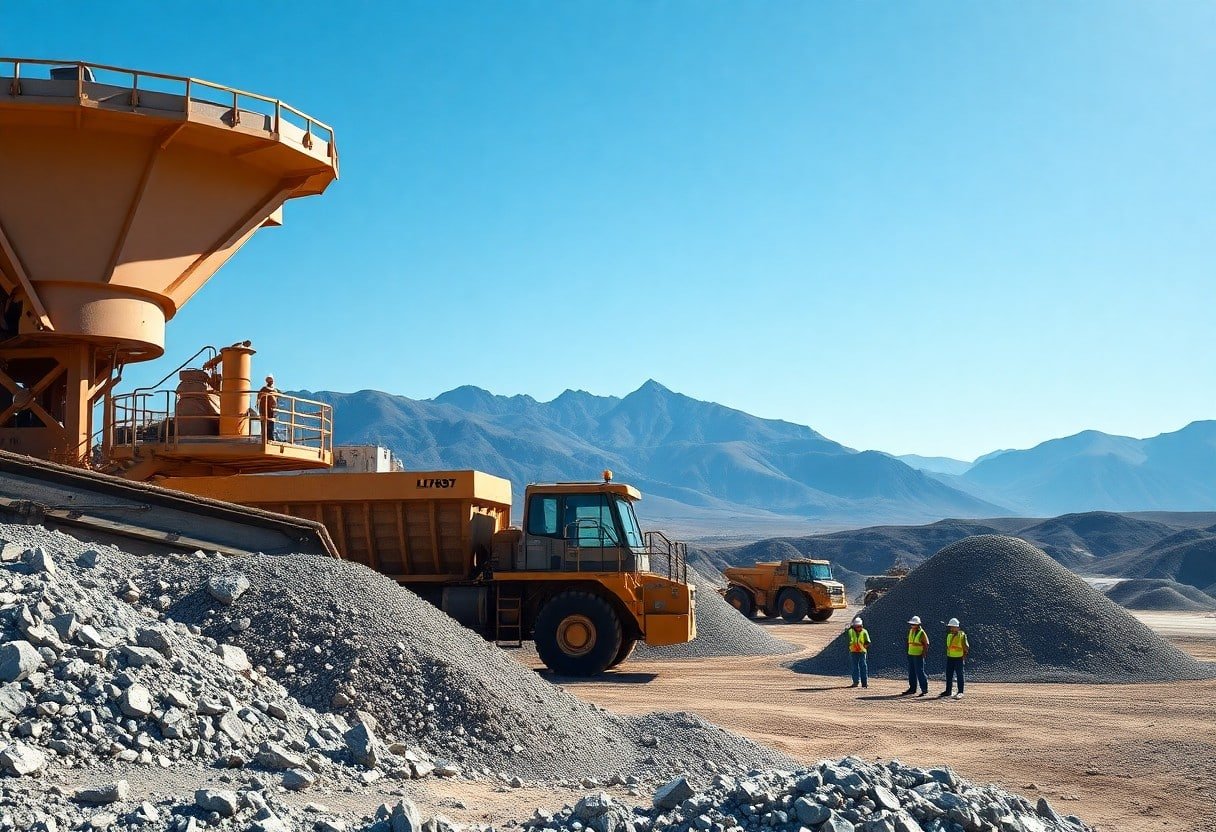
As the demand for generative AI technology grows, sustainability concerns related to critical mineral extraction are increasingly under scrutiny. The environmental footprint of mining operations raises important questions about the balance between technological advancement and ecological preservation. Ensuring that your reliance on these minerals doesn’t come at a high cost to the planet is paramount in shaping a responsible future for AI infrastructure.
Environmental Impact of Mining
The extraction of minerals like lithium and cobalt can lead to significant environmental degradation, including habitat destruction, water pollution, and increased greenhouse gas emissions. You may find that large-scale mining operations often result in deforestation and loss of biodiversity, affecting local communities and ecosystems. Addressing these environmental challenges is critical as industries strive for a more sustainable approach.
Recycling and Alternative Resources
Recycling critical minerals and exploring alternative resources is a key strategy for mitigating the environmental impact of mining. By recovering valuable materials from electronic waste, you can reduce the need for new mining operations. Innovative technologies are being developed to extract metals from old devices, providing a more sustainable supply chain for generative AI infrastructure.
Increasingly, businesses are turning to recycling to meet the demand for critical minerals. For instance, companies like Redwood Materials are focusing on battery recycling, aiming to reclaim valuable elements such as lithium, cobalt, and nickel from used batteries. This approach not only alleviates the pressure on mining operations but also contributes to a circular economy. By prioritizing recycling and investing in research for alternative sources, you can proactively reduce the carbon footprint associated with new mineral extraction and foster a sustainable future for AI technology.
Future Prospects of Generative AI Infrastructure
The landscape of generative AI infrastructure is evolving rapidly. As you explore advancements fueled by high-performance computing, you’ll notice an increasing reliance on critical minerals that power efficient data centers. These developments not only enhance processing capabilities but also significantly reduce energy consumption, paving the way for sustainable AI solutions.
Innovations on the Horizon
Exciting innovations are emerging, driven by the integration of critical minerals. You can expect breakthroughs in quantum computing and neuromorphic chips, both reliant on rare earth elements. This technological evolution aims to improve AI’s learning capabilities, allowing machines to mimic human thought processes more effectively than ever before.
The Evolving Landscape
The infrastructure you’re seeing today is just the beginning. As demand for generative AI grows, the mining and processing of critical minerals will become increasingly strategic. Governments and corporations are investing heavily in sustainable mineral sourcing to ensure future advancements. For you, this means witnessing revolutionary systems that enhance not just AI applications but entire industries, from healthcare to entertainment.
As the generative AI ecosystem matures, the evolving landscape will showcase significant shifts, with a focus on collaboration between tech companies and mineral suppliers. The establishment of recycling programs for critical minerals is gaining traction, promoting a circular economy that minimizes waste. This shift is not merely about raw materials; it’s about diversifying sources and ensuring ethical practices. In this environment, you’ll find AI applications becoming more robust and capable, supported by a responsible supply chain that values both innovation and sustainability.
Conclusion
As you navigate the evolving landscape of generative AI infrastructure, you’ll find that the availability and development of critical minerals play a vital role in shaping its future. These minerals not only drive the performance and sustainability of AI technologies but also influence advancements in computing power and energy efficiency. Embracing the importance of these resources will empower you to stay at the forefront of innovation and harness the full potential of generative AI in your endeavors.