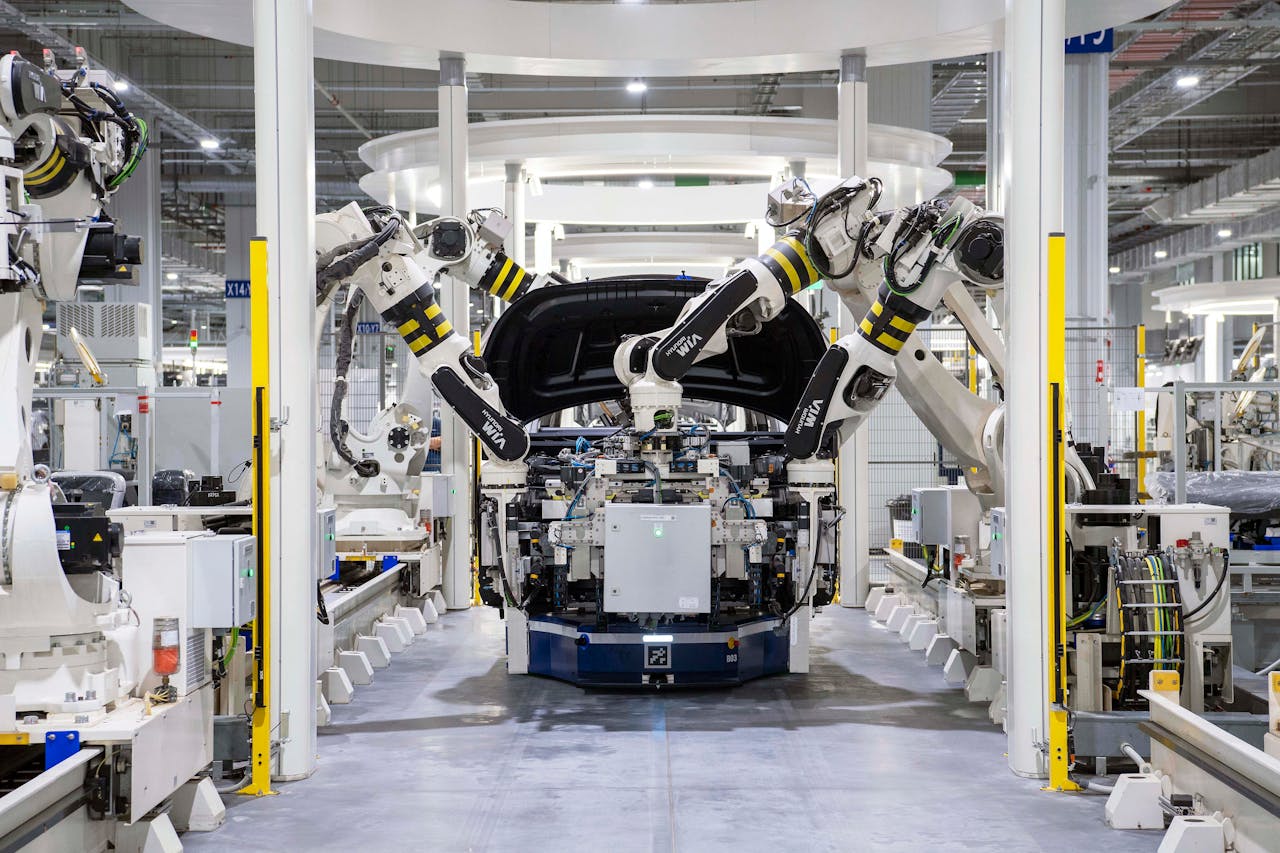

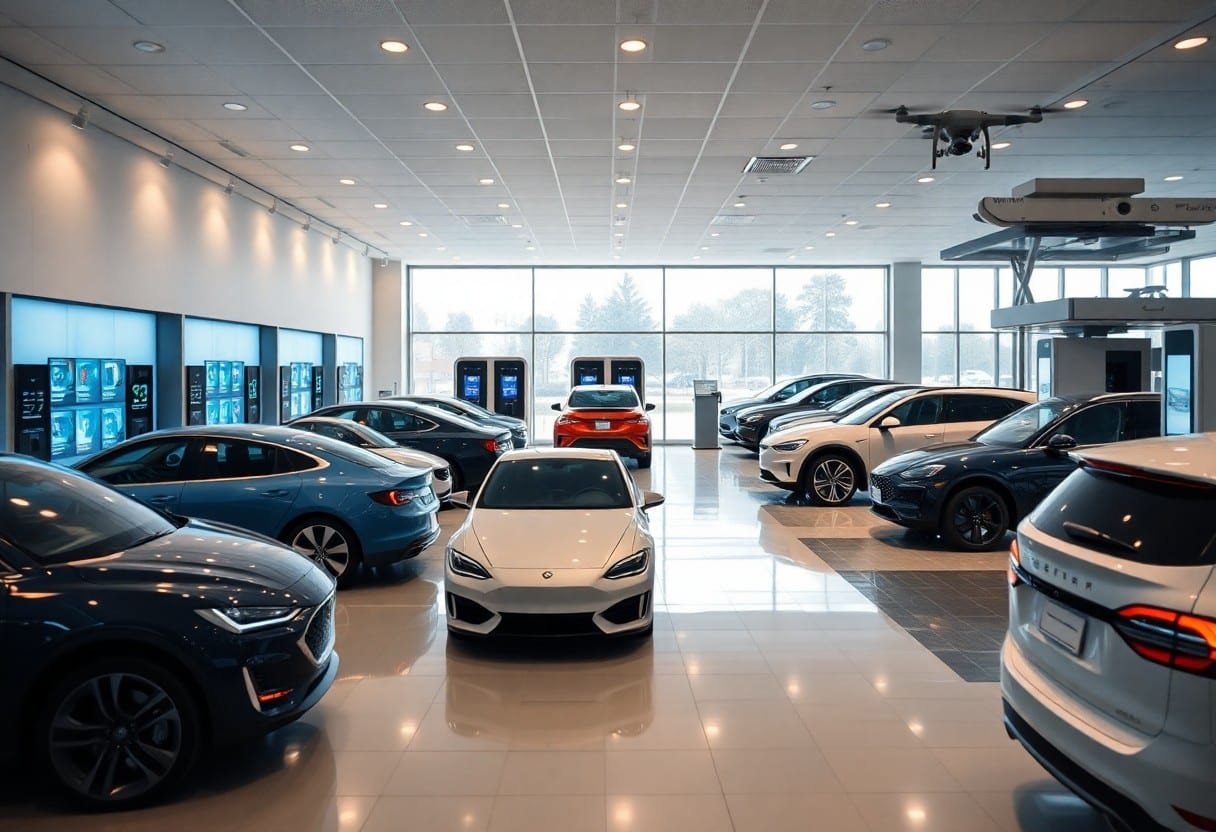
Most changes coming in 2026 will reshape how you shop, finance, and service vehicles-expect AI-powered virtual showrooms, seamless omnichannel buying, vehicle subscriptions, expanded EV support in-dealership, faster personalized financing, contactless transactions, and data-driven inventory and customer service that make your experience quicker, more tailored, and more sustainable.
Key Takeaways:
- Digital-first omnichannel retail: seamless online car buying, virtual showrooms, e-contracting and contactless delivery combined with integrated CRM and AI personalization to shorten sales cycles and boost conversion.
- Electrification and charging ecosystem: expanding EV inventory, on-site and public charging infrastructure, EV-trained service bays and battery-health/repurposing services reshaping service and inventory strategies.
- AI, connected-data and flexible ownership: AI-driven pricing, inventory and lead-scoring plus monetization of connected-vehicle data, alongside growth in subscriptions and mobility-as-a-service shifting revenue models away from traditional retail.
Digital retailing & e-commerce
You’ll see e-commerce platforms tie inventory, financing, trade-in valuation and delivery into one flow, reflecting that 70-80% of buyers now start online; Tesla and Carvana showed how end-to-end digital sales scale. Dealers integrating real-time inventory, F&I pre-approval and e-signatures cut back-and-forth by consolidating steps, letting you close deals faster, reduce showroom time and track conversion metrics across channels for continuous optimization.
Seamless online buying journeys
You can offer a guided configurator with live pricing, soft credit checks for pre-approval, and instant trade-in estimates that keep buyers moving forward. Platforms such as Roadster and DealerSocket plug into DMS/CRM so you update availability instantly; dealers report simplified flows boost online-to-close rates, with many seeing 20-30% higher lead conversion when customers complete two or more online steps before visiting.
Contactless delivery and home test drives
You’ll provide scheduled home test drives booked via app, contactless handoffs with sanitized key drops and mobile e-signing, and white-glove delivery for completed sales. Carvana’s 7-day return policy and nationwide delivery model set expectations: customers expect a seamless, low-friction handoff and you can match that by integrating delivery tracking, photo checklists and digital documentation for transparency.
Operationally, you should layer identity capture, pre-authorized payment holds and short-term insurance coverage for home test drives, plus GPS-tracked carriers for deliveries. Many dealers partner with last-mile specialists or use dealer-owned fleets to manage costs and expand reach; adoption accelerated after 2020, and you can measure ROI by tracking test-drive-to-sale conversion, delivery satisfaction scores and repeat-customer lift from at-home experiences.
Customer experience & personalization
Personalization now separates top dealers from the rest: you can use telematics, browsing history and service records to tailor offers, lowering negotiation time and boosting conversion. Expect omnichannel journeys where in‑dealer sensors pick up your test‑drive preferences and follow up with right trims and finance options. See industry context at The top automotive industry trends to follow in 2026 which highlights OEM and dealer implementations you can adopt.
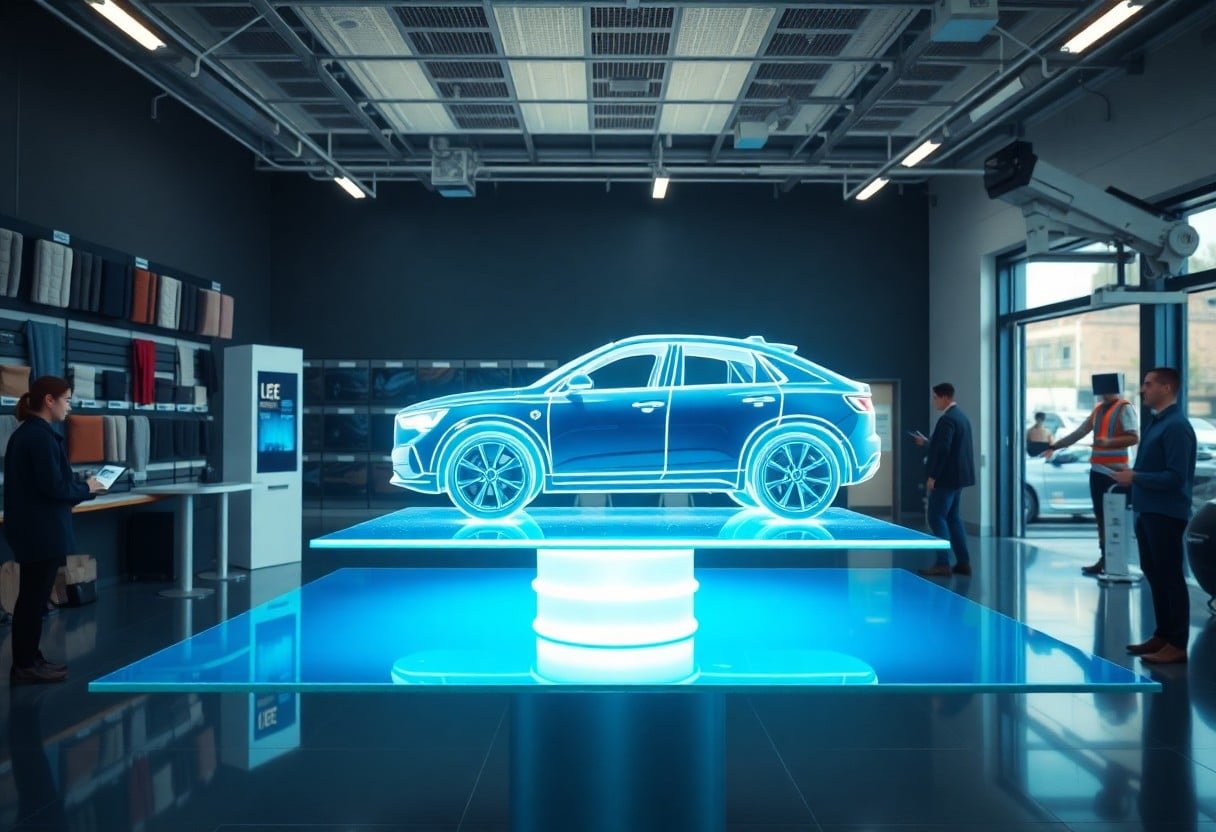
Virtual showrooms, AR and immersive demos
You should deploy virtual showrooms and AR so customers preview trims, colors and options at scale; OEM pilots from Audi and Hyundai showed quicker decision cycles and higher engagement. Phone‑based AR lets shoppers overlay models in their driveway and simulate wheel, paint and interior choices, while 3D configurators reduce showroom visits and surface high‑intent leads-early adopters report 20-30% higher qualified online engagement.
CRM-driven personalization and loyalty
Your CRM must unify online behavior, purchase history and telematics so you send timely, personalized messages-service reminders, trade‑in valuations and tailored finance offers. By using lifecycle scoring and triggered campaigns, you can lift retention and service bookings; dealers on integrated CRMs like CDK Global or DealerSocket often see measurable upticks in repeat visits and F&I conversions.
You should segment owners by mileage, lease‑end date, vehicle age and telematics events, then build predictive churn and upsell scores to prioritize outreach. Automate lifecycle journeys-30/60/90‑day service cadences for new buyers, lease‑end nudges at 90 days out, and post‑service satisfaction triggers tied to loyalty rewards-and A/B test offers; one regional dealer group that automated these flows reported an ~18% increase in service retention and faster rebooking rates.
Data, AI & smart operations
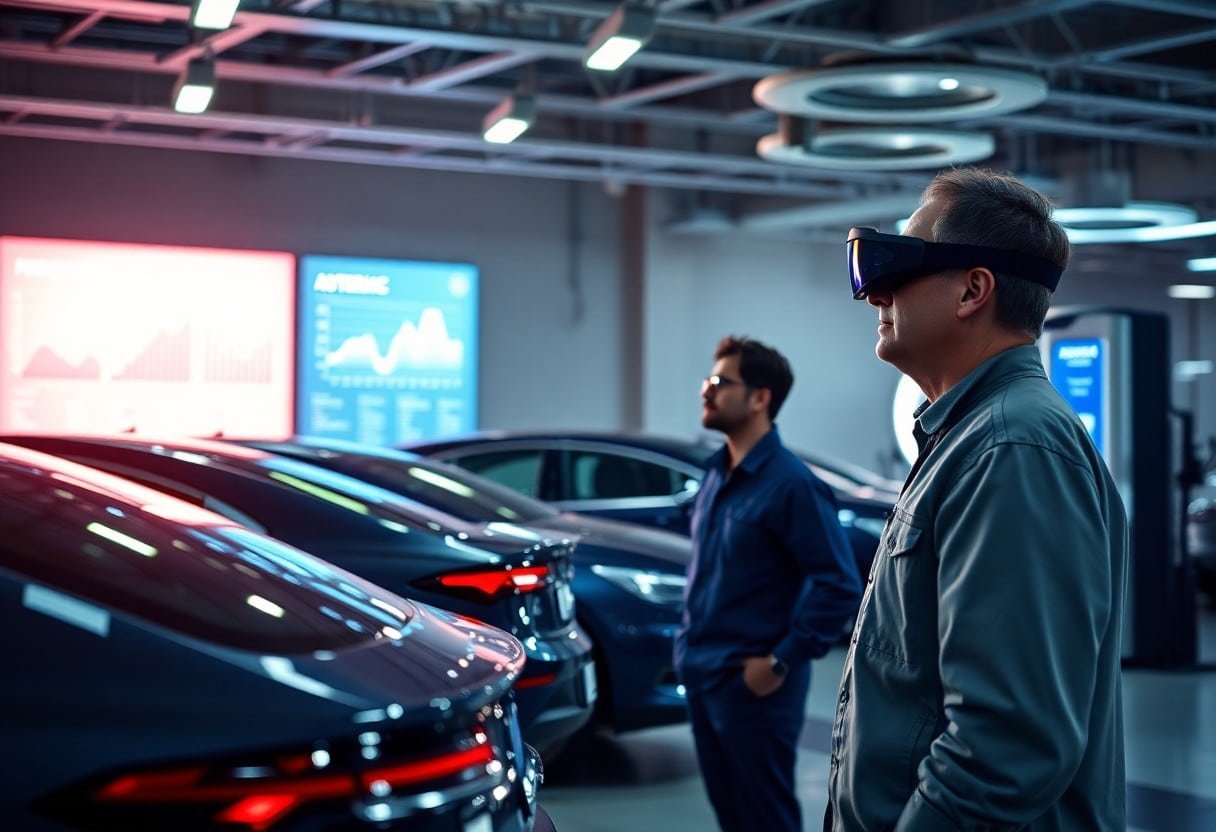
Aggregating your CRM, DMS and third‑party market feeds lets AI automate pricing, service scheduling and staffing decisions. Models trained on thousands of transactions can flag high‑value leads, predict trade‑in timing and cut days‑on‑lot by 15-25% in pilots. When you shift to data‑driven workflows, your service bays get used more efficiently, your reconditioning pipeline tightens, and routine decisions move from guesswork to measurable KPIs.
Predictive analytics for inventory and sales
By combining micro‑market pricing, local search trends and past trade‑in behavior you can forecast which trims will sell within 30 days and which need incentives. Models that ingest OEM incentives, auction lanes and walk‑in signals typically reduce markdowns and improve stock turns by 10-20% in early deployments. Use these forecasts to optimize orders, prioritize reconditioning and tailor local marketing to the hottest VINs.
Dynamic pricing and automated lead scoring
Dynamic pricing engines pull live auction comps, competitor listings and VIN‑level history to adjust offers hourly or in real time while automated lead scoring ranks prospects by intent, credit fit and engagement signals. When you apply both, inventory prices react to demand and your sales team focuses on leads most likely to convert, lowering cost‑per‑sale and improving closing rates in field pilots.
Operationally, start by integrating your DMS, online listings and a real‑time market feed, then set margin and age guardrails so algorithms never undercut your targets. Run A/B tests by vehicle segment and monitor metrics like gross per unit and days‑to‑sell; pilots commonly report 5-10% lift in gross and faster sell‑through. Combine score thresholds with automated follow‑up cadences so your closer handles hottest leads while your CRM nurtures the rest.
EVs, charging & new inventory strategies
You’ll restructure inventory around range bands (200-300+ miles) and battery health, while upgrading your lot with Level 2 and selective DC fast chargers for customer convenience. Use market data and local registration trends to forecast EV demand, and align pricing with certified EV warranties and battery reports; see Top Trends to Watch in Automotive Retail in 2026 for wider context and tactics.
EV trade-in, certification and inventory planning
You should add battery state-of-health tests and range verification to trade-in appraisal, since many EV batteries show roughly 5-10% capacity loss by 100,000 miles. Create an EV-specific certification that documents remaining warranty, software updates, and charging history, then price to sell within a 30-60 day window for high-turn models (200-300 mile range) while holding longer for niche luxury EVs.
In-dealership charging and partnership models
You can deploy Level 2 chargers for service and overnight demo charging and partner with networks like ChargePoint, EVgo or Electrify America for customer fast-charging access. Structure deals that combine installation support, back-office software integration, and branded apps so you monetize dwell time, offer loyalty charging, and avoid one-off infrastructure headaches.
Operationally, plan load management, dedicated EV bays, and DMS integrations so charging ties into sales and service workflows; Level 2 (≈7 kW) adds ~25-30 miles per hour, while DC fast chargers (50-350 kW) can add ~150-250 miles in 20-30 minutes depending on the vehicle. Negotiate utility rates or demand-charge mitigation, price per kWh or session, and use telemetry to push maintenance reminders-these steps turn charging from an expense into a revenue and retention channel.
Service, subscriptions & new revenue streams
You’ll see service desks morph into recurring-revenue hubs as OEMs roll out software subscriptions and in-car monetization-Tesla and BMW already monetize features via subscriptions-and you can bundle maintenance, warranty top-ups and mobility access to stabilize margins; consult the 2026 Auto Dealer Marketing Playbook: How to Win in the EV and Direct-to-Consumer Era for practical bundling tactics.
Connected-car maintenance and predictive service
With telematics and OEM APIs you can read fault codes, predict failures and schedule service before customers notice issues; industry studies show predictive maintenance can cut unscheduled downtime by up to 40%, and dealers using proactive alerts and OTA fixes increase retention while reducing emergency tow and warranty expense.
Subscription models, mobility-as-a-service and parts
Subscription offerings let you convert one-off sales into steady monthly income: examples like Care by Volvo and Porsche Passport show how access and feature subscriptions drive predictable cash flow, while parts subscriptions for tires, brakes and consumables smooth workshop demand and lift customer lifetime value.
You should pilot tiered plans-basic maintenance, mid-level with wear-item replacements, premium with insurance and charging credits-price them monthly, and integrate billing with your DMS and telematics to automate renewals; target urban fleet partners or high-frequency customers first, and expect pilot programs to recoup setup and marketing costs within about a year while locking in higher-margin parts demand.
To wrap up
On the whole you’ll see 2026 reshape dealerships through seamless digital retailing, AI-driven personalization that tailors offers to your needs, EV charging and service integration, and subscription/usage models that change ownership. Contactless sales, virtual showrooms and AR test drives make shopping easier, while data-driven inventory and predictive servicing keep operations lean so you spend less time waiting and more time driving what fits your life.