

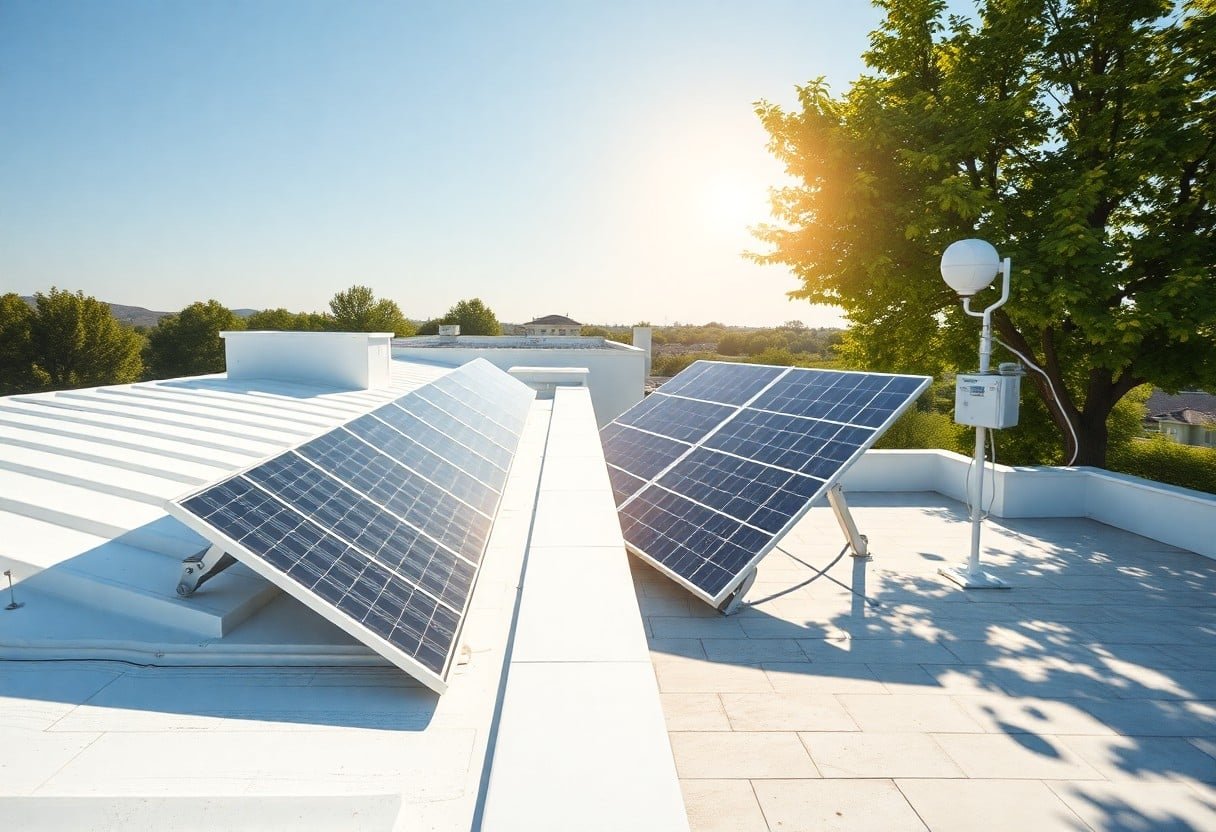
Albedo shifts and microclimate cooling increase solar output by lowering panel temperatures and enhancing irradiance; you gain higher efficiency, reduced degradation, and improved yield when reflective surfaces and local cooling are considered in system design.
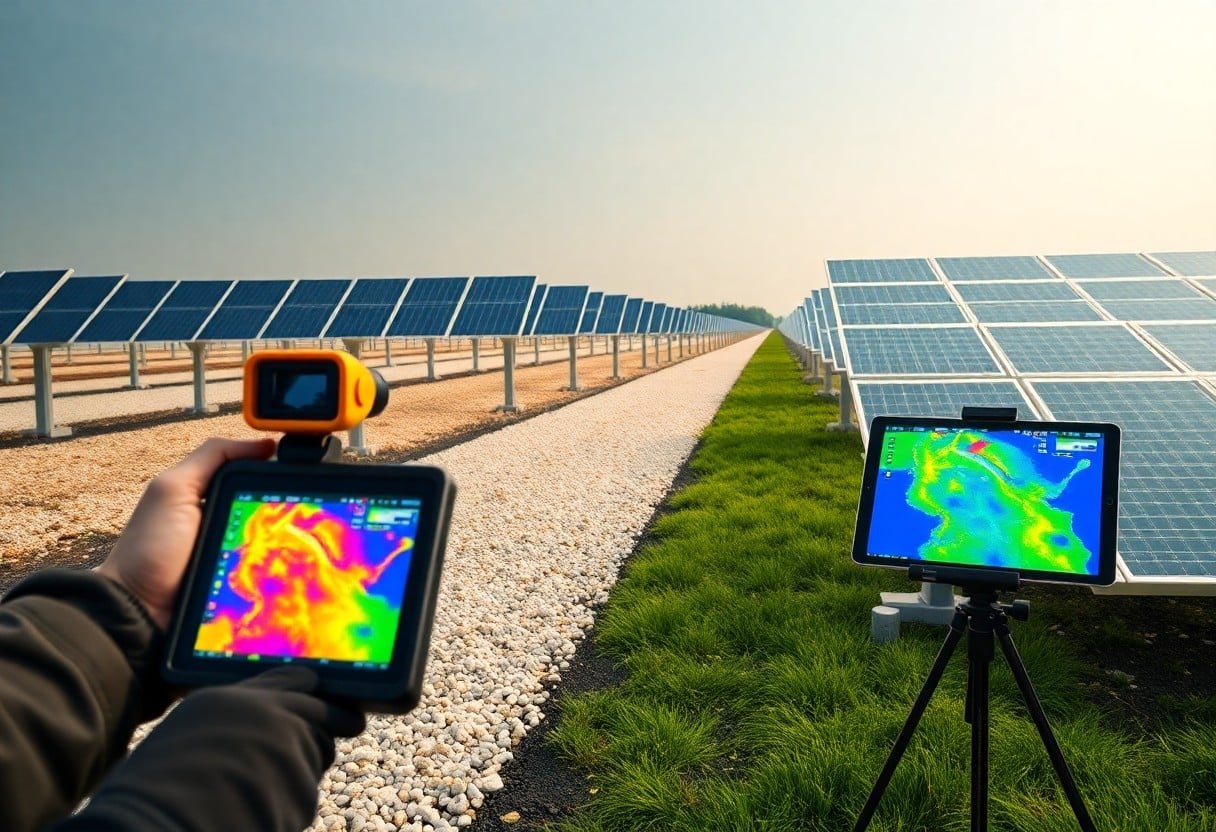
Key Takeaways:
- High ground albedo increases reflected irradiance onto panels, boosting bifacial array yields by roughly 5-20% under bright, reflective surfaces and raising monofacial gains by about 1-5% depending on mounting height and ground cover.
- Microclimate cooling from vegetation, ventilation or reflective treatments lowers module temperature; with typical PV temperature coefficients of −0.3 to −0.5%/°C, a 5-10°C cooling can raise output ~1.5-5% while reducing thermal stress and long‑term degradation.
- Combining higher albedo with cooling-friendly design (raised racking for airflow, targeted ground covers) compounds energy and durability benefits, but requires trade‑off management for glare, soiling, water use and seasonal albedo variability.
The Mechanics of the Albedo Effect in Solar Arrays
Albedo in solar arrays determines how much reflected sunlight reaches panels, altering generation and panel temperature you must factor into layout and cooling strategies.
Surface Reflectivity and Bifacial Module Gain
Bifacial modules capture both direct and ground-reflected irradiance, so you increase yield by optimizing surface reflectivity and tilt to boost rear-side gains.
Impact of Ground Cover Materials on Irradiance
Ground covers like gravel, vegetation, or light-colored mulch change albedo and diffuse light, which you can use to tune site irradiance and bifacial performance.
Selecting ground cover affects both albedo and microclimate: light-colored surfaces raise reflected irradiance but can increase glare and dust, while low-growing vegetation lowers ground temperature and offers microclimate cooling that reduces panel degradation. You should weigh reflectivity, maintenance, water use, and seasonal changes to choose materials that maximize annual yield without creating operational issues.
Microclimate Cooling and Photovoltaic Efficiency
Cooling of modules through microclimate effects can raise your system’s efficiency by lowering operating temperatures, so you should plan arrays to maximize airflow and reflective surfaces.
Thermal Coefficients and Energy Conversion Rates
Cell temperature coefficients show you how much power falls per degree; tracking them helps you predict performance losses and choose panels with lower temperature sensitivity.
Heat Dissipation Strategies in Large-Scale Installations
Array design should include spacing, tilt and ventilation you can adjust to reduce module heating, improving output across peak hours.
Implementing staggered rows, raised racking, and reflective backsheets lets you increase airflow and reduce heat soak; pairing passive ventilation with targeted coolant circuits, heat pipes, or shaded pathways can lower cell temperatures, while you monitor microclimate sensors to time cleaning and maintenance for sustained annual yield improvements.
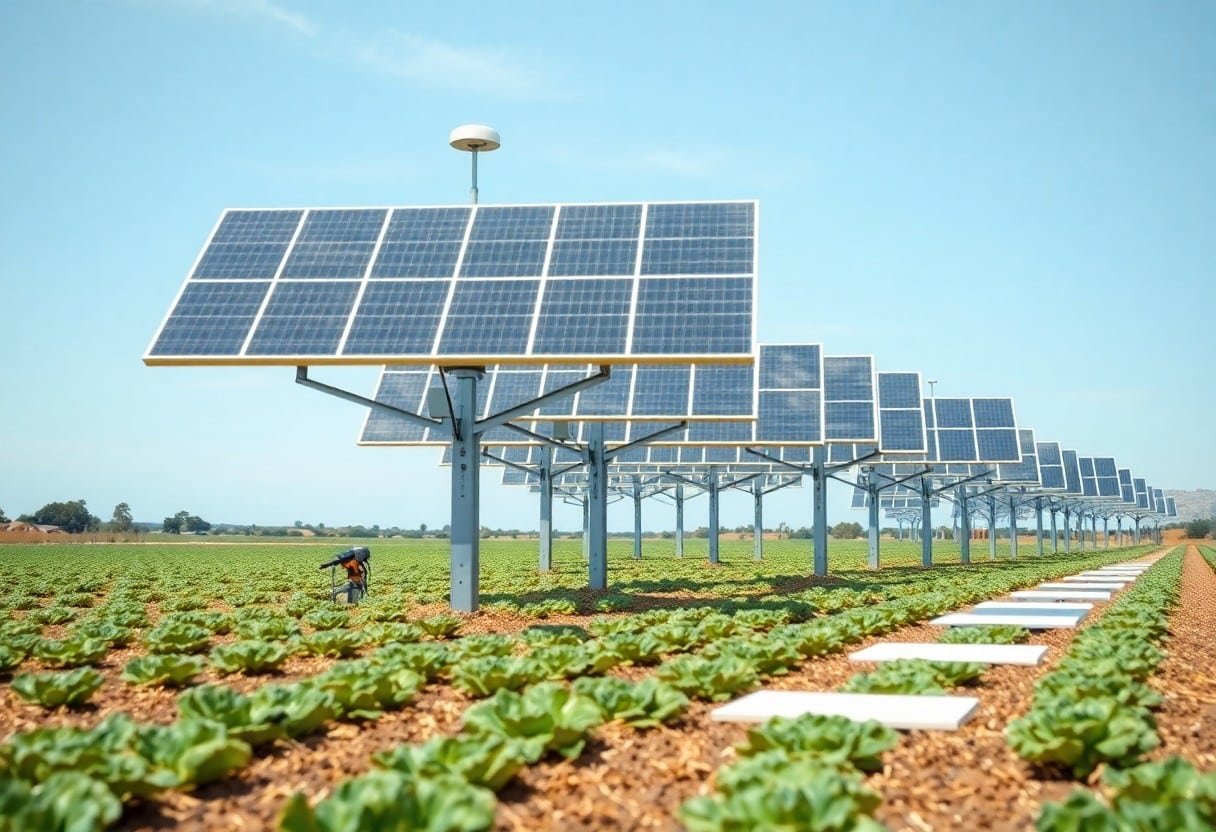
Agrivoltaics: The Synergy of Vegetation and Solar Output
Agrivoltaics shows you how shade and vegetation cool panels, raising efficiency while plants gain microclimate benefits; explore surface reflectivity effects at What is The Albedo Effect And How Does it Impact Global …
Evapotranspiration as a Natural Cooling Mechanism
Evapotranspiration gives you steady cooling as plants release moisture, lowering panel and air temperatures so you secure higher generation and reduced thermal stress in agrivoltaic setups.
Balancing Soil Moisture and Albedo Variability
Managing soil moisture helps you tune albedo: you can use cover crops and mulches to stabilize reflectivity, maintain plant growth, and preserve panel cooling benefits.
You should monitor soil reflectance and moisture sensors to balance cooling and albedo trade-offs: wet soils darken and cut reflectivity but sustain evapotranspiration, while reflective mulches or selective groundcovers raise surface albedo without harming crop water needs; pair targeted irrigation, seasonal crop choices, and surface treatments to keep panel irradiance and farm yields aligned.
Floating Solar (FPV) and Hydro-Thermal Regulation
Floating PV reduces panel temperatures through water cooling and often raises generation; you can evaluate local reflectivity impacts via Albedo Effect | Restoring Earth’s Energy Balance.
Water Surface Albedo and Light Diffusion
Water surface albedo alters incident light and diffusion, so you may see reduced glare and a shifted spectral mix that changes module irradiance and system yield in subtle, site-specific ways.
Convective Cooling Benefits of Aquatic Environments
Cooling from adjacent water increases convective heat loss, and you benefit from lower cell temperatures and improved efficiency during peak heat periods.
You observe that reservoir-driven convective flows can lower panel temperature by about 3-8°C, often boosting output by a few percent; you must factor panel height, array spacing, prevailing winds and seasonal humidity when estimating net gains and addressing higher corrosion or soiling risks in humid conditions.
Urban Microclimates and Rooftop Solar Performance
Urban rooftops create hotter microclimates that often lower panel efficiency; you can experience 5-10% reduced yields on warm roofs, so targeted cooling, spacing, and ventilation help sustain output.
Heat Island Mitigation through Strategic Albedo
Albedo adjustments on roofs and pavements reflect more sunlight, cooling local air and enabling you to keep panels nearer to optimal temperatures while easing building cooling loads.
Impact of Surrounding Building Materials on Localized Temperature
Materials on adjacent buildings absorb or reflect heat, altering your rooftop temperatures and directly affecting panel output, shading patterns, and equipment lifespan.
Surface choices like dark asphalt, reflective metal, or vegetated roofs shift edge temperatures by several degrees, so you should evaluate nearby materials to protect your system’s performance.
Impact of Surrounding Building Materials on Localized Temperature
| Material | Effect on Microclimate |
|---|---|
| Dark asphalt | Raises air and roof temperatures, lowering panel efficiency |
| Light concrete | Reflects shortwave radiation, cooling surfaces and panels |
| Glass façades | Can redirect heat toward roofs, increasing local hotspots |
| Green roofs | Reduce surface temps and improve microclimate cooling |
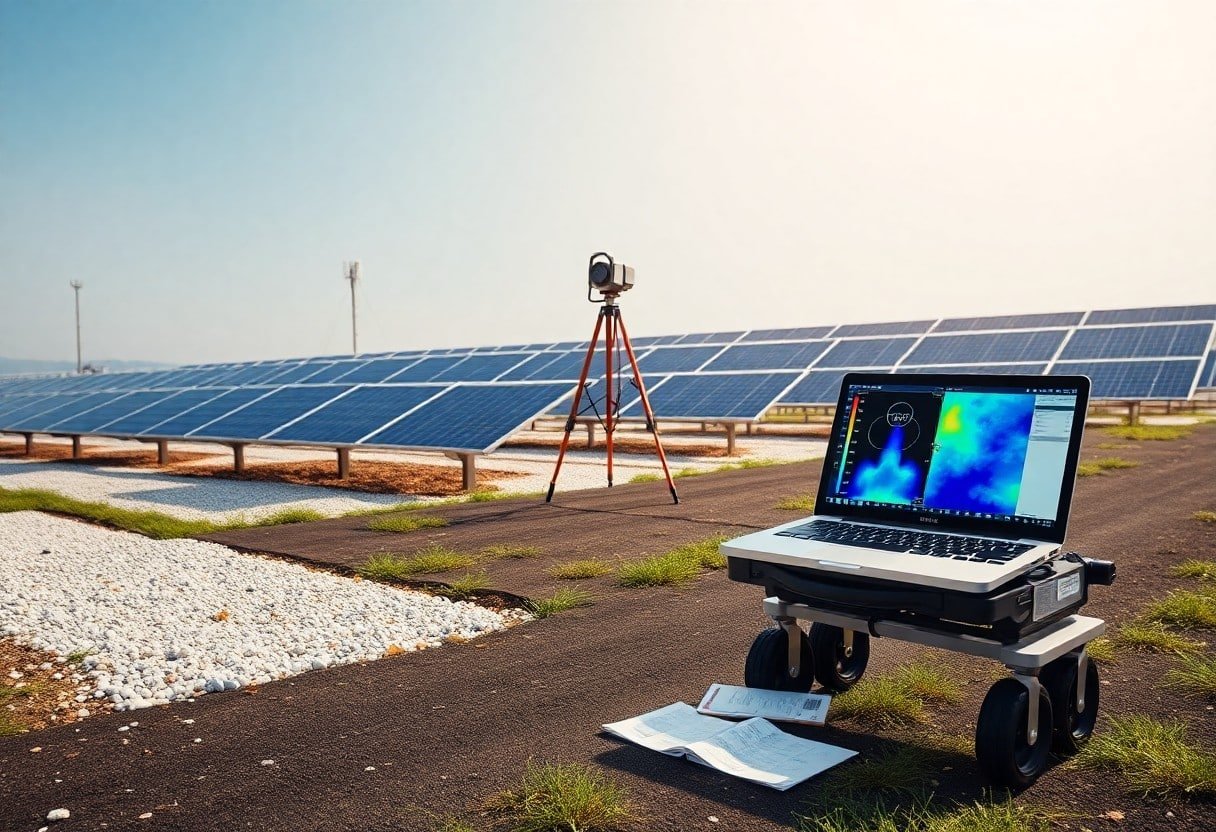
Performance Modeling and Economic Implications
Models that integrate albedo and microclimate cooling help you predict output and financials; see How Does the Concept of ‘Albedo’ Relate to the Efficiency … for deeper context.
Predictive Analytics for Albedo-Enhanced Systems
Predictive analytics lets you quantify how surface reflectance and local cooling shift hourly yield, optimize tilt and spacing, and reduce uncertainty in production forecasts.
Levelized Cost of Energy (LCOE) and ROI Optimization
Calculating LCOE with albedo and microclimate inputs reveals lower generation losses, shorter payback periods, and improved ROI metrics for investors and developers.
You should incorporate albedo-driven irradiance gains, temperature-dependent efficiency curves, and adjusted soiling and maintenance schedules into LCOE models; run sensitivity scenarios on module price, financing rates, degradation, and incentive structures to identify cost-effective designs. Including microclimate cooling metrics often raises capacity factor estimates, changes optimal layout decisions, and strengthens cash-flow projections used in due diligence and financing discussions.
Summing up
Presently you can boost solar output by siting panels where higher albedo reflects more light and by encouraging microclimate cooling through shading, ventilation, or vegetation; cooler modules run more efficiently, increasing energy yield, reducing degradation, and extending system lifespan.