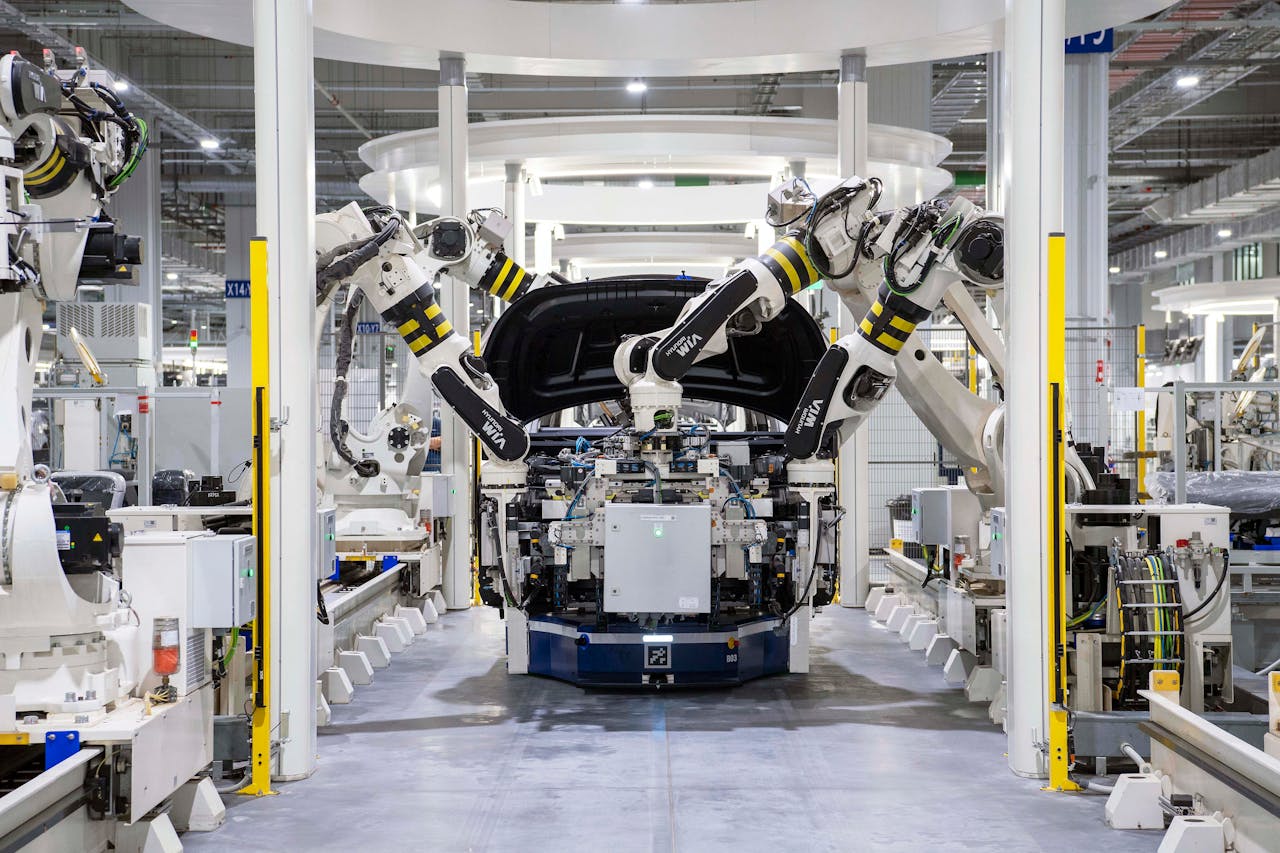

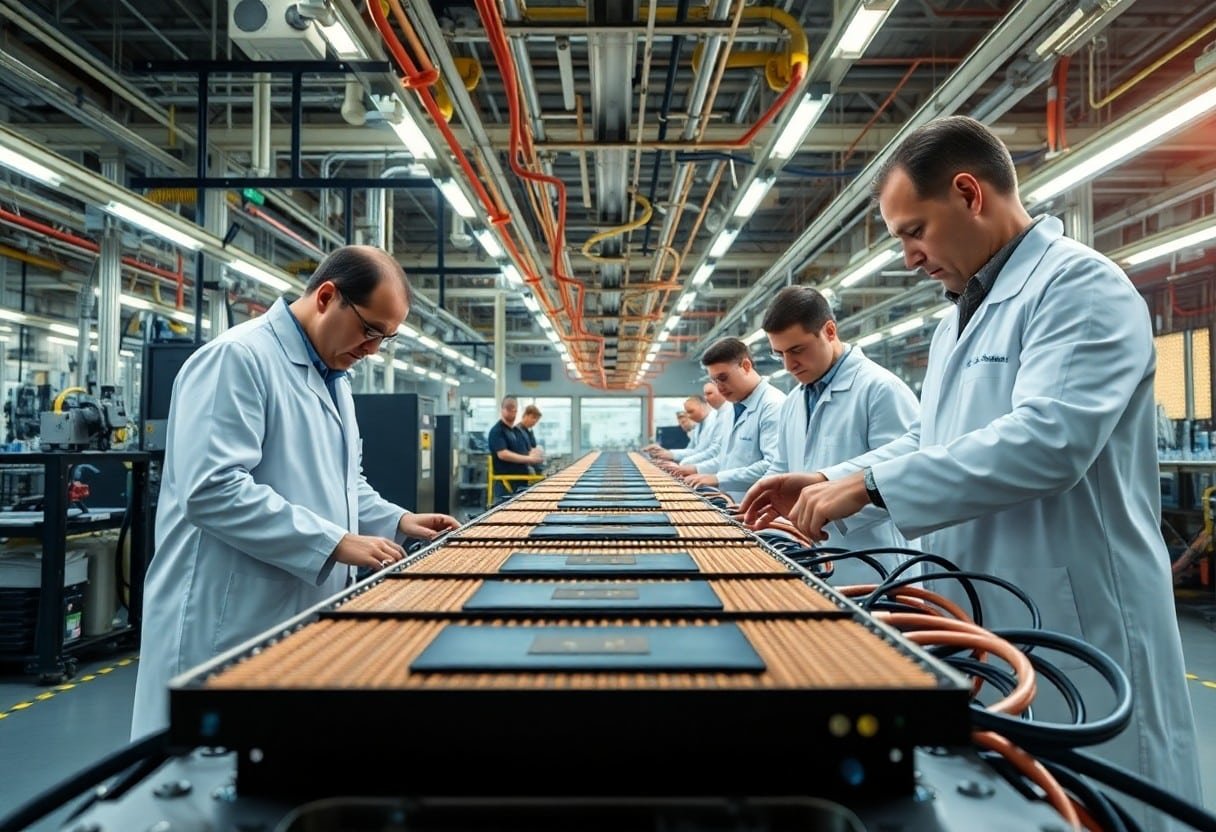
You may be surprised to learn that GPUs like NVIDIA’s are not just transforming gaming and visual computing; they are also sparking a new industrial revolution driven by raw materials used in technology. As the demand for advanced computing power rises, so does the need for innovative materials that fuel this digital shift. In this blog post, we’ll explore how these powerful processors are influencing industries, impacting resource extraction, and reshaping the landscape of modern technology.
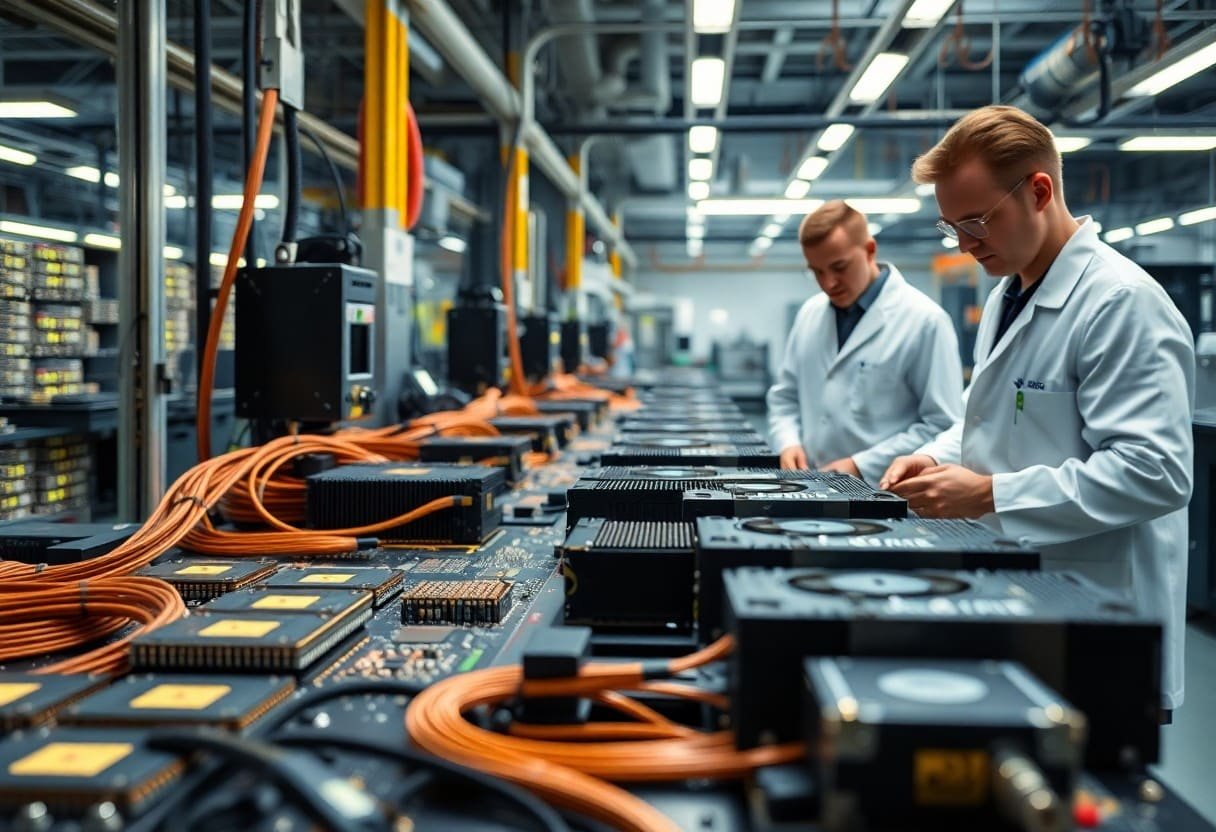
Key Takeaways:
- GPUs are integral to advancing AI and machine learning, significantly influencing productivity across industries.
- The demand for raw materials, such as copper and silicon, required for GPU production is reshaping supply chains and market dynamics.
- Investment in GPU technology is driving innovations in various sectors, including healthcare, finance, and manufacturing.

Understanding GPUs and Their Role
What are GPUs?
Graphics Processing Units (GPUs) are specialized hardware designed to accelerate rendering images and performing complex calculations. Unlike traditional CPUs, which handle general-purpose tasks, GPUs excel in parallel processing, making them vital in fields like gaming, artificial intelligence, and scientific simulations.
The Rise of NVIDIA and Similar Companies
NVIDIA has emerged as a leader in GPU technology, demonstrating remarkable growth over the past two decades. This company’s innovations have not only enabled advancements in graphics for gaming but have also spearheaded developments in AI, data analytics, and autonomous systems, positioning them at the forefront of the tech industry.
NVIDIA’s dominance can be attributed to its early investment in parallel computing architectures and AI-specific GPUs. With groundbreaking products like the GeForce series for gaming and the Tesla series for machine learning, NVIDIA has continuously expanded its market. By creating platforms such as CUDA, they opened avenues for developers to harness GPU power effectively, resulting in widespread adoption across various industries, enhancing capabilities in image processing, deep learning, and even cryptocurrency mining. This strategic focus on versatility has made NVIDIA synonymous with innovation in GPUs and paved the way for similar companies to follow suit.
The Demand for Raw Materials
The surge in GPU technology has escalated the need for raw materials, creating new economic landscapes. Industries reliant on advanced computing capabilities, such as AI and gaming, require more materials to fuel production, leading to intense competition for limited resources. As a result, securing important materials has become a top priority for manufacturers, impacting commodity markets worldwide.
Key Materials in GPU Manufacturing
In GPU manufacturing, several key materials drive production efficiency and performance. Metals like copper, aluminum, and rare earth elements such as neodymium and praseodymium are important for constructing circuit boards and magnets. Silicon, used in semiconductor chips, is indispensable, while advanced cooling solutions often require specific materials like thermal pastes and specialized alloys to ensure optimal operation.
Impact on Global Supply Chains
The increased demand for raw materials has significant implications for global supply chains, often leading to shortages and increased costs. Disruptions caused by geopolitical tensions or environmental regulations can delay production timelines and inflate prices. Companies must strategize their sourcing and logistics to navigate these complexities effectively, ensuring their operations remain competitive.
The impact on global supply chains goes beyond immediate pricing; it reshapes industry dynamics as companies scramble to secure materials. For instance, disruptions from mining in regions like Africa can reverberate through the tech industry, affecting everything from consumer electronics to automotive sectors. Manufacturers might find themselves diversifying their supplier base and investing in recycling technologies to mitigate risks and reduce dependency on volatile sources. This proactive approach not only helps stabilize production but can also lead to innovation and sustainable practices within the industry.
Technological Advancements and Industry Impact
Your understanding of technology is about to evolve as GPUs revolutionize multiple industries. With exceptional parallel processing capabilities, these powerful chips enable innovations that were once unimaginable, enhancing efficiency and creativity in tasks ranging from complex simulations to real-time data analysis. The impact is felt across sectors, paving the way for breakthroughs that redefine operational standards.
Innovations Powered by GPUs
You can observe how GPUs unlock advanced capabilities in various applications, such as deep learning, where they handle massive datasets with ease. This technology accelerates research in fields like healthcare, enabling faster drug discovery and personalized treatment plans. Moreover, in graphics rendering, GPUs enhance virtual and augmented reality experiences, making them more immersive and interactive.
Sectors Transforming Due to GPU Technology
The rise of GPU technology has a pronounced impact on sectors such as automotive, healthcare, and finance. By implementing GPUs, these industries can process vast amounts of information quickly, allowing for real-time analytics and smarter decision-making. In automotive, for instance, GPUs are integral in developing autonomous driving systems that require complex computations for safety and navigation. In healthcare, they support advanced imaging techniques that improve diagnostics. Meanwhile, finance leverages GPUs to analyze market trends and manage risk more effectively, demonstrating how this technology is reshaping industries.
Environmental Considerations
As the demand for GPUs surges, environmental implications must be addressed. Resource extraction, energy consumption, and waste management all raise important questions about sustainability. Balancing technological advancement with ecological responsibility is key to ensuring that innovation doesn’t come at the cost of our planet.
Sustainability of Raw Material Sourcing
Your access to imperative raw materials, such as lithium and cobalt for GPUs, often involves significant environmental impact. Sustainable sourcing practices, including responsible mining and partnerships with ethical suppliers, can mitigate these effects. As consumers demand greener technologies, companies are increasingly pressured to adopt more sustainable methods to secure raw materials while minimizing environmental harm.
Recycling and the Circular Economy
Recycling GPU components is integral to reducing waste and promoting sustainability. By repurposing materials, you not only lessen the need for new raw materials but also reduce energy consumption and pollution associated with mining. Engaging in the circular economy enables a more responsible approach to GPU lifecycle management, ensuring that valuable resources are reused effectively.
The concept of the circular economy prioritizes designing products for longevity and recyclability. In the GPU industry, manufacturers are exploring innovative methods to reclaim materials like aluminum and rare earth elements from outdated devices. For example, NVIDIA has launched initiatives to recover precious metals from e-waste to create new components, showing a commitment to reducing environmental footprint while still meeting demand. This proactive direction enhances sustainability and encourages you to consider how your tech usage impacts the planet, fostering a culture of responsible consumption and innovation.
Potential Future Trends
The trajectory of GPU technology suggests an impending evolution driven by demands for sustainability and efficiency. As industries push for greener solutions, innovations aimed at optimizing resource use and reducing energy consumption will dominate. The focus on Rethinking Tech and Why GPUs Are Not the Future of AI will foster exploration into alternative architectures that might better serve the future landscape. Staying ahead of these trends will position you at the forefront of this industrial transformation.
Forecasting the Next Steps in GPU Development
Future developments in GPU technology are likely to emphasize heterogeneous computing and integration with AI-driven systems. The growth in demand for real-time data processing will necessitate advancements in edge computing. You should prepare for GPUs that embrace both versatility and efficiency, paving the way for breakthroughs in areas such as autonomous systems and virtual environments.
Industry Opportunities and Challenges
While opportunities abound in leveraging GPUs for advanced applications, several challenges emerge that could hinder progress. The high cost of cutting-edge technology might limit access for smaller companies, creating a barrier to entry in data-heavy industries. Additionally, the rapid pace of innovation may lead to obsolescence of current GPU models, prompting businesses to constantly adapt to new standards and practices.
As you navigate the landscape of GPU innovations, the balance between opportunity and challenge becomes evident. For example, industries like automotive and healthcare stand to benefit immensely from GPU-attributed AI advancements, yet the high development costs and complexity of integration can deter smaller players. Adopting cooperative models or partnerships can ease resource burdens, enabling broader participation in this technological shift. Your ability to harness collaborative strategies could differentiate your venture in an increasingly competitive arena.
Final Words
On the whole, you can see how GPUs like NVIDIA’s are powering a new industrial revolution by transforming the landscape of technology through enhanced computing capabilities and access to raw materials. This advancement not only drives efficiency but also opens up exciting opportunities for innovation across various sectors. Embracing these changes can place you at the forefront of the next wave of industrial evolution, making it vital to stay informed and engaged with these technological shifts.