
Over recent years, you have likely witnessed the surge in electric vehicle (EV) adoption, which has led to a significant increase in battery demand. However, this rapid growth is challenged by supply chain disruptions that threaten to hinder the industry’s progress. Understanding the complexities of these disruptions and the strategies the EV sector is employing can provide valuable insights into whether it can meet your expectations for sustainability and performance. In this post, we explore these challenges and the solutions on the horizon.
Key Takeaways:
- Strategic partnerships with suppliers are crucial for mitigating risks in battery material sourcing.
- Investment in local production and recycling initiatives can enhance supply chain resilience.
- Technological advancements in battery chemistry may help increase efficiency and reduce reliance on scarce materials.
Current State of the EV Market
The EV market is experiencing unprecedented growth, driven by increasing consumer interest and regulatory support. In 2022 alone, global electric vehicle sales soared to 10 million units, reflecting a 55% increase from the previous year. As governments around the world set ambitious targets for phasing out internal combustion engines, manufacturers are ramping up production to meet these goals, positioning themselves to capture significant market share. However, pressing supply chain challenges continue to surface, impacting the pace of this transition.
Rising Battery Demand
Battery demand is skyrocketing, with projections estimating a need for over 300 GWh of capacity by 2025. This surge is primarily fueled by the acceleration of electric vehicle adoption, as automakers push towards electrification in response to consumer preference and regulatory mandates. The demand isn’t just confined to EVs; applications in energy storage and consumer electronics further compound this urgency. Consequently, securing access to necessary battery materials like lithium, cobalt, and nickel has never been more critical.
Impact on EV Sales
Supply chain disruptions are starting to strain EV sales figures, particularly in markets where production is heavily reliant on imported materials. For instance, if automakers cannot secure enough battery components, they may face delays in vehicle deliveries, creating a backlog that limits sales capabilities. Various manufacturers have reported fluctuating production rates, which ultimately affects overall growth potential in a rapidly expanding market.
As the EV industry grapples with disruptions, automakers like Tesla and Ford have acknowledged slower-than-expected production timelines due to battery shortages. In some cases, this has resulted in extended wait times for consumers, which can dampen demand. Additionally, companies are facing increased costs for raw materials that can further impact pricing and availability. To remain competitive, manufacturers must not only focus on strategic sourcing but also explore innovative solutions, such as developing alternative battery chemistries and increasing local production of key components to mitigate these effects.
Supply Chain Challenges
As the demand for electric vehicle (EV) batteries surges, the EV industry faces significant supply chain challenges that threaten production timelines and growth. The complexities of sourcing materials, manufacturing processes, and logistical hurdles create a precarious environment for manufacturers striving to meet market needs. For an in-depth understanding of these complexities, you can refer to The EV Battery Supply Chain Explained.
Raw Material Shortages
Your pursuit of expanding EV production is hindered by shortages of necessary raw materials like lithium, cobalt, and nickel. These materials are critical for battery performance, yet supply constraints and geopolitical factors significantly affect their availability. The rush towards green technology has intensified competition, driving up prices and complicating procurement strategies for manufacturers.
Manufacturing Bottlenecks
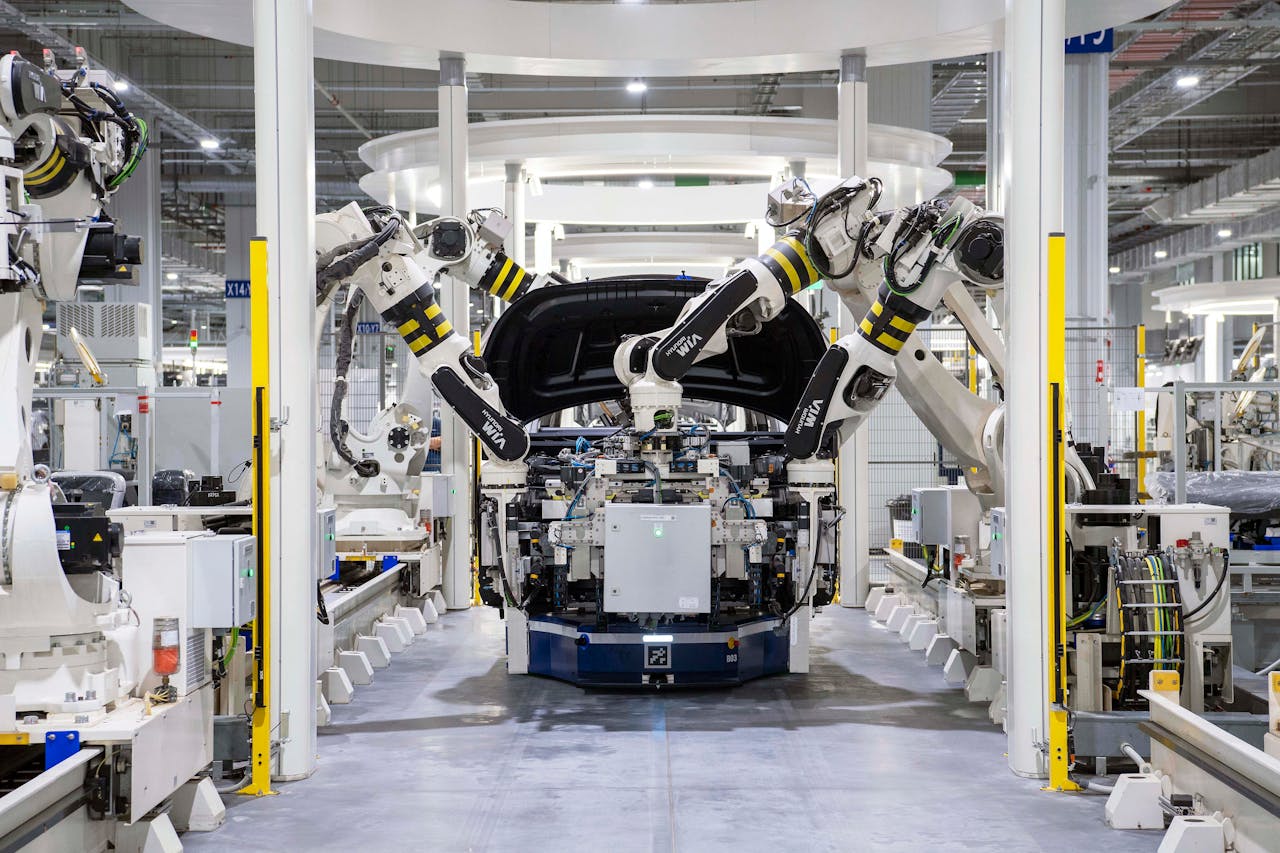
Manufacturing bottlenecks in battery production arise from outdated facilities and workforce shortages. Many production lines are still catching up to meet advanced battery technology demand. You might encounter delays caused by insufficient equipment or low skilled labor necessary for high-quality production. These bottlenecks not only slow down output but also increase production costs, impacting the overall market dynamics.
To illustrate, Tesla’s Gigafactory faced operational delays due to challenges integrating new manufacturing technologies while trying to scale output. The company needs to adapt quickly to enhance efficiency, which many manufacturers are struggling to achieve. Ultimately, overcoming these bottlenecks requires substantial investment in infrastructure and employee training to ensure that production keeps pace with rising demand. As a result, strategic partnerships and innovation in manufacturing processes will be necessary to resolve these issues effectively.
Solutions for Supply Chain Resilience
Addressing the vulnerabilities in your supply chain is vital for the EV industry to meet increasing battery demand. By implementing strategic solutions that enhance resilience, companies can mitigate risks effectively. These solutions include diversifying suppliers, embracing technological innovations, and optimizing production processes, which collectively can fortify your supply chain against disruptions.
Diversifying Suppliers
You’ll find that diversifying suppliers across various regions and sectors can significantly reduce dependency on any single source. When you engage multiple suppliers, you can avoid delays caused by geopolitical issues or natural disasters, ensuring a consistent flow of critical materials needed for battery production.
Technological Innovations
Embracing technological innovations plays a vital role in enhancing supply chain efficiency. You can leverage data analytics, AI, and IoT to predict potential disruptions, optimize inventory levels, and improve logistics management.
For instance, companies like Tesla have adopted advanced analytics to monitor their supply chain in real-time, adjusting orders and shipments dynamically based on demand fluctuations. Utilizing blockchain technology also ensures transparency and traceability, enabling you to verify the authenticity of materials while minimizing fraud risk. By integrating these innovations, your supply chain becomes more agile and responsive, ready to tackle any disruptions that may arise.

The Role of Government Policies
Your success in the EV sector largely depends on how government policies shape industry standards and support innovation. Policies fostering sustainable practices and funding electric vehicle infrastructure can mitigate supply chain disruptions significantly. For insights into navigating complexities, refer to How EV manufacturers can navigate supply chain complexity.
Incentives for Domestic Production
Incentives aimed at boosting domestic production of EV batteries can help alleviate supply chain bottlenecks. By offering tax breaks and grants to local manufacturers, you can create a more resilient supply chain while reducing dependency on foreign sources.
Regulations on Material Sourcing
Government regulations on material sourcing play a significant role in shaping the EV supply chain landscape. You face strict guidelines regarding the ethical sourcing of materials like lithium, cobalt, and nickel, which not only promotes sustainability but also influences your operational strategies.
Compliance with these regulations can drive investments in advanced technologies and sustainable practices within your supply chain. For instance, the EU’s Battery Regulation mandates that by 2024, a percentage of lithium and cobalt used in batteries must originate from recycled sources. This push for ethical sourcing encourages you to establish secure, local supply routes, thereby reducing exposure to geopolitical tensions and fluctuating global markets.
Future Outlook for the EV Industry
The future of the EV industry hinges on its ability to adapt to rising battery demand while navigating supply chain disruptions. As you observe emerging trends, innovative practices, and evolving technologies, it becomes evident that collaboration among manufacturers, suppliers, and policymakers will be integral. Addressing key issues in electric vehicle battery supply chains based on recent studies can bolster resilience and foster sustainable growth.
Market Predictions
Forecasts indicate that the global EV market will continue to expand, with battery demand projected to triple by 2030. This increasing demand is driven by heightened consumer awareness, advancements in battery technology, and supportive regulatory frameworks. Major automakers are likely to accelerate electrification strategies to capture significant market share, enhancing competition.
Potential Risks
Several risks loom over the EV industry’s growth trajectory, primarily stemming from geopolitical tensions, resource scarcity, and fluctuating consumer demand. Disruptions in critical mineral supplies, particularly lithium and cobalt, could jeopardize production timelines. Furthermore, economic volatility may impact consumer purchasing power, challenging manufacturers to balance pricing while maintaining profitability.
In-depth analysis reveals that geopolitical issues can disrupt sourcing, particularly as nations vie for control over strategic battery components. Resource dependency poses another threat, as countries rich in vital minerals might face extraction challenges or trade barriers. If you consider the implications of these factors, it is clear that the EV industry must develop adaptive strategies to mitigate risks while ensuring that battery production can keep pace with growing demand.
To wrap up
Drawing together the insights discussed, you understand that the EV industry faces significant challenges in overcoming supply chain disruptions to meet the soaring battery demand. Your awareness of emerging technologies, strategic partnerships, and innovative practices will be crucial as manufacturers strive to enhance production resilience. By staying informed and adaptable, you can better appreciate how these efforts may shape the future of electric vehicle adoption and sustainability in your own transportation choices.