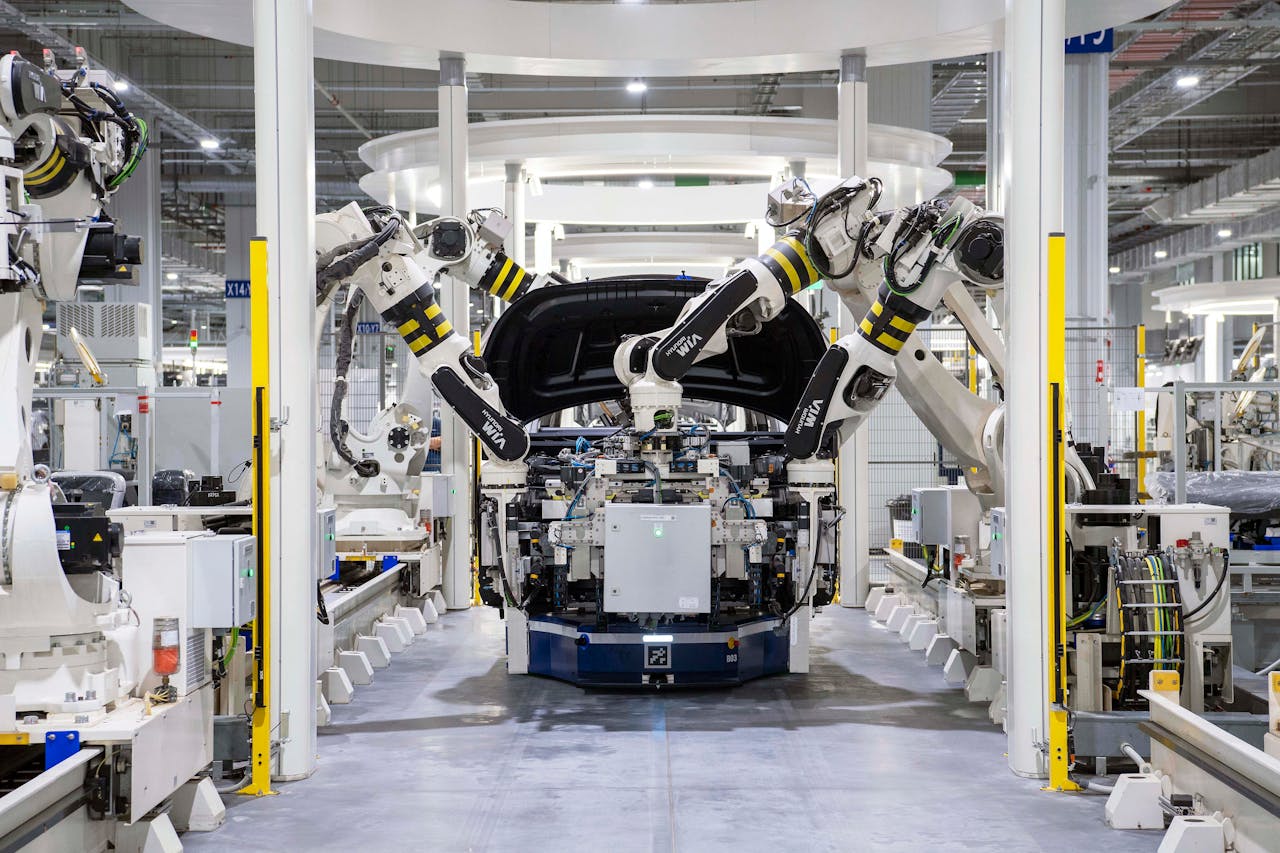

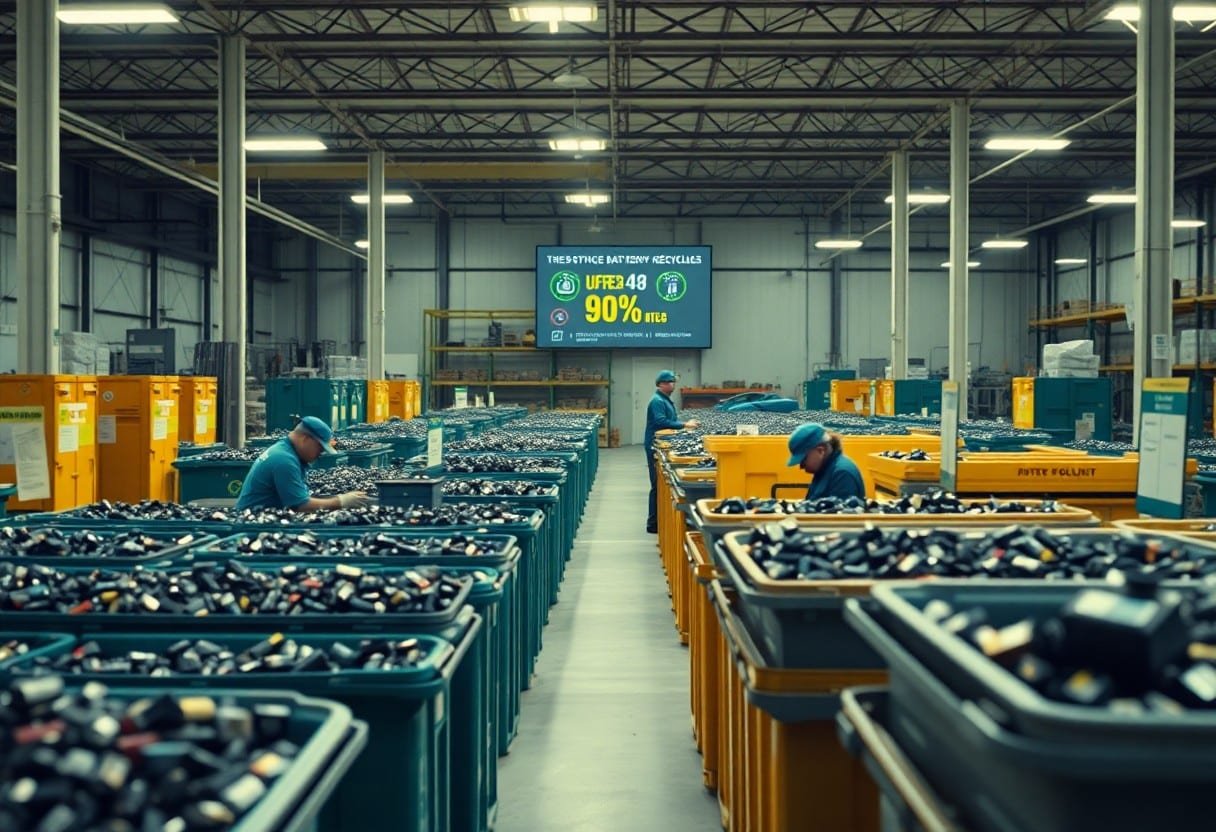
Recycling electric vehicle batteries and adopting circular production methods can significantly impact market stability. As you explore this emerging facet of the industry, you’ll discover how these practices not only reduce environmental waste but also enhance resource availability for battery manufacturing. By embracing innovative strategies, you can contribute to the sustainability of the electric vehicle ecosystem, ultimately leading to more reliable market dynamics and lower costs for consumers. Understanding these principles is necessary for navigating the future of electric vehicle battery production.
Key Takeaways:
- Recycling initiatives can recover valuable materials from used batteries, reducing dependency on raw material extraction.
- Circular production models enhance sustainability by reusing materials and minimizing waste in the battery supply chain.
- Implementing recycling and circular economy practices may lead to more stable pricing and supply of battery materials in the market.
The Current State of the Electric Vehicle Battery Market
The electric vehicle (EV) battery market today is marked by rapid growth, driven by increased consumer demand for sustainable transportation options and advancements in battery technology. Global sales of EVs surged to over 10 million units in 2022, with lithium-ion batteries remaining the primary choice due to their higher energy density. However, manufacturers face challenges, such as supply shortages of key materials like lithium and cobalt, which can disrupt production cycles and lead to price volatility.
Growth Trends and Challenges
As you observe the market, it’s clear that demand for EV batteries continues to escalate, with projections estimating a compound annual growth rate of over 20% through 2030. This growth, however, is tempered by challenges such as rising raw material costs, geopolitical tensions affecting supply chains, and the need for skilled labor. Companies are investing heavily in research and development to enhance battery efficiency and reduce reliance on scarce materials.
Environmental Impact of Battery Production
The environmental ramifications of battery production are significant, often overshadowing the benefits of electric vehicles. Mining and processing minerals like lithium, cobalt, and nickel can lead to habitat destruction, water pollution, and excessive carbon emissions. Despite these issues, sustainable practices such as responsible sourcing and improved recycling processes are emerging to mitigate negative impacts throughout the battery lifecycle.
The extraction and processing of battery raw materials can be destructive, particularly in regions where regulation is lax. For instance, studies indicate that lithium mining can consume over 2 million liters of water per ton extracted, severely impacting local ecosystems. Moreover, the process releases substantial greenhouse gases, contributing to climate change. As pressure mounts to adopt greener practices, initiatives like closed-loop recycling, which reuses materials and minimizes waste, are becoming paramount in addressing these environmental challenges while striving for a sustainable EV future.
The Role of Recycling in Battery Sustainability
Implementing effective recycling strategies is vital for enhancing battery sustainability. As you explore this transition, you’ll find that recycling minimizes environmental impact while ensuring that vital materials are reused, contributing to a closed-loop system. By investing in recycling technologies, you can help decrease the demand for virgin materials and support a more sustainable battery life cycle.
Recycling Processes and Technologies
Your understanding of recycling processes and technologies can significantly impact the effectiveness of battery sustainability initiatives. Techniques like hydrometallurgy and pyrometallurgy are increasingly employed to recover lithium, cobalt, and nickel from spent batteries. Innovations in direct recycling methods aim to retain the battery’s structural integrity, ensuring higher efficiency in material recovery and reducing energy consumption in the process.
Economic Benefits of Battery Recycling
Engaging in battery recycling offers numerous economic advantages that can reshape the market. By recovering valuable materials from used batteries, you can reduce raw material costs for manufacturers and create a more predictable supply chain. Additionally, recycling facilities can generate jobs, fostering local economies while promoting sustainability.
The economic benefits of battery recycling extend beyond immediate savings on raw materials. For instance, in 2022, the global battery recycling market was valued at approximately $15 billion and is projected to grow significantly as demand for EVs increases. By participating in recycling initiatives, companies can mitigate the volatility of raw material prices, stabilize their supply chains, and ultimately enhance profitability. As initiatives strengthen, the potential for job creation in recycling sectors also improves, leading to sustainable economic growth while addressing environmental challenges.
Circular Production Models for Battery Manufacturing
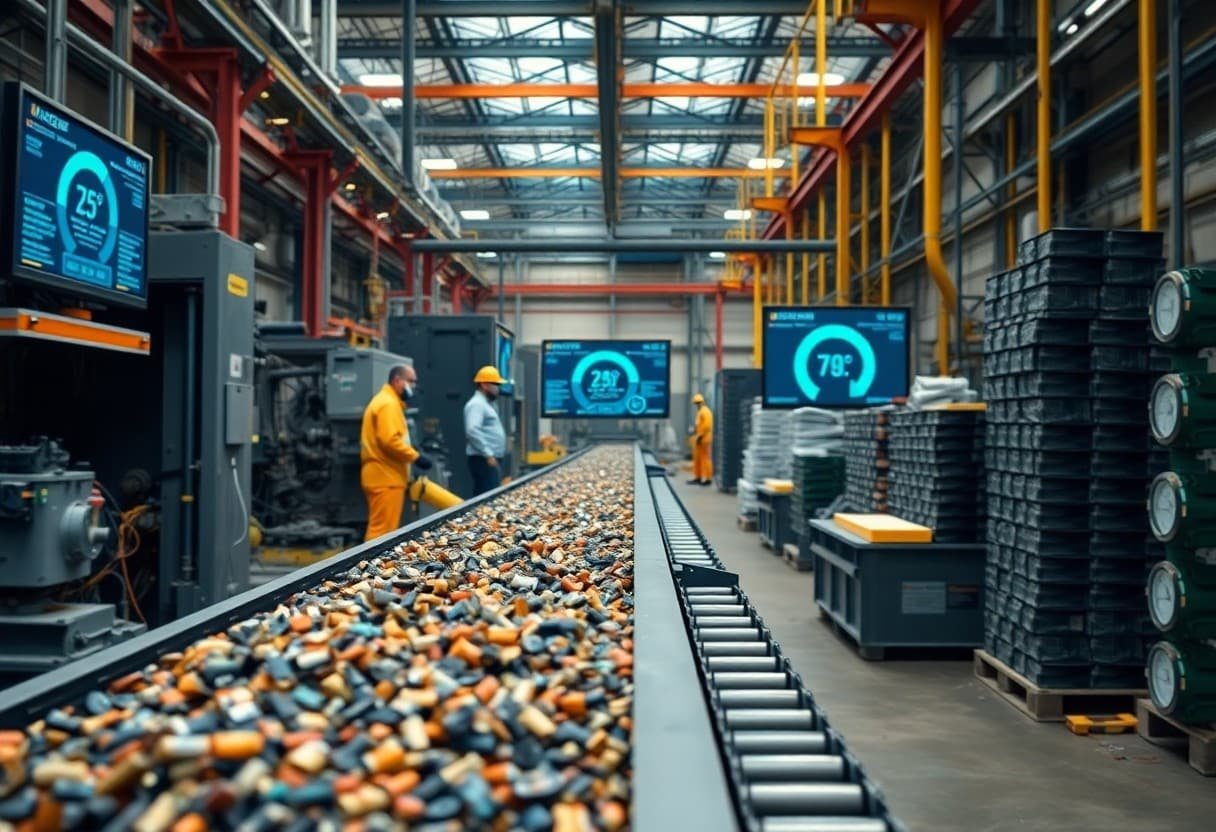
Circular production models in battery manufacturing emphasize reusing materials and minimizing waste, aiming for a sustainable ecosystem. By integrating recycling within the production process, companies can decrease the reliance on raw materials and significantly reduce their environmental impact. This strategy aligns with the global shift toward sustainability, ensuring that resources are continually cycled through use instead of being discarded. For insights on the importance of this approach, explore Why battery recycling is important for the electric vehicle ….
Definition and Key Principles
Circular production models focus on designing battery systems that facilitate easy disassembly and material recovery. Key principles include prioritizing renewable resources, reducing energy consumption during production, and establishing closed-loop systems where end-of-life batteries are processed to reclaim valuable materials. This holistic approach aligns economic performance with environmental responsibility, driving innovation and sustainability in the battery sector.
Case Studies of Successful Implementation
Examining successful circular production implementations can provide valuable lessons. Notable companies have demonstrated effective strategies through innovative practices and collaborative efforts.
- Tesla’s Gigafactory aims for a 100% recycling rate in its battery cells, reducing costs by approximately 30% by reclaiming nickel and lithium.
- BMW’s battery recycling process recycles over 70% of materials, saving over $5 million annually on raw material costs.
- Li-Cycle recovered over 95% of lithium and nickel from spent batteries in 2022, providing cost-effective solutions for EV manufacturers.
- Umicore invested €1 billion in facilities to process over 200,000 tons of used batteries annually, significantly reducing material sourcing costs.
These case studies highlight how circular production models not only enhance sustainability but also improve economic efficiency. For instance, Tesla’s approach exemplifies a commitment to both innovation and resource management, while BMW’s substantial savings reflect the financial viability of such practices. Li-Cycle’s impressive recovery rates serve as a benchmark for the industry, showcasing the potential benefits of adopting circular production paradigms. Together, these examples demonstrate that integrating sustainability into battery manufacturing can yield significant returns, both environmentally and financially.
Challenges in Implementing Recycling and Circular Production
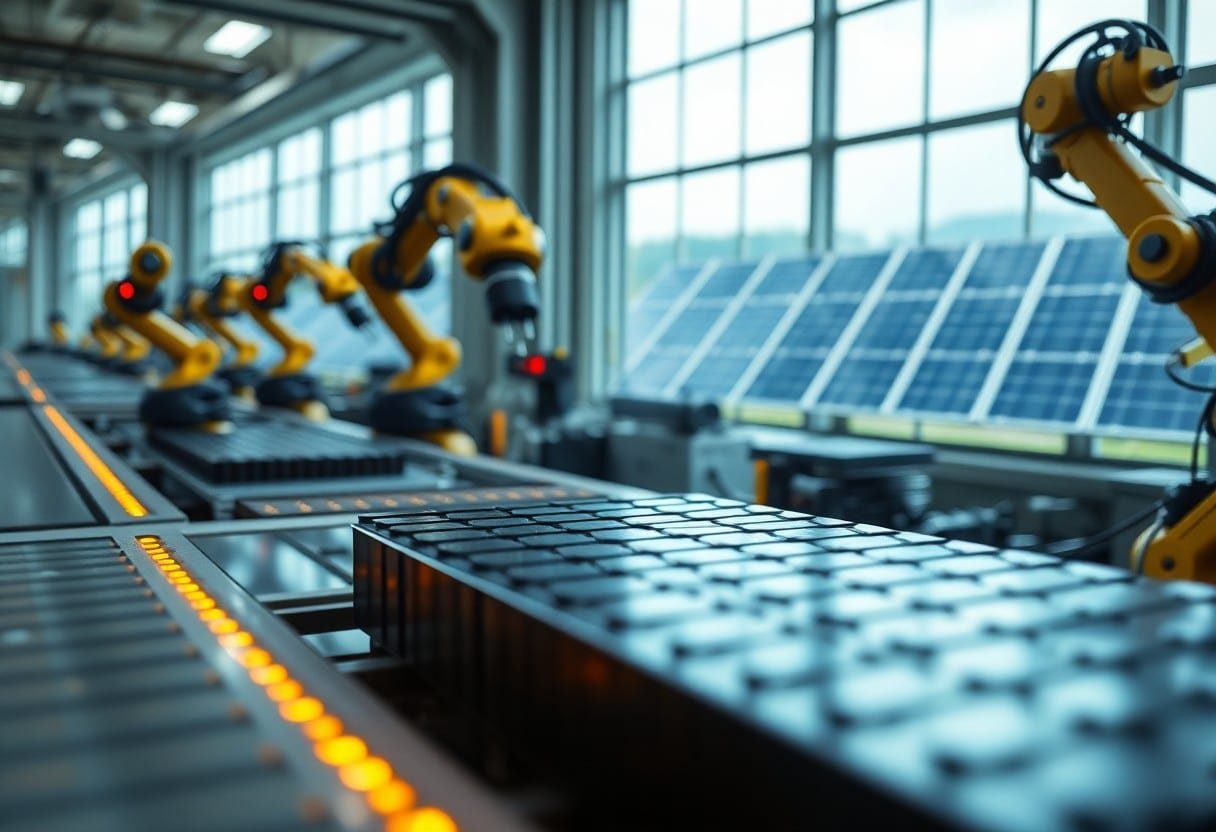
While recycling and circular production offer promising solutions for stabilizing the electric vehicle battery market, several challenges complicate their implementation. Factors such as regulatory frameworks, technological barriers, and market perceptions can deter investment and slow progress. As highlighted in the Global EV Battery Recycling Market Predicted to Reach …, addressing these hurdles is vital for the industry’s sustainable growth.
Regulatory and Policy Barriers
You may face significant regulatory barriers that complicate the recycling process. Inconsistent policies across regions can create uncertainty for manufacturers and recyclers alike. Your organization might struggle to navigate differing regulations on battery disposal and recycling protocols, limiting your capability to implement effective solutions.
Technological Hurdles and Market Acceptance
Technological barriers contribute to slow adoption rates in the recycling sector. You may find that current recycling technologies are not efficient or cost-effective compared to the extraction of new materials, deterring further investment. Additionally, market acceptance remains a concern as consumers may lack awareness or confidence in recycled materials’ performance.
To overcome technological hurdles, you should focus on potential innovations in battery recycling methods. For instance, advancements like hydrometallurgical processes can significantly improve the efficiency of extracting valuable materials from used batteries. Moreover, collaboration among stakeholders, including manufacturers, recycling firms, and policymakers, can facilitate the development of standardized processes. Engaging in educational initiatives can also boost consumer confidence in recycled products, ultimately paving the way for broader acceptance and usage of more sustainable battery solutions.
The Future of Electric Vehicle Batteries: A Circular Economy Perspective
A circular economy approach can fundamentally reshape the landscape of electric vehicle (EV) batteries. By focusing on recycling and reusing materials, you can contribute to a sustainable supply chain that mitigates resource scarcity and reduces environmental impact. Implementing effective recycling strategies will not only lower production costs but also enhance vehicle longevity. As discussed in this article, Why Battery Recycling Is Key to a Resilient EV Supply Chain outlines important components of this transformative strategy.
Predictions and Market Evolution
You can expect the electric vehicle battery market to undergo significant changes in the coming years, driven by advancements in recycling technologies and growing regulatory pressure. Analysts predict a rapid increase in battery reuse and second-life applications, helping to stabilize supply chains while meeting rising consumer demand. As newer recycling methods gain traction, overall production efficiency will greatly improve, lowering costs and enhancing sustainability.
Stakeholder Roles and Responsibilities
Your role, as part of the ecosystem, is pivotal. Manufacturers are tasked with designing batteries for easier disassembly, while recyclers must develop effective processes to reclaim valuable materials. Policymakers need to establish regulations that incentivize recycling, and consumers play a crucial part by supporting and choosing products that prioritize sustainability.
As a stakeholder in the EV battery market, you have the opportunity to actively shape its future. Manufacturers should innovate in battery design, considering ease of recycling from the outset. Recyclers must invest in advanced technologies that can efficiently process worn-out batteries. Policymakers should implement frameworks that encourage investment in recycling infrastructure and mitigate environmental impact. Engaging end-users through education on the importance of recycling can further drive demand for sustainable practices. These collaborative efforts can push the industry toward a truly circular economy.
Final Words
Ultimately, embracing recycling and circular production can significantly enhance the stability of the electric vehicle battery market. By prioritizing sustainable practices, you can contribute to reducing raw material dependency and minimizing environmental impact. Understanding the interconnection between recycling efforts and production processes will empower you to make informed decisions that favor long-term sustainability in the industry. Your commitment to these practices not only supports technological advancements but also plays a vital role in shaping a more resilient and eco-friendly future for electric vehicles.