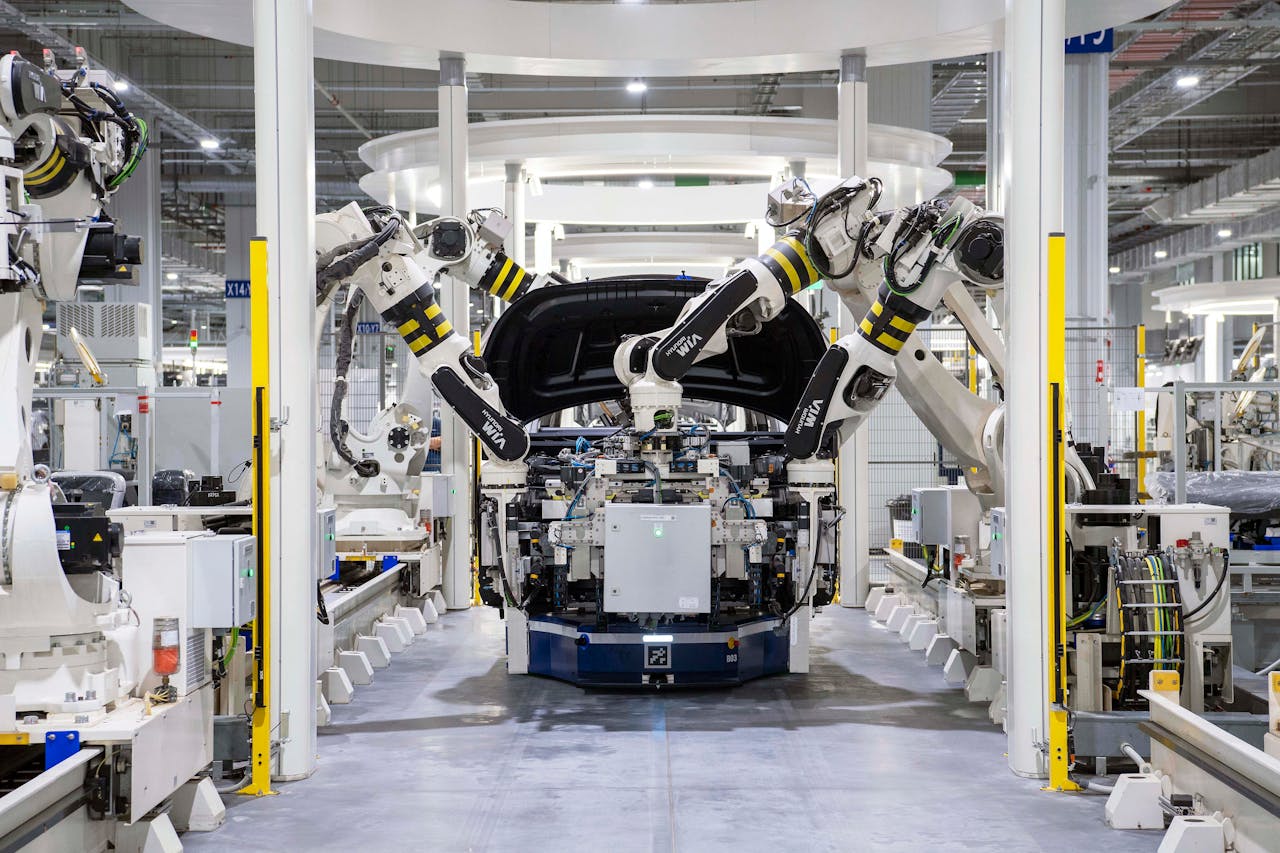

Real-Time packaging data transforms how you design, manufacture, and distribute products by delivering instant visibility into material usage, machine performance, and supply-chain bottlenecks. By integrating sensors, analytics, and cloud platforms, you can reduce waste, accelerate product launches, maintain compliance, and personalize packaging at scale, giving your operation measurable efficiency gains and a competitive edge in a market driven by speed and sustainability.
Key Takeaways:
- Real-time data delivers end-to-end visibility across the supply chain, enabling demand-driven inventory optimization, faster decision-making, and lower carrying and stockout costs.
- Continuous sensor and production data power automated quality control and predictive maintenance, reducing defects, recalls, and unplanned downtime while extending equipment life.
- Analytics enable sustainable and personalized packaging strategies-optimizing material use, supporting recyclability/traceability for compliance, and enabling targeted consumer experiences.
The Rise of Real-Time Packaging Data
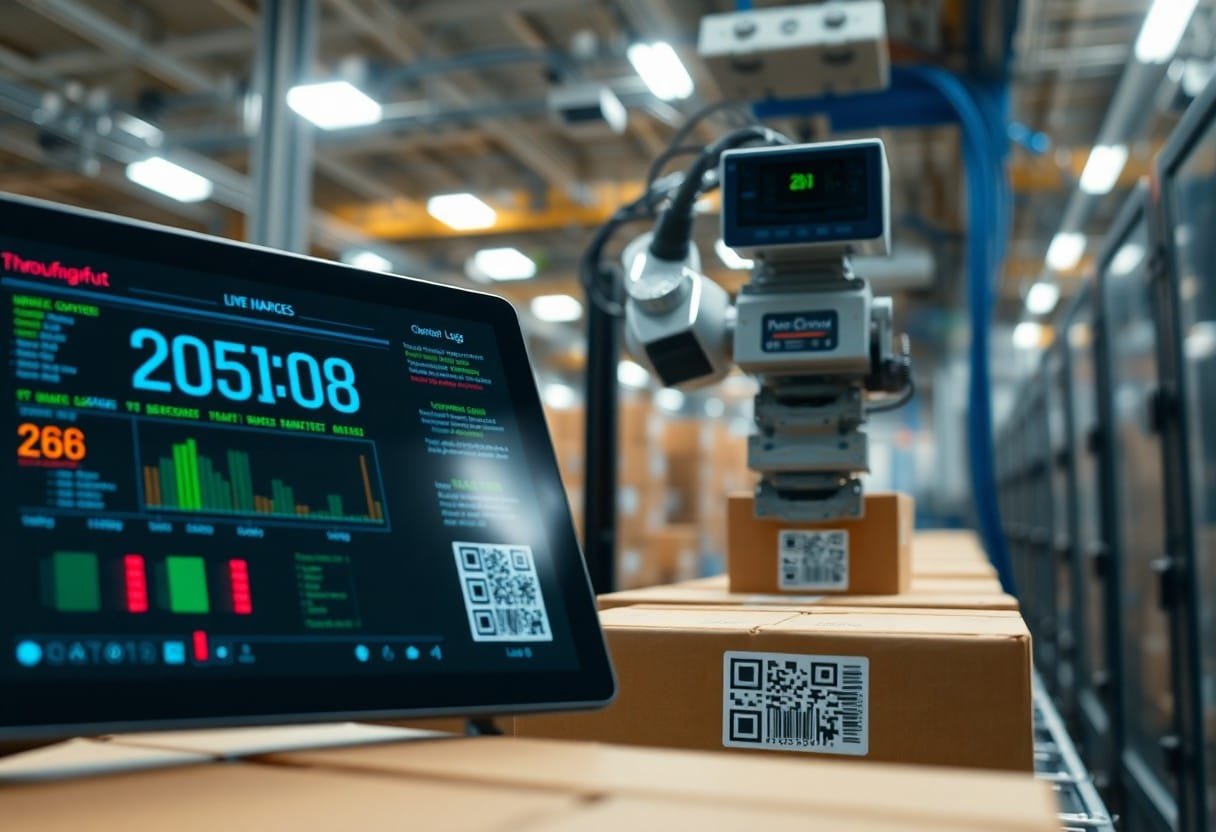
You’re now moving past pilots as packaging lines become instrumented end-to-end: unit-level RFID, temperature probes and vision systems stream thousands of events per minute, and that telemetry turns into operational leverage. Regulatory audits and consumer demand for provenance force shorter response windows, so you’re seeing downtime drop 20-40% and traceability windows compress from days to minutes as real-time data replaces batch reports.
Enabling technologies: IoT, sensors and edge computing
You deploy a mix of RFID/NFC, BLE, vision, temperature and accelerometer sensors at unit, case and pallet levels; commodity sensors range from $2-$50, while industrial-grade modules add connectivity and ruggedization. Edge nodes preprocess data-filtering, aggregating and running ML-based anomaly detection-to cut upstream bandwidth by 50-90% and deliver sub-second alerts that let your operators stop a defect before it multiplies.
Data platforms: cloud, streaming and analytics
You rely on cloud storage, streaming layers like Apache Kafka and real-time analytics to handle throughput measured in millions of messages per second and petabytes of historical data. Stream processing and a lakehouse strategy let you serve real-time dashboards, ML scoring and downstream ERP/MES integrations with SLAs in the sub-minute range while keeping cold archives for audits and compliance.
In practice you design ingestion pipelines with schema enforcement (Avro/Protobuf), stream processors (Kafka Streams, Flink) for enrichment and time-series stores (Timescale, InfluxDB, or cloud-native Timestream) for fast queries. Hot/warm/cold tiers reduce costs: keep seconds-to-days data hot for monitoring, weeks in warm object storage for analytics, and long-term cold archives for compliance. Strong governance, lineage and role-based access ensure you can trace a faulty batch from sensor event to shipped pallet within hours rather than days.
Operational Impact on Manufacturing
Real-time packaging data drives measurable shop-floor gains: you can raise OEE by 5-12%, cut changeover times by 10-20%, and lower material waste by 10-15% through immediate feedback loops. Sensors and analytics let you spot bottlenecks within minutes, optimize line speed, and push consistent settings across shifts-translating sensor reads into actionable setpoints that boost throughput and reduce reject rates in weeks, not months.
Real-time monitoring, throughput and waste reduction
Streaming telemetry from flow meters, vision systems, and weight cells gives you sub-minute visibility so you can tune line speed and reject thresholds dynamically; many plants using closed-loop control report up to 30% fewer rejects and 8-12% higher throughput. Edge analytics that sample at 1 Hz or faster let you detect sleeve misalignments, fill variances, or sealing defects before entire batches are scrapped.
Predictive maintenance and quality assurance
Machine-learning models fed by vibration, temperature, and acoustic sensors enable you to predict failures weeks ahead, often reducing unplanned downtime by ~30-40% and cutting maintenance costs 15-25%. When your models flag rising bearing vibration or seal torque drift, you can schedule targeted interventions and prevent cascading quality escapes across multi-line operations.
Implementing this starts with strategic sensor placement (motors, gearboxes, seals) and a digital-twin baseline so you can correlate anomalies to failure modes. Combining edge pre-filtering with cloud ML reduces false positives; for example, a snack-packager that paired torque sensors with a digital twin reduced seal failures by half and extended MTBF by roughly 20-40% through timed part replacements and condition-based lubrication.
Supply Chain Visibility & Traceability
With real-time packaging telemetry you can see SKU-level movement across carriers and warehouses, flagging delays or temperature excursions before they escalate. That live feed ties packaging IDs to order, warehouse and carrier systems so your teams cut lead times and reduce excess buffers. For concrete pilots and metrics on operational impact, consult How Real-Time Data Impacts The Packaging Industry In 2024.
End-to-end tracking and inventory optimization
By embedding RFID, NFC or serialized barcodes on packaging you can track each unit from production to shelf, letting your WMS and TMS auto-adjust replenishment. You’ll often see safety stock requirements fall by 10-20% and stockouts decline in double digits when you replace periodic counts with continuous visibility and automated alerts tied to actual sell-through and transit lead-times.
Regulatory compliance and anti-counterfeiting
Serialization and immutable audit logs let you prove chain-of-custody for regulated goods; the EU Falsified Medicines Directive, for example, already requires unique identifiers on medicines, and you can echo that rigor across categories. Using tamper-evident labels plus cryptographic or blockchain anchors, you enable on-pack authentication that helps your customers and inspectors verify origin instantly.
Digging deeper, you can map each serialized pack to batch, COA and transport events so recalls target only affected units, shrinking recall scope from millions of units to single lots. In pharma and high-value CPG pilots, teams cut resolution time from days to hours by querying live packaging telemetry and revoking compromised identifiers, while anti-counterfeit scans at retail reduced diversion cases and returned revenue leakage to compliance levels you can measure.
Design, Customization & Sustainability
With real-time packaging data you can tune designs to actual use and waste patterns, cutting prototype cycles by up to 50% and lowering material overage; brands are pairing AI with sustainability pilots to accelerate change – see The future of packaging to be shaped by AI and sustainability for concrete examples.
Data-driven packaging design and mass customization
You can leverage POS, IoT and consumer-feedback streams to create localized SKUs and short-run variants, with digital presses making runs of 500-5,000 units economical; pilots show personalized packaging can lift engagement and sales by roughly 10-15%, and rapid A/B testing cuts time-to-market while minimizing wasted inventory.
Material optimization, recyclability and circularity
You should use real-time material-flow data and LCA updates to target lightweighting (typical goals: 5-15% per year), swap multi-layer laminates for mono-materials, and specify PCR content to improve circularity; programs like Loop and TerraCycle illustrate how reuse and takeback pilots scale when packaging is designed for recovery.
In practice you implement spectral sensors and batch tracking to sort incoming scrap, route contaminated streams to chemical recycling, and validate resin types for mechanical recycling; set measurable targets (for example, trim 10% gram-per-unit in 12 months, reach 30% PCR by year two), and use digital twins to quantify carbon and cost impacts before you finalize material choices.
New Business Models Enabled by Data
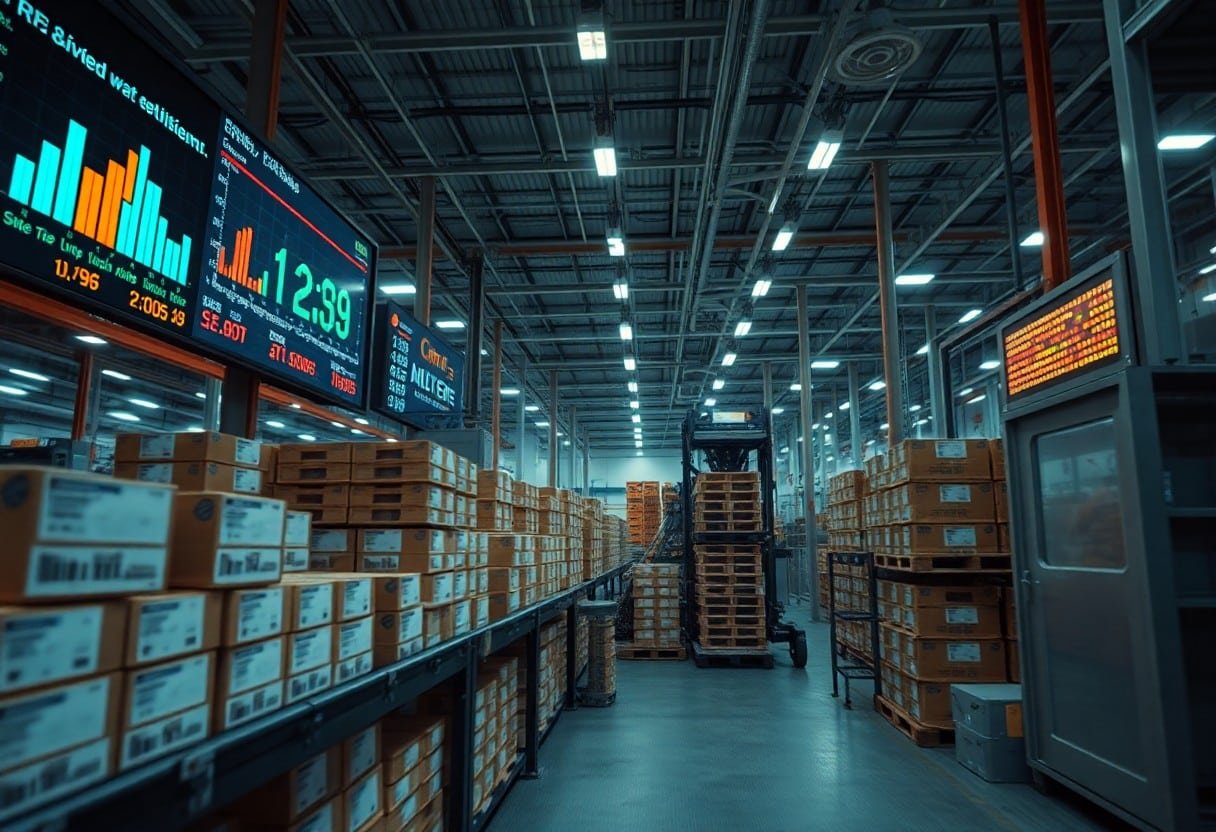
Your packaging can become a revenue engine: connected sensors, NFC and QR enable subscriptions, pay-per-use and circular reuse. Major pilots like Loop (working with Nestlé, P&G and PepsiCo) show how refillable systems convert one‑off buyers into repeat customers, while analytics let you sell anonymized consumption insights to suppliers. Explore technical drivers in Smart Packaging Technology: Application, Evolution & Future.
Service-based packaging and subscription models
You can shift to service-first offerings by embedding tracking and return logistics into packaging; Loop’s refill pilots illustrate how brands retain customers and reduce single‑use waste. By tying a smart package to an account, you automate deliveries, predict churn, and lower acquisition cost-turning packaging from a disposal item into a reusable asset that funds recurring revenue and lifecycle analytics.
Personalization, dynamic pricing and monetization of data
You’ll use package-level telemetry and QR/NFC interactions to tailor offers in real time: dynamic pricing enables location- and time-based promos, while scanned packaging feeds personalized coupons to shoppers. Retail pilots integrating electronic shelf labels and connected packs moved price updates from days to minutes, letting you react to demand and clear inventory faster.
Digging deeper, you can bundle anonymized usage streams to create new B2B products-subscription analytics for formulators, adherence reports for healthcare partners, or heatmap data for logistics planners. Companies like AdhereTech have shown how smart containers drive measurable behavior change and open licensing and analytics revenue, letting you monetize insights alongside physical goods.
Implementation Challenges & Best Practices
Data governance, security and privacy
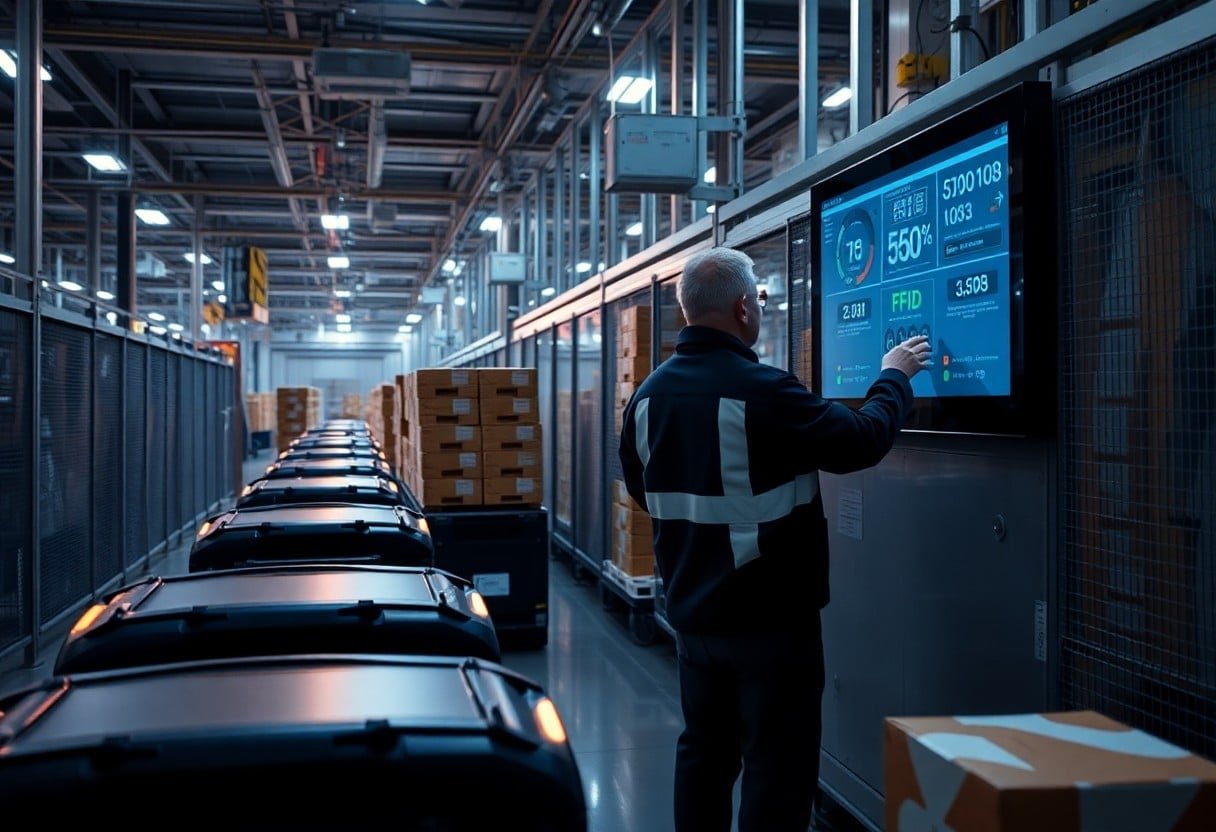
You should establish clear data ownership and policies, enforce role-based access, and encrypt data at rest (AES-256) and in transit (TLS 1.3). Implement immutable audit logs, data-lineage tooling and tokenized APIs so you can trace a SKU to its source lot; align retention and consent practices with GDPR and CCPA and pursue ISO/IEC 27001 controls. Secure edge devices with hardware root-of-trust and automated key rotation. In pilots these measures cut quality-alert false positives by up to 30% and sped incident response.
Integration, standards and organizational change management
Integration demands standards and clear interfaces: use MQTT or OPC-UA for telemetry, GS1 EPCIS for provenance, and RESTful APIs or EDI to link ERP systems like SAP or Oracle. Expect 6-12 months to integrate high-volume lines, leverage middleware to normalize schemas, and form a cross-functional team combining IT, operations and quality. Track KPIs-data fidelity, uptime, and user adoption-and run phased rollouts to limit disruption while proving value.
Technically, adopt an event-driven stack (Kafka or cloud pub/sub) to handle thousands of messages per second per line and preprocess at the edge to reduce bandwidth by ~70% via filtering and aggregation. Build a canonical data model and mapping library to avoid brittle point-to-point connections, instrument CI/CD for schema changes, and run a pilot on one product line to demonstrate ROI within 3-6 months before scaling across facilities.
Conclusion
Considering all points, you gain the ability to harness real-time packaging data to empower your decisions, streamline operations, reduce waste, accelerate innovation, and strengthen supply-chain resilience. With continuous visibility and predictive insights, you achieve greater agility, cost optimization, and improved customer experiences, positioning your business to lead the future of packaging.