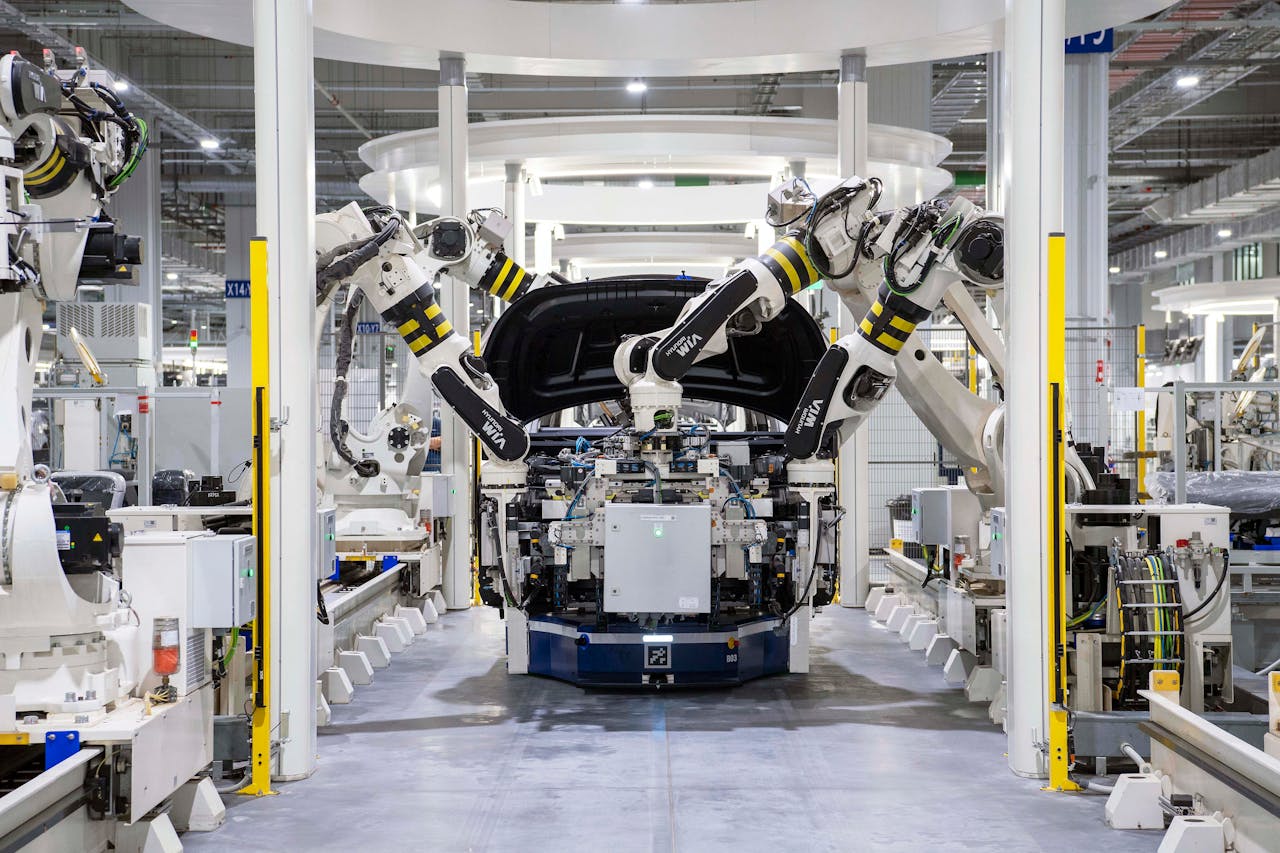

It’s transforming every step of the car-buying journey so you get tailored recommendations, virtual showrooms, and predictive pricing that speed up decisions and reduce hassle; AI helps your salesperson focus on what matters, automates paperwork, and connects you with financing and aftercare options designed for your needs.
Key Takeaways:
- AI personalizes the shopping journey-recommendation engines, targeted offers and digital retailing increase conversion rates and shorten sales cycles.
- Inventory, pricing and appraisal become data-driven-predictive demand forecasting and dynamic pricing optimize margins and reduce days on lot.
- Conversational AI, virtual showrooms and predictive analytics create new touchpoints and aftersales revenue streams while automating routine tasks to boost staff productivity.
How AI is reshaping the sales process
You’re seeing AI compress the funnel by automating outreach, scoring intent, and tuning inventory in real time; dealers report 20-35% shorter sales cycles and up to 25% higher trade-in captures after deploying predictive pricing and personalized finance offers. Systems ingest DMS, CRM and web behavior to recommend exactly which vehicles to push, which incentives to apply, and which buyers to prioritize, so your team spends more time closing instead of qualifying.
Smarter lead generation and qualification
AI analyzes browsing paths, search terms, credit-prequalification signals and past interactions to score leads on a 0-100 scale, routing top prospects to your closers automatically; some rooftops using this approach see appointment rates rise 20-40%. You get fewer cold contacts and more warm, actionable opportunities because the model surfaces intent signals-loan pre-approvals, repeat searches, time-on-vin-that predict who’s ready to test-drive or buy.
Chatbots and automated follow-ups that feel human
When a prospect messages at midnight, AI-driven chatbots respond in seconds, handling up to 60-70% of routine queries-availability, payments, trade value-and only escalating complex cases to sales. You’ll notice higher contact-to-lead conversions and faster follow-up cadence because templates adapt to tone, history and channel, so conversations stay contextual whether the buyer texts, chats on-site, or taps WhatsApp.
Deeper implementations tie chatbots to your CRM and inventory feed, letting the bot quote current incentives, confirm VIN-specific details, and auto-schedule test drives; one dealer reported bots booked 40% of weekend appointments without human handoff. You can A/B test follow-up scripts, set escalation thresholds based on lead score, and keep transcripts for compliance, which means your automated outreach becomes both measurable and continuously improving.
Personalizing the car-buying journey
AI stitches your browsing, CRM history and local inventory to create hyper-relevant offers-pilots have shown personalization can lift lead conversion by up to 30%. You get tailored messages across email, SMS and chat that surface the exact trim, color and financing terms most likely to convert. For deeper context, see The Evolution of AI in Automotive Retail: What Dealerships Need for examples of dealer deployments.
Tailored recommendations and predictive offers
Algorithms analyze your searches, test-drive preferences and trade-in estimates to recommend specific models and packages; lenders and dealers then generate predictive offers-like targeted APR or lease terms-based on propensity scoring. You benefit from dynamic incentives and stock-aware suggestions that reduce browsing time. Some dealers report 10-20% higher appointment rates and improved upsell capture after deploying these predictive systems.
Virtual showrooms, AR previews, and remote demos
Immersive tools let you inspect cars from home: WebAR previews let you visualize colors and options at scale, while virtual showrooms host live guided tours and remote demos via low-latency video. You can compare two models side-by-side in AR, schedule a remote walkthrough, and receive configuration links to finish purchase online. Early deployments show 15-25% higher engagement and fewer required in-person visits.
Technically, dealers stitch 3D photogrammetry, CAD overlays and cloud rendering into CRM-connected workflows so you can toggle options and see real-time pricing. Live co-browsing, synchronized inventory checks and one-click test-drive booking make remote demos transactional, not just visual. You’ll notice faster quote-to-sale cycles-pilot programs have reduced time-to-purchase by weeks-because salespeople can quantify trade values and push tailored financing during the demo.

Smarter inventory and pricing
AI-driven systems cut days-to-sell by up to 15% and can raise margins 3-7% by aligning inventory to local demand; when you use real-time feeds and the playbook in How AI is Changing the Future of Car Dealerships, you get predictive insights on which makes, models and trims will move next month, letting you shift stock and price proactively.
Dynamic pricing and demand forecasting
With dynamic pricing models that update hourly using competitor listings, inventory age, and local search trends, you can increase sell-through rates by 4-6% and shorten average days-on-lot. Algorithms estimate price elasticity per VIN, run A/B tests, and flag when to hold a car for auction or cut price; one dealer reduced markdowns 20% while keeping volume steady.
Inventory optimization and sourcing
AI scores each VIN for local demand, fuel type, and margin potential so you know which trades to keep and which to flip at auction; dealers that implemented these models report 10-12% lower overstock and 8% higher margins on targeted buys. You’ll get buy/sell recommendations, ideal reorder points, and sourcing channels ranked by expected ROI.
Beyond rankings, the system models lead-time and seasonality so you can set maximum days-to-hold per segment; for example, city subcompacts may have a 30-40 day target while SUVs aim for 20-25 days in suburban lots. It also integrates auction feeds and dealer trade networks to auto-generate bid prices, helping you avoid overpaying and improve turn rates by single-digit percentages.
Reimagining the in-dealership experience
You step into a showroom where AI maps traffic flow, serves personalized vehicle suggestions on kiosks, and uses digital mirrors to preview colors and options. Interactive analytics guide staff to focus on high-interest customers and reduce idle time, while digital-first retailers can often complete buying workflows in under 30 minutes. The result is your visit becomes a tailored, efficient session that blends hands-on evaluation with the speed and personalization you expect online.
Assisted test drives and seamless digital paperwork
AI plans test-drive routes that highlight the exact conditions you care about-city stop‑and‑go, highway, or tight parking-while telematics and AR HUDs provide in-ride feature demos and safety overlays. After the drive, OCR, e-signatures and credit pre-approvals auto-populate forms from scanned IDs and DMS records, shrinking administrative time so you often finish paperwork the same day you test. You get a focused drive and near-instant closing without repetitive manual steps.
Sales staff support and real-time decision tools
AI delivers next-best-actions to your salesperson by combining CRM behavior, inventory status and live market pricing-suggesting precise incentives, trade values and accessory bundles tailored to you. Recommender engines highlight the finance term or protection plan with the highest acceptance probability, letting your rep present offers with data-backed confidence rather than guesswork. That makes negotiations faster and more relevant to your needs.
Behind the scenes, these tools fuse DMS history, CRM signals, third-party valuation feeds and local demand data to produce millisecond‑fast recommendations on tablets or POS screens. You’ll see predicted acceptance rates and price-elasticity cues (for example, a model might estimate a 22% likelihood you’ll take a 36‑month loan at a given rate), enabling A/B testing of scripts; dealer groups using this approach report measurable uplifts in conversion and transaction gross as staff act on precise, real-time guidance.
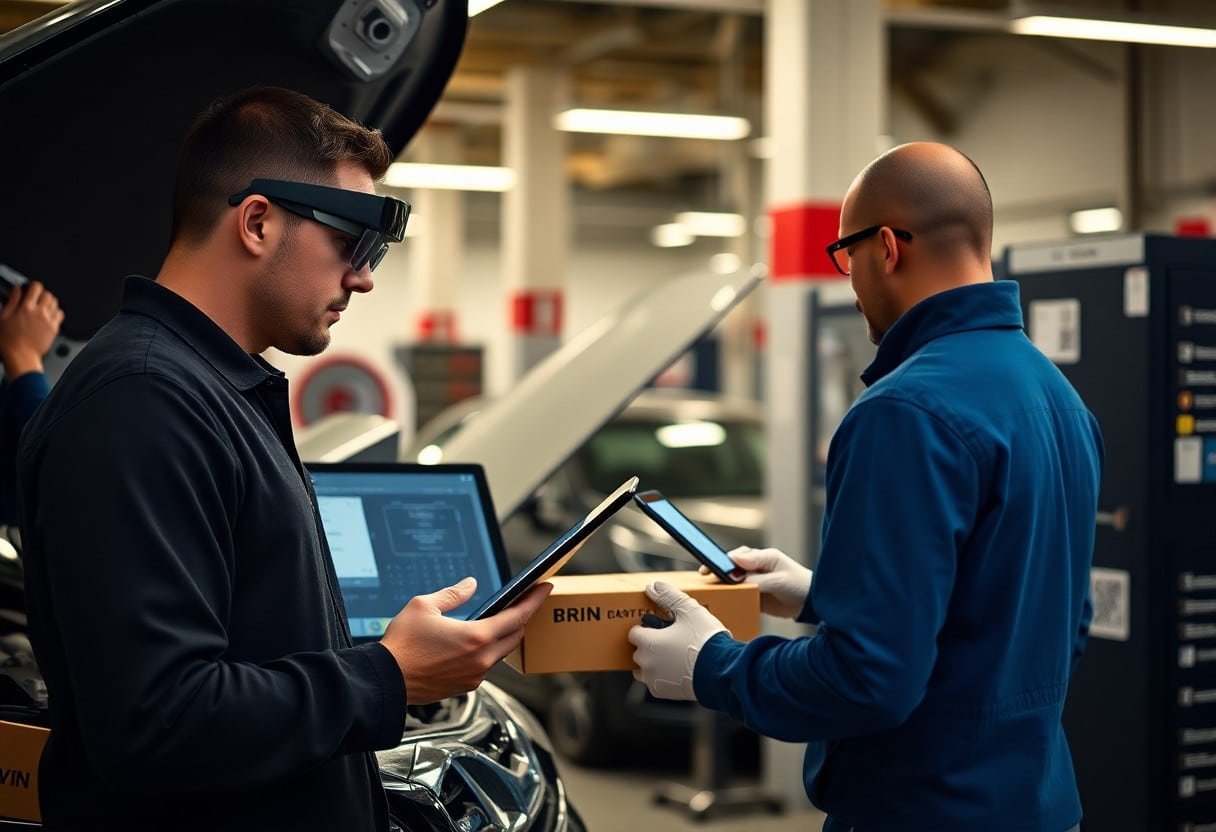
Backend efficiency and aftersales
Automation for financing, F&I, and documentation
You can automate credit decisioning, e-contracting and compliance checks using platforms like RouteOne or Dealertrack, plus eSignatures and API-based underwriting to cut manual steps. That means loans and F&I packages that used to take days can close in hours, error rates fall, and funding timelines shorten. Integrations with your DMS auto-populate forms, reduce callbacks from lenders, and let you show personalized APR and warranty options instantly during the deal.
Service scheduling, maintenance predictions, and retention
Your service lane becomes proactive when you combine online scheduling bots, telematics and CRM triggers: customers book appointments in minutes, reminders drop via SMS, and telematics flags imminent failures so you reach out first. Service departments often drive 30-40% of gross profit, so reducing no-shows and selling preventive work not only fixes cars earlier but materially lifts retention and lifetime value.
Predictive maintenance models fuse telematics (fault codes, mileage), historical RO data and parts lead times to forecast service needs days or weeks ahead; dealerships using these systems can auto-order parts, reserve tech slots and send targeted offers that increase show rates. You can prioritize high-risk vehicles, push loyalty service bundles, and convert diagnostic alerts into scheduled visits-turning data into a steady stream of booked labor and repeat customers.
Risks, ethics, and what to watch next
You’ll face rising risks as AI drives personalization and pricing-data breaches now average $4.35M in losses (IBM, 2023), while opaque models can reproduce lending or pricing disparities across ZIP codes. Vendors that publish provenance and validation reports reduce your exposure; for deeper industry tactics and model examples see How AI and Machine Learning Are Revolutionizing Automotive Marketing.
Data privacy, bias, and customer trust
You collect location, browsing, finance and telematics signals that can reconstruct behavior, so enforce consent-first practices and data minimization. Audit models regularly for disparate impact (e.g., higher APRs tied to demographics), store only hashed identifiers, and show customers what data you use to keep trust-transparent opt-outs cut churn and complaints in pilot programs by dealers integrating consent dashboards.
Regulation, vendor transparency, and adoption challenges
You’ll navigate GDPR and CCPA requirements today and the EU AI Act soon, which pressures explainability and risk classification. Demand vendors disclose training data, drift metrics, and third‑party audits; plan for DMS integration costs, staff re‑skilling, and phased pilots to limit operational disruption.
Digging deeper, you should require contractual SLAs that include model accuracy thresholds, bias-testing schedules, and incident response times. Insist on access to feature-importance reports and synthetic test-sets so you can validate vendor claims; budget 6-12 months for integration with CRM/DMS and 2-3 training sessions per role to reach proficiency. Watch regulatory updates-noncompliance fines and reputational damage can outweigh short-term ROI if you deploy opaque systems without proper governance.
Summing up
On the whole, AI in car dealerships is making your buying experience smoother and more personalized, helping you find the right vehicle faster while streamlining sales and service workflows; as AI handles routine tasks and analyzes data, you benefit from smarter recommendations, faster financing, and improved aftersales support.