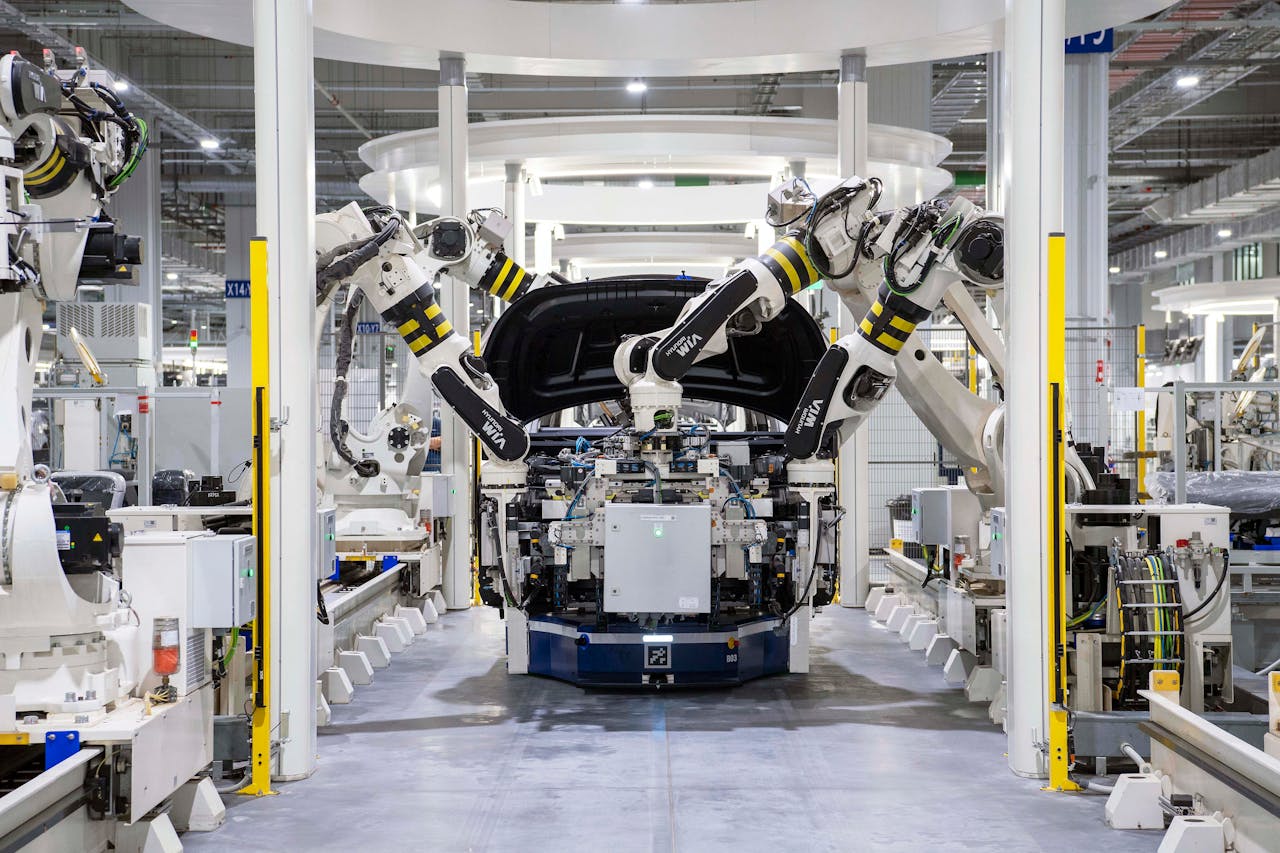


Energy storage innovations are reshaping the landscape of grid-scale battery systems, providing you with groundbreaking solutions for improved efficiency and sustainability. As you explore this list, you’ll discover the top ten recent breakthroughs that not only enhance energy management but also contribute to a cleaner future. These advancements represent significant steps forward in technology, enabling you to understand how they influence energy independence and reliability in today’s evolving energy market.
Key Takeaways:
- Advancements in battery chemistry, such as solid-state batteries, are enhancing energy density and safety for grid-scale applications.
- Innovative technologies, including flow batteries and thermal storage, are expanding the potential for long-duration energy storage solutions.
- Integration of artificial intelligence and machine learning is optimizing energy management systems, improving efficiency and reliability in grid operations.
Lithium-Ion Advancements
Recent breakthroughs in lithium-ion technology continue to enhance grid-scale battery storage capabilities, making these systems more efficient and viable. These innovations focus on improving energy density, charging speed, and overall battery lifespan. With these improvements, you can expect a more reliable and cost-effective energy solution for your energy storage needs.
Increased Energy Density
Enhanced energy density in lithium-ion batteries allows you to store more energy in the same physical space, leading to smaller, lighter battery systems. This advancement not only boosts performance but also reduces the footprint of energy storage installations, making them more adaptable to various environments.
Reduced Charging Time
Faster charging times in lithium-ion batteries are revolutionizing how energy is harnessed and consumed. You can benefit from shorter wait times for energy storage systems to recharge, increasing the overall efficiency and responsiveness of grid operations.
Advancements in reduced charging time leverage improved materials and designs, allowing batteries to accept energy at a rate significantly faster than traditional systems. You can experience near-instantaneous recharging capabilities, enabling more effective management of energy loads during peak demand. This transformation not only enhances the practicality of battery systems but also supports a more resilient energy grid, allowing for dynamic responses to fluctuations in energy supply and demand.
Solid-State Batteries
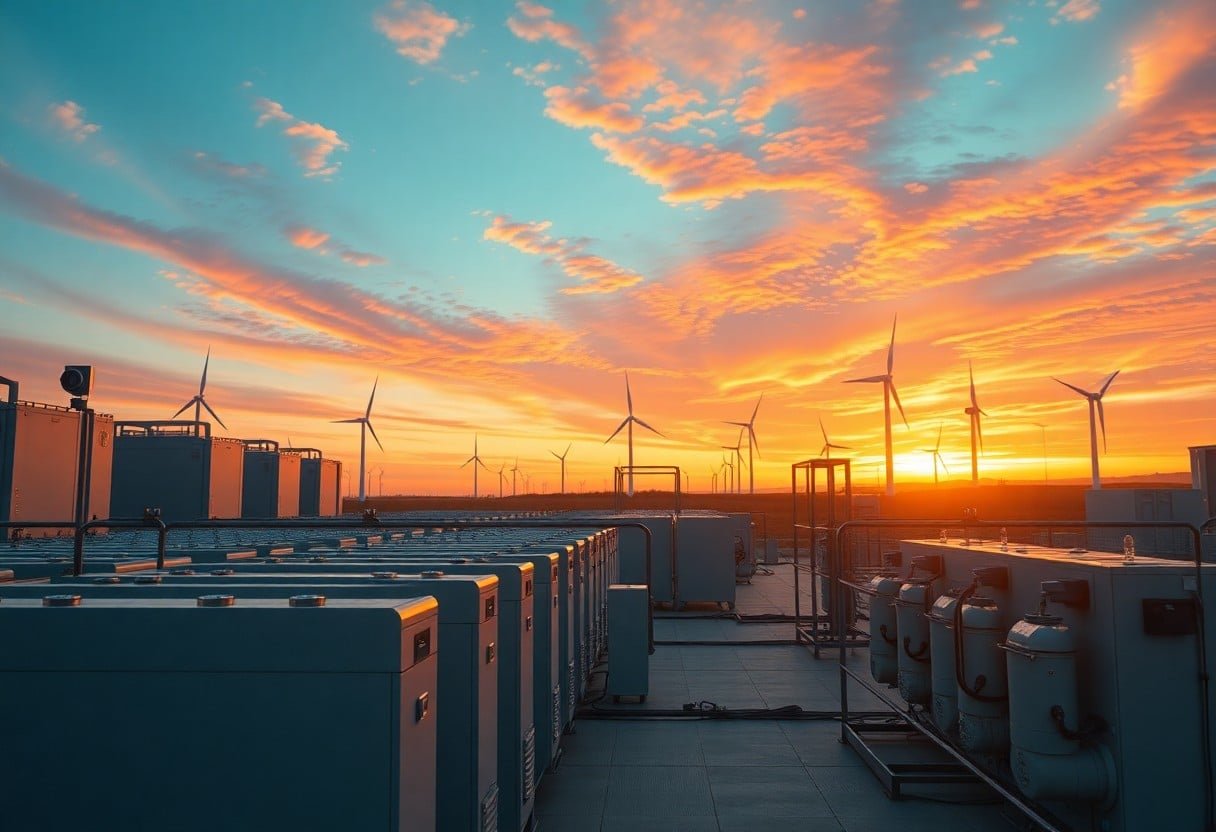
Solid-state batteries represent a significant advancement in energy storage technology, utilizing solid electrolytes instead of liquid ones. This innovation not only enhances energy density but also improves operational efficiency in grid-scale applications. By adopting solid-state technology, you can expect a more reliable and efficient battery solution, making it an attractive option for renewable energy integration into the grid.
Enhanced Safety Features
The use of solid electrolytes in solid-state batteries greatly reduces the risk of combustion and leakage. You benefit from a safer energy storage solution with a lower likelihood of thermal runaway incidents, ensuring a more secure integration into grid systems. This remarkable safety improvement positions solid-state batteries as a frontrunner in the quest for reliable energy solutions.
Longer Lifespan
Solid-state batteries offer a significantly longer lifespan compared to traditional lithium-ion batteries. By minimizing physical degradation and avoiding dendrite formation, these batteries ensure you have a more durable energy storage solution. This longevity can lead to reduced replacement costs and improved overall system efficiency in your grid operations.
This extended lifespan is primarily due to the stable nature of solid electrolytes, which mitigate wear and tear found in liquid electrolyte systems. When you select solid-state technology, you’re investing in batteries that can endure thousands of charge cycles, providing consistent performance over many years. As a result, the total cost of ownership decreases, and your energy storage systems become more sustainable and reliable for long-term applications.
Flow Batteries
Flow batteries have emerged as a versatile solution for grid-scale energy storage, relying on liquid electrolytes to store energy. This design allows for independent scaling of power and energy capacity, offering flexibility to meet diverse grid needs. You can utilize flow batteries to balance renewable energy sources, enhance grid reliability, and provide crucial backup power during outages.
Scalable Energy Solutions
With the ability to adjust energy capacity based on your requirements, flow batteries stand out for their scalability. You can easily increase the amount of stored energy by expanding the size of the storage tanks, adapting to growing energy demands or variable renewable generation. This modular approach allows for efficient design and deployment tailored to your specific energy landscape.
Long-Duration Discharge
Flow batteries excel in long-duration discharge, an crucial feature for balancing intermittent renewable energy sources. You can discharge energy over extended periods, from hours to days, without performance degradation. This makes them ideal for supporting grid stability and providing energy when natural sources are unavailable, such as during nighttime or low-wind conditions.
The capacity for long-duration discharge in flow batteries is achieved through their unique design, which allows for the continuous circulation of electrolytes. This mechanism enables you to store large amounts of energy and release it steadily over time, addressing the needs of renewable energy integration and ensuring your grid remains balanced. Their efficiency and reliability in discharge cycles make them a strong choice for supporting a sustainable energy future.
Sodium-Ion Batteries
Sodium-ion batteries are emerging as a transformative solution for grid-scale energy storage, offering a sustainable alternative to lithium-ion technology. Their unique chemistry allows for efficient energy management while utilizing abundant sodium, making them a compelling choice for large-scale applications. As your demand for reliable and cost-effective energy storage grows, sodium-ion technology is becoming an increasingly attractive option.
Abundant Material Availability
Sodium is one of the most abundant elements on Earth, enabling a more sustainable approach to battery production. This widespread availability helps mitigate the risks associated with supply chain constraints that can affect lithium-ion batteries. By choosing sodium-ion technology, you are capitalizing on resources that are both plentiful and accessible, ensuring long-term viability.
Cost-effective Production
The production costs of sodium-ion batteries are significantly lower than those of conventional lithium-ion batteries. This is primarily due to the abundance of sodium, making the raw materials cheaper and more accessible for manufacturers. Additionally, sodium-ion technology takes advantage of simpler production processes, which further drives down overall expenses and ultimately benefits you as a consumer.
Cost-effective production is a game changer for sodium-ion batteries, as it allows manufacturers to lower prices while maintaining performance. The reduction in material costs minimizes financial barriers, making these batteries more accessible to a wider range of applications. Furthermore, the efficient manufacturing processes associated with sodium-ion technology can streamline production timelines, ensuring that you can rely on timely delivery and scalability as your energy storage needs expand.
Pumped Hydro Storage
Pumped hydro storage (PHS) stands as the most widely used form of grid-scale energy storage. By leveraging the gravitational potential energy of water, this method allows you to store excess energy by pumping water uphill, which can then be released to generate electricity when demand peaks. Its capability to provide large-scale, long-duration energy storage makes it a vital component of modern energy systems.
Established Technology
Pumped hydro storage is a well-established technology, operational since the 1920s. Most large-scale energy storage facilities worldwide utilize this method, demonstrating its capacity to efficiently store and dispatch energy. You can benefit from PHS’s proven track record, which includes high efficiency rates and adaptability to various geographic locations.
Long-term Reliability
Your investment in pumped hydro storage comes with the advantage of long-term reliability. Unlike emerging technologies, PHS has a history of operational effectiveness, often exceeding a lifespan of 40 years. This stability ensures that you can count on consistent energy output over decades, making it an attractive option for grid operators.
The long-term reliability of pumped hydro storage is rooted in its simple design and robust materials. With minimal moving parts, maintenance requirements are reduced, leading to extended service life. Additionally, the ability to cycle energy storage without significantly degrading performance further enhances its attractiveness. As utility companies and regions look to secure their energy futures, PHS stands out as a dependable solution that can meet both current and future demands.
Compressed Air Energy Storage
Compressed Air Energy Storage (CAES) utilizes excess energy to compress air, storing it in underground caverns or tanks. When energy demand rises, the stored air is released, driving turbines to produce electricity. This technology offers a viable solution for balancing supply and demand in grid-scale applications, making it a significant player in energy storage innovations.
Low-cost implementation
One of the benefits of CAES is its relatively low-cost implementation compared to other energy storage methods. You can leverage existing geological formations, such as salt domes, to store compressed air without needing complex infrastructure. This simplifies installation and allows for economical scaling, ultimately reducing the overall budget for energy storage projects.
High efficiency
High efficiency is another hallmark of CAES, as it can achieve round-trip efficiencies between 70-90%. This means that you can convert a substantial portion of the stored energy back into electricity when needed, making it an attractive option for grid operators. With advancements in technology, efficiency levels are continuously improving, enabling more effective energy management.
CAES systems can enhance their efficiencies further by integrating heat recovery processes, which capture and reuse heat generated during air compression. This innovation allows you to maximize the amount of usable energy retrieved, significantly improving overall performance. As you explore energy storage options, considering the evolving CAES technology can lead to more efficient, sustainable energy solutions.
Flywheel Energy Storage
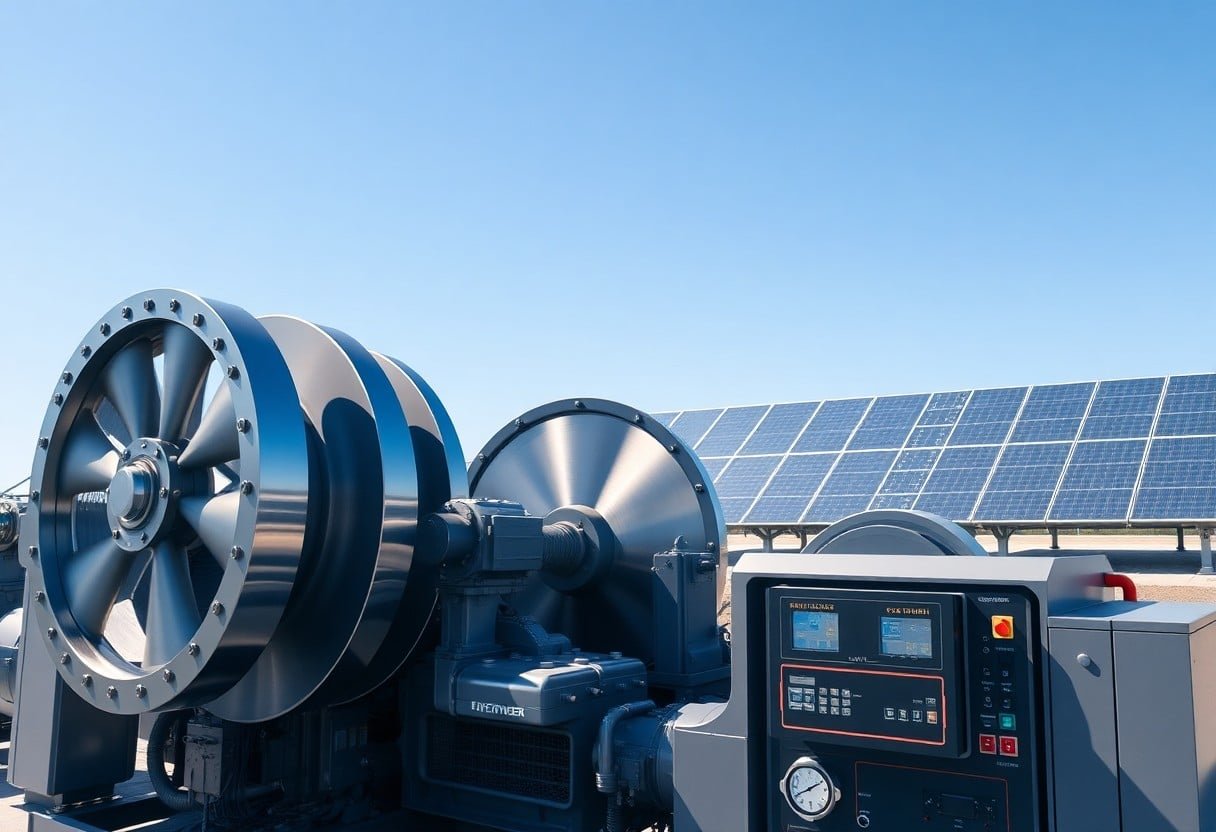
Flywheel energy storage systems are revolutionizing the way you think about grid-scale battery solutions. Utilizing kinetic energy, these systems store and release energy through the rotation of a flywheel. Their design allows for rapid charging and discharging, making them an excellent option for managing fluctuations in energy supply and demand. As you explore advancements in energy storage, flywheels stand out as a promising technology for enhancing grid stability and efficiency.
Quick Response Times
Units equipped with flywheel technology enable you to benefit from quick response times. These systems can instantly provide energy during peak demand or when renewable sources are temporarily unavailable. The ability to switch between charging and discharging within seconds offers you enhanced flexibility in managing electrical loads, ensuring your grid remains efficient and responsive.
High Power Output
High power output is another significant advantage of flywheel energy storage systems. They can deliver substantial bursts of energy over short periods, making them ideal for applications that require instantaneous power, such as grid stabilization and frequency regulation. You can better balance supply and demand, enhancing the reliability of your power system.
With flywheel systems, you benefit from a power output that can exceed traditional battery designs. Because of their ability to displace energy almost instantaneously, these systems are particularly valuable in scenarios requiring rapid energy delivery. This capability allows you to manage peak energy demands effectively, supporting both renewable integration and grid resilience. The result is improved operational efficiency, enabling your energy storage solutions to adapt to varying energy needs seamlessly.
Thermal Energy Storage
Thermal energy storage (TES) systems store excess heat for later use, offering a sustainable approach to managing energy consumption. These technologies enhance grid stability and efficiency by shifting peak demand to off-peak times. Explore the 10 Best Smart Energy Storage Solutions Transforming … and see how TES plays a vital role in modern energy strategies.
Heat-to-Power Conversion
In heat-to-power conversion, thermal energy is transformed into electricity, effectively bridging the gap between renewable energy generation and demand. This process allows you to utilize waste heat from industrial processes or power plants, maximizing energy efficiency and contributing to a greener grid.
Versatile Applications
Thermal energy storage systems are versatile, supporting various applications across industries such as heating, cooling, and power generation. By integrating TES into your energy management strategies, you can enhance the efficiency of renewable energy sources and create more resilient energy systems.
This flexibility allows you to deploy thermal systems in residential, commercial, and industrial settings. For instance, in homes, TES can store heat from solar thermal collectors for winter months, while in industries, it can provide much-needed backup during peak demand times. By embracing these solutions, you enhance your energy independence and contribute to reducing carbon emissions.
Hydrogen Fuel Cells
Harnessing the power of hydrogen fuel cells represents a transformative approach to energy storage. These cells convert hydrogen into electricity through an electrochemical process, offering a clean alternative to traditional fossil fuels. By integrating hydrogen fuel cells into the grid, you can enhance energy reliability and facilitate the transition towards a sustainable energy future.
Clean Energy Source
As a clean energy source, hydrogen produces only water vapor and heat as byproducts. By utilizing renewable energy to generate hydrogen, you can significantly reduce greenhouse gas emissions. This process not only contributes to a more sustainable grid but also aligns with global efforts to decarbonize energy systems.
Long Storage Duration
One of the standout benefits of hydrogen fuel cells is their ability to store energy for long durations. Unlike batteries that can degrade over time, hydrogen can be stored in large quantities for extended periods, making it ideal for balancing seasonal energy demands. This capability allows you to effectively manage intermittent renewable energy sources, ensuring consistent power availability.
Long storage durations offered by hydrogen fuel cells empower you to bridge gaps in energy supply and demand. Storing surplus energy generated during peak production times enables you to utilize it during periods of low generation. In contrast to batteries, hydrogen can be stored for weeks or even months without significant loss of capacity. This feature is invaluable for optimizing energy use, reducing reliance on non-renewable sources during high demand, and ultimately enhancing grid resilience.
To wrap up
Summing up, you now understand how the top 10 energy storage breakthroughs are reshaping grid-scale battery storage. These innovations not only enhance efficiency but also improve reliability, ensuring you can harness renewable energy more effectively. As these technologies evolve, they will play a significant role in your energy strategy, paving the way for a sustainable future. Embracing these advancements allows you to stay ahead in the transition to a cleaner energy landscape.