
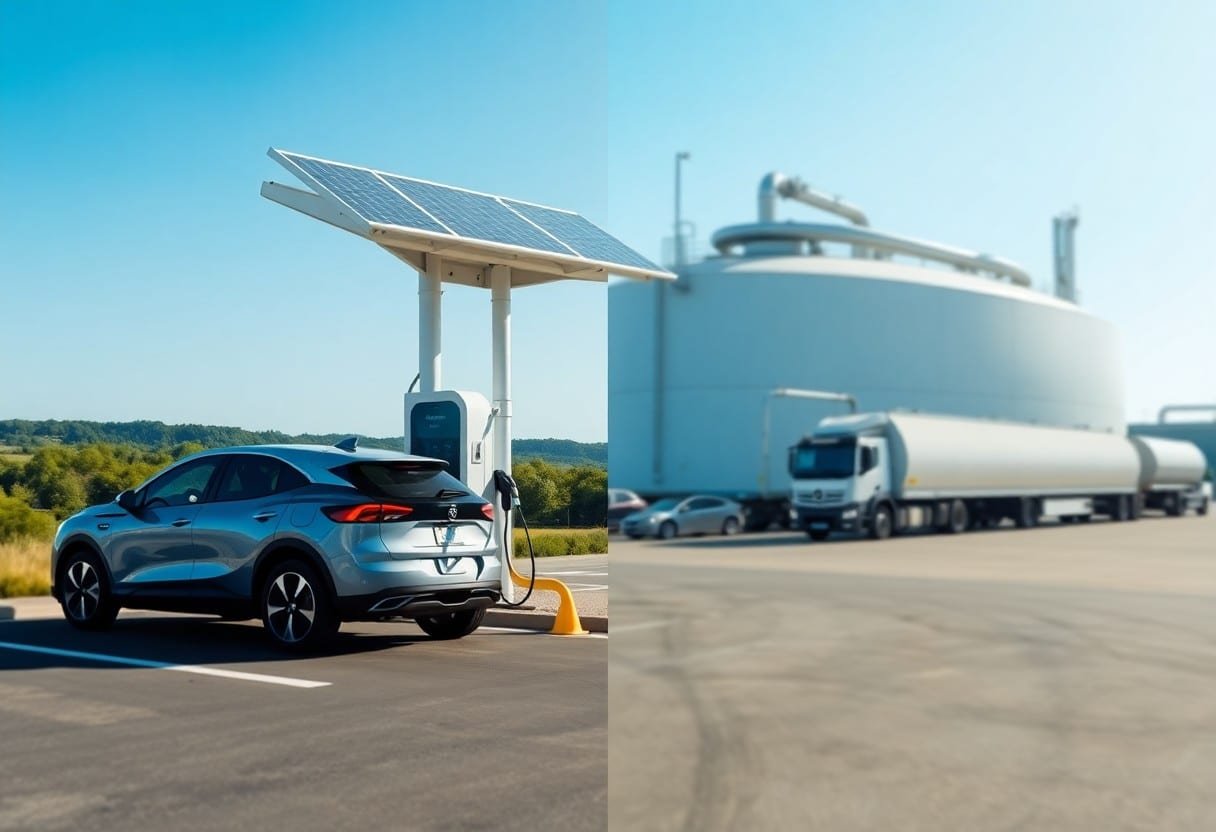
Decarbonization is transforming the automotive landscape, presenting you with two prominent pathways: synthetic fuels and electric vehicles. As you navigate this shift, understanding the strengths and challenges of each option is important for making informed decisions about sustainable engine technologies. This post will provide you with key insights into how synthetic fuels and electric vehicles can contribute to a greener future for your transportation needs.
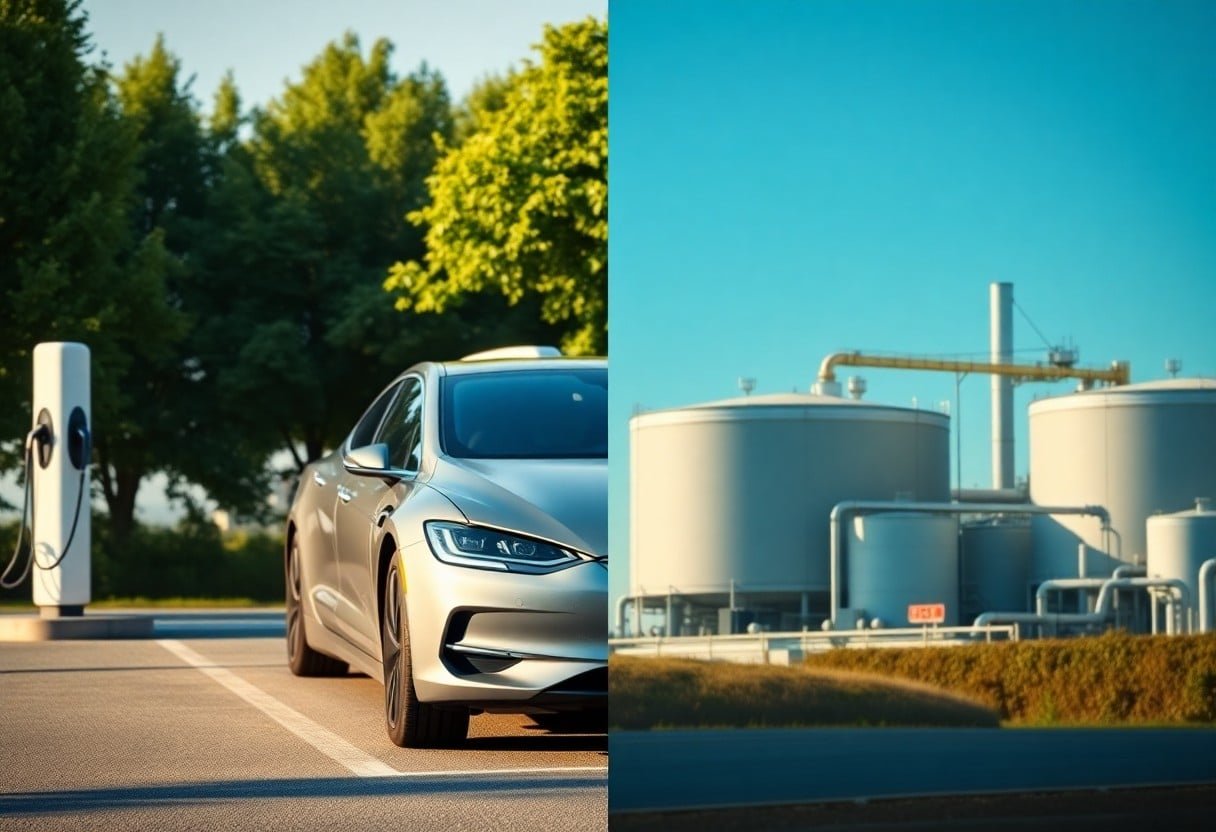
Key Takeaways:
- Synthetic fuels can leverage existing internal combustion engine infrastructure, potentially easing the transition from traditional fuels.
- Electric vehicles (EVs) offer direct emissions reductions and align with renewable energy goals, promoting long-term sustainability.
- The balance between synthetic fuels and EVs will depend on technological advancements, economic viability, and climate policies in the coming years.
Overview of Synthetic Fuels
Synthetic fuels, also known as electrofuels, are manufactured from renewable energy sources and can serve as alternatives to fossil fuels. These fuels are created through a process that converts electricity into usable energy, potentially reducing carbon emissions associated with traditional fuel production. They have the potential to support existing internal combustion engine infrastructure, facilitating a smoother transition towards sustainable energy in transportation.
Definition and Types
Synthetic fuels encompass a variety of products ranging from synthetic gasoline to diesel and methanol. These fuels can be categorized by their production processes, feedstock, and end-use applications:
- Synthetic gasoline
- Synthetic diesel
- Synthetic natural gas
- Methanol
- All of these serve as alternatives to conventional fossil fuels. Thou.
| Type | Description |
| Synthetic Gasoline | Designed to replace conventional gasoline in gasoline engines. |
| Synthetic Diesel | Functionally similar to diesel derived from crude oil. |
| Synthetic Natural Gas | A substitute for natural gas, often used for heating and power generation. |
| Methanol | An alternative fuel that can be used in internal combustion engines and fuel cells. |
Production Processes
The production of synthetic fuels involves various processes that convert carbon and hydrogen from renewable sources into usable fuels. Common methods include Fischer-Tropsch synthesis, which converts syngas (a mixture of hydrogen and carbon monoxide) into hydrocarbons, and methanol synthesis, which produces methanol from CO2 and hydrogen. These processes can leverage renewable energy, ensuring sustainability throughout the fuel lifecycle.
In practice, you might find companies employing carbon capture technologies to extract CO2 directly from the atmosphere, which is then synthesized into fuels, creating a closed-loop system. Renewable electricity is used to produce hydrogen via electrolysis, which is combined with captured CO2 to create synthetic hydrocarbons. This approach maintains energy integrity and minimizes environmental impact, allowing for the integration of sustainable practices into existing fuel infrastructures without major overhauls. By utilizing various feedstocks, such as waste biomass or renewable electricity, the variability in production allows for scalability and efficiency as global fuel demands grow.
Understanding Electric Vehicles
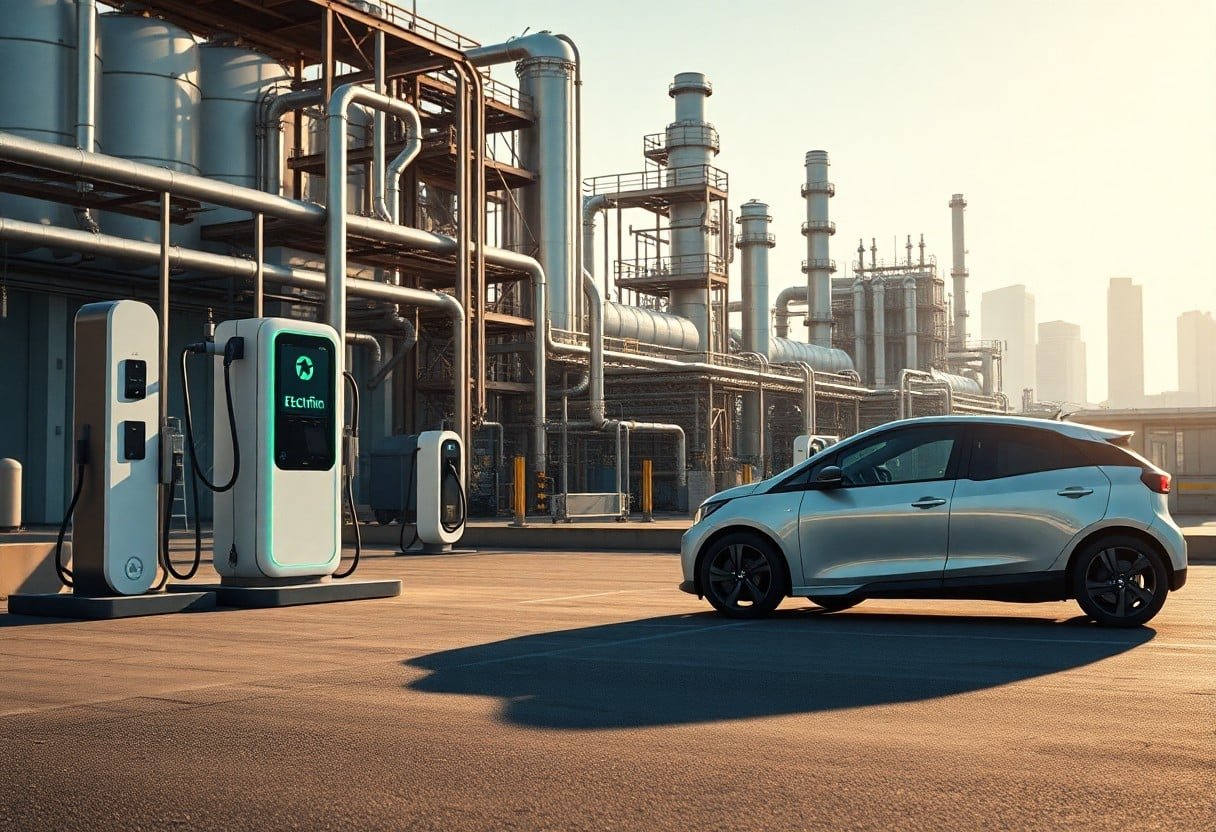
Electric vehicles (EVs) represent a significant shift in automotive technology, leveraging electricity as the primary power source instead of traditional petroleum fuels. This transition not only contributes to reducing greenhouse gas emissions but also provides an opportunity for consumers to embrace cleaner and more efficient driving solutions.
Key Features and Technology
Modern electric vehicles showcase several innovative features that enhance performance and usability.
- Regenerative braking systems
- Advanced battery management systems
- Fast charging capabilities
- Dedicated electric drivetrains
- Connected technology for over-the-air updates
Assume that these features collectively improve energy efficiency, extend driving range, and enhance user experience in multiple aspects.
Charging Infrastructure and Battery Life
The charging infrastructure for electric vehicles has expanded rapidly, but availability and convenience can vary greatly. With both home and public charging stations, EV owners can recharge their vehicles effectively, though the speed of charging remains a critical factor.
Many regions are investing heavily in developing extensive charging networks, including fast chargers that reduce downtime significantly. Battery life, often a concern for potential EV buyers, has also improved with advancements in lithium-ion technology. Current models offer ranges from 150 to over 400 miles on a single charge, depending on battery capacity and vehicle efficiency. These ongoing enhancements aim to alleviate range anxiety and encourage wider adoption, making electric vehicles a viable option for more consumers.
Environmental Impact of Synthetic Fuels
Synthetic fuels have the potential to significantly reduce greenhouse gas emissions when produced using renewable energy sources. Their carbon-neutral lifecycle means that when burned, they can release carbon dioxide that was previously absorbed by the feedstock, effectively balancing emissions. However, the production process can still involve significant energy consumption and environmental considerations. For a deeper exploration of the sustainability of alternative fuels, check out Are electric cars a truly sustainable solution?
Emissions and Carbon Footprint
You might be surprised to learn that synthetic fuels can lead to lower emissions compared to conventional fossil fuels, depending on their production methods. A 2021 study indicated that using renewable sources could cut carbon emissions by over 80% compared to traditional fuels. While they still generate tailpipe emissions, the overall lifecycle emissions can be better managed through innovative production techniques, making them a viable option for reducing your carbon footprint.
Sustainability Aspects
Your understanding of synthetic fuels should also consider their sustainability credentials. The production of these fuels often relies on renewable energy, which can mitigate the negative impacts associated with traditional fossil fuel extraction. Moreover, they can be synthesized from various feedstocks, including agricultural waste and CO2 captured from the atmosphere, promoting a circular economy.
For a comprehensive view of sustainability factors, note that synthetic fuels can be derived from diverse resources. This includes agricultural residues, municipal waste, and direct air capture technologies that aim to recycle atmospheric CO2. Such methods not only utilize waste but can contribute to soil regeneration through regenerative agricultural practices, showcasing a multifaceted approach to sustainability. As you weigh options for decarbonization, consider how these fuels can bridge the gap toward a more renewable-based energy landscape while accommodating existing infrastructure.
Environmental Impact of Electric Vehicles
The environmental impact of electric vehicles (EVs) extends beyond just emissions during operation. While they produce zero tailpipe emissions, the overall footprint includes energy sources for charging, battery production, and end-of-life disposal, necessitating a comprehensive look at their ecological effects.
Life Cycle Analysis
Life cycle analysis (LCA) reveals that EVs can significantly reduce greenhouse gas emissions compared to conventional vehicles, especially when charged using renewable energy. However, the entire lifecycle-from manufacturing to disposal-can present challenges, such as emissions associated with battery production and transportation.
Resource Extraction and Disposal
Resource extraction and disposal pose significant environmental challenges for electric vehicles. Materials like lithium, cobalt, and nickel, crucial for batteries, often involve mining practices that lead to habitat destruction and pollution. Additionally, the recycling and disposal of batteries must be managed to prevent leakage of toxic substances.
The extraction of lithium dominates discussions around EV sustainability. Mining operations, particularly in regions like South America’s “Lithium Triangle,” often deplete water resources and disrupt local ecosystems. For instance, approximately 500,000 gallons of water are used per ton of lithium extracted, raising concerns about water scarcity in arid environments. Furthermore, the end-of-life management of EV batteries remains a complex issue. Currently, only about 5% of lithium-ion batteries are recycled effectively, leading to environmental hazards if disposed of improperly. Enhanced recycling technologies and regulations are crucial to mitigate these impacts and truly achieve sustainable mobility.
Comparative Analysis
When examining the performance and viability of synthetic fuels versus electric vehicles (EVs), specific factors emerge that outline their potential roles in sustainable transportation. You can explore more insights on this topic in the article Synthetic Fuels – Can This Be the Magic Bullet …. Below is a detailed comparison of their characteristics in a table format.
| Synthetic Fuels | Electric Vehicles |
| Compatibility with existing infrastructure | Requires new charging infrastructure |
| Production emissions potentially lower with renewables | No tailpipe emissions |
| High energy density | Lower energy density compared to fuels |
Performance Efficiency
Performance efficiency highlights the effectiveness of fuel types in generating power. Synthetic fuels can offer higher energy density, allowing traditional combustion engines to generate more power per volume. This means longer driving ranges and quicker refueling times, which can be appealing for users. In contrast, electric vehicles, while efficient in energy conversion, often require substantial charging time and may face range anxiety due to lower energy density.
Economic Viability
Economic viability examines the financial aspects of synthetic fuels and electric vehicles. Both options present unique cost structures that may suit different market segments. While the initial investment for EVs can be higher due to battery technology, ongoing operational costs are typically lower. Alternatively, synthetic fuels can utilize existing infrastructure and may provide a cost-effective solution for certain applications, especially in areas where electricity supply may be limited or more expensive.
The economic viability of both options relies heavily on regional infrastructure and market conditions. For instance, synthetic fuels could emerge as a preferred choice in regions where electric charging infrastructure is limited, while EVs may dominate markets with strong state incentives and renewable energy availability, leading to lower operating costs. Ultimately, the right choice will depend on specific context and user needs-making in-depth analysis necessary for informed decision-making.
Future Trends in Sustainable Decarbonization
The shift towards sustainable decarbonization is rapidly evolving, with growing investments in both synthetic fuels and electric vehicle technologies. As industries grapple with climate targets, a hybrid approach may gain traction, blending traditional internal combustion engines with cutting-edge innovations. Insights on Repositioning ICE Vehicles with engine decarbonization highlight how policies and consumer preferences influence these developments.
Policy and Regulations
Your decisions in vehicle choices will increasingly be shaped by stringent regulations aimed at carbon reduction. Governments are implementing policies that encourage the adoption of cleaner technologies, such as fuel economy standards and incentives for electric vehicle purchases. As these initiatives expand, they will affect market dynamics, promoting faster transitions to greener solutions.
Technological Innovations
Innovations in sustainable technologies are set to redefine transportation. You will see advancements in battery efficiencies, hydrogen fuel cells, and carbon capture techniques, all aimed at enhancing the viability of both electric vehicles and synthetic fuels. These breakthroughs not only promise improved performance but also contribute to significant reductions in greenhouse gas emissions.
For instance, recent developments in solid-state batteries are pushing the limits of energy density and charging speed, making electric vehicles more practical for everyday use. Hydrogen fuel cell technology is also gaining traction, particularly for heavy-duty transport, providing a zero-emission alternative that complements electric options. Moreover, companies are investing in carbon-neutral synthetic fuel production, with pilot projects already demonstrating its potential to power existing engine technologies, thus ensuring a role for internal combustion engines in a sustainable future.
Summing up
Hence, as you assess your options for sustainable engine decarbonization, recognizing the strengths and weaknesses of synthetic fuels and electric vehicles is vital. Both technologies present unique benefits and challenges, influencing your decisions based on infrastructure availability, sustainability goals, and personal preferences. Adopting a proactive approach in evaluating these options will empower you to support a more sustainable future in transportation.