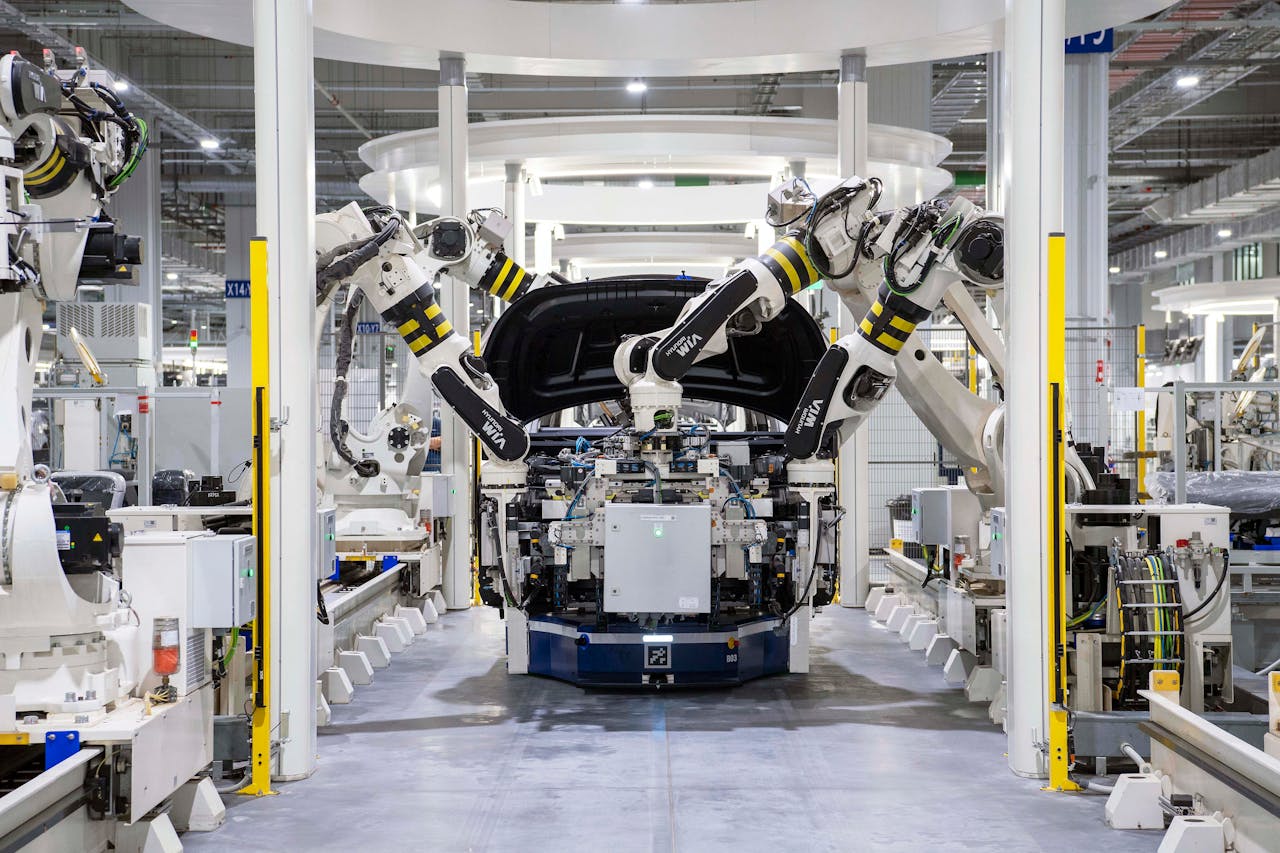

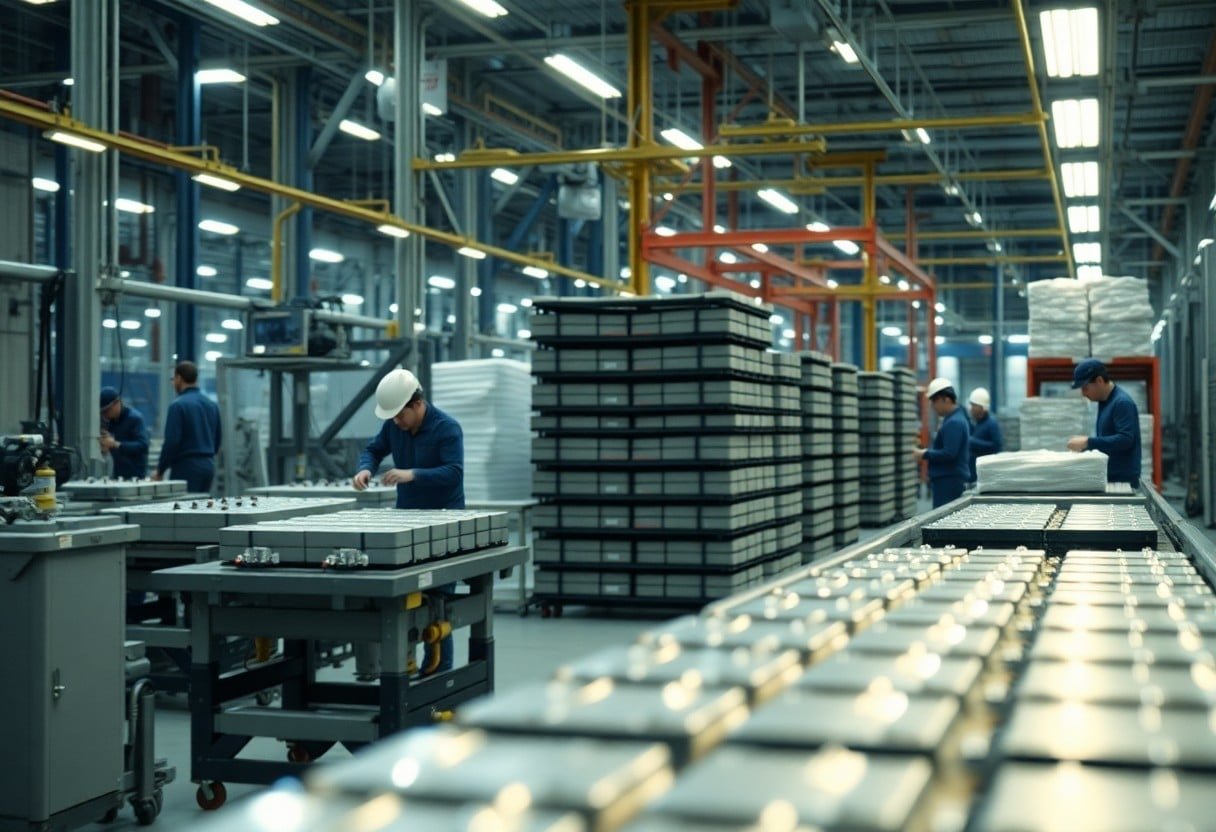
Manufacturing electric vehicles (EVs) is increasingly challenged by constraints in lithium and nickel supplies, vital materials for batteries. As you engage with the EV market, understanding these constraints becomes vital, as they directly influence production timelines, costs, and scalability. The ongoing demand for sustainable transportation solutions heightens the urgency for manufacturers to navigate these material limitations effectively. This blog post explores how these constraints impact your ability to drive forward with EV manufacturing growth and what strategies can mitigate potential setbacks.
Key Takeaways:
- Lithium scarcity can hinder battery production, directly impacting EV availability and pricing.
- Nickel supply limitations may restrict the energy density of batteries, affecting overall vehicle performance and range.
- Global supply chain disruptions and increased demand for EVs exacerbate challenges in sourcing these critical materials.
Overview of Electric Vehicle Manufacturing
Your understanding of electric vehicle (EV) manufacturing encompasses several key components, including battery production, assembly processes, and supply chain logistics. The rapid evolution of technologies and materials has led to a significant shift towards sustainable practices. With advancements in battery chemistry, automakers are increasingly focused on maximizing efficiency while reducing environmental impact. As markets expand, manufacturers are also exploring innovative production techniques to enhance scalability and reduce costs.
Current Market Trends
You’ll notice that the EV market is experiencing rapid growth fueled by increasing consumer demand, government incentives, and environmental awareness. In 2022, global EV sales surpassed 10 million units, reflecting a 55% increase from the previous year. The push for electrification is accelerating as evinced by commitments from major manufacturers to transition their fleets towards electrified models. Additionally, developments in charging infrastructure and battery recycling are helping to nurture wider acceptance of EVs.
Key Players in the Industry
The landscape of the EV manufacturing industry is populated by influential players such as Tesla, Volkswagen, and Nissan, each contributing uniquely to the sector’s growth. Tesla leads in innovation and market capitalization, pushing the limits of technology and production efficiency. Meanwhile, traditional automakers like Volkswagen are ramping up their electrification strategies, investing billions into EV development to stay competitive. This evolving competitive landscape emphasizes the importance of adaptability and foresight in the advent of new technologies.
The key players in the EV industry are not only competing for market share but are also forging strategic partnerships with battery manufacturers and technology firms to enhance their production capabilities. For example, Tesla has formed alliances with Panasonic for battery supplies, establishing Gigafactories to streamline production. Meanwhile, Ford is investing heavily in EV startups and technology firms to bolster its transition. These collaborations underscore the need for innovation coupled with traditional automotive expertise to navigate the complexities of sourcing materials like lithium and nickel.
The Role of Lithium in EV Batteries
Lithium is a vital component in the production of lithium-ion batteries, which power the majority of electric vehicles today. Its properties enable high energy density and long cycle life, necessary features for effective EV performance. The shift toward lithium-based batteries supports rapid acceleration and extended ranges, catering to growing consumer demands. Consequently, any constraints in lithium supply directly influence battery production capabilities and, ultimately, overall EV growth.
Sources and Availability
You will find that lithium is predominantly extracted from hard rock mining and brine sources, with Australia and Chile leading global production. As demand surges, exploration for additional reserves is underway, revealing the necessity for balancing extraction techniques and environmental considerations. Investments in lithium projects are increasing, yet regulatory hurdles can slow development, impacting future supply chains.
Supply Chain Challenges
<p Navigating supply chain obstacles proves necessary for maintaining stable lithium availability. Various factors, including geopolitical tensions and environmental regulations, complicate extraction processes, resulting in potential delays or increased costs. The current reliance on a few countries for lithium resources fosters a vulnerable market; disruptions in any region can create ripple effects felt throughout the global EV industry.
<p Recent analysis highlights the vulnerability of lithium supply chains, particularly as battery manufacturers face increasing demand for more sustainable practices. For instance, environmental concerns often delay mining projects, while geopolitical tensions can lead to embargoes or trade restrictions in producing countries. Additionally, fluctuations in transportation costs and logistics bottlenecks can further strain supply chains. This precariousness emphasizes the need for diversifying supply sources and investing in recycling methods, which could mitigate risks and ensure a more stable supply of lithium for the burgeoning EV market.
The Role of Nickel in EV Batteries
Nickel plays a pivotal role in the efficiency and energy density of EV batteries. It enhances the capacity of lithium-ion cells, allowing for greater energy storage and longer driving ranges. As demand for electric vehicles rises, the need for high-nickel batteries becomes apparent, fueling the conversation around materials sourcing. For insights on whether there are enough resources to meet this growing electric vehicle demand, check out Electric vehicle demand – has the world got enough lithium?
Importance for Performance
The addition of nickel in lithium-ion batteries significantly improves their performance and longevity. Higher nickel content allows for increased energy capacity, which translates to extended driving range and faster charging times. This performance enhancement is vital as consumers expect greater efficiency from electric vehicles, pushing manufacturers to prioritize nickel-rich chemistries in their designs.
Supply and Pricing Issues
Supply and pricing issues surrounding nickel have far-reaching implications for the EV industry. Fluctuating nickel prices can directly impact the cost of battery production, ultimately affecting vehicle pricing and affordability. As demand surges, supply chain constraints create uncertainty and potential delays in manufacturing.
Market volatility has been a persistent challenge for nickel sourcing, largely driven by geopolitical factors, mining regulations, and evolving demand from the stainless steel industry. As a key ingredient in high-performing EV batteries, any instability in nickel supply can hinder growth projections for electric vehicle production. This situation has led manufacturers to explore alternative materials or adjust battery chemistries to mitigate risks related to nickel availability, further influencing pricing and strategic sourcing decisions.
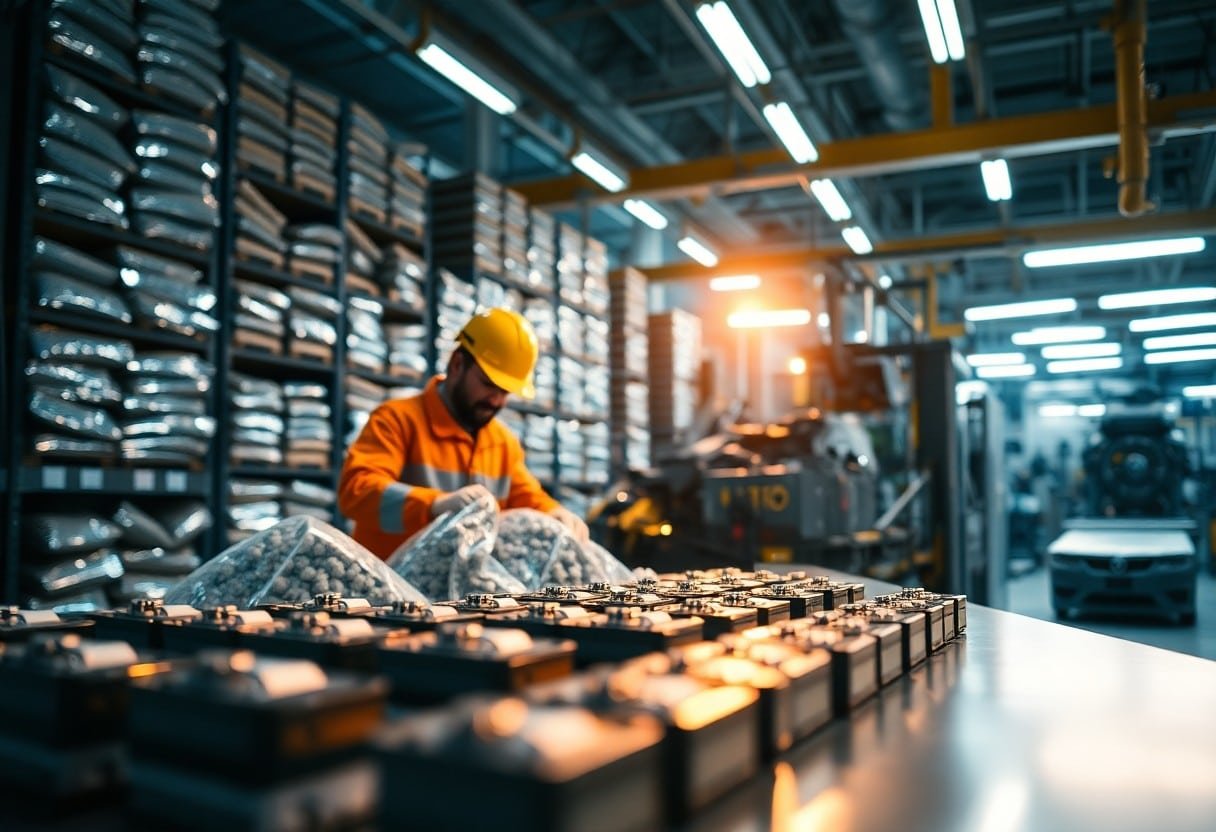
Interplay Between Lithium and Nickel Constraints
The intersection of lithium and nickel constraints creates a complex dynamic that reverberates throughout the EV manufacturing sector. While both materials are important for battery performance, their simultaneous scarcity raises concerns about production capacity and the overall timeline for electric vehicle adoption. As detailed in Metal mining constraints on the electric mobility horizon, the interconnectedness of these supply chains necessitates strategic planning and resource allocation from manufacturers.
Potential Production Limitations
Your electric vehicle production could face significant limitations due to the intertwined shortages of lithium and nickel. A lack of sufficient lithium might slow down battery manufacturing, while nickel supply constraints could compromise the efficiency of the batteries themselves. These simultaneous challenges create a bottleneck that hinders the industry’s ability to scale up as demand increases.
Effects on Vehicle Pricing
As supply limitations for lithium and nickel continue, you are likely to see an increase in vehicle pricing. This escalation can be attributed to the higher costs of sourcing these critical materials, which directly affects the overall manufacturing expenses. Consequently, manufacturers may pass these costs onto consumers, making electric vehicles less accessible.
In relation to vehicle pricing, manufacturers are already reacting to potential cost increases from lithium and nickel shortages. For instance, some EV makers are forecasting up to a 20% increase in prices over the next few years if supply constraints persist. This upward pressure on pricing not only impacts consumer choices but also challenges the competitive landscape of the automotive market, as manufacturers strive to balance profitability while expanding EV adoption. As a result, consumers might delay purchases or opt for alternative vehicle options, affecting long-term growth in the EV sector.
Technological Innovations and Alternatives
Your exploration of technological advancements reveals a range of innovations aimed at overcoming lithium and nickel constraints in EV manufacturing. Alternative battery technologies, such as solid-state batteries and sodium-ion batteries, are emerging as viable options. These innovations not only promise improved energy densities but also reduce reliance on scarce materials, positioning the industry toward a more sustainable future.
Advances in Battery Chemistry
Progress in battery chemistry is reshaping the landscape of EV power sources. Researchers are developing batteries that utilize less nickel and lithium, such as lithium iron phosphate (LFP), which offers safety advantages and longer cycle life. This shift enables manufacturers to lower costs while minimizing dependence on volatile raw material markets.
Recycling and Sustainability Efforts
Recycling initiatives are gaining momentum to address material scarcity and environmental concerns in EV battery production. Streamlined processes allow for the recovery of valuable metals, reducing the demand for new lithium and nickel. Innovations such as direct recycling methods are improving efficiency, opening pathways for a circular economy within the EV sector.
Focusing on recycling and sustainability efforts is crucial as global EV adoption accelerates. Companies like Redwood Materials and Li-Cycle are pioneering technologies that reclaim up to 95% of critical battery materials. Additionally, integrating closed-loop systems not only lessens environmental impact but also translates to considerable cost savings in raw material procurement. As public policy increasingly favors green initiatives, these recycling efforts will become pivotal, securing resource availability and further propelling EV manufacturing growth.
Future Projections for EV Manufacturing Growth
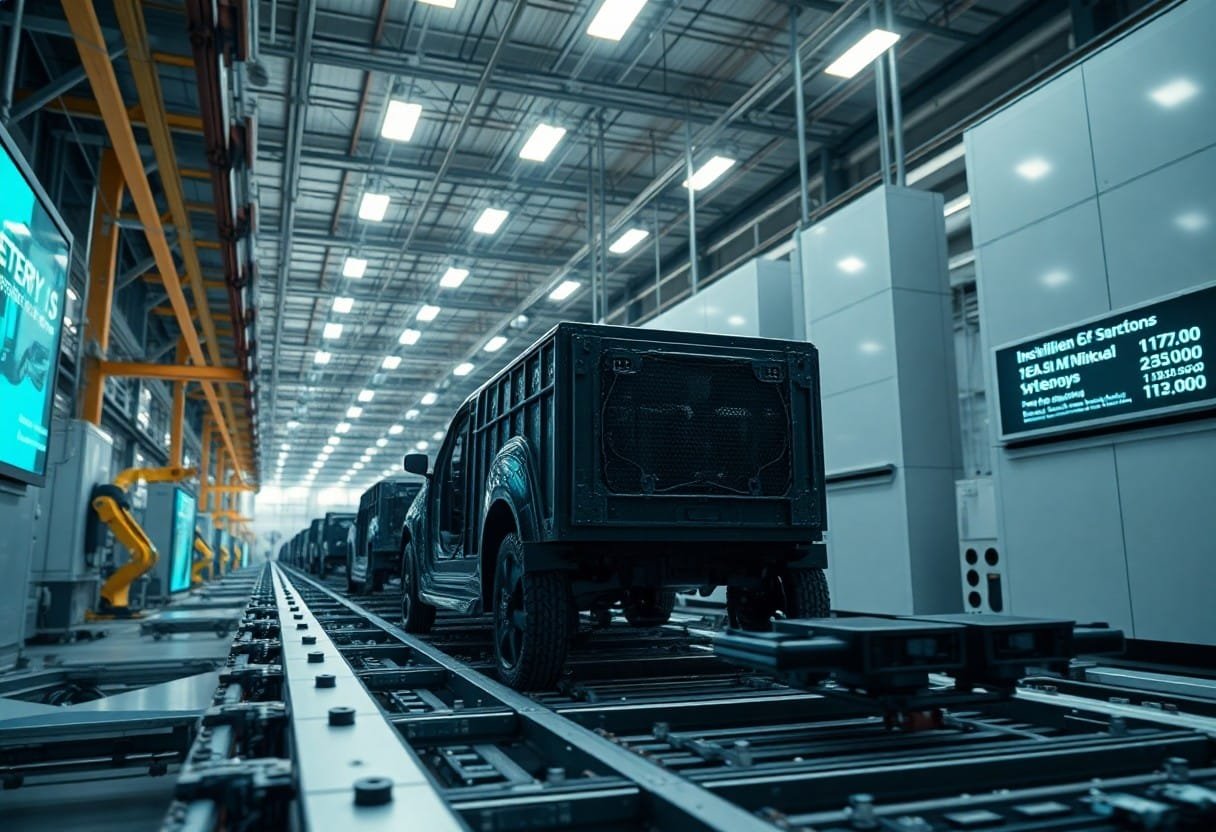
The trajectory of EV manufacturing growth is closely tied to advancements in battery technology and material sourcing. As the industry embraces sustainable solutions, projections indicate a substantial increase in production capacity, aligning with global demands for cleaner transportation. Innovations in recycling practices and improvements in supplying materials, including the mitigation of lithium and nickel shortages, are anticipated to drive this growth. You can learn more about the implications by exploring The Environmental Impact of Battery Production for EVs.
Market Demand Forecast
<p Forecasts anticipate the global EV market will reach approximately 30 million units by 2030, driven by stricter emission regulations and growing consumer interest in sustainability. With governments worldwide investing in infrastructure and incentives, your role in driving this demand becomes critical as awareness of EV advantages increases.
Impact of Material Constraints on Growth
Material constraints, particularly regarding lithium and nickel, threaten to slow the rapid growth of EV manufacturing. As demand surges, the availability of these key materials becomes a bottleneck, affecting production timelines and costs, which may hinder your ability to scale effectively in this competitive market.
Without adequate lithium and nickel supplies, automakers face significant challenges in meeting production goals. The increased competition for these materials has led to volatile pricing, complicating budget forecasts. Investments in alternative battery technologies and local sourcing initiatives are vital to offset these constraints; thus, you need to stay informed about market trends and potential shifts toward less resource-intensive battery chemistries to maintain your competitive edge in the EV sector.
Summing up
Now that you understand the significant impact of lithium and nickel constraints on EV manufacturing growth, it’s clear that these resource limitations can directly affect production rates and innovation in the electric vehicle industry. As you navigate this evolving landscape, being aware of supply chain challenges, pricing fluctuations, and technology advancements will equip you to make informed decisions, whether as a consumer, investor, or industry participant. Addressing these constraints is crucial for ensuring sustainable growth and maximizing the transition to electric mobility.