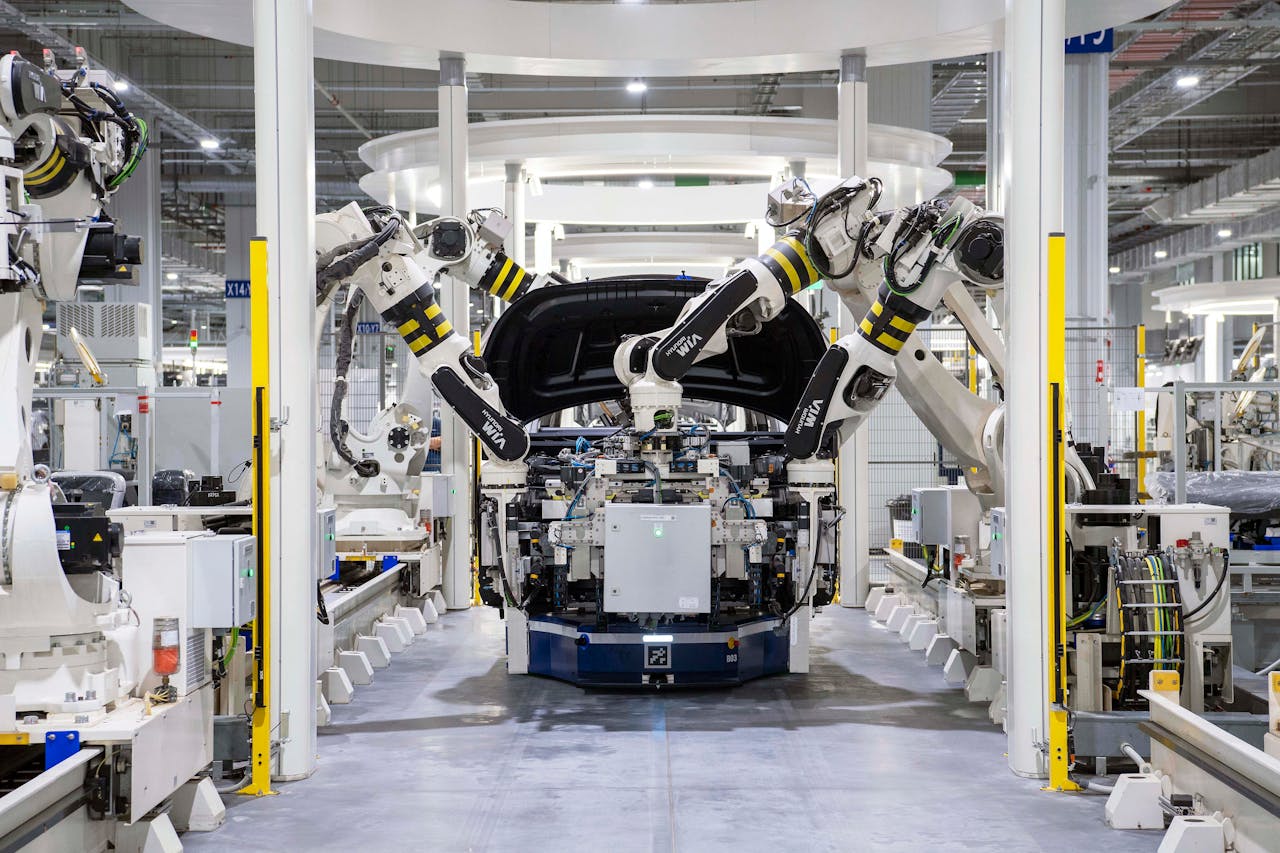


Over the years, the internal combustion engine has changed the way we live and interact with technology, setting the stage for the rapid advancements we experience today. As you navigate the unfolding landscape of the AI revolution, it’s imperative to reflect on the successes and challenges of the past. By understanding these lessons, you can better prepare yourself for the transformative power of AI and harness its potential to enhance your life and work.
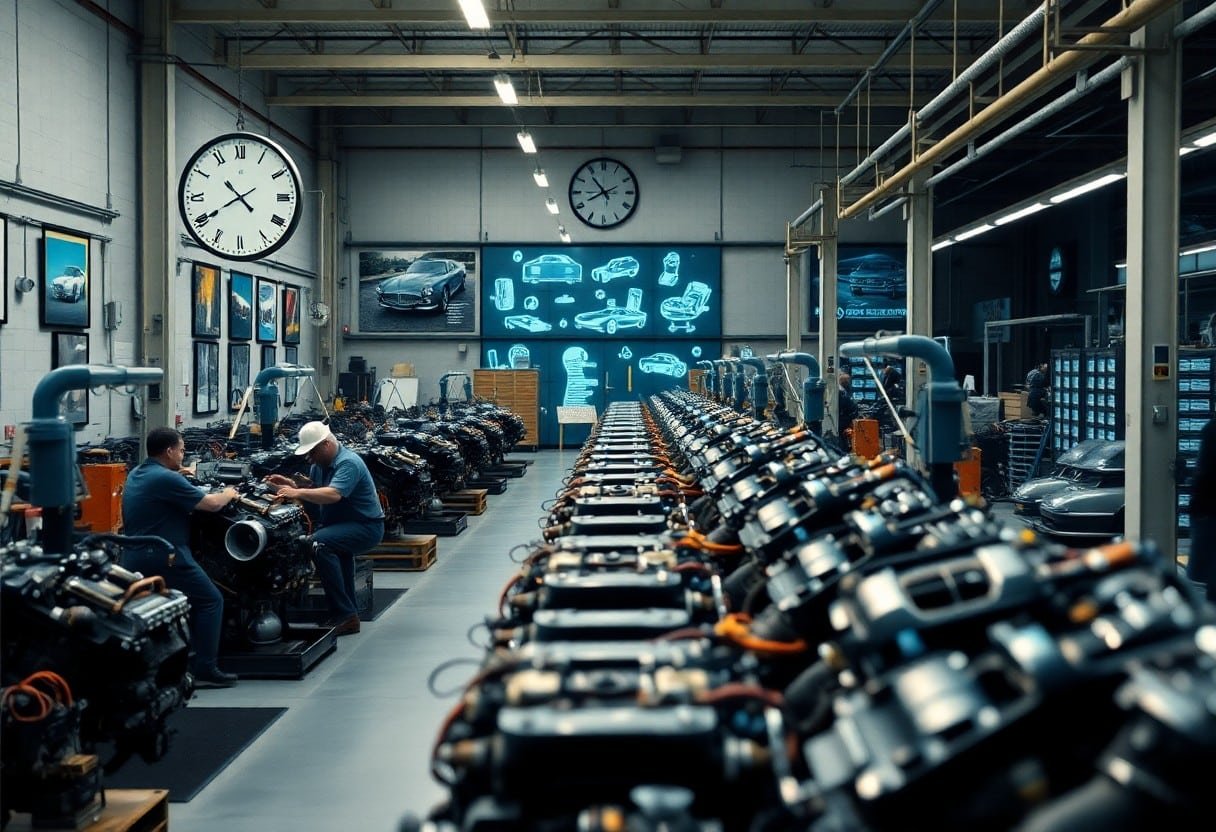
Key Takeaways:
- The internal combustion engine era highlights the importance of infrastructure development to support technological advancements.
- Regulatory frameworks must evolve alongside innovations to address ethical, safety, and environmental concerns.
- User acceptance and adaptation play a vital role in the successful integration of new technologies into everyday life.

The Rise of the Internal Combustion Engine
The internal combustion engine revolutionized transportation in the late 19th century, making personal and commercial mobility more accessible than ever. As vehicles transitioned from steam and horse-drawn carriages to gasoline-powered engines, you witnessed a transformation in society, enabling rapid urban sprawl, economic growth, and the birth of new industries. This shift changed daily life, influencing how you interacted with your environment and the economy at large.
Innovations That Changed the Game
Key innovations like the electric starter, carburetor, and assembly line manufacturing streamlined production and improved vehicle reliability. These advancements made cars more affordable and appealing to the average consumer, providing you with diverse options for transportation. Companies such as Ford and Diesel capitalized on these technologies, permanently altering the automotive landscape and establishing benchmarks for efficiency and performance.
Lessons Learned from Early Adoption
Embracing the internal combustion engine era taught you about the risks and rewards of early adoption in technology. Initial failures led to a gradual refinement, highlighting the importance of iterative development and regulatory considerations. Individuals and businesses that adopted these technologies faced challenges but also paved the way for innovations that defined entire industries.
Consider the early days of the automobile where companies like Ford faced skepticism and regulatory hurdles. The lack of infrastructure, such as roads and refueling stations, initially slowed adoption. However, by advocating for improvements and engaging with policymakers, these pioneers shaped a conducive environment for innovation. Your understanding of the necessity for collaborative efforts between innovators, governments, and the public is critical as you navigate the complexities of AI integration. Each step taken not only refined the technology but also set a precedent for how societal readiness impacts technological adoption.
The Transition to Alternative Energy
The shift toward alternative energy is mirrored in the automotive industry’s evolution, where increasing pressures to reduce emissions led to innovations in electric and hybrid vehicles. Your choices play a significant role in this transformation, as consumer preferences shape market dynamics and influence investment in sustainable technologies. The Engine Technology Forum Offers View of the Future for Internal Combustion Engine Design highlights critical advancements, ensuring the industry adapts to a cleaner future.
Historical Resistance and Acceptance
Transitioning from traditional engines faced skepticism, as stakeholders clung to familiar technologies. Early adopters of electric vehicles often encountered criticism regarding performance and infrastructure. Yet, with growing environmental concerns and technological advancements, acceptance gradually increased, evident in policy shifts and incentives for cleaner technologies.
What It Means for AI and Sustainability
Your engagement with artificial intelligence can drive sustainable practices across various sectors. AI’s ability to analyze data and optimize systems enhances energy efficiency, from smart grids to automated transportation. As businesses leverage AI, the potential for reducing carbon footprints increases significantly.
AI’s integration into sustainability efforts extends beyond mere efficiency. For instance, AI-driven predictive analytics can optimize energy consumption in industries, directly impacting emissions. Companies implementing AI solutions for resource management have reported up to 30% reductions in energy use. As you explore AI applications, consider how these innovations can align with your sustainability goals, driving both economic benefits and ecological responsibility.
The Role of Regulation and Policy
Regulation and policy play significant roles in shaping technological landscapes, much like how early automotive regulations influenced the internal combustion engine’s development. Effective policies can accelerate innovation while ensuring public safety and environmental protection as AI technologies evolve.
Government Influence in Technological Change
Throughout history, governments have driven technological change, fostering innovation through subsidies, tax incentives, and regulatory frameworks. These interventions can either spur growth or stifle advancements based on how they’re structured. AI’s evolution may similarly depend on how governments choose to incentivize ethical development and responsible use.
The Importance of Ethical Guidelines in AI
Establishing ethical guidelines for AI is vital to ensure that technology aligns with societal values and responsibilities. These guidelines can help mitigate potential risks associated with AI systems, fostering trust among users while promoting fairness and accountability in deployment.
Ethical guidelines in AI are not just recommendations; they serve as vital frameworks that guide developers and organizations towards responsible innovation. For instance, the Asilomar AI Principles emphasize safety and aligned values. Numerous organizations, like the Partnership on AI, are advocating for transparency and ethical transparency to prevent bias in algorithms, echoing how early automobile regulations aimed to ensure safety and public trust. By prioritizing ethics in AI, you are vitally paving the way for a more inclusive and equitable technological landscape. Such proactive measures can ultimately prevent the pitfalls witnessed during previous technological revolutions, ensuring AI development benefits everyone.
The Impact on Employment and Skills
The internal combustion engine era significantly reshaped labor markets, highlighting how technological advancements can disrupt existing job landscapes and create new opportunities in unexpected sectors.
Job Creation and Destruction
The rise of the internal combustion engine led to a surge in manufacturing and maintenance jobs, while also displacing workers in horse-drawn transport. Similarly, AI is poised to generate jobs in data analysis and machine learning, even as it automates tasks traditionally performed by humans.
Preparing Workers for the AI Era
Equipping the workforce for an AI-dominated future involves investing in education and training. By emphasizing STEM skills and digital literacy, workers can adapt to changing job requirements and seize emerging opportunities in tech-driven industries.
Fostering a culture of continuous learning is vital. Upskilling and reskilling programs tailored to AI technologies can provide employees with the necessary tools to thrive. For instance, community colleges and tech boot camps are increasingly offering specialized courses that cover AI concepts, programming, and data science. Companies can also collaborate with educational institutions to create internships and on-the-job training, ensuring that skills remain relevant. As industries evolve, a proactive approach to worker preparation will not only buffer against job displacement but also harness the potential of a technologically advanced workforce.
Consumer Behavior and Adoption
Your understanding of consumer behavior during the internal combustion engine’s rise can provide insights into the adoption of AI technologies today. The automotive industry’s transformation was driven by demand for efficiency, safety, and convenience, highlighting how consumer preferences shape technology trends. As you analyze this evolution, consider how personal experiences and societal shifts influence the transition from skepticism to widespread use.
How Customers Influenced the Automotive Scene
<pCustomers were pivotal in shaping the automotive landscape, driving manufacturers to innovate based on preferences for comfort, design, and performance. The gradual acceptance of features like automatic transmissions and safety enhancements reflected a direct response to consumer feedback. This participatory dynamic ensured that companies tuned their offerings to better meet expectations, which allowed the market to evolve rapidly.
Anticipating User Adoption of AI Technologies
<pForesight into user adoption of AI technologies hinges on understanding the factors that influenced past consumer adaptations. The evolution of features in cars, such as GPS and infotainment systems, mirrored consumer demands for more intuitive, user-friendly technology. As you explore AI adoption, note the emphasis on addressing privacy concerns and the importance of demonstrating tangible benefits to end-users.
<pAnticipating user adoption of AI technologies requires a nuanced appreciation of previous technology shifts. For example, as the automotive industry incorporated advanced features like real-time navigation and voice-activated controls, it was crucial to not only showcase functionality but also offer extensive education on their utility. A similar approach should be taken with AI-emphasizing simplicity and user empowerment while tackling concerns around data security. Manufacturers who anticipate user needs and engage in dialogue will likely see smoother transitions and greater acceptance of AI advancements. This customer-centric strategy can facilitate the acceptance curve for AI across various sectors.
The Future: What’s Next for AI?
Predictions Based on Historical Trends
You can expect AI to evolve similarly to the internal combustion engine, where incremental improvements lead to exponential advances. Historical data indicates that AI’s integration across industries will accelerate, driven by increasing computational power and data availability. Automation will redefine job markets, and, much like the early automotive industry, regulatory frameworks will need to catch up with rapid technology changes to ensure ethical deployment.
The Role of Collaboration and Community
A thriving ecosystem of collaboration will significantly shape the future of AI. By fostering partnerships between academia, industry, and open-source communities, you can see innovation flourish. Accessible platforms for knowledge sharing, like GitHub or research collaborations, enable breakthroughs that no single entity could achieve alone. Communities of developers, researchers, and enthusiasts will drive grassroots initiatives, ensuring AI advancements are inclusive and beneficial across society.
Successful AI initiatives often stem from collaborative efforts that pool talents and resources. For example, partnerships between tech giants like Google and universities have led to significant advancements in machine learning methodologies. Open-source projects, such as TensorFlow, harness the collective intelligence of global contributors, resulting in tools that benefit everyone. This shared approach not only accelerates development but also democratizes technology, allowing diverse voices to shape AI’s trajectory and build solutions reflecting a wider array of societal needs.
Conclusion
Taking this into account, you can draw valuable insights from the internal combustion engine era that are applicable to the ongoing AI revolution. The importance of adaptability, continuous learning, and embracing change cannot be overstated. Just as the engine era transformed industries and lifestyles, you have the opportunity to shape your future by leveraging AI technology, anticipating ethical considerations, and cultivating a mindset open to innovation. This powerful blend of lessons from the past can guide you in navigating the exciting landscape of AI, ensuring your relevant and informed participation in this transformative journey.