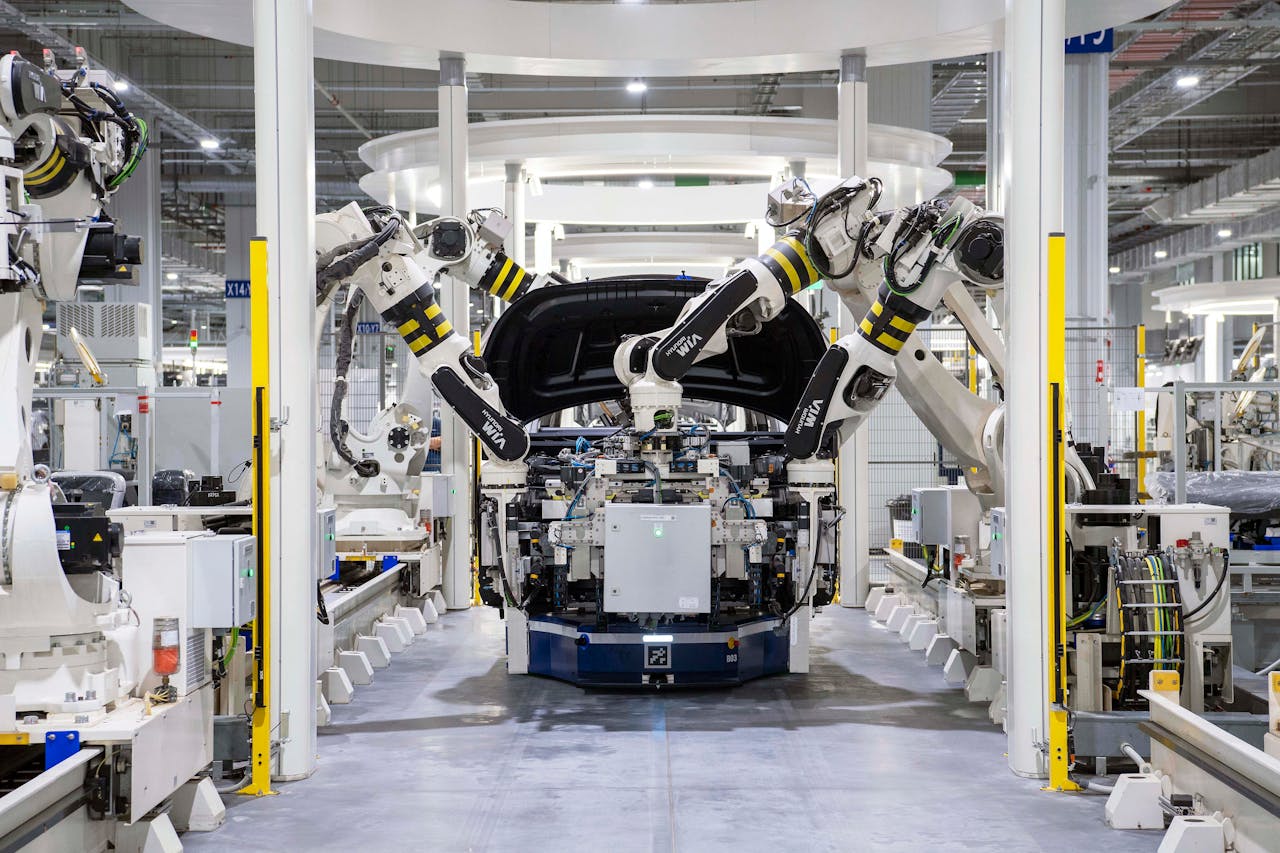

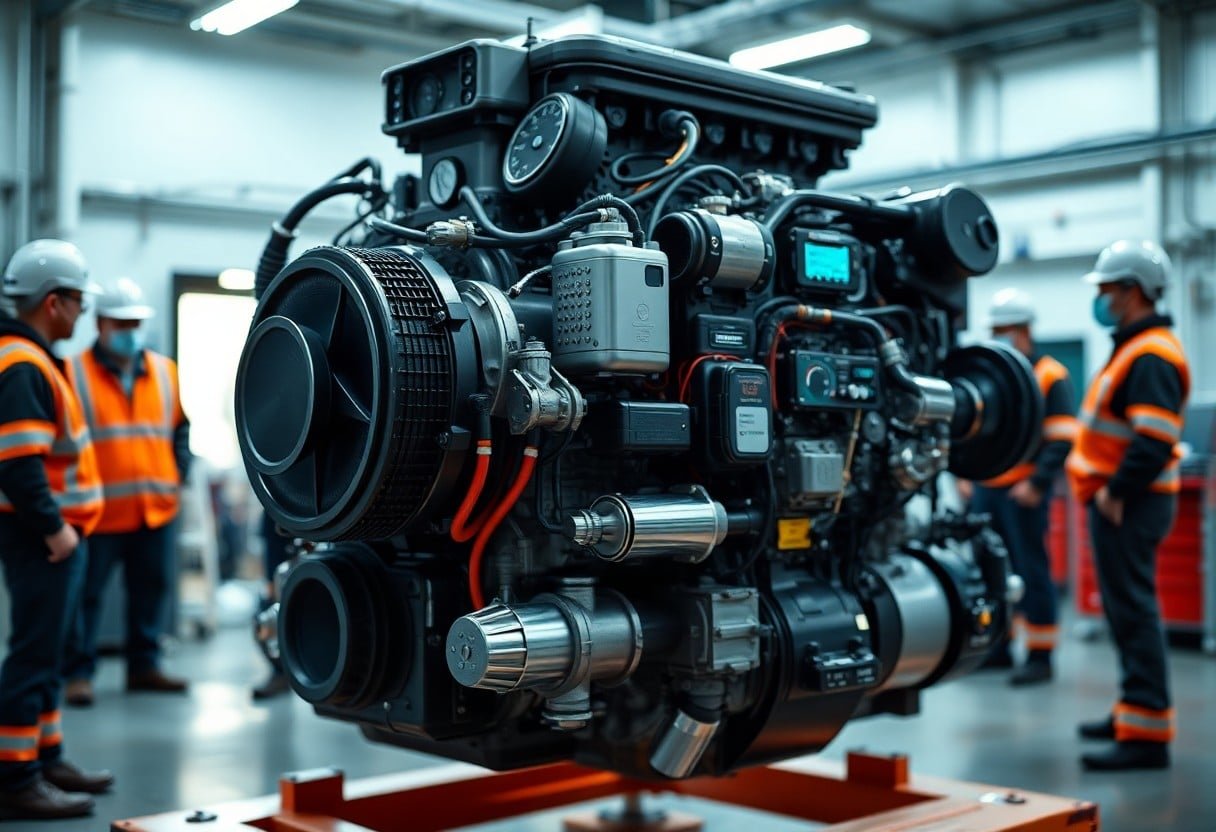
There’s a growing imperative for you to transition towards cleaner engine technologies as the world focuses on decarbonization. This blog post outlines imperative steps you can take, from integrating hybrid solutions to exploring hydrogen fuel alternatives. By understanding the processes involved and implementing innovative strategies, you can position yourself at the forefront of next-generation engineering, significantly reducing your carbon footprint and contributing to a sustainable future.
Key Takeaways:
- Hybridization strategies can significantly enhance the efficiency of next-generation engines while reducing emissions.
- Investment in hydrogen infrastructure and technology is important for transitioning to cleaner fuel options in the automotive sector.
- Collaboration between industry stakeholders, governments, and research institutions is vital for accelerating decarbonization efforts in engine development.
Understanding Hybridization
Hybridization in engine technology represents a blend of traditional internal combustion engines and alternative energy sources, primarily electric systems. By combining these powertrains, you can achieve enhanced performance and reduced emissions, making it a pivotal strategy for decarbonizing the transportation sector.
Definition and Importance
Hybridization refers to the integration of an internal combustion engine with an electric motor, allowing for more efficient power usage. This technology plays a significant role in reducing greenhouse gas emissions and improving fuel efficiency, making it a vital component in combating climate change in the automotive industry.
Advantages of Hybrid Systems
Hybrid systems offer numerous advantages, including improved fuel efficiency, reduced emissions, and enhanced performance. By leveraging electric power during acceleration and traditional fuel during longer journeys, you can optimize energy use, resulting in significant savings on fuel costs over time.
The benefits extend beyond just fuel savings; in urban environments, hybrids can operate in electric mode, eliminating tailpipe emissions entirely during short trips. Additionally, advancements in battery technology have allowed for increased range and quicker charging times, making hybrids a compelling choice for many consumers. As cities increasingly implement stricter emissions standards, your hybrid vehicle can adapt to these changing regulations, offering sustainable mobility without sacrificing convenience. The transition to hybrid systems doesn’t only align with environmental goals but also positions you advantageously in a rapidly evolving automotive market.
Hydrogen as an Alternative Fuel
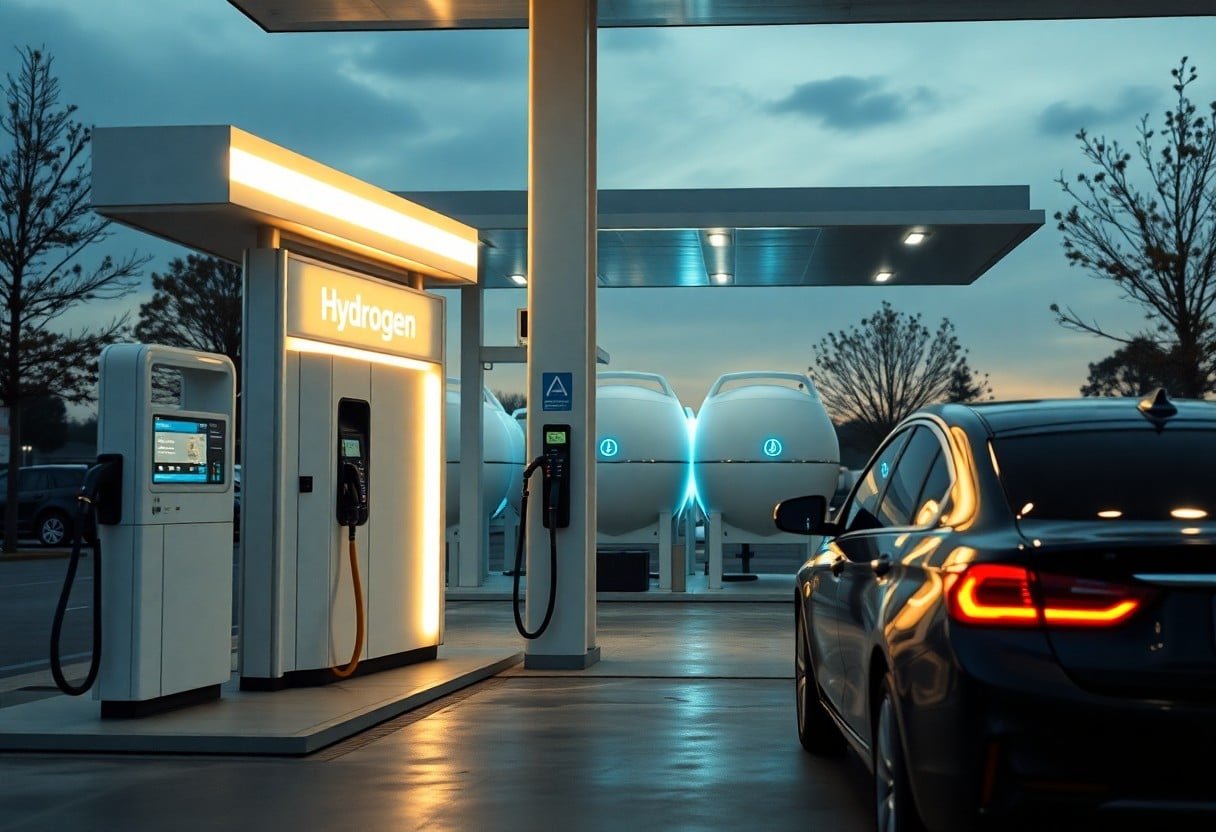
Hydrogen is rapidly emerging as a viable alternative fuel option, ushering in a new era of combustion technology. This transition is marked by a move towards cleaner emissions and improved energy efficiency. For insights into this transformation, refer to The transition to sustainable combustion: Hydrogen- and ….
Properties of Hydrogen
Hydrogen possesses unique properties that make it an attractive fuel source. It is the lightest and most abundant element in the universe, with a high energy content per mass-approximately three times that of gasoline. Hydrogen combusts cleanly, producing only water vapor as a byproduct, thus significantly reducing greenhouse gas emissions.
Production Methods
Various methods exist for hydrogen production, including steam methane reforming, electrolysis, and biomass gasification. Each technique varies in efficiency and environmental impact, influencing how hydrogen can be integrated into energy systems.
For example, steam methane reforming is currently the most common approach, utilizing natural gas, but it produces carbon emissions. In contrast, electrolysis, which splits water into hydrogen and oxygen using electricity, enables the use of renewable energy sources, thereby mitigating environmental concerns. Biomass gasification converts organic materials into hydrogen, offering a sustainable option but with varying scalability. Each method’s efficiency and carbon footprint will be key determinants in hydrogen’s future viability as a fuel source.
Next-Generation Engine Technologies
In the race towards decarbonization, next-generation engine technologies are pivotal. Automotive leaders are actively pursuing innovative solutions to enhance efficiency and reduce emissions. You can explore automakers’ decarbonization efforts in action, showcasing how different manufacturers are integrating advanced technologies into their vehicles.
Current Innovations
Right now, you’re witnessing significant advancements in electric and hybrid powertrains, utilizing lighter materials and improved battery technologies. Innovations like regenerative braking systems enhance energy efficiency, while manufacturers are also focusing on optimizing internal combustion engines through innovative fuel types and emissions control technologies.
Future Trends
The future of engine technologies is moving towards hydrogen fuel cells and advanced hybrid systems. These developments promise cleaner alternatives with enhanced performance. As regulatory pressures increase, investments in research and partnerships are set to drive this transition, paving the way for a cleaner automotive landscape.
Emerging trends highlight a shift towards hydrogen as a viable energy source, with several automakers planning to expand their hydrogen fuel cell offerings. Companies are exploring synergies between battery electric vehicles and hydrogen solutions to create versatility in fuel options. Moreover, advancements in solid-state batteries are anticipated to significantly increase the range and charging speeds of electric vehicles. This dual approach ensures that you have access to a range of sustainable choices, aligning with global decarbonization goals while meeting consumer demands for performance and convenience.
Decarbonization Strategies
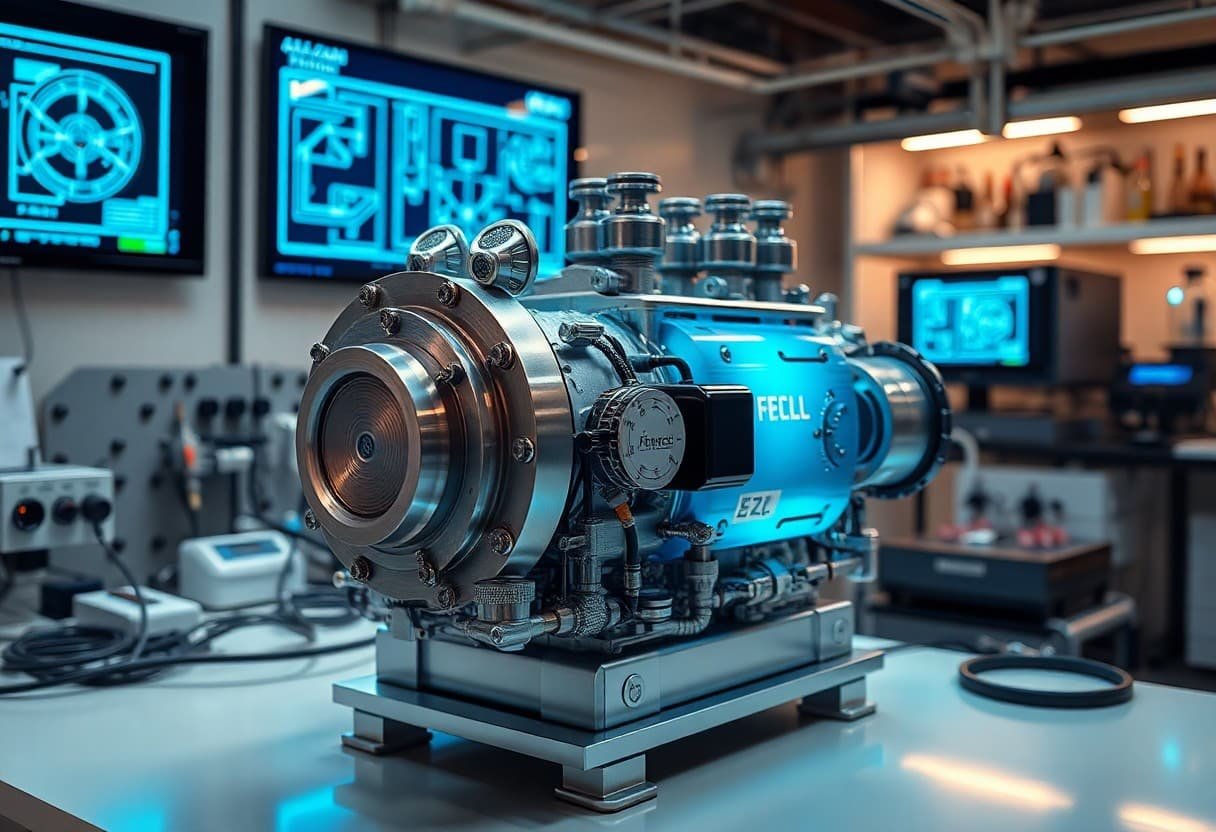
You can adopt a variety of decarbonization strategies to enhance engine performance while minimizing your carbon footprint. These methods range from implementing advanced combustion systems to incorporating Hydrogen for Decarbonization: A Realistic Assessment, which provides insights into hydrogen’s potential as a low-emission fuel. By focusing on optimizing fuel efficiency and exploring alternative energy sources, you pave the way for sustainable progression in the automotive industry.
Emission Reduction Techniques
Emission reduction techniques are vital for achieving cleaner engine outputs. You can utilize strategies such as exhaust gas recirculation (EGR), selective catalytic reduction (SCR), and the adoption of particulate filters. These methods significantly decrease harmful gases released into the atmosphere, aligning with stringent environmental regulations and improving public health. Consider investing in research for innovative materials and engine designs that facilitate further reductions in emissions.
Policy and Regulatory Framework
Your compliance with the evolving policy and regulatory framework is vital for successful decarbonization efforts. Governments worldwide are implementing stricter emissions standards and incentivizing cleaner technologies. Engaging with these policies not only helps you avoid penalties but also opens up funding opportunities for sustainable innovations. Staying informed on local, national, and international regulations can guide your strategic planning in emission reduction.
The landscape of policy and regulatory frameworks surrounding decarbonization is complex and constantly changing. By understanding existing legislation, such as the Clean Air Act in the U.S. or the European Union’s Green Deal, you can adapt your strategies accordingly. Participating in industry discussions and collaborating with stakeholders will help shape future regulations that support sustainable development while ensuring your organization remains compliant and competitive. Emphasizing transparency in your carbon reporting will also strengthen your credibility in the market.
Case Studies in Engine Decarbonization
Examining real-world examples of engine decarbonization provides valuable insights into effective strategies and outcomes. Case studies show diverse approaches, showcasing varying technologies and methodologies that have successfully reduced emissions while maintaining performance. Understanding these implementations guides your pathway toward sustainable engine solutions.
- Volvo Buses: Reduced CO2 emissions by 75% through hybrid technology in city buses.
- Hino Motors: Successfully tested hydrogen-fueled internal combustion engines, achieving 90% lower emissions compared to diesel.
- BMW’s i Series: The i3 and i8 models demonstrate electric-hybrid integration, leading to 50% fuel savings.
- Mitsubishi Fuso: Launched eCanter, a fully electric truck, cutting operational emissions by over 90% compared to diesel counterparts.
- Mercedes-Benz: Achieved a 50% reduction in nitrogen oxide emissions in their new OM 654 diesel engine.
Successful Implementations
Real-world examples illustrate that adopting new technologies can yield significant benefits. For instance, Volvo Buses implemented hybrid technologies, resulting in a remarkable 75% reduction in CO2 emissions in urban transport. Similarly, Hino Motors’ hydrogen engine trials demonstrated a drastic 90% emissions decrease compared to traditional diesel engines.
Lessons Learned
Through various implementations, several common lessons emerge regarding decarbonization efforts. Technologies need not only to focus on emissions reduction but also on maintaining performance and reliability to gain wider adoption. Collaboration among manufacturers, regulators, and consumers is necessary in paving the way for successful transitions.
Over time, it has become evident that sustainable engine technology adoption is more effective when accompanied by coordinated efforts among all stakeholders. Realizing accelerated market acceptance of cleaner technologies is achievable when manufacturers engage in transparent communication, demonstrating efficacy through measurable results. Understanding the need for robust infrastructure and supply chains is paramount, as these elements support the seamless integration of alternative fuels, guiding you towards a more sustainable engine landscape.
Actionable Steps for Implementation
To make significant strides in engine decarbonization, it’s imperative to identify and implement actionable steps. These include fostering industry alliances, adopting innovative technologies, and adjusting regulations to support cleaner alternatives. By focusing on collaborative efforts and cutting-edge solutions, you can help steer your organization towards sustainable practices that will lead the automotive sector into a low-emission future.
Industry Collaboration
Building partnerships across the automotive and energy sectors can amplify the impact of decarbonization efforts. You need to engage with manufacturers, research institutions, and regulatory bodies to create shared goals and streamline processes, ultimately leading to greater innovation and faster implementation of sustainable technologies.
Technology Adoption
The adoption of advanced technologies, such as electrification, hydrogen fuel cells, and artificial intelligence, is paramount in reducing emissions. You should assess your current fleet and infrastructure to integrate these innovations effectively, ensuring a smoother transition to greener alternatives that’s both economically viable and environmentally beneficial.
To deepen your commitment to technology adoption, consider implementing pilot programs that allow you to test new systems in controlled environments. For instance, trialing hydrogen fuel cell prototypes can provide insights into operational efficiencies and challenges. Collaborating with tech providers can also ensure you’re up-to-date with emerging solutions, while attending industry conferences will expose you to the latest innovations and success stories from other organizations. This proactive approach will position your company as a leader in the shift towards decarbonized engines.
Summing up
Ultimately, transitioning from hybridization to hydrogen fuels requires you to adopt innovative strategies and technologies that prioritize decarbonization. By embracing these actionable steps, you position yourself at the forefront of the next-generation engine evolution, optimizing both efficiency and environmental responsibility. Your commitment to this journey not only enhances performance but also contributes positively to global sustainability efforts. Equip yourself with the necessary knowledge and tools to navigate this shift, and take decisive actions toward a cleaner, more sustainable future in transportation.