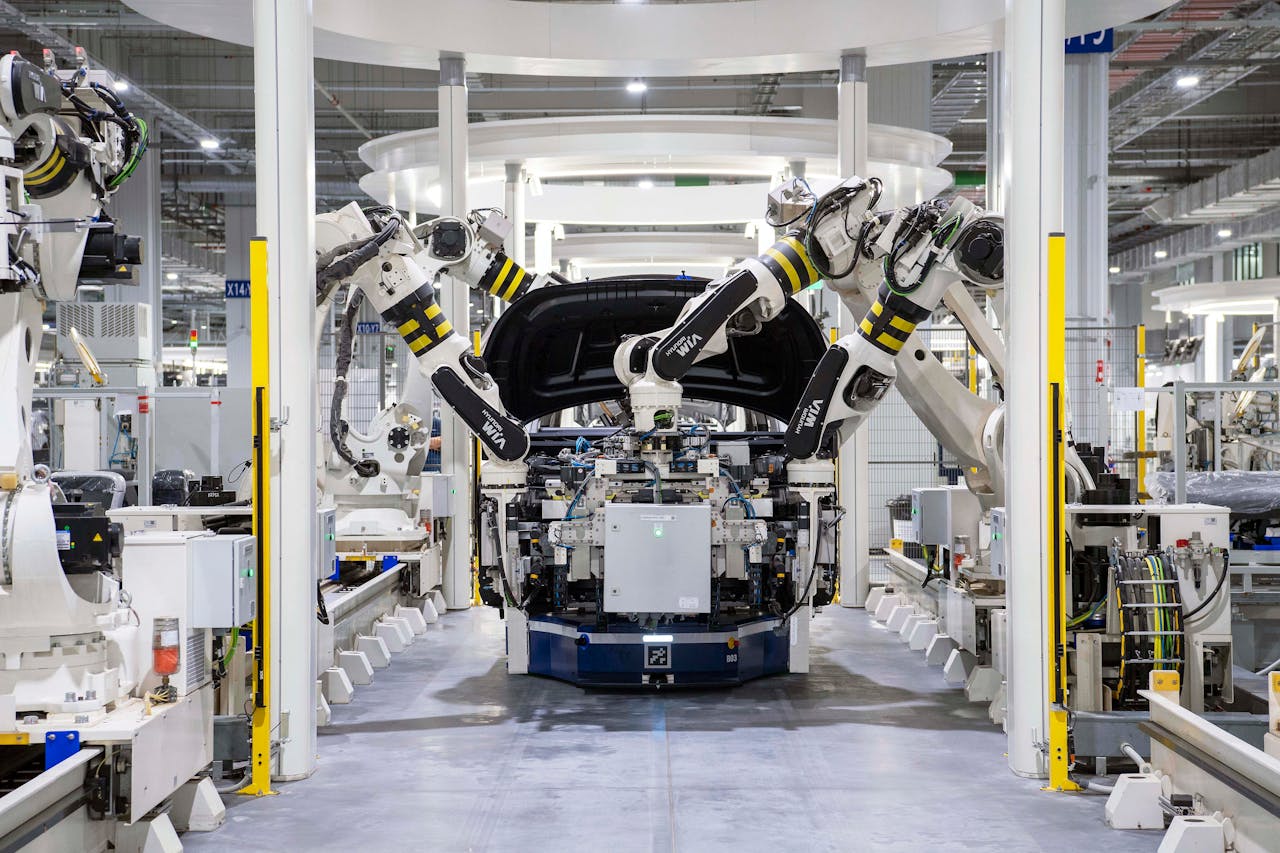


Most industries today rely on the stability of the electric vehicle (EV) battery supply chain, which is increasingly vulnerable to global risks. As you navigate the complexities of this sector, it’s important to recognize factors such as geopolitical tensions, resource scarcity, and market volatility that could disrupt your access to critical materials. Understanding these risks will help you make informed decisions and prepare for potential challenges in the evolving EV landscape.
Key Takeaways:
- Geopolitical tensions and trade conflicts can disrupt the sourcing of critical raw materials for EV batteries, impacting production timelines and costs.
- Environmental regulations and sustainability concerns may affect mining operations and material availability, which are vital for battery manufacturing.
- Technological advancements and supply chain transparency are necessary to mitigate risks related to material shortages and enhance resilience in the battery supply chain.
Overview of the EV Battery Supply Chain
The electric vehicle (EV) battery supply chain encompasses various stages, from raw material extraction to manufacturing and distribution. Each step is interlinked, beginning with the sourcing of vital minerals like lithium, cobalt, and nickel, which are processed into battery cells for use in EVs. This complex network involves multiple stakeholders including miners, refiners, manufacturers, and automotive companies, all of whom play a significant role in ensuring a steady supply of EV batteries.
Key Components and Players
You should recognize key components in the EV battery supply chain, which include raw materials, cell production, battery assembly, and recycling. Major players involve mining companies for material extraction, battery manufacturers like Panasonic and LG Chem, and automotive giants such as Tesla and Ford who integrate these batteries into their EVs. Their interrelations define the flow of goods and data, impacting overall supply stability.
Current Market Dynamics
The current market dynamics reflect increasing demand for EV batteries driven by the global push for sustainable transportation. Current projections estimate that the EV battery market will grow to over $100 billion by 2026. As production ramps up, challenges such as supply chain bottlenecks, inflationary pressures on raw materials, and geopolitical issues are becoming more pronounced, affecting pricing and availability across the board.
The landscape is shifting with governments introducing incentives for EV adoption, further elevating battery demand. However, you face risks from potential trade tariffs, fluctuations in raw material prices, and environmental regulations impacting mining practices. Additionally, as competition intensifies, companies may prioritize local sourcing to mitigate these risks, which could reshape existing supply chains. The interplay of these factors creates an environment where adaptability will be key for maintaining stability in the EV battery market.
Geopolitical Risks
Geopolitical tensions significantly influence the EV battery supply chain, from trade disputes to international sanctions. Nations with vital mineral resources often engage in conflicts or form alliances that could disrupt the supply chain. The 2025 EVS AND BATTERY SUPPLY CHAINS ISSUES AND … report emphasizes how these dynamics can affect global markets, potentially leading to increased costs and shortages.
Influence of Trade Policies
Your operations are directly impacted by shifting trade policies, which can impose tariffs, quotas, or restrictions on key materials necessary for EV battery production. For instance, changes in U.S.-China trade relations have created uncertainty, leading to higher costs for imported materials like lithium and cobalt. Such shifts force you to reassess supply sources and consider local alternatives or strategic partnerships.
Regional Conflicts and Their Impact
Regional conflicts central to mineral extraction areas pose significant threats to supply chain stability. Countries like Afghanistan and the Congo, rich in necessary minerals, often experience instability that can halt production and transport. Political unrest, coupled with weak infrastructure, can result in severe delays, creating ripple effects throughout the global supply chain.
Your understanding of regional conflicts should include specific geopolitical hotspots that could threaten supply routes. For example, disruptions in the Democratic Republic of Congo, a major source of cobalt, could dramatically constrain battery production. Supply chain managers are increasingly tasked with developing contingency plans that mitigate risks associated with these conflicts, emphasizing the need for diversifying sources and investing in alternative technologies to secure a more stable supply chain moving forward.
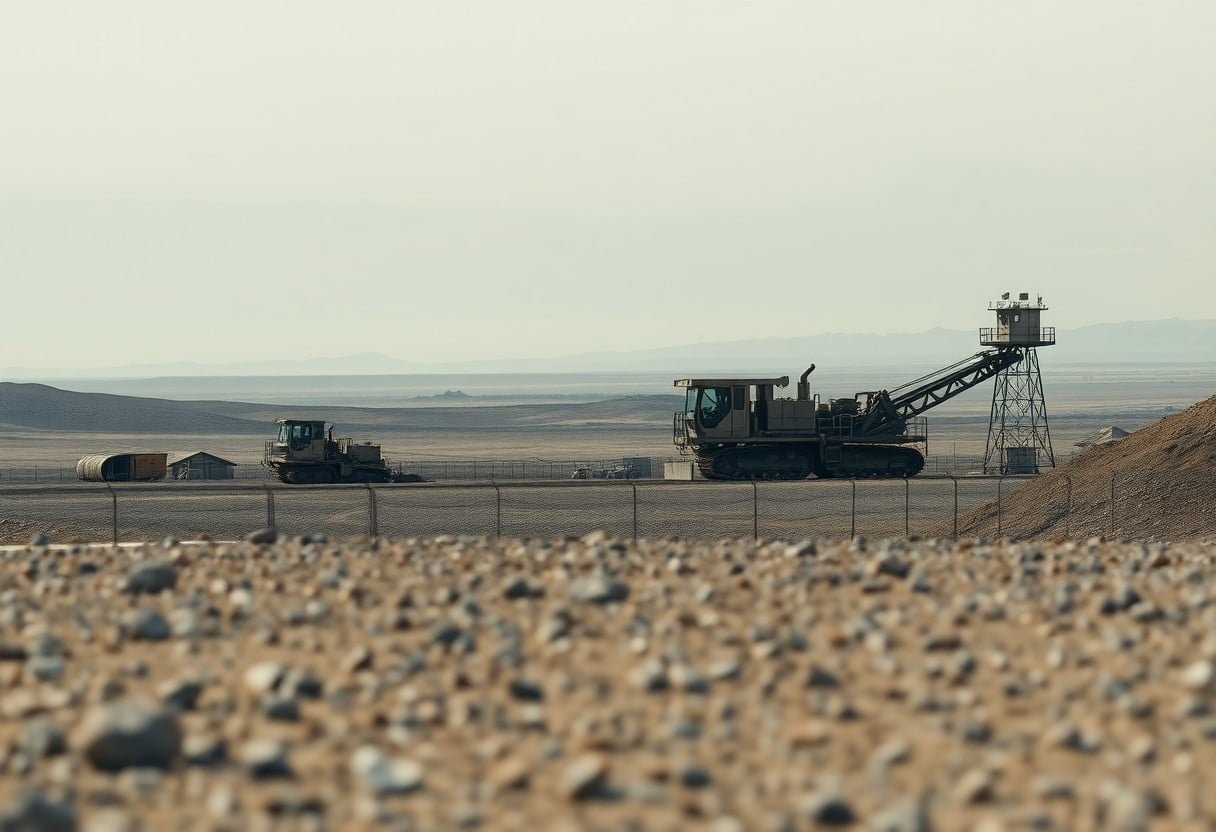
Environmental and Resource Constraints
Your focus on the EV battery supply chain must include the significant impact of environmental and resource constraints. As the demand for electric vehicles soars, the pressure on necessary materials like lithium, cobalt, and nickel intensifies. Issues related to extraction processes, sustainability practices, and environmental regulations can hinder your ability to secure these necessary resources. For detailed insights on risks associated with lithium supply, refer to EV battery supply chain: Country risks & lithium supply.
Mining and Material Scarcity
<pAs the electric vehicle market expands, you face growing challenges in sourcing materials due to increased competition and declining ore grades. The lithium supply chain is particularly vulnerable, as significant reserves are concentrated in a few countries, leading to potential bottlenecks. Efforts to expand mining operations often face local opposition, regulatory hurdles, and environmental concerns, complicating your sourcing strategies.
Sustainability Challenges
You cannot overlook sustainability challenges as they directly impact the EV battery supply chain. Regulations and consumer expectations are driving the industry toward more sustainable practices, but many mining operations are still associated with severe environmental degradation. For example, lithium extraction processes can lead to water scarcity and habitat destruction, and improving your sourcing methods to address these issues is critical for maintaining market stability and consumer trust.
Sustainability challenges require a dual focus on ethical sourcing and minimizing environmental damage. As awareness increases, you need to adapt to both regulations and market demands for transparency in the supply chain. Advances in battery recycling technologies present a viable solution to alleviate demand for new raw materials, thereby helping you navigate resource constraints while addressing sustainability goals. By investing in sustainable practices, your operations can contribute positively to both environmental conservation and long-term supply chain stability.
Technological Disruptions
Technological disruptions present a significant risk to the stability of the EV battery supply chain. Rapid advancements can lead to obsolescence of current manufacturing processes and materials, causing established players to rethink their strategies. When innovations outpace existing infrastructure, you may find your investments suddenly at risk. Companies must continuously adapt to new developments, which can strain resources and create market volatility.
Innovations in Battery Technology
You face the potential for disruption as innovations in battery technology evolve at a breakneck pace. The emergence of solid-state batteries, for example, promises greater energy density and safety but also challenges current lithium-ion production methods. Staying ahead demands investments in research and development, which can strain existing supply chains and divert focus from traditional manufacturing processes.
Risks from Emerging Competitors
Your supply chain stability may also be threatened by emerging competitors who leverage novel technology and strategies to enter the market. Countries like China and South Korea are heavily investing in battery innovations, posing a competitive threat to established manufacturers in the West. These new players can rapidly capture market share, disrupting pricing and availability of vital materials.
Emerging competitors often have the advantage of government backing and significant funding, enabling rapid innovation cycles that established players might struggle to match. For instance, Chinese firms like CATL have grown exponentially, investing billions in research and production capabilities, positioning themselves as global leaders. If you aren’t vigilant in monitoring these competitors and adapting your supply strategy, you risk losing market relevance and facing severe production delays. The stakes are rising in an industry where agility is paramount, making it vital to keep pace with these emerging threats.

Economic Factors
Economic elements play a pivotal role in influencing the stability of the EV battery supply chain. Factors such as inflation, currency fluctuations, and trade tariffs can significantly affect the cost and availability of materials needed for production. Additionally, your operations may face challenges due to varying labor costs across regions, impacting overall profitability and sustainability. Addressing these challenges is vital for maintaining competitive pricing and ensuring compliance with regulations. For more insights, check out Automotive Industry Compliance: Navigating EV Battery …
- Inflationary pressures increase operational costs.
- Currency fluctuations can impact procurement strategies.
- Trade tariffs change pricing dynamics for imports.
- Varying regional labor costs affect competitiveness.
Knowing the economic trends impacting your supply chain aids in strategic planning and risk mitigation.
Fluctuating Costs of Raw Materials
Raw material costs, fundamental to EV battery production, are notoriously volatile. Prices for lithium, cobalt, and nickel can spike based on market demand, mining operations, and geopolitical factors. These fluctuations can squeeze profit margins and lead to unexpected budget overruns, necessitating agile financial strategies to counterbalance these dynamics.
Impact of Global Economic Trends
Global economic trends significantly impact the EV battery supply chain, shaping demand, investment levels, and manufacturing capabilities. Factors such as economic growth rates, inflation, and changes in consumer behavior influence not just production capacity but also the strategic decisions of companies involved in the EV battery market. Economic downturns can reduce consumer spending on electric vehicles, while growth spurts may accelerate market demand, impacting your supply chain needs.
The interconnected nature of economies worldwide means that shifts in one region can have ripple effects on the entire EV battery ecosystem. For instance, supply chain disruptions stemming from inflation in raw material-rich countries can lead to increased operational costs elsewhere, forcing manufacturers to adapt or risk losing market share. Keeping abreast of these trends, such as the recent surge in electric vehicle adoption amidst rising environmental awareness, allows you to anticipate challenges and position your operation strategically within the evolving landscape.
Regulatory and Policy Challenges
Regulatory frameworks across different regions create significant complexities for the EV battery supply chain. You’ll find that inconsistent policies, particularly concerning environmental standards and safety regulations, can hinder production and complicate compliance efforts. As countries strive for greener solutions, the rapid shift in rules can overwhelm manufacturers, who must pivot to meet new demands while maintaining operational efficiency.
Evolving Standards and Compliance
Adapting to evolving industry standards is necessary yet challenging. You face a landscape where battery performance, safety protocols, and environmental requirements are in constant flux. Compliance with both international and local standards not only impacts production timelines but also adds layers of cost, from testing to certification processes.
Government Incentives and Initiatives
Government incentives play a pivotal role in shaping the EV battery supply chain. You might find that subsidies or tax breaks for manufacturers encourage investment in battery technologies, fostering innovation and market competitiveness. These initiatives aim to reduce reliance on imported materials, promote local production, and ultimately expedite the transition to electric vehicles.
Government incentives significantly influence the dynamics of the EV battery sector, as seen in the U.S. Inflation Reduction Act of 2022, which allocates billions for domestic battery production and lowers tax credits for electric vehicle purchases. Countries like Germany and China are also ramping up investments in battery research and infrastructure, creating competitive advantages and attracting businesses. By aligning your strategies with these initiatives, you can benefit from reduced costs and enhanced technological developments, crucial for staying ahead in a rapidly changing market landscape.
To wrap up
As a reminder, the stability of the EV battery supply chain is influenced by multiple global risks, including resource scarcity, geopolitical tensions, and environmental regulations. You must remain aware that supply chain disruptions can impact your access to critical materials, potentially affecting the production and availability of electric vehicles. By understanding these risks, you can better navigate the challenges ahead and make more informed decisions in your operations or investments within the EV sector.