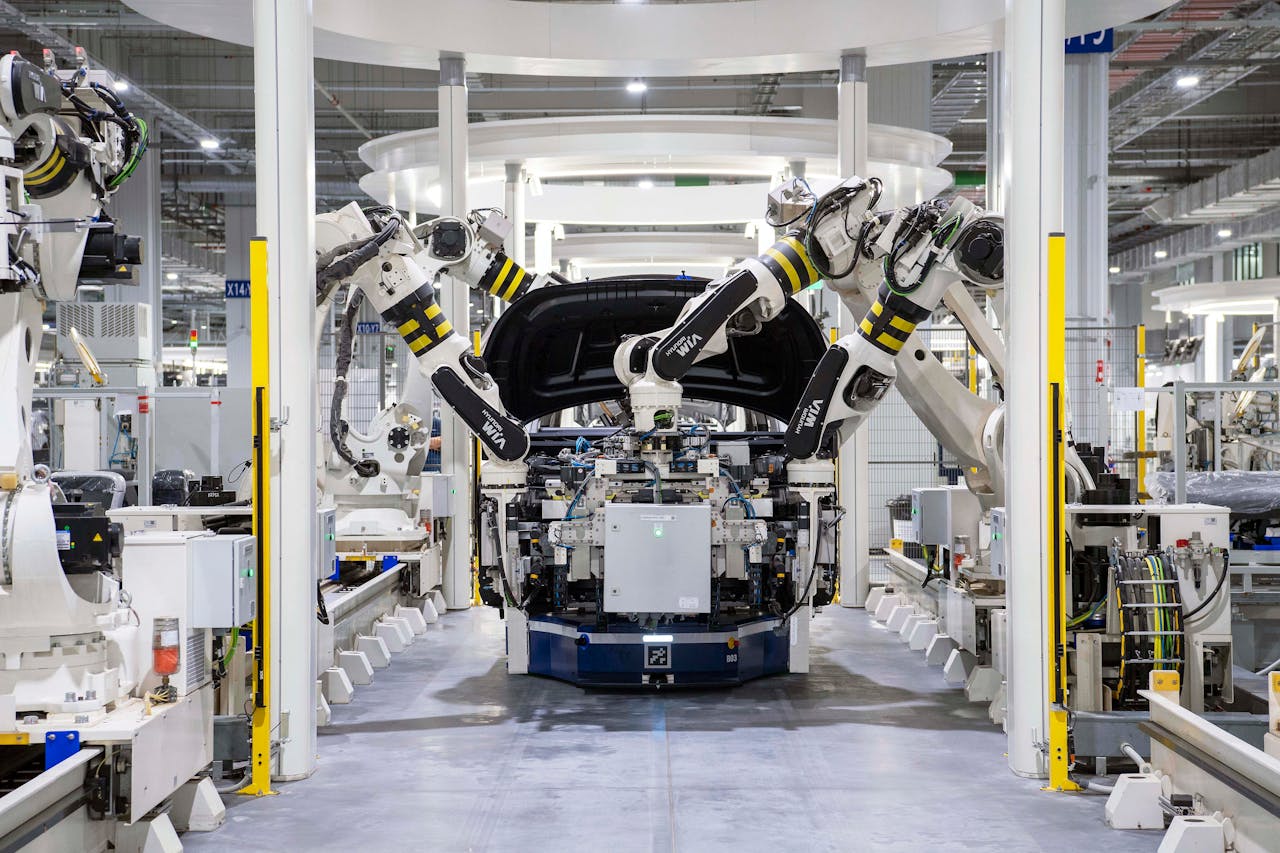

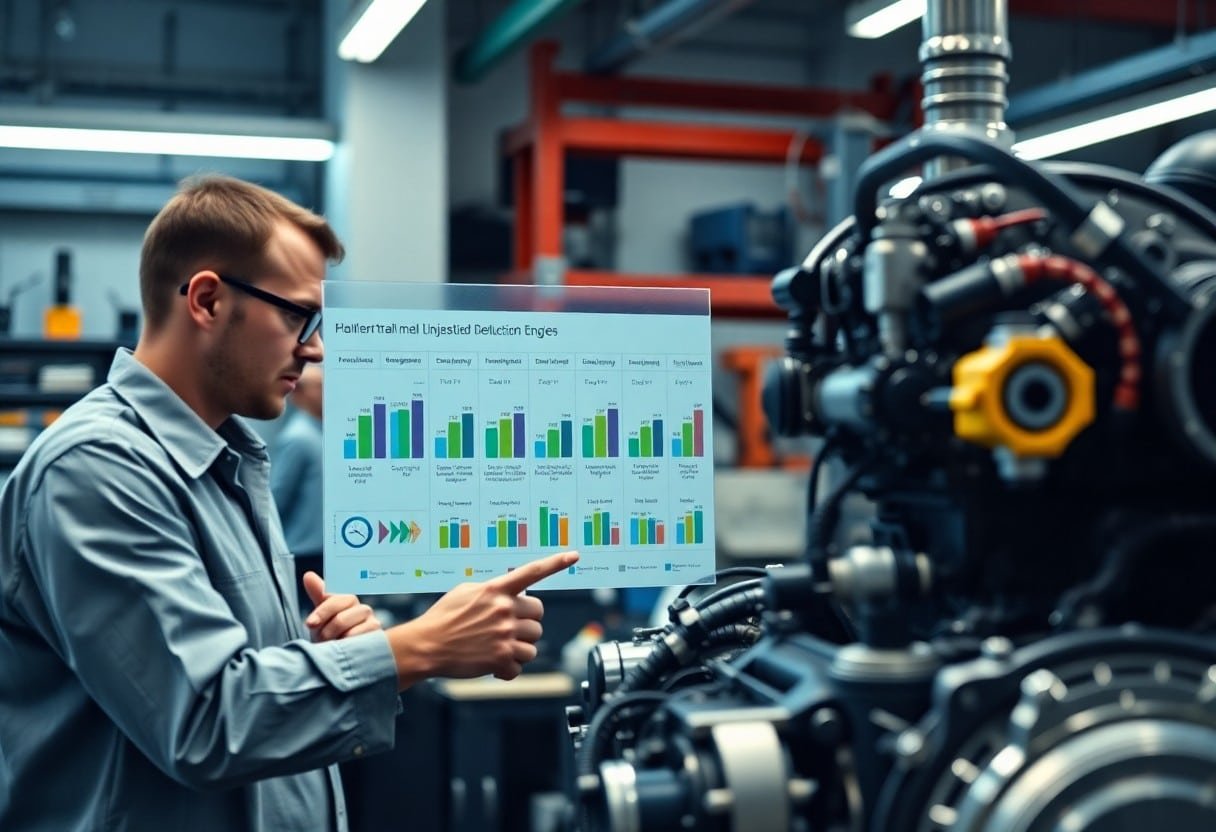
Emerging trends in internal combustion engine technology are transforming how you approach powertrain decarbonization on a global scale. As environmental regulations tighten and industry standards evolve, understanding these trends is imperative for aligning your efforts with sustainable practices. From advancements in fuel efficiency to the integration of alternative fuels, staying informed will empower you to navigate this shifting landscape effectively. Explore the key developments that are not only shaping the future of the automotive industry but also contributing to a more sustainable world.
Key Takeaways:
- Growing adoption of hybrid technologies facilitates the transition towards full electrification in various automotive markets.
- Stricter emissions regulations are accelerating the development of more efficient internal combustion engines and alternative fuels.
- Innovations in fuel efficiency and engine design are increasingly focused on achieving lower carbon footprints while maintaining performance.
Current State of Internal Combustion Engines
The internal combustion engine (ICE) remains a dominant force in transportation, accounting for approximately 74% of the global vehicle market. While electric and hybrid vehicles are gaining traction, traditional ICE vehicles continue to evolve with improved efficiency and reduced emissions. Manufacturers are investing in advanced engines that utilize lighter materials and incorporate artificial intelligence for smarter fuel management, ensuring they meet increasingly stringent regulations while maintaining performance standards.
Overview of Global Emissions
As of 2021, transportation accounted for nearly 24% of global greenhouse gas emissions, with road vehicles being a significant contributor. ICE vehicles emit carbon dioxide and other pollutants, prompting countries to adopt stringent emission regulations. The focus is shifting towards reducing emissions through cleaner fuels and improved engine designs, crucial for meeting international climate agreements aimed at limiting global warming.
Technological Innovations
You may not realize the pace at which technological advancements are reshaping the ICE landscape. Enhanced fuel injection systems, turbocharging, and variable valve timing are increasingly common, improving fuel efficiency and reducing emissions. Additionally, alternative fuels like hydrogen and biofuels are being explored as viable options, alongside the development of hybrid technologies that optimize the benefits of both conventional and electric powertrains.
Technological innovations are instrumental in redefining how you perceive internal combustion engines. For instance, advanced materials are now being used to reduce engine weight and enhance thermal efficiency. The introduction of high-efficiency particulate filters (HEPF) cuts down harmful emissions significantly. Furthermore, adaptive engine control strategies leverage data analytics to fine-tune performance in real-time, ultimately leading you to a cleaner and more efficient driving experience. As these technologies become more integrated, you will find that traditional ICE vehicles are not as outdated as they may seem, but rather evolving to meet contemporary environmental demands.
Alternative Fuels and Their Impact
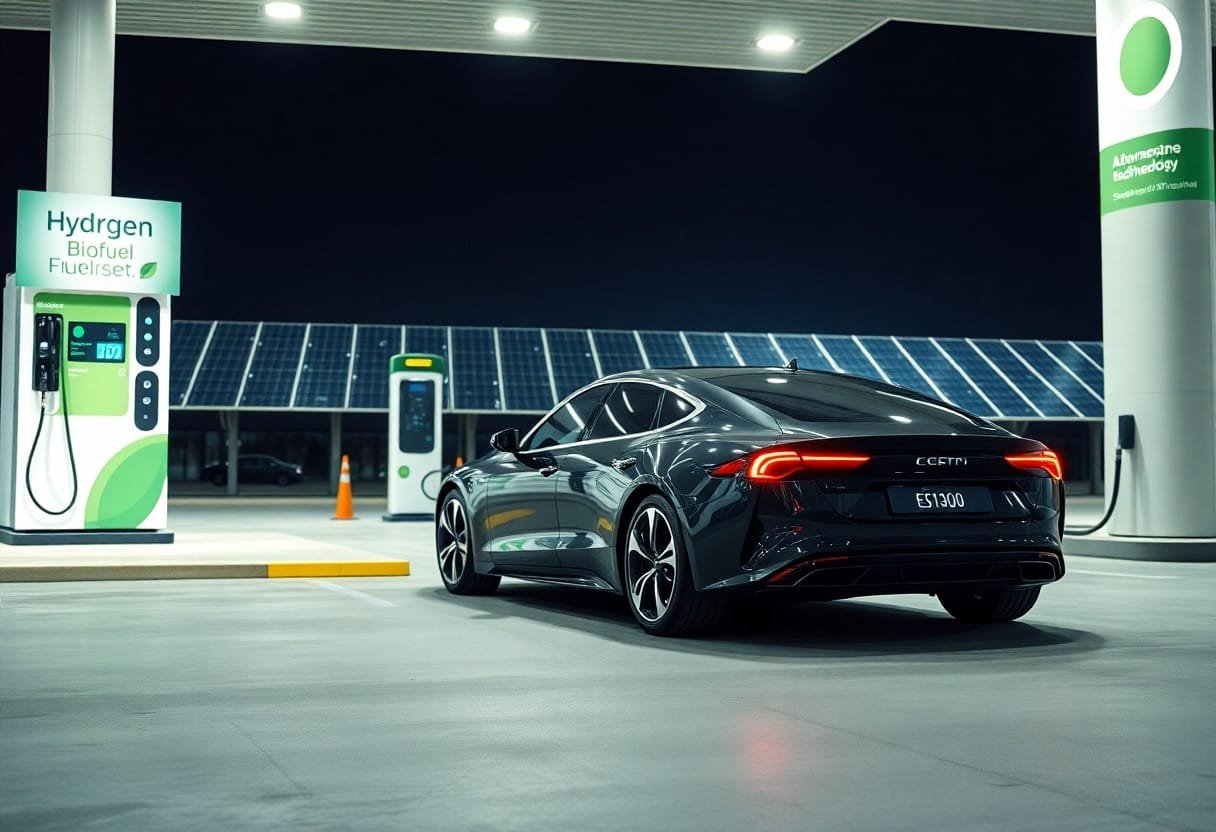
As industries push towards decarbonization, the role of alternative fuels is becoming increasingly pivotal. These fuels can significantly reduce emissions from internal combustion engines while enhancing energy security. Transitioning to alternatives like biofuels and synthetic fuels not only helps mitigate climate change but also keeps existing infrastructure relevant. Explore the future of internal combustion engines using sustainable options in the ongoing energy evolution.
Biofuels
Biofuels derived from organic materials offer a renewable energy source to power your vehicles. Compared to traditional fossil fuels, biofuels can significantly decrease greenhouse gas emissions. They can be produced from various feedstocks, including crop residues and waste oils, making their integration into current powertrains feasible and environmentally friendly.
Synthetic Fuels
Synthetic fuels, created through chemical processes, have the potential to serve as a drop-in replacement for conventional fuels. By using renewable energy sources and carbon capture technologies, you can produce these fuels with much lower emissions. They maintain compatibility with existing infrastructure, allowing for a smoother transition to cleaner energy solutions.
Synthetic fuels are not only versatile but also enable the recycling of carbon dioxide, making them a unique solution in the fight against climate change. Companies are innovating in this space, exemplified by the development of Fischer-Tropsch synthesis technologies and other advanced methods that convert hydrogen and captured CO2 into high-quality fuels. With the potential to create a sustainable circular economy, synthetic fuels can support various applications, from aviation to heavy-duty transportation, while accelerating the decarbonization of the transportation sector.
Hybridization Trends
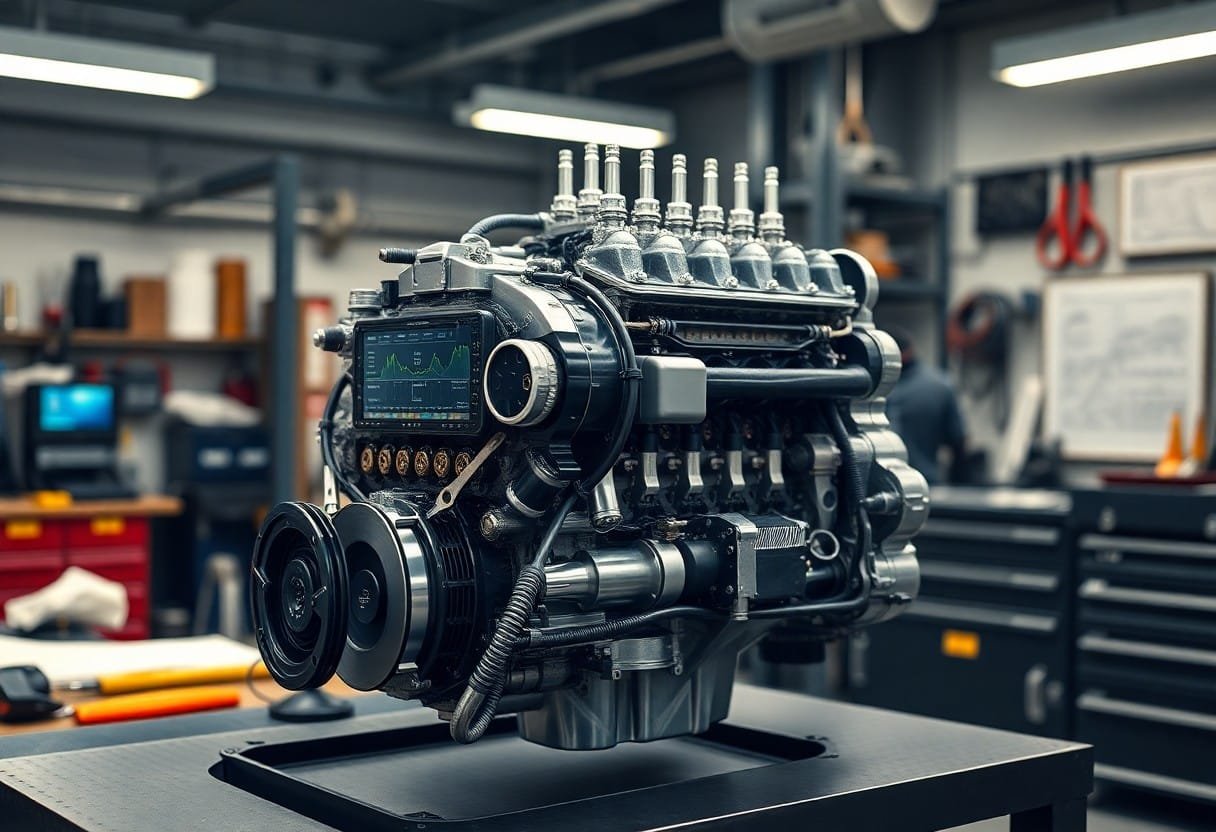
The automotive industry is seeing a significant shift towards hybridization as manufacturers integrate multiple power sources to enhance efficiency and reduce emissions. By leveraging both combustion engines and electric motors, vehicles can achieve improved fuel economy while maintaining performance standards. This dual approach not only addresses regulatory challenges but also caters to consumer demand for greener alternatives without sacrificing driving experience.
Mild vs. Full Hybrids
Understanding the distinction between mild and full hybrids is crucial for navigating the evolving landscape of hybrid vehicles. Mild hybrids utilize a smaller electric motor to assist the combustion engine, primarily enhancing fuel efficiency while not allowing for electric-only driving. In contrast, full hybrids feature larger batteries and motors, enabling them to drive solely on electric power for limited ranges, offering a more versatile and eco-friendly option for consumers.
Role of Electrification
Electrification plays a vital role in the hybridization trend, driving advancements in battery technology and electric components that enhance overall vehicle performance. By transitioning from purely internal combustion engines to hybrid systems, automakers can reduce emissions while also preparing for a future dominated by electric vehicles. This shift is evident in the growing investment in research and development of electric drivetrains, which are becoming increasingly efficient and cost-effective.
You can visualize the impact of electrification in hybrid vehicles through the adoption of advanced battery technologies, such as lithium-ion and solid-state batteries, which provide higher energy densities and faster charging capabilities. For instance, recent models by leading manufacturers showcase dramatic improvements in electric-only ranges, allowing for daily commutes to be completed without engaging the combustion engine. Notably, a hybrid vehicle from a major automaker reported an increase in fuel economy by over 30% compared to its non-hybrid counterpart. These advancements not only enhance user experience but also play a crucial part in meeting global emissions targets and preparing your vehicle for a more sustainable future.
Regulatory Frameworks and Incentives
The global push for decarbonization has prompted governments to establish regulatory frameworks and incentives for cleaner vehicle technologies. By implementing policies that favor low-emission vehicles, authorities are guiding the automotive sector toward sustainable practices. For a deeper exploration of this ongoing journey, check out Decarbonizing Combustion Vehicles – A Critical Part in ….
Emission Standards
Stringent emission standards are now standard across many regions, compelling manufacturers to innovate continuously. These regulations, such as the Euro 6 standards in Europe or California’s stringent emission regulations, set limits on nitrogen oxides and particulate matter. Compliance not only drives technological advancements in internal combustion engines but also accelerates the development of hybrid and electric variants.
Government Initiatives
Many governments are launching initiatives to promote research and development in low-emission technologies. Grants, tax incentives, and subsidies are commonly offered to support manufacturers and encourage consumer adoption of greener vehicles.
For instance, the U.S. government has established the Clean Cities program, focusing on reducing petroleum consumption in transportation. This initiative aids local governments and businesses in adopting alternative fuels and advanced vehicles. In addition, incentives for electric vehicle purchases and investments in charging infrastructure are becoming common worldwide, driving demand for cleaner powertrains. Such efforts not only foster innovation but also create a competitive landscape that prioritizes decarbonization.
Consumer Preferences and Market Dynamics
Shifts in consumer preferences are playing a pivotal role in shaping market dynamics across the automotive landscape. Today’s consumers increasingly prioritize sustainability, leading to a greater demand for vehicles that align with eco-friendly values. As awareness of climate change grows, consumers often evaluate not only vehicle performance but also environmental impact, influencing manufacturers to adapt quickly to these changing preferences.
Shift Towards Sustainable Options
A notable shift towards sustainable options is evident in consumer choices, as many drivers now actively seek out low-emission and hybrid vehicles. According to a 2023 study, more than 60% of potential car buyers express a preference for environmentally friendly options. This trend signals a significant turning point for manufacturers to invest in cleaner technologies and innovative powertrain solutions to meet consumer expectations.
Cost Considerations
Cost considerations remain a key factor in consumer decision-making when it comes to embracing newer technologies. While hybrids and alternative fuel vehicles may initially carry a higher price tag, their long-term savings potential often justifies the investment. In fact, research indicates that hybrid owners report a 20-30% reduction in fuel costs annually compared to traditional ICE vehicles, increasing their appeal in a market sensitive to household budgets.
The financial implications of adopting new powertrain technologies cannot be understated. Many consumers are calculating the total cost of ownership, taking into account purchase price, maintenance, fuel savings, and potential incentives. For example, in markets where tax rebates and subsidies exist for electric or hybrid vehicles, the effective price gap narrows significantly. Additionally, the rising costs of fossil fuels are pushing consumers to reassess the lifetime savings of investing in a more sustainable vehicle. This financial perspective bolsters the appeal of hybrid and alternative fuel vehicles, fostering a more dedicated market segment willing to prioritize sustainability over initial costs.
Future Outlook and Challenges
The path forward for internal combustion engines (ICEs) faces significant challenges as the industry pivots toward sustainable solutions. This evolution is influenced by tightening regulations and increasing pressure for emissions reductions globally. As you assess the world-wide trends in powertrain system development, understanding these dynamics will be key to navigating the complexities ahead.
Integrating New Technologies
To remain relevant, traditional ICE manufacturers must embrace advanced technologies that enhance efficiency and reduce emissions. Innovations such as decarbonized fuels, hybrid systems, and electrification are being integrated into existing designs. By leveraging these technologies, you can optimize performance while adhering to environmental standards.
Competition with Electric Vehicles
The rapid rise of electric vehicles (EVs) presents a formidable challenge to ICEs. As major automakers pivot toward electric alternatives, you may notice their market share shrinking. The International Energy Agency projects that by 2030, EVs could account for nearly 30% of total vehicle sales, forcing you to reconsider the future viability of ICEs.
Historically, the internal combustion engine has dominated global transportation. However, as battery technology continues to advance – resulting in longer ranges and shorter charging times – your preference may shift toward EVs for convenience. Manufacturers now face a critical decision: invest heavily in cleaner ICE technologies or risk losing competitiveness to EVs. In addition, rising fuel costs and government incentives for adoption further bolster the electric market. Ultimately, ICEs must innovate more rapidly to retain their customer base in an evolving landscape focused on sustainability.
Final Words
To wrap up, you should recognize that emerging trends in internal combustion engine technology are fundamentally transforming powertrain decarbonization efforts worldwide. Innovations such as hybridization, alternative fuels, and enhanced efficiency in combustion processes are all paving the way for more sustainable automotive solutions. Staying informed on these advancements will be vital for adapting to the evolving landscape of the automotive industry, ensuring that your strategies align with the global push towards reduced carbon emissions and eco-friendly practices.