
With the growing demand for sustainable technology, you may wonder about the underlying risks associated with mining geopolitics. As nations vie for control over imperative resources, the intersection of environmental concerns and global politics becomes increasingly complex. This post will explore how these geopolitical tensions can affect your access to sustainable technology resources and the implications for a greener future.
Key Takeaways:
- The geopolitics of mining significantly influences the supply chain stability for sustainable technology resources.
- Geopolitical tensions can lead to resource nationalism, affecting accessibility and pricing of imperative minerals.
- Collaboration and diversification in sourcing are vital strategies to mitigate risks associated with geopolitical uncertainties.
Understanding Geopolitics
Definition and Importance
Geopolitics refers to the influence of geographic factors on political behavior and international relations. It plays a vital role in shaping national policies, especially regarding resource acquisition. Understanding geopolitics can help you navigate the complex relationships between countries, territories, and industries, ensuring you remain informed about the factors that impact sustainable technology resources.
Historical Context
Geopolitics has shaped the course of nations and their resource strategies throughout history. The mining sector has often been at the heart of geopolitical tensions, driving conflicts and alliances. For example, control over diamond mines in Africa sparked civil wars, while oil resources in the Middle East led to international intervention and ongoing disputes.
Dating back to colonial times, nations have leveraged mining resources to bolster their economies and power dynamics. The scramble for Africa in the late 19th century saw European powers carving out territories based on resource availability, establishing legacies of exploitation that still affect global politics today. In the Cold War era, access to uranium and other minerals became imperative for military strengths, illustrating how resource control continues to shape geopolitical lines. Presently, as you consider the rise of electric vehicles and renewable technology, the fight for lithium and cobalt highlights how historical patterns are repeating, influencing international cooperation and conflict in the quest for sustainable technologies.
The Mining Industry
The mining industry is at the heart of resource extraction, playing a pivotal role in meeting the demands for materials imperative to sustainable technology. From lithium for batteries to cobalt for electric vehicles, the industry is intertwined with innovative advancements. However, environmental concerns and social implications often surface, demanding a balance between resource extraction and sustainability practices.
Key Resources for Sustainable Technology
In sustainable technology, specific resources like lithium, cobalt, and rare earth elements are indispensable. These materials are integral to electric vehicles, renewable energy storage, and advanced electronics. As your reliance on these technologies grows, so does the need for responsible mining practices to ensure a stable supply without compromising environmental integrity.
Global Mining Landscape
The global mining landscape is dynamic, shaped by technological advancements, investment shifts, and evolving regulations. Major players include countries like China, Australia, and the Democratic Republic of the Congo, each possessing unique resource deposits. As emerging markets gain traction, you may find fluctuating alliances and competition complicating the landscape even further.
In recent years, the mining sector has seen a significant transformation influenced by global demand shifts and environmental regulations. For instance, China dominates the rare earth metals market, controlling about 60% of global production, while Australia is a leading lithium producer, imperative for battery technology. Additionally, geopolitical tensions have prompted countries to reconsider their mining policies, creating new alliances and trade routes. These changes can directly impact your access to sustainable technology resources, making it imperative to stay informed about the evolving global mining dynamics.
Geopolitical Risks
Geopolitical risks in mining can create significant disruptions for sustainable technology resources. The location of mineral deposits often coincides with politically sensitive regions, making access unpredictable. Factors such as government instability, changes in leadership, and diplomatic tensions can severely impact extraction and supply processes. As nations jockey for power and resources, companies must remain vigilant about shifting alliances and policies that could influence their operations and investments in these vulnerable regions.
Political Instability and Conflict
Political instability and conflict can halt mining operations and disrupt supply chains for sustainable technology. For instance, civil strife in countries rich in lithium or cobalt can delay production or even prevent its extraction entirely. If a nation undergoes regime changes, foreign investments may become uncertain, leaving your supply chain precariously dependent on factors beyond control. Entities involved must assess the stability of regions where resources are sourced to mitigate potential risks.
Trade Policies and Tariffs
Trade policies and tariffs pose a significant challenge to the mining sector, especially for sustainable technologies. Changes in tariffs can affect the cost of raw materials necessary for production, influencing your overall operational expenses. Shifts in trade agreements among major economies often lead to unexpected price volatility and adjustments in market access, forcing companies to adapt swiftly to maintain their competitiveness.
The introduction of new tariffs by major economies, such as the United States on Chinese rare earth minerals, can create supply chain hurdles, leading to increased costs for companies reliant on these materials. You may find that even slight changes in trade policies can disrupt your access to critical resources, making it imperative to stay informed of international relations and trade negotiations that could impact your sourcing strategies. Factoring these uncertainties into your risk management strategies is key to ensuring a sustainable supply of resources for technology development.
Environmental Impacts
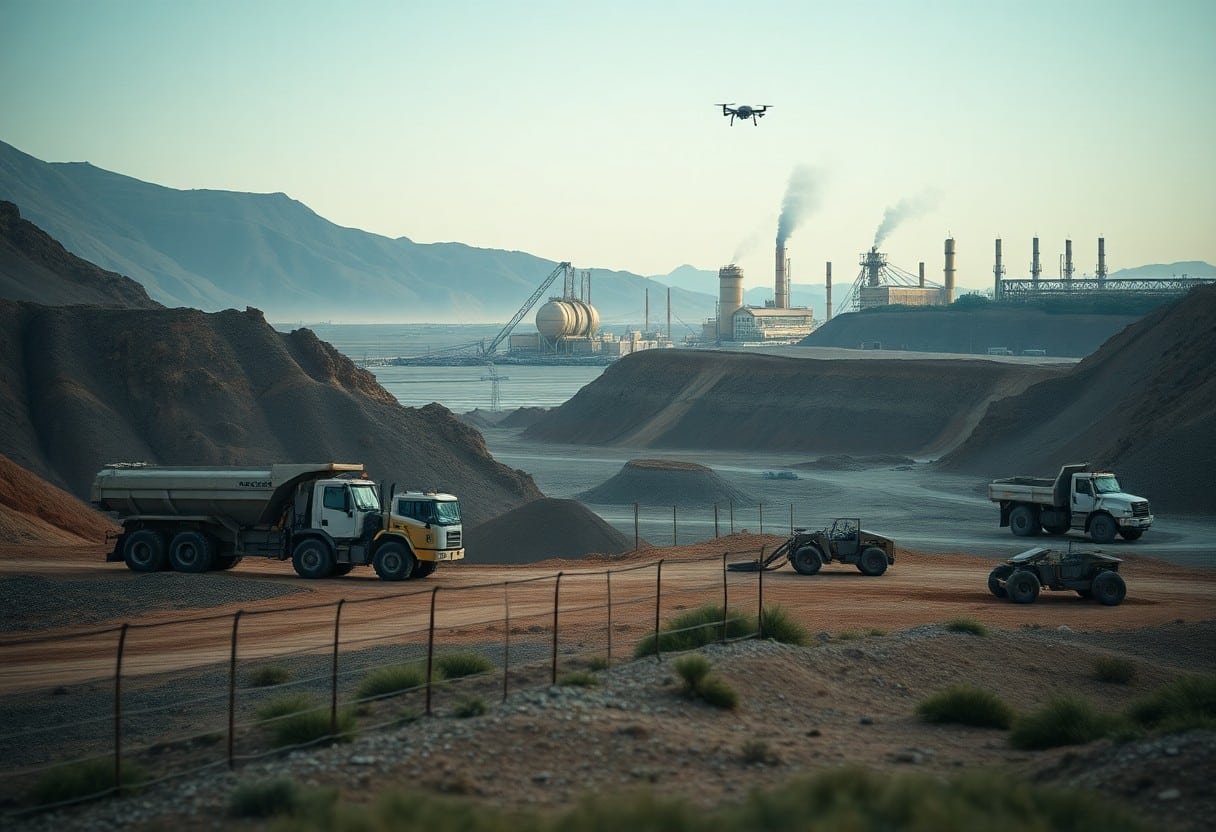
The mining industry poses significant environmental challenges, affecting ecosystems and communities. Pollution from mining activities can contaminate water sources, destroy habitats, and contribute to climate change, impacting biodiversity. Deforestation, soil degradation, and high energy consumption in mining operations only add to the environmental woes, making it necessary to assess these impacts when considering sustainable technology resources.
Mining Practices and Sustainability
Mining practices often prioritize profit over sustainability, leading to practices like open-pit mining, which can devastate landscapes. For you, understanding the types of mining methods being used is critical because some are less invasive than others, offering pathways to minimize environmental damage. Companies are increasingly adopting sustainable practices like land restoration and waste recycling, but widespread implementation remains inconsistent.
Resource Depletion
Resource depletion is becoming a pressing issue, particularly as demand for sustainable technology resources grows. You should be aware that many necessary minerals, such as lithium and cobalt, are being extracted at unsustainable rates, threatening long-term availability. This depletion can undermine the very foundations of green technologies meant to combat climate change.
Resource depletion is not just a future concern; it’s happening now, with some studies projecting that current lithium extraction rates could lead to shortages within the next decade. As you investigate deeper, consider how this scarcity may drive up prices and conflict over remaining resources. Nations and companies must find innovative ways to recycle materials and invest in alternative technologies to mitigate the growing risk of depletion. The longer sustainable practices lag, the more dire the situation will become for both the environment and the energy transition.
Economic Considerations
In assessing the sustainability of technology resources, economic factors play a significant role. The rising costs of raw materials, coupled with fluctuating market demands and global price volatility, can threaten the viability of sustainable technologies. Investors and companies alike must navigate these financial landscapes, ensuring that economic challenges do not stifle innovation or access to critical resources crucial for a sustainable future.
The Role of Major Players
Major corporations and governments hold substantial sway within the mining sector, dictating market trends and resource allocation. Your engagement with large entities is vital, as their strategies towards sustainability and ethical sourcing can shape industry standards and consumer expectations. As they invest in technological advancements, they also impact the overall availability and cost of sustainable technology resources.
Supply Chain Vulnerabilities
Supply chain vulnerabilities pose significant risks to the sustainability of technology resources. Disruptions can arise from geopolitical tensions, trade restrictions, or shifts in regulatory environments that affect transport and accessibility, ultimately leading to resource shortages.
Supply chain vulnerabilities can manifest in various ways. For example, consider the reliance on cobalt from the Democratic Republic of Congo, which produces over 70% of the world’s supply. Political instability, coupled with increasing demand in electric vehicle markets, creates extreme pressure on this supply chain. If unforeseen events disrupt mining operations or logistics, it could halt production for countless industries reliant on these materials. It’s crucial to diversify sources and establish resilient supply chains to mitigate these risks and ensure steady access to critical resources for your sustainable technologies.
Solutions and Strategies
Addressing the geopolitics of mining requires targeted solutions and strategies that promote sustainability while reducing conflict risks. Governments, corporations, and NGOs must collaborate, implementing frameworks that foster responsible sourcing, enhance transparency, and support local communities. Strategic partnerships can help balance economic incentives with environmental protections, ensuring that the benefits of mining extend beyond mere resource extraction.
Collaboration and Diplomacy
You can play an important role in fostering collaboration among stakeholders, advocating for multi-stakeholder dialogues that prioritize sustainable practices. Engaging in diplomatic efforts can help mitigate tensions between resource-rich nations and mining companies, paving the way for agreements that respect local rights while facilitating responsible investment.
Innovations in Sustainable Mining
Innovations in sustainable mining are reshaping how resources are extracted. By employing advanced technologies like drone surveys and AI-driven data analysis, the industry can minimize environmental impact and increase efficiency. Techniques such as bioleaching and the use of renewable energy sources significantly reduce carbon footprints and enhance resource recovery rates.
For instance, resource companies are increasingly adopting bioleaching, utilizing microorganisms to extract precious metals from ores without toxic chemicals. In areas like copper mining, this method has shown to reduce water usage significantly, sometimes up to 80%. Additionally, companies investing in renewable energy for mining operations have reported operational cost reductions, demonstrating that green innovations aren’t just ethical but economically viable. Integrating these technologies not only aids in achieving sustainability goals but also addresses the geopolitical concerns associated with traditional mining methods.
Final Words
Conclusively, as you consider the future of sustainable technology, it’s vital to recognize that the geopolitics of mining poses significant risks to your access to crucial resources. The interplay between global politics and resource distribution can influence the availability, cost, and sustainability of the technologies you rely upon. By staying informed and advocating for responsible sourcing practices, you can contribute to a more sustainable future that mitigates these geopolitical risks.