

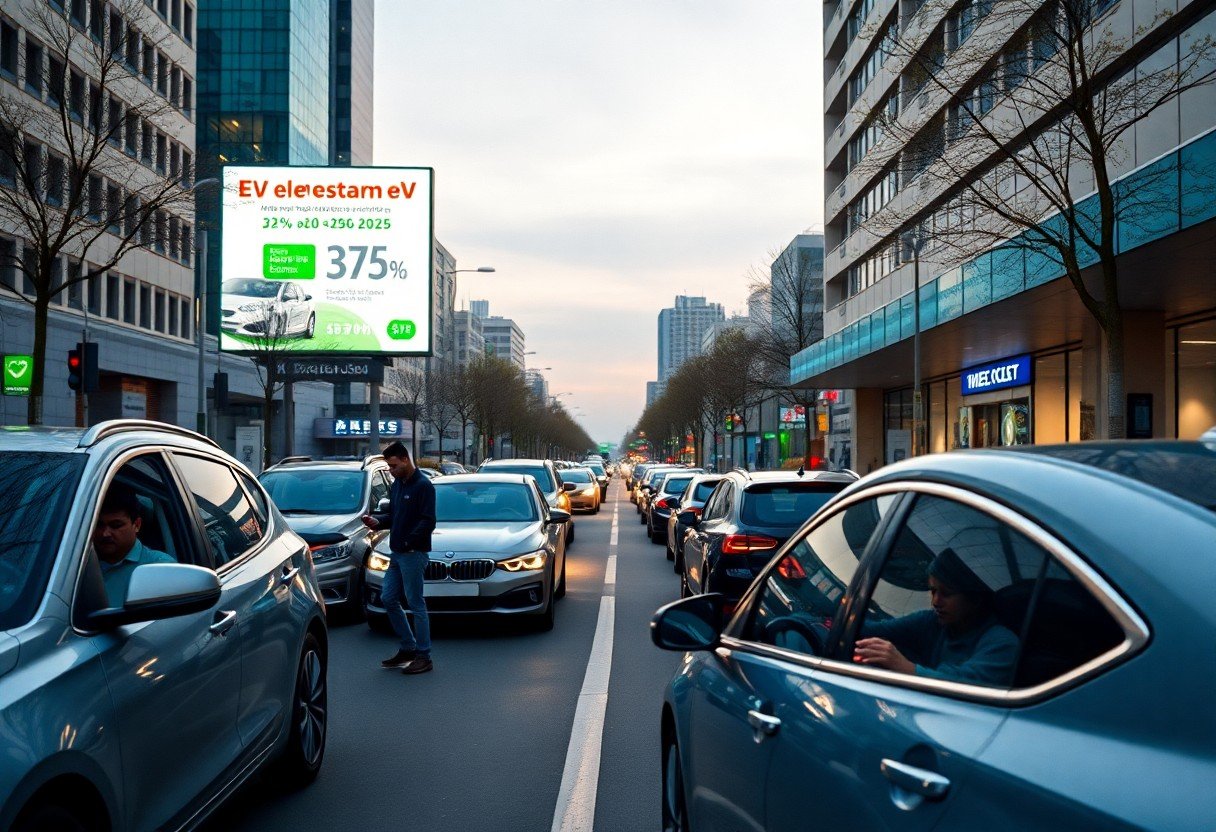
Over the next few years, electric vehicle adoption rates are set to reshape the automotive landscape significantly. As you consider your options in a rapidly evolving market, understanding these trends will be vital. This post dives into projected growth rates for electric vehicles by 2025 and explores how these shifts will impact your choices, the automotive industry, and broader environmental goals. Staying informed will prepare you for the changes that lie ahead in vehicle technology and consumer preferences.
Key Takeaways:
- Projected significant increase in electric vehicle (EV) adoption rates by 2025, influenced by consumer demand and government policies.
- Automotive industry will undergo marked shifts in manufacturing practices and supply chain dynamics to accommodate EV production.
- Traditional automakers face heightened competition from new entrants focused on electric mobility solutions, reshaping market landscape.
The Surge: EV Sales Projections for 2025
Projections indicate a dramatic surge in electric vehicle (EV) sales by 2025, expecting global sales to exceed 27 million units. This acceleration not only reflects advancements in technology and infrastructure but also denotes a substantial shift in consumer behavior. For a deeper understanding of the evolving landscape, explore this article on New twists in the electric vehicle (EV) market.
Projected Adoption Rates Across Major Markets
In major markets, EV adoption rates are set to reach remarkable levels by 2025. For instance, Europe anticipates that over 35% of new car sales will be electric, while the U.S. is expected to see a jump to nearly 25%. These trends underline the global shift toward sustainable transportation, influenced by evolving consumer preferences and regulatory frameworks.
Factors Driving Consumer Demand
Your decision to switch to electric vehicles is increasingly influenced by several factors. Drivers include enhanced vehicle range, lower operational costs, and growing environmental awareness. Many consumers are recognizing the long-term savings associated with EV ownership, which are changing perceptions and priorities toward investment in electric cars.
- Advancements in battery technology are boosting range and performance.
- Government incentives are lowering the initial cost of EVs.
- Environmental concerns drive a shift towards sustainable choices.
- Improved charging infrastructure enhances convenience for users.
- Thou, consider these aspects when weighing your next vehicle purchase.
Understanding what motivates consumer demand plays a critical role in shaping the EV sector’s trajectory. For many, the prospect of reduced fuel and maintenance costs makes EVs an attractive investment. Furthermore, the urgency of addressing climate change prompts consumers to choose greener options as a moral imperative, reinforcing the market’s shift toward electrification.
- The rise of EV popularity directly correlates with options for home charging installations.
- The proliferation of eco-conscious marketing strategies elevates brand perception.
- Peer influence significantly impacts decisions to adopt electric vehicles.
- Thou, stay informed about these trends as they redefine automotive choices.
The Shifting Landscape: Impacts on Traditional Automakers
The rise of electric vehicles (EVs) is redefining the automotive industry, pushing traditional automakers to adapt or risk obsolescence. As consumer preferences shift towards sustainability, manufacturers must embrace electrification to remain competitive. Legacy companies find themselves competing not just with each other but also with agile startups specializing in EV technology, forcing them to rethink their long-term strategies and operational models.
Corporate Strategies in Response to EV Growth
Your favorite automakers are increasingly prioritizing EVs in their corporate strategies. Many are committing to ambitious targets for electrifying their vehicle lineups, often pledging to transition to fully electric models within the next couple of decades. Strategic partnerships with tech firms are also becoming common, aiming to enhance battery technology and autonomous driving capabilities, ensuring they keep pace with evolving consumer demands.
Investment in Research and Development
Traditional automakers are significantly ramping up investments in research and development (R&D) to fuel their transition to electric mobility. With billions allocated toward developing advanced battery technologies and broader EV infrastructures, companies are striving for breakthroughs that enhance performance, reduce costs, and accelerate adoption rates among consumers.
In 2023 alone, automakers like Ford and General Motors announced R&D budgets exceeding $7 billion dedicated to electric mobility initiatives. This investment focuses on improving battery efficiency, increasing range, and exploring innovative materials like solid-state batteries. Collaborations with universities and tech startups are also gaining traction, aiming to harness cutting-edge research that could revolutionize how vehicles are powered and optimized for sustainability. These efforts not only demonstrate a commitment to staying relevant but also position these manufacturers as leaders in the emerging electric landscape.
Infrastructure Revolution: Charging Networks and Their Expansion
The expansion of charging networks is important for supporting the anticipated surge in electric vehicle adoption by 2025. Cities and rural areas alike are investing in public charging stations to alleviate range anxiety among EV users. As more charging points are installed, convenience and accessibility will improve, making it easier for you to transition to electric mobility. According to The Global Electric Vehicle Market In 2025, this infrastructure revolution will play a pivotal role in driving consumer confidence and fostering widespread adoption.
The Role of Government Policies and Incentives
Government policies and incentives are significant motivators for the shift towards electric vehicles. You may benefit from tax credits, rebates, and grants that lower the upfront costs of EVs, making them more appealing. Additionally, commitment from various governments to transition their fleets and invest in renewable energy contributes to a favorable environment for EV adoption.
Innovations in Charging Technology
Charging technology is evolving rapidly, making the experience of owning an EV more user-friendly and efficient. Fast-charging stations are emerging, allowing you to charge your vehicle in under 30 minutes. Wireless charging technology is also being tested, which could eliminate the need for plugging in altogether. These advancements are critical for easing any concerns about downtime and enhancing your EV experience.
The latest innovations in charging technology include ultra-fast charging systems capable of delivering over 350 kW, drastically reducing charge times for compatible vehicles. Smart charging solutions are being integrated, allowing you to optimize charging schedules based on energy prices or grid demand. Moreover, vehicle-to-grid (V2G) technology is gaining traction, enabling your EV to feed energy back into the grid, functioning as a storage solution during peak times. This not only maximizes the utility of your vehicle but also contributes to a more resilient energy infrastructure.
The Ripple Effect: Economic Implications Beyond Automakers
The shift towards electric vehicles (EVs) is reshaping various sectors beyond automotive manufacturing, creating a ripple effect that influences economies on multiple levels. Increased EV adoption drives innovation in energy sectors, influences urban planning, and spurs investment in charging infrastructures, reflecting broader socio-economic changes that can enhance local economies and promote sustainable practices.
Job Creation and Industry Transformation
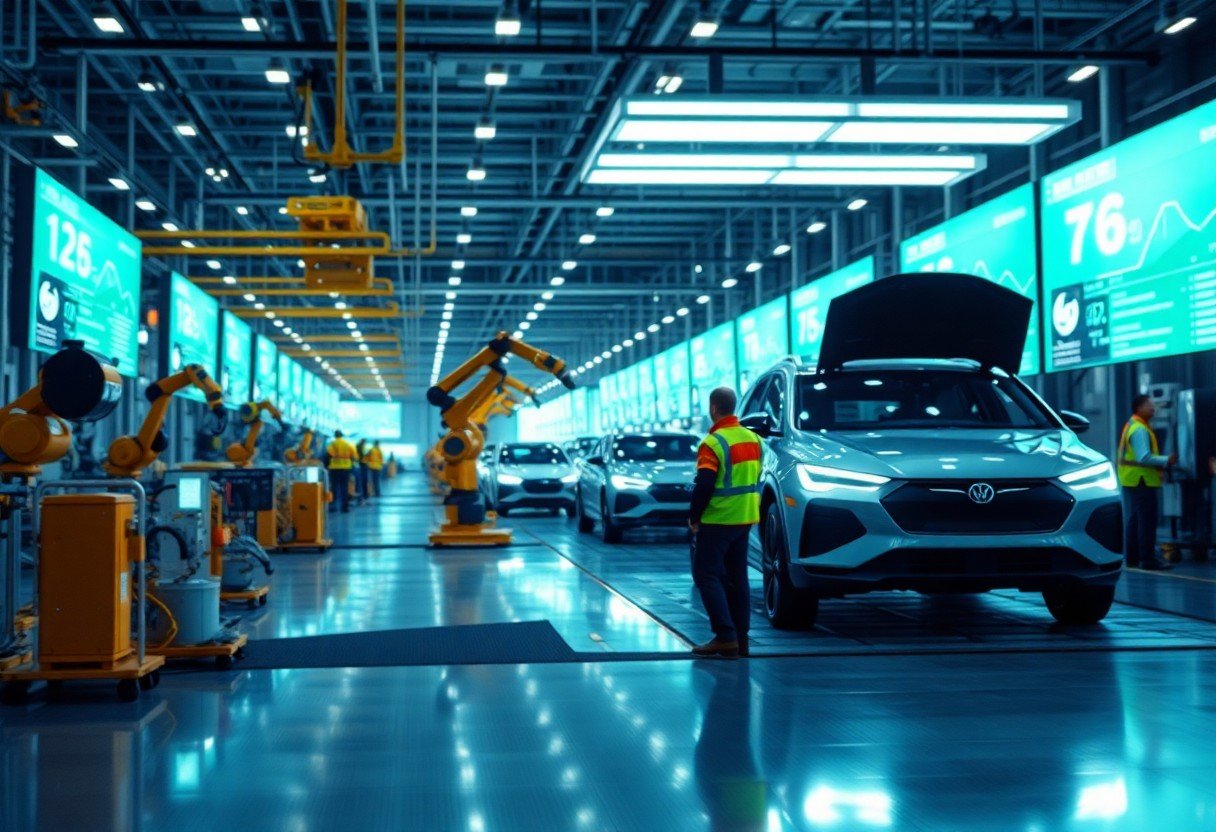
The transition to electric vehicles presents opportunities for job creation across multiple sectors. As automakers pivot toward EV production, new roles in manufacturing, research, and supply chain management emerge. Additionally, this shift prompts advancements in energy storage, battery technology, and maintenance services, stimulating growth in green technology jobs and reshaping workforce requirements in traditional automotive sectors.
Environmental and Sustainability Outcomes
EV adoption contributes significantly to reducing carbon emissions and improving air quality. The transportation sector is a leading source of greenhouse gas emissions, and shifting to electric vehicles can lessen this impact. Studies indicate that a transition to EVs could decrease CO2 emissions by up to 68% by 2050, especially when coupled with renewable energy sources. This change fosters a cleaner environment, aligning with global sustainability goals and influencing consumer preferences towards greener options.

Navigating Challenges: Barriers to Widespread EV Adoption
Widespread electric vehicle (EV) adoption faces several challenges that must be addressed for the market to thrive. From regulatory hurdles to consumer misconceptions, these barriers create a complex landscape. Policymakers, automotive manufacturers, and consumers must navigate this terrain to ensure that the transition to electric mobility is not only viable but also appealing.
Consumer Concerns and Misconceptions
Many consumers still harbor myths about electric vehicles, such as range anxiety and concerns over battery longevity. Issues like charging convenience and perceived higher upfront costs also hinder consumer confidence. Without addressing these misconceptions, the adoption rates may lag as consumers remain cautious about the investment involved in transitioning from traditional vehicles.
The Role of Availability and Affordability
Availability and affordability play pivotal roles in determining how quickly consumers embrace electric vehicles. The current market is diverse, but a limited selection of models and higher price tags compared to gasoline vehicles can deter potential buyers. Greater variety and competitive pricing will be vital to sway consumer preferences toward EVs as viable alternatives.
As of now, the average cost of an electric vehicle stands at approximately $56,000, which is significantly higher than the average gasoline vehicle price of around $40,000. This price discrepancy is a barrier, particularly for middle-income consumers. Furthermore, not all regions have equal access to charging stations, limiting the convenience factor. Incentives such as federal tax credits and state rebates are crucial for making EVs more financially attractive, but these must be complemented with enhanced production capacity and diverse vehicle offerings to inspire confidence and meet demand.
Final Thoughts on the Electric Future of Mobility
The landscape of mobility is transforming swiftly as electric vehicles increasingly dominate the market, showcasing a predicted growth rate that not only alters consumer choices but also reshapes the industry as a whole. By 2025, projections suggest that EVs will account for a significant percentage of global car sales, a change backed by substantial investments in technology and sustainability initiatives. This shift will have far-reaching impacts on job creation, energy consumption, and urban planning. As you navigate this evolving terrain, staying informed about Trends in the electric car industry – Global EV Outlook 2025 can provide vital insights into what lies ahead.

Pingback: The Solid-State Battery Breakthrough Leading The Next Phase Of EV Innovation -
Wow! Thank you! I always wanted to write on my site something like that. Can I implement a fragment of your post to my blog?