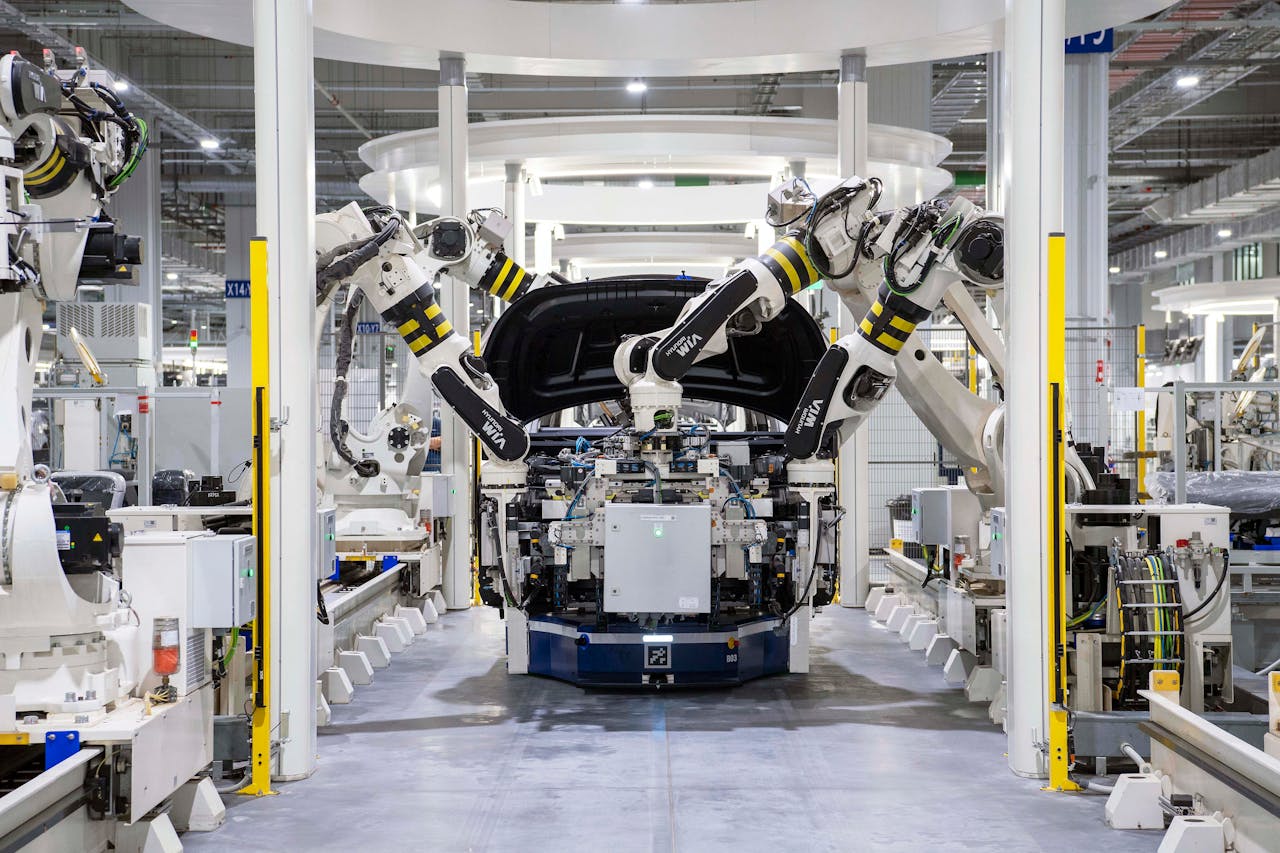

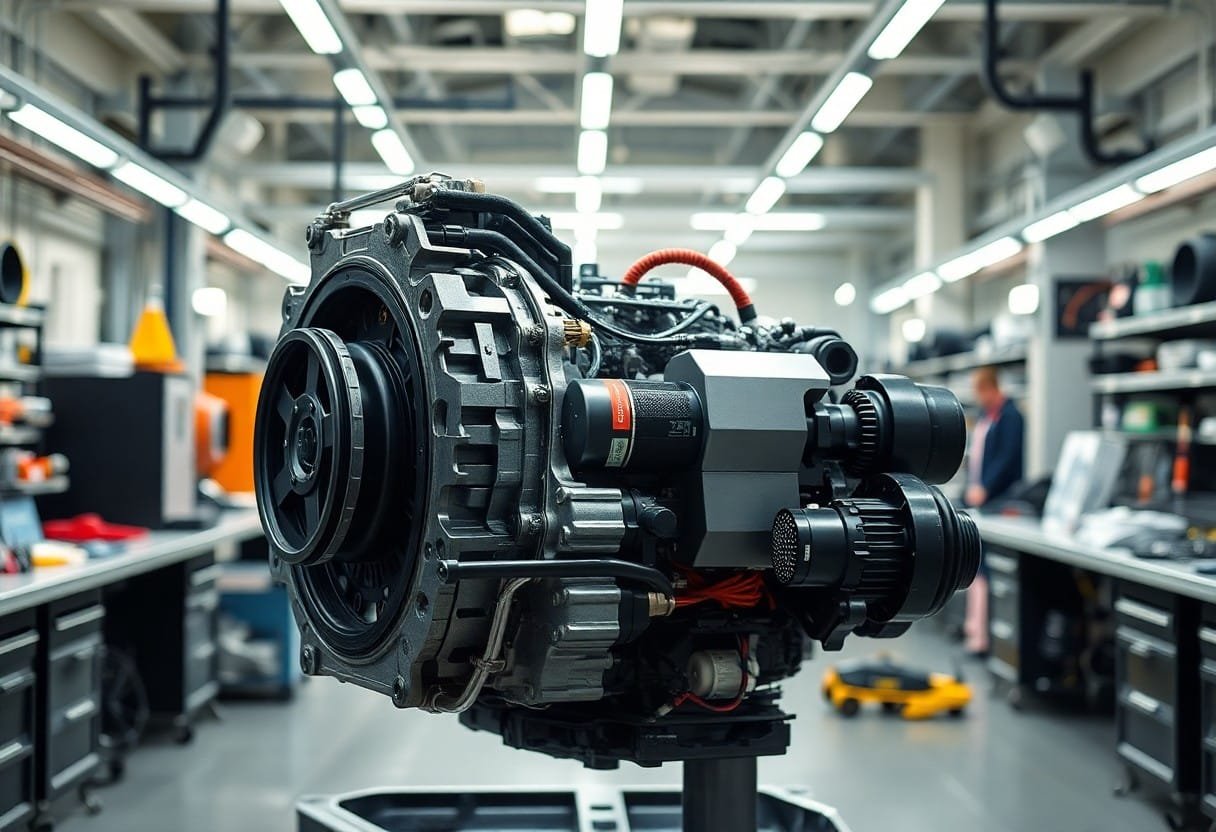
Sustainability in the automotive industry is imperative as you navigate the transition towards greener technologies. This guide provides you with actionable strategies to decarbonize internal combustion engines, ensuring your vehicles align with environmental standards and regulations. By applying innovative approaches and understanding alternative fuels, you can play a significant role in shaping a more sustainable future for automotive transport.
Key Takeaways:
- Decarbonizing internal combustion engines is necessary for reducing greenhouse gas emissions in the automotive sector.
- Transitioning to renewable energy sources and sustainable materials can significantly enhance the environmental performance of traditional vehicles.
- Collaboration between automakers, policymakers, and technology innovators is necessary to accelerate the adoption of low-carbon technologies in the automotive industry.
Understanding Internal Combustion Engines
Internal combustion engines (ICEs) have been a cornerstone of automotive engineering for over a century, converting fuel into mechanical energy through combustion. These engines typically operate by igniting a mixture of air and fuel within a confined cylinder, producing power as the expanding gases push a piston. With many cars still relying on this proven technology, understanding its intricacies is necessary for effective decarbonization strategies moving forward.
Basis of Internal Combustion Technology
Your familiarity with internal combustion technology begins with its fundamental process: the four-stroke cycle. This cycle consists of intake, compression, power, and exhaust strokes, allowing for efficient energy production. Various fuels, such as gasoline, diesel, and alternative biofuels, can be used, each affecting performance and emissions. Despite advancements in design, the basic mechanics remain crucial for optimizing current engine models.
Environmental Impact of IC Engines
Internal combustion engines significantly contribute to air pollution and climate change, emitting harmful substances like nitrogen oxides and particulate matter. In fact, transportation accounts for approximately 29% of total greenhouse gas emissions in the United States, with ICEs generating the majority of this figure. As global temperatures rise, shifting to cleaner alternatives has become a necessity for achieving long-term sustainability.
The environmental impact of internal combustion engines is stark and multifaceted. For instance, data indicates that a typical gasoline-powered vehicle emits around 404 grams of CO2 per mile driven. This cumulative effect, driven by millions of vehicles, exacerbates global warming and contributes to an estimated 24,000 premature deaths annually due to air pollution. Consequently, understanding this impact underscores the urgent need for innovative technologies aimed at reducing emissions and enhancing the environmental performance of existing ICEs.
How to Transition to Greener Alternatives
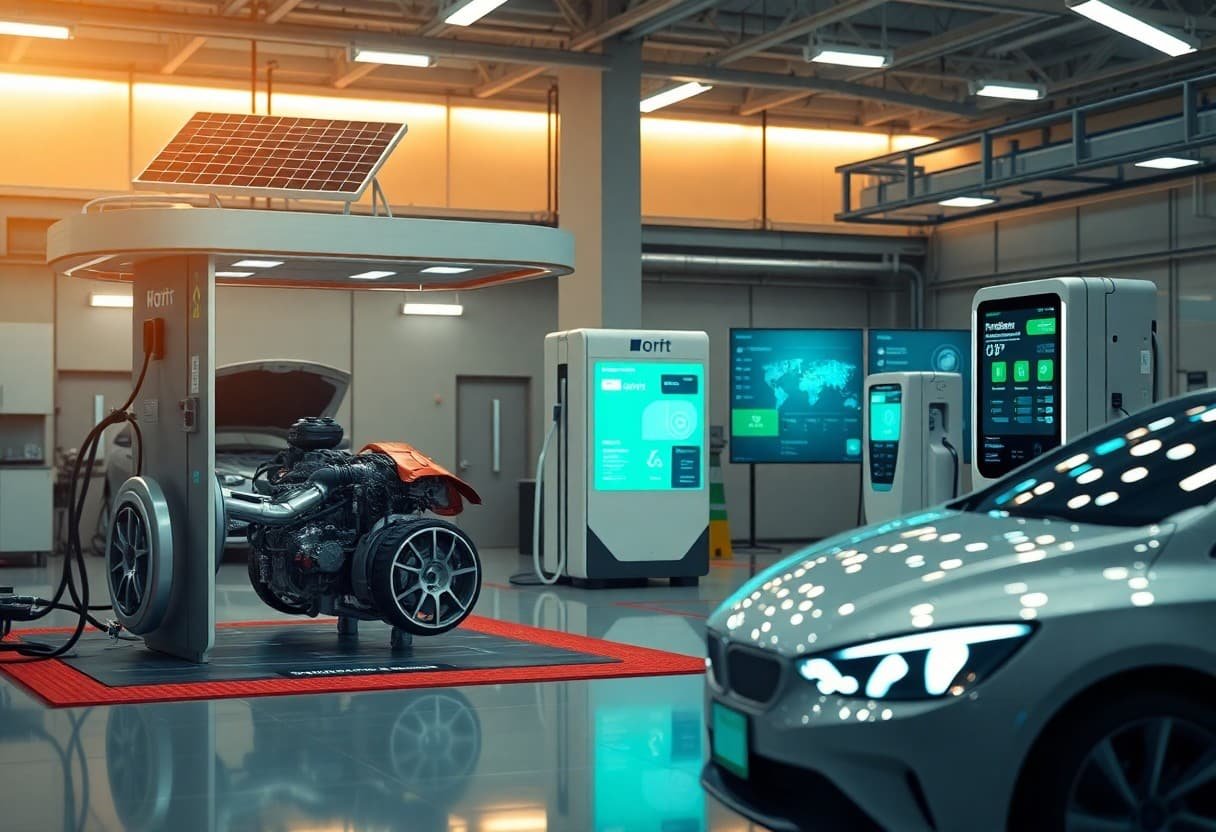
Transitioning to greener alternatives requires a multilayered approach that integrates innovative technologies and policy frameworks. By embracing initiatives outlined in automotive roadmaps for zero-emission vehicles, you can strategically phase out traditional combustion engines. Collaborative efforts involving governments, manufacturers, and consumers are crucial to facilitate this shift in a sustainable manner.
Overview of Decarbonization Strategies
Decarbonization strategies encompass a blend of technological advancements, infrastructure developments, and regulatory frameworks aimed at lowering greenhouse gas emissions. Employing electric vehicles, hydrogen fuel cells, and biofuels are some of the most effective ways to achieve your carbon reduction goals. Furthermore, leveraging renewable energy sources for charging infrastructure enhances the efficacy of these strategies, fostering a significant shift away from fossil fuel dependency.
Choosing the Right Green Technology
Identifying the right green technology for your needs depends on various factors, including the intended application, cost-effectiveness, and environmental impact. Electric vehicles (EVs) offer excellent efficiency and high performance, while hydrogen fuel cell vehicles provide longer ranges with quicker refueling times. Evaluating these options against your operational requirements ensures you adopt the most suitable technology, positioning you for success in a rapidly evolving automotive landscape.
When considering green technologies, take into account the lifecycle emissions, maintenance requirements, and the availability of corresponding infrastructure. For instance, while electric vehicles may present charging challenges in certain regions, advancements in fast-charging stations are rapidly addressing these concerns. Staying informed about the latest developments and pilot projects in your area can also guide your decision-making process, ultimately helping you transition smoothly towards greener alternatives while addressing economic and environmental priorities.
Tips for Implementing Decarbonization
To effectively implement decarbonization in internal combustion engines, consider these actionable tips:
- Conduct a thorough emissions assessment to identify reduction targets.
- Engage with innovative suppliers who specialize in sustainable technologies.
- Integrate low-carbon fuels into your supply chain.
- Monitor and report progress regularly to ensure accountability.
- Invest in employee training to foster a culture focused on sustainability.
Perceiving these strategies as necessary components of your operational framework will facilitate smoother transitions and measurable success.
Identifying Key Stakeholders
Identifying key stakeholders involves pinpointing all parties impacted by your decarbonization efforts, including team members, suppliers, and local communities. Engaging these stakeholders early in the process ensures their insights and needs are considered, fostering collaboration and gaining support for your initiatives.
Effective Communication Strategies
Utilizing effective communication strategies is vital for gaining stakeholder buy-in and fostering a culture of decarbonization. Establish clear channels for disseminating information, allowing for two-way dialogues where feedback is welcomed. Tailor your messaging according to audience expertise, using data-driven insights and practical examples to convey the benefits of decarbonization. Regular updates, transparency in progress, and open forums for discussion can strengthen relationships and enhance commitment.
For instance, employing newsletters, dedicated meetings, and interactive workshops can serve as powerful mediums to align all stakeholders with your vision. Highlighting successful case studies from similar industries may also present relatable examples of how effective decarbonization can drive innovation and profitability. By fostering an environment of continuous communication, you create a supportive framework that encourages everyone involved to contribute to the shared goal of carbon reduction.
Factors Affecting Decarbonization Success
Achieving decarbonization in internal combustion engines hinges on multiple interrelated factors. Critical considerations include:
- Technological advancements in fuel efficiency
- Adoption of alternative fuels
- Consumer awareness and acceptance
- Availability of charging or refueling infrastructure
- Investment in sustainable manufacturing processes
Thou must address these factors to enhance your decarbonization strategy.
Regulatory Policies and Incentives
Government regulations and incentives play a pivotal role in shaping decarbonization efforts. Stricter emissions standards compel manufacturers to innovate and invest in cleaner technologies. Financial incentives, such as tax rebates for environmentally friendly vehicles, can stimulate consumer demand and accelerate market shifts.
Market Trends and Consumer Preferences
Consumer preferences are increasingly shifting towards eco-friendly vehicles, driven by environmental awareness and sustainability concerns. Market research shows a growing demand for electric and hybrid alternatives, with surveys indicating that over 70% of consumers consider the environmental impact when making automotive choices.
The influence of market trends cannot be understated; as more drivers prioritize sustainability, manufacturers are compelled to adapt. In 2022 alone, electric vehicle sales surged by 50%, highlighting a profound shift in purchasing behavior. Brands that align with these preferences not only capture market share but also foster a loyal customer base. Your understanding of these dynamics allows you to position your offerings effectively in a rapidly evolving market landscape.
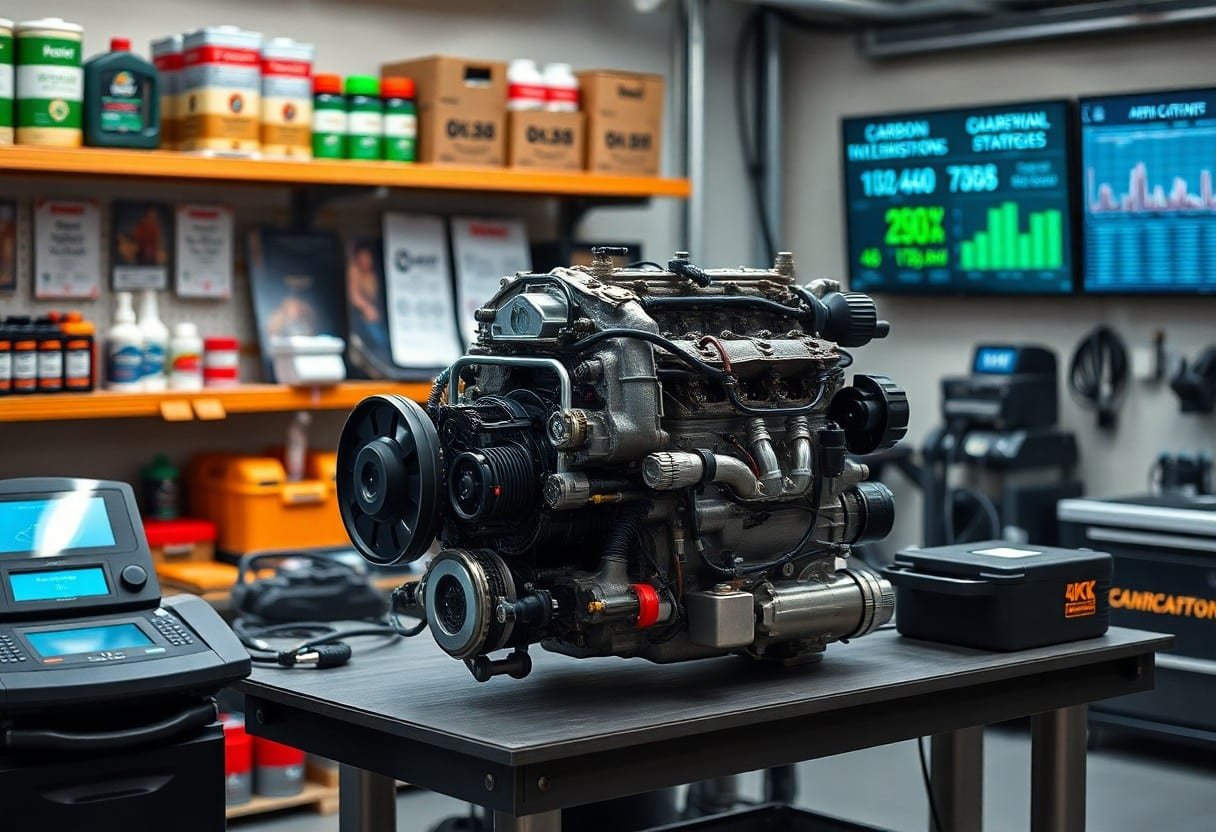
Tools and Technologies for Tracking Progress
As the automotive industry pivots towards sustainability, the tools and technologies for monitoring decarbonization efforts are advancing rapidly. Intelligent data platforms can analyze emissions data, helping you tailor strategies for enhanced efficiency. For more insights on eco-friendly internal combustion engines, consider integrated systems that offer real-time feedback on vehicle performance and carbon output.
Software Solutions for Emissions Monitoring
Utilizing advanced software solutions allows for precise emissions tracking and reporting, helping you meet regulatory standards and improve your environmental impact. These platforms often incorporate AI to predict future emissions based on historical data, enabling proactive adjustments to your processes.
Innovations in Fuel and Engine Materials
Recent advancements in fuel formulations and engine materials are pivotal in reducing emissions from internal combustion engines. The introduction of biofuels and synthetic fuels, paired with lightweight composites, significantly enhances efficiency and decreases carbon footprints.
Innovations in fuel and engine materials are transforming the landscape of internal combustion engines. By employing alternatives like hydrogen-enriched fuels and bio-based materials, you can markedly cut down harmful emissions. For instance, the latest biofuels derived from waste feedstocks promise not only lower carbon output but also compatibility with existing engine designs. Additionally, materials such as graphene-infused composites are being explored to lighten engine components, thereby increasing overall efficiency while minimizing energy loss. These advancements provide a robust pathway towards integrating sustainability without sacrificing performance.
Collaborating for a Sustainable Future
Achieving a greener automotive future hinges on collaboration across all stakeholders within the industry. By uniting efforts, we can accelerate the move towards decarbonization and foster innovation. Referencing the U.S. National Blueprint for Transportation Decarbonization, partnerships are crucial to align goals, share resources, and implement best practices for sustainable transportation solutions.
Partnerships with Governments and NGOs
You can amplify your decarbonization efforts by partnering with governments and NGOs. These collaborations often lead to access to funding, resources, and regulatory support, crucial for sustainable initiatives. Programs focused on clean mobility initiatives can create frameworks for public-private cooperation, enabling projects that might be financially challenging alone.
Engaging Automotive Industry Stakeholders
Engaging automotive industry stakeholders fosters a comprehensive approach to decarbonization. You must actively involve manufacturers, suppliers, and service providers to synchronize efforts on technological development and share sustainability practices. This collective engagement allows for efficient resource allocation and innovative strategies that drive progressive change throughout the supply chain.
Beyond simple engagement, consider forming active consortiums or alliances with stakeholders within your sector. By sharing insights, collectively addressing challenges, and pooling R&D resources, you can expedite advancements in green technologies. Joint ventures and collaborative projects facilitate a smoother transition toward electrification and sustainable practices, ultimately helping to meet regulatory targets and consumer demands for greener automotive solutions.
Final Words
So, as you navigate the landscape of decarbonizing internal combustion engines, understand the importance of adopting smart pathways that integrate innovative technologies and sustainable practices. By embracing alternative fuels, enhancing efficiency, and investing in electrification, you can significantly reduce emissions while maintaining vehicle performance. Your commitment to these strategies not only contributes to a greener automotive future but also positions you as a leader in the transition toward more sustainable mobility solutions.