
Just as the world shifts towards sustainable energy solutions, understanding the role of internal combustion engines (ICE) in this transition is crucial for you. As vehicle emissions continue to come under scrutiny, knowing how ICE technologies can adapt and contribute to a cleaner future will empower you to make informed choices. This blog post will investigate into the current landscape of ICE, its impact on energy transition, and the strides being made to reduce emissions, ensuring you stay ahead in this rapidly evolving field.
Key Takeaways:
- The transition to cleaner energy involves a multifaceted approach that includes significant improvements in internal combustion engine (ICE) efficiency.
- Reducing vehicle emissions is crucial not only for meeting regulatory targets but also for fostering public health and environmental benefits.
- Collaboration among governments, industries, and consumers is vital to accelerate the adoption of innovative technologies and sustainable practices in the transportation sector.
Understanding Internal Combustion Engines (ICE)
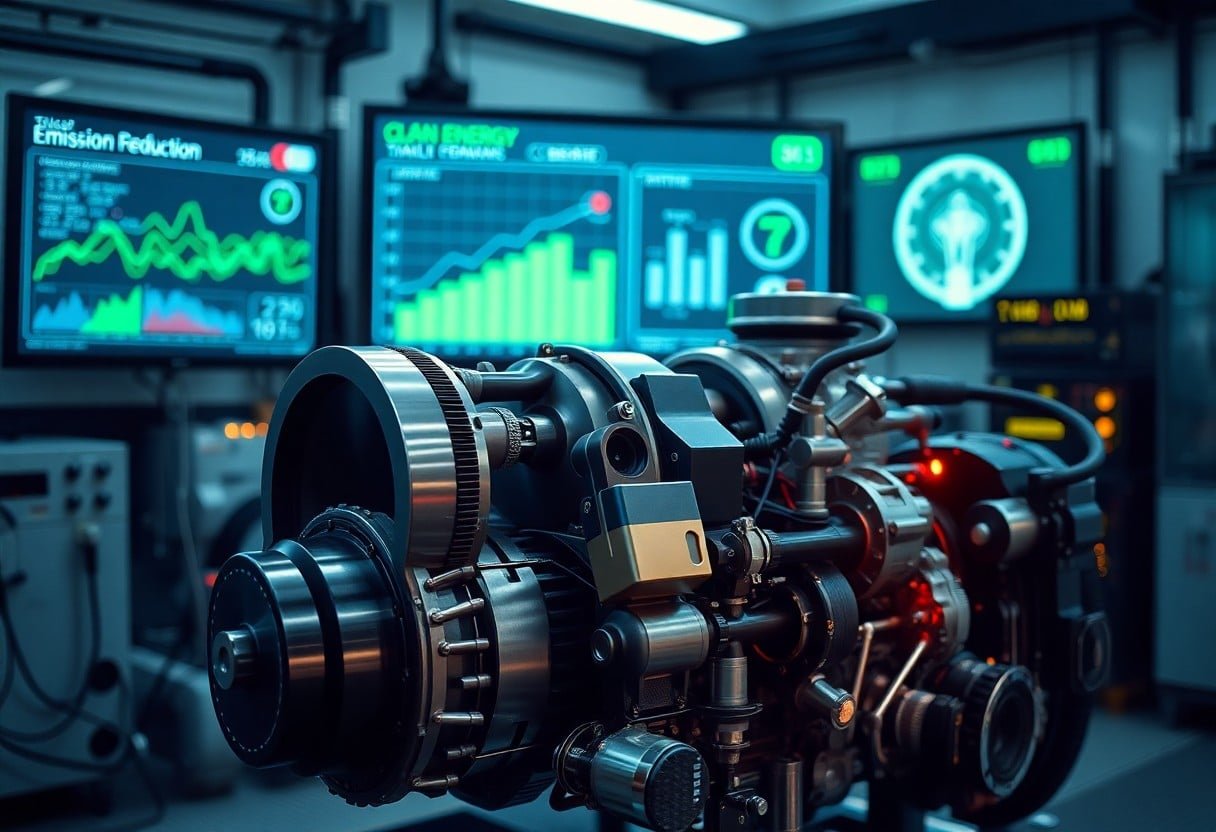
Grasping the nuances of internal combustion engines (ICE) is crucial as they play a pivotal role in both current transportation dynamics and future emissions strategies. These engines convert fuel into mechanical energy through a series of controlled explosions, powering a vast range of vehicles. As advancements continue, ICE technology adapts to meet more stringent environmental standards while enhancing efficiency and performance.
Overview of ICE Technology
ICE technology encompasses various designs, including spark-ignition and compression-ignition engines, operating on gasoline or diesel fuels. Recent innovations focus on increasing thermal efficiency and integrating hybrid systems that can complement electric drives. This adaptability allows for notable advancements in CO2 emissions reduction while maintaining vehicle reliability and performance.
Current Applications of ICE in Transportation
ICEs remain the backbone of the global transportation sector, powering a range of vehicles from personal cars to heavy-duty trucks. In 2022, approximately 1.4 billion passenger vehicles globally were equipped with ICEs, evidencing their significant presence. Despite the rise of electric vehicles (EVs), ICEs still dominate due to their established infrastructure and ability to offer long-range solutions for various driving needs.
As established energy systems face the challenge of transitioning to cleaner alternatives, ICEs still provide the majority of power for light-duty vehicles and commercial fleets. For instance, heavy-duty trucks, which are crucial for logistics, predominantly utilize ICE technology due to their ability to handle demanding loads and long-haul capabilities. Additionally, regional differences in fuel availability and infrastructure mean that in many parts of the world, ICEs will remain the primary choice for the foreseeable future. Many manufacturers are also investing in cleaner combustion technologies and biofuels to reduce emissions from ICEs, making them increasingly relevant in the ongoing energy transition.
The Importance of Energy Transition
The energy transition is fundamental in reshaping our environmental future. It involves moving away from fossil fuels towards cleaner, renewable sources. This change is vital for mitigating climate change and enhancing air quality. For a detailed vision of this shift, refer to the Study: Electric Vehicles Can Dramatically Reduce Carbon … which highlights the significant potential of electric vehicles in this transformation.
Definition and Goals of Energy Transition
The energy transition refers to the global shift from traditional energy sources, such as coal and oil, to sustainable alternatives like solar and wind power. Your goal in this transition is to reduce greenhouse gas emissions, promote energy security, and create a more sustainable energy system that aligns with climate goals.
Impact of Energy Transition on Emissions Reduction
The shift to renewable energy sources significantly lowers emissions across multiple sectors. Transitioning to electric vehicles (EVs) can reduce transportation-related emissions by as much as 70% in some regions, demonstrating the clear benefits of adopting cleaner technologies. As you embrace this shift, the positive environmental impact enhances public health by reducing pollutants.
The impact of this transition on emissions reduction can be seen through various case studies, such as California’s ambitious clean energy policies, which have led to a 20% drop in carbon emissions since 2000. Furthermore, the International Energy Agency (IEA) emphasizes that implementing wind, solar, and electric vehicles globally could lead to halving emissions from the energy sector by 2030. By supporting these advancements, you play a crucial role in achieving substantial climate goals while benefiting from cleaner air and reduced health risks.
Role of ICE in Reducing Vehicle Emissions
Internal combustion engines (ICE) are evolving to meet stringent emission reduction targets, playing a pivotal role in the transition towards cleaner transportation. Many experts agree that while electric vehicles are more sustainable, advancements in ICE technology can significantly lower pollutants. Enhanced fuel efficiency and hybrid technologies can bridge the gap until widespread EV adoption is feasible. For further insights, you can explore why electric vehicles are already much greener than traditional vehicles.
Emission Standards and Regulations
Governments worldwide are implementing stricter emission standards, pushing manufacturers to innovate and reduce vehicle pollutants. These regulations not only set limits on emissions but also incentivize the development of greener ICE technologies. Adhering to standards such as Euro 6 and RDE mandates drives significant advancements in engine efficiency and exhaust treatment systems.
Technological Innovations in ICE
The automotive industry is actively integrating innovative technologies to enhance the performance and reduce the emissions of internal combustion engines. This includes the adoption of turbocharging, hybrid systems, and advanced fuel injection techniques that maximize efficiency. Additionally, manufacturers are exploring alternatives like biofuels and synthetic fuels, which can help further decrease the carbon footprint of ICE vehicles.
With precision-engineered turbochargers, modern ICEs achieve power levels comparable to larger engines while maintaining lower emissions. For example, manufacturers are continually improving direct fuel injection systems that allow for more efficient combustion, thus increasing mpg and reducing harmful output. Furthermore, the integration of hybrid technology, where ICE is supported by electric motors, optimizes energy use and lowers overall emissions, demonstrating a clear path for transitional strategies toward more sustainable mobility solutions.
Alternatives to ICE
As the automotive landscape evolves, alternatives to internal combustion engines (ICE) are gaining momentum. This transition encompasses not just electric vehicles but also hybrid and alternative fuel options, providing diverse solutions for reducing vehicle emissions. An element of this transformation can be explored in greater depth through resources that discuss Accelerating and Smoothing the Clean Energy Transition.
Electric Vehicles (EVs)
Electric vehicles (EVs) represent a significant shift in automotive technology, leveraging clean energy to minimize carbon output. With advancements in battery technology and charging infrastructure, your ability to adopt EVs is becoming more feasible. For instance, the average range of new EV models now exceeds 300 miles on a single charge, making them suitable for everyday use.
Hybrid and Alternative Fuel Vehicles
Hybrid and alternative fuel vehicles are imperative components of a multifunctional strategy aimed at emissions reduction. By combining traditional combustion engines with electric powertrains, hybrids offer improved fuel efficiency and reduced emissions, catering to varying driving needs while still utilizing familiar technology.
These vehicles encompass a wide range of options, including plug-in hybrids, which can operate on electric power for short distances while still maintaining a gasoline engine for longer trips. Additionally, alternative fuel vehicles utilize options like compressed natural gas (CNG) or hydrogen fuel cells to mitigate environmental impacts. With incentives and advancements in refueling infrastructure, the market for hybrids and alternative fuel vehicles continues to expand, providing you with more choices for sustainable transportation.
Challenges in Transitioning from ICE
You face several challenges when transitioning from internal combustion engines (ICE) to cleaner alternatives. These obstacles can hinder progress and require careful navigation to ensure a smooth shift towards sustainable mobility. Key issues include economic pressures, infrastructure readiness, and evolving public perceptions, all of which can either accelerate or impede the transition process.
Economic Factors
Economic factors significantly impact your ability to transition from ICE. These include the costs associated with research and development, production of electric vehicles (EVs), and government incentives.
- Investment in charging infrastructure is substantial.
- Consumer market readiness influences sales expectations.
- Manufacturers face high upfront costs for new technologies.
- Government policies can either support or restrict growth.
This creates a complex environment where financial viability must be balanced with environmental goals.
Infrastructure and Public Perception
Infrastructure and public perception play critical roles in the acceptance of new vehicle technologies. Existing electric vehicle charging networks often lack the accessibility or coverage to meet growing demand. Meanwhile, public understanding and acceptance of these technologies can vary widely, affecting adoption rates.
For a successful transition, extensive investment in infrastructure is needed, such as expanding EV charging stations and improving grid capabilities. Public perception often hinges on awareness campaigns that educate potential users on the benefits of alternative fuel vehicles, addressing concerns about range anxiety and charging convenience. Case studies indicate that communities with robust educational programs and accessible charging infrastructures experience higher adoption rates. Addressing these aspects will be vital in reshaping consumer trust and accelerating the push towards cleaner transportation solutions.

Policy and Regulatory Framework
Your role in shaping the transition to cleaner vehicles is heavily influenced by the policy and regulatory landscape. Industry standards, emission regulations, and global agreements are designed to guide the shift towards low-emission technologies, establishing stringent benchmarks that internal combustion engines must meet. These regulations are vital as they incentivize innovation, promote cleaner fuels, and facilitate a gradual decline in greenhouse gas emissions from the transportation sector.
Government Initiatives
Numerous governments worldwide are implementing initiatives to accelerate the shift to low-emission vehicles. For instance, the European Union’s Green Deal aims to achieve net-zero emissions by 2050, emphasizing the need for stricter emission standards and investment in clean transportation infrastructure. Such initiatives push manufacturers to innovate, driving advancements in both electric and hybrid technologies.
Incentives for Clean Energy Adoption
Incentives for clean energy adoption take various forms, from tax credits to rebates, designed to lower the financial barriers to purchasing low-emission vehicles. Programs like California’s Clean Vehicle Rebate Project offer up to $7,000 for electric vehicle buyers, while federal tax incentives in the U.S. can provide up to $7,500. These fiscal supports significantly increase the attractiveness of investing in cleaner technologies, stimulating market demand.
The tangible benefits of such incentives are evident in sales figures, with electric vehicle purchases surging by more than 40% in the past year in states with aggressive rebate programs. Countries like Norway exemplify this, achieving over 54% of new car sales from EVs in 2021, largely due to their robust incentives and extensive charging networks. These effective financial motivations not only aid individuals in transitioning to cleaner vehicles but also create a ripple effect throughout the automotive market, pushing manufacturers to expand their green offerings.
Conclusion
As you consider the intersection of internal combustion engines (ICE) and the transition toward cleaner energy, it’s clear that your choices matter. ICE technology continues to play a significant role in reducing vehicle emissions, while advancements in clean power shape future transportation. By understanding these dynamics, you can engage in more informed decisions that benefit not only your personal environmental impact but also support broader efforts in energy sustainability. Embracing cleaner solutions today paves the way for a more sustainable tomorrow.