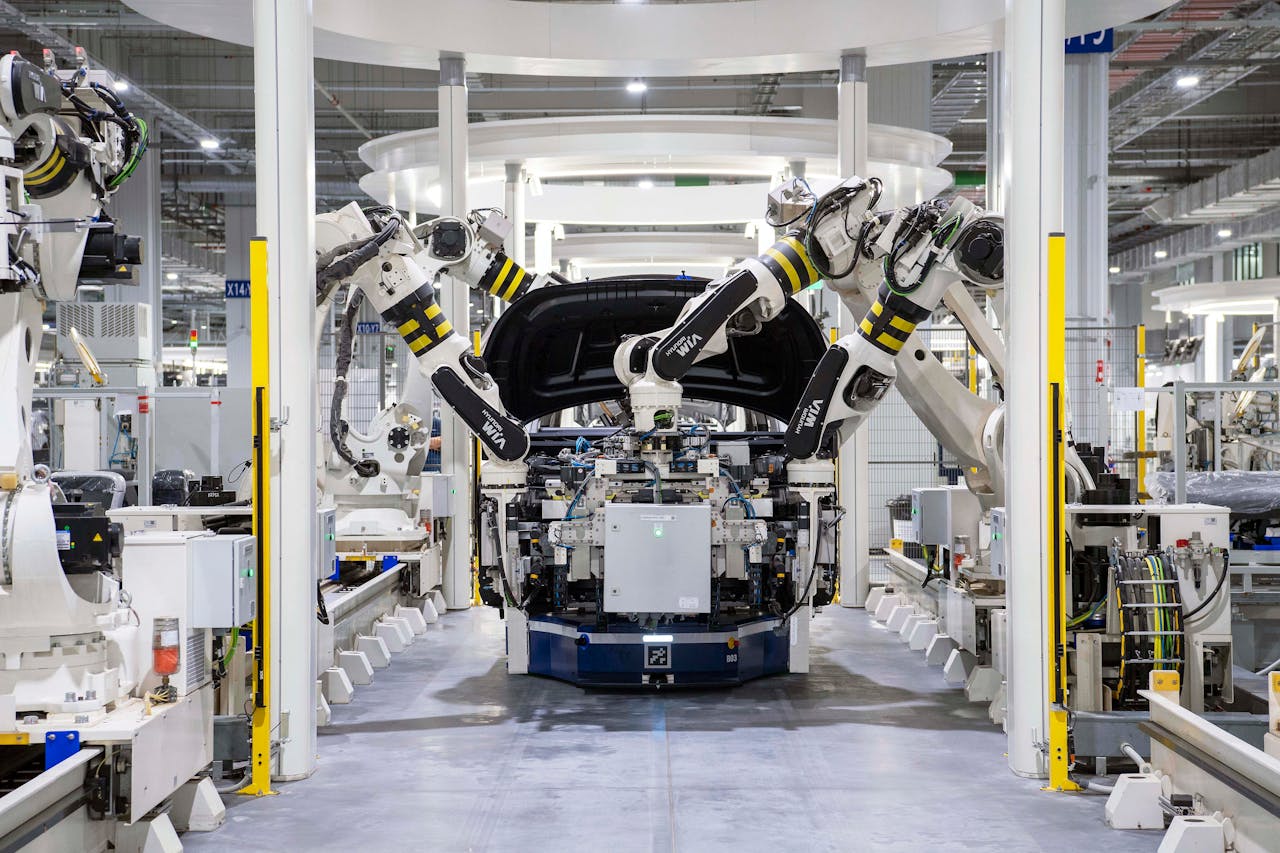

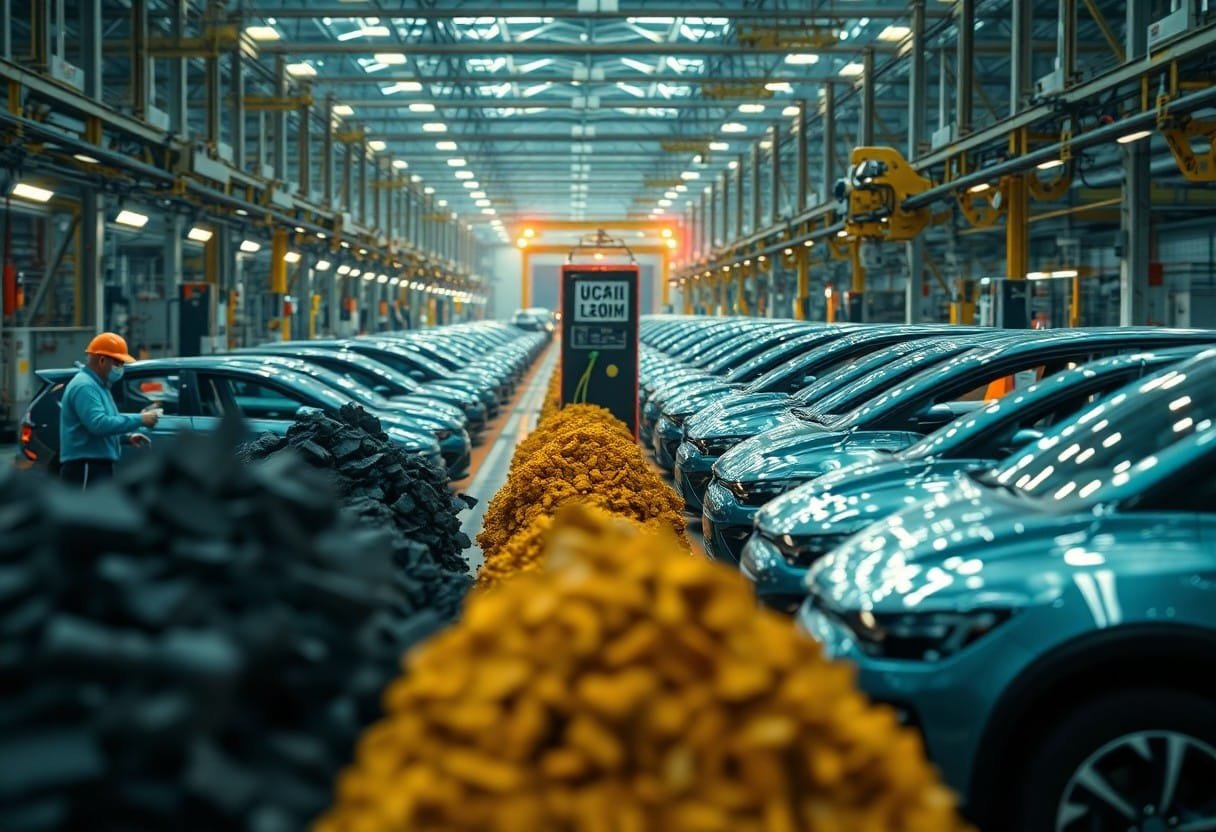
Just as the demand for electric vehicles (EVs) surges, the availability and management of battery metals like lithium, cobalt, and nickel directly influence your access to these innovative vehicles. Understanding how these materials shape manufacturing timelines and production capabilities can provide you with insights into the future of EV development. As supply chain factors and geopolitical considerations come into play, you will see how they significantly impact the speed at which automakers can meet your growing desire for sustainable transportation options.
Key Takeaways:
- Supply chain constraints for lithium, cobalt, and nickel are impacting the production capacity of electric vehicles (EVs) globally.
- Rising demand for battery metals is driving prices higher, influencing manufacturers’ costs and overall market dynamics.
- Investment in domestic mining and recycling efforts is becoming crucial to secure sustainable sources of battery materials for future EV production.
The Importance of Battery Metals in EV Production
Battery metals serve as the backbone of electric vehicle (EV) production, directly influencing energy storage efficiency, driving range, and overall vehicle performance. Your choice of battery materials impacts not just the vehicle’s capabilities but also its sustainability and lifecycle costs. The intrinsic properties of battery metals define how quickly power is delivered, how long the vehicle can operate on a single charge, and how affordable the manufacturing process can be. As demand for EVs escalates, understanding the role of these metals becomes important to grasp the industry’s trajectory.
Key Battery Metals: Cobalt, Lithium, and Nickel
Cobalt, lithium, and nickel are the primary battery metals driving the EV revolution. You rely on lithium for its lightweight nature and high energy density, making it the foundation of modern lithium-ion batteries. Cobalt enhances battery stability and longevity, while nickel boosts energy capacity, enabling longer ranges for your EV. The interplay of these metals not only affects performance but also shapes development trends and supply chains within the automotive industry.
Impacts of Supply Chain Constraints
Supply chain constraints for battery metals can significantly delay EV production timelines and escalate costs. Increased demand, coupled with geopolitical tensions, mining restrictions, and logistical bottlenecks, creates vulnerabilities. You may face price volatility, which can affect the affordability of EVs, stalling progress within the sector. Moreover, as automakers scramble to secure materials, competition for resources intensifies, further complicating the landscape.
In 2021, for instance, cobalt prices surged by over 60% due to supply disruptions in the Democratic Republic of the Congo, a major source for the global market. This volatility not only increases production costs for manufacturers but also affects end consumers through higher vehicle prices. Additionally, companies are now investing in alternative battery technologies and recycling initiatives to mitigate these risks, illustrating how tightly linked the future of EV production is to the stability of battery metal supply chains. You should keep an eye on these trends, as they will undoubtedly shape the EV market landscape in the coming years.
Global Trends in EV Demand
As electric vehicle (EV) adoption accelerates, global demand is witnessing a remarkable surge. Factors such as increasing environmental concerns and government incentives are driving consumer interest, while advancements in battery technology enhance vehicle performance. By 2023, the International Energy Agency reported that global EV sales surpassed 10 million units for the first time, highlighting a shift towards cleaner transportation. This growth underscores a significant cultural and economic shift, suggesting that EVs may become the dominant choice for consumers moving forward.
Market Growth Statistics
Between 2022 and 2023, global EV sales grew by 50%, with market analysts predicting a compound annual growth rate (CAGR) of over 20% through 2030. In particular, battery electric vehicles (BEVs) accounted for nearly 70% of total EV sales in 2023, reflecting a growing consumer preference for fully electric solutions. As infrastructure improves and battery costs decline, you can expect these figures to climb even higher in the coming years.
Regional Variations in EV Adoption
EV adoption rates vary significantly across regions, influenced by factors such as government policies, availability of charging infrastructure, and consumer preferences. While Europe leads with a robust market penetration, countries like China are scaling rapidly, driven by substantial investments and subsidies. Meanwhile, North America demonstrates a mix of gradual growth and regional differences, with certain states outpacing others in adoption rates.
In Europe, for example, EV market share exceeded 20% in several countries in 2023, led by Norway’s ambitious targets and strong incentives. Conversely, China not only holds the largest EV market globally but also boasts extensive battery manufacturing capabilities, enabling quicker integration into mainstream markets. North America’s uneven landscape highlights the disparity where states like California lead in adoption due to favorable policies, contrasting with slower growth in rural areas. These regional variations underscore the necessity for tailored strategies to harness EV potential across different markets.
Environmental Considerations
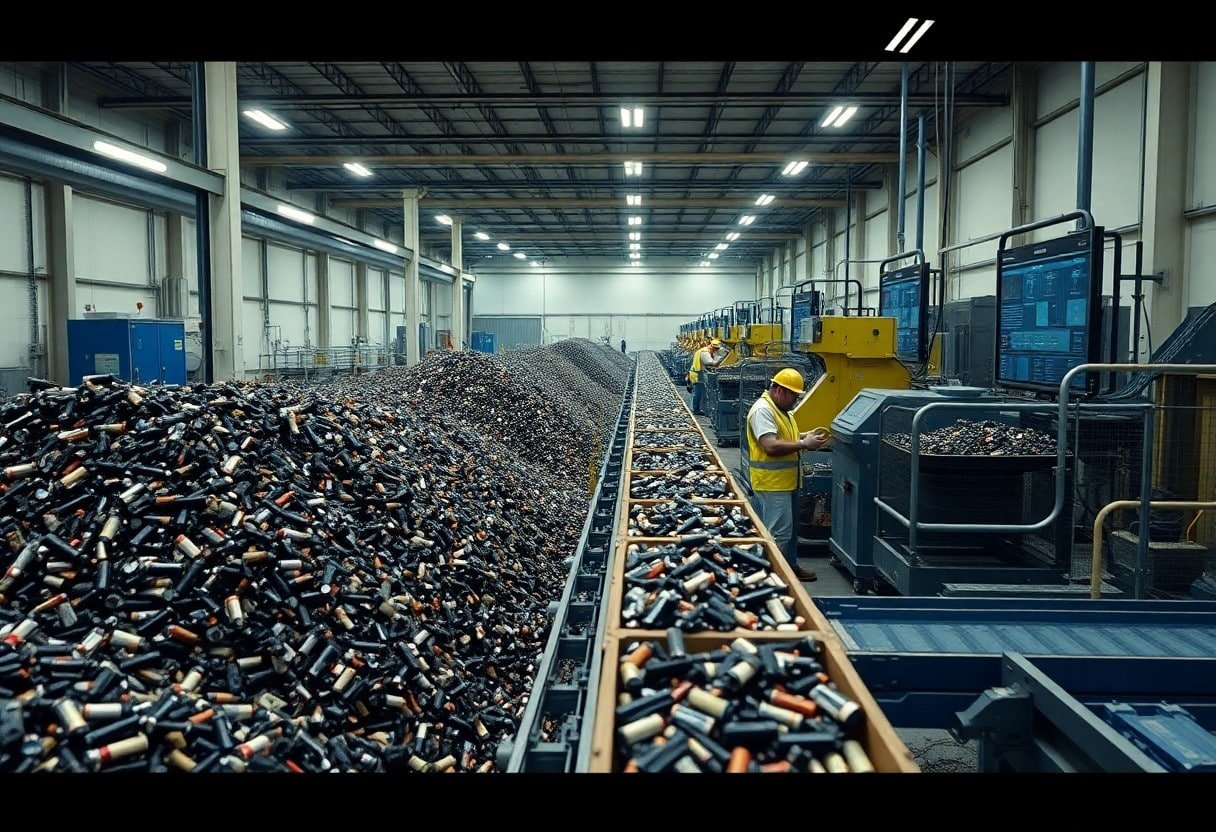
The surge in EV production brings significant environmental challenges, particularly concerning the sourcing and disposal of battery metals. Mining activities can result in habitat destruction, water pollution, and substantial carbon emissions. Furthermore, end-of-life management of EV batteries poses a complex issue that necessitates sustainable practices. Addressing these challenges effectively is fundamental for enhancing the sustainability of the EV lifecycle. For insights on this topic, explore Mining’s electric challenge: managing end-of-life EV batteries.
Sustainable Sourcing of Battery Metals
To ensure the viability of EVs, sustainable sourcing of battery metals is imperative. This involves adopting practices such as responsible mining, recycling, and reducing dependency on conflict minerals. Engaging in transparency regarding supply chains can enhance accountability, ensuring that metal extraction does not harm ecosystems or local communities.
The Carbon Footprint of Battery Production
The production of EV batteries significantly contributes to their overall carbon footprint, stemming from the extraction, processing, and transportation of raw materials. The energy-intensive processes often rely on fossil fuels, which exacerbates greenhouse gas emissions. This necessitates innovation in manufacturing technologies and a shift toward renewable energy sources to mitigate environmental impact.
In fact, studies estimate that the carbon footprint of producing a single lithium-ion battery can range between 60 and 200 kg of CO2 per kilowatt-hour. This variability largely depends on the energy mix used during production. As a result, battery producers are actively seeking methods to incorporate cleaner energy and increase recycling rates, which can dramatically diminish emissions associated with new battery production, making the entire EV ecosystem more sustainable.

Technological Innovations in Battery Chemistry
Enhancements in battery chemistry are fundamentally reshaping EV production timelines and efficiency. Innovations such as solid-state batteries and advanced lithium-sulfur solutions promise to improve energy density and safety, potentially reducing reliance on traditional lithium-ion technologies. For insights into how the evolving EV market influences battery metals prices, check out The EV market and its role for battery metals prices.
Advancements in Lithium-Ion Technology
The evolution of lithium-ion technology focuses on increasing energy density while decreasing charging times. New additives and designs are emerging that enhance the performance of cathodes, making them lighter and more efficient. Developments from leading manufacturers have shown improvements of up to 30% in efficiency, which can significantly impact the driving range of EVs.
Emerging Alternatives to Traditional Battery Designs
Several innovative approaches are being explored to supplement or replace traditional lithium-ion batteries. This includes lithium-sulfur, solid-state, and flow batteries, each offering unique benefits such as higher energy capacity and reduced weight. Companies are actively testing these technologies, aiming to overcome limitations associated with conventional battery systems.
Emerging alternatives hold significant promise for the future of EVs. For instance, lithium-sulfur batteries may provide five times the energy density of their lithium-ion counterparts. Solid-state batteries, utilizing a solid electrolyte, could enhance safety by eliminating flammability risks associated with liquid electrolytes. The development of flow batteries enables scalability and flexibility, making them suitable for various applications and potentially lowering costs over time. As these technologies mature, they could redefine energy storage and make EVs more accessible and practical for wider audiences. The ongoing research and investments in these areas indicate a robust shift in the overall battery landscape.
Economic Factors Influencing Battery Metal Prices
Battery metal prices are inextricably linked to various economic factors that affect supply and demand dynamics. Key influences include rising production costs, geopolitical tensions, and market speculation. Additionally, resource scarcity can lead to price spikes, while advances in recycling technologies may stabilize prices. Consider these points:
- As demand for EVs grows, so does the pressure on battery metal supply.
- Market volatility often results from changes in mining regulations or labor conditions.
- Speculative trading can inflate prices beyond fundamental value.
After evaluating these factors, understanding price trajectories becomes paramount for stakeholders.
Market Dynamics and Price Fluctuations
Market dynamics can lead to significant price fluctuations for battery metals, driven by supply chain disruptions, global demand shifts, and investor activities. For example, lithium prices soared over 400% in 2021 as demand from EV manufacturers surged. Fluctuations in commodity prices often mirror broader economic trends, impacting your cost assessments and investment decisions.
Role of Government Policies and Incentives
Government policies and incentives play a pivotal role in shaping the landscape of battery metal sourcing and EV production. From subsidies for mining operations to tariffs on unprocessed materials, these regulations directly influence your supply chain strategies and investment landscape.
Further exploring this, governments are increasingly implementing policies aimed at securing domestic supplies and reducing reliance on foreign sources. For instance, the United States has launched initiatives to boost local mining and refine battery materials, aiming to counteract market dominance by countries like China. Such measures can significantly alter the availability and economics of battery metals, presenting both challenges and opportunities for your EV production planning.
Future Outlook for EV Production
The trajectory of electric vehicle (EV) production is poised for rapid advancement, driven by a confluence of battery metal availability and technological breakthroughs. You can explore more about these developments in The New Gold Rush: Battery Metals Powering the Electric …. As manufacturers adapt to shifting dynamics, the transition towards sustainable technologies will accelerate, making EVs more accessible to the global market.
Predictions for Battery Metal Demand
As global EV production ramps up, the demand for battery metals like lithium, cobalt, and nickel is expected to soar. Analysts predict that the demand for lithium alone could increase by over 80% by 2030. This surge can be attributed to the growing investment in EV infrastructure and the continual push for greener transportation solutions.
Strategies for Mitigating Supply Risks
To counterbalance potential supply disruptions, you should consider diversifying sources of battery metals and investing in recycling technologies. Collaborative partnerships with mining companies and securing long-term contracts also play a vital role in stabilizing supply chains important for consistent production rates.
Investing in recycling initiatives can significantly alleviate dependence on newly mined materials. For instance, you might find that companies like Redwood Materials are pioneering ways to recover lithium and other critical metals from spent batteries. Establishing strategic alliances with local suppliers can also create a more resilient supply chain, preventing bottlenecks as EV production scales. By implementing these strategies, you can help ensure steady access to battery metals while promoting sustainable practices in the industry.
To wrap up
Summing up, as you navigate the electric vehicle landscape, it’s clear that battery metals play a pivotal role in shaping production rates. Your understanding of supply chain dynamics, pricing, and resource availability will directly impact your decision-making in this rapidly evolving market. Acknowledging the significance of materials like lithium, nickel, and cobalt will help you anticipate future trends and challenges in EV manufacturing. Ultimately, staying informed about battery metal trends equips you to better engage with the growing electric vehicle ecosystem.