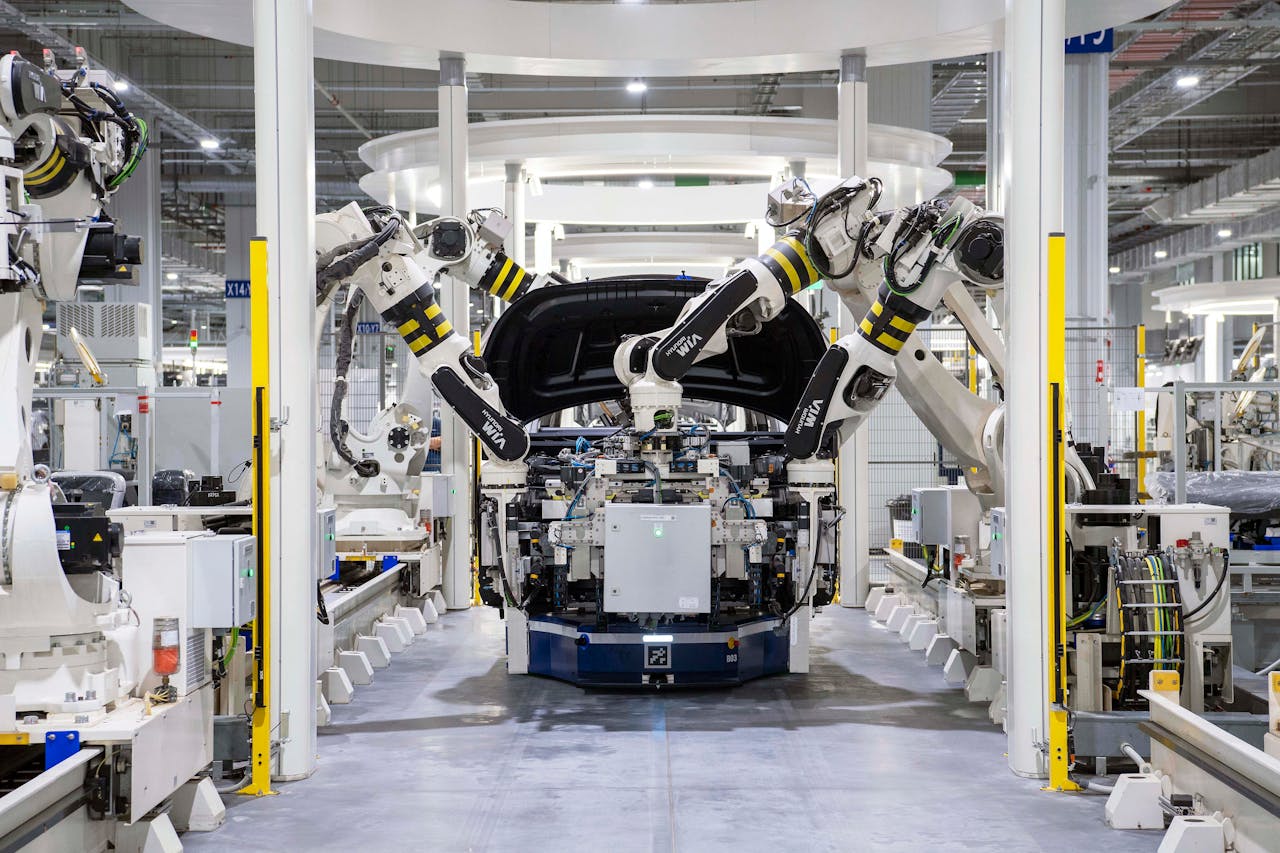

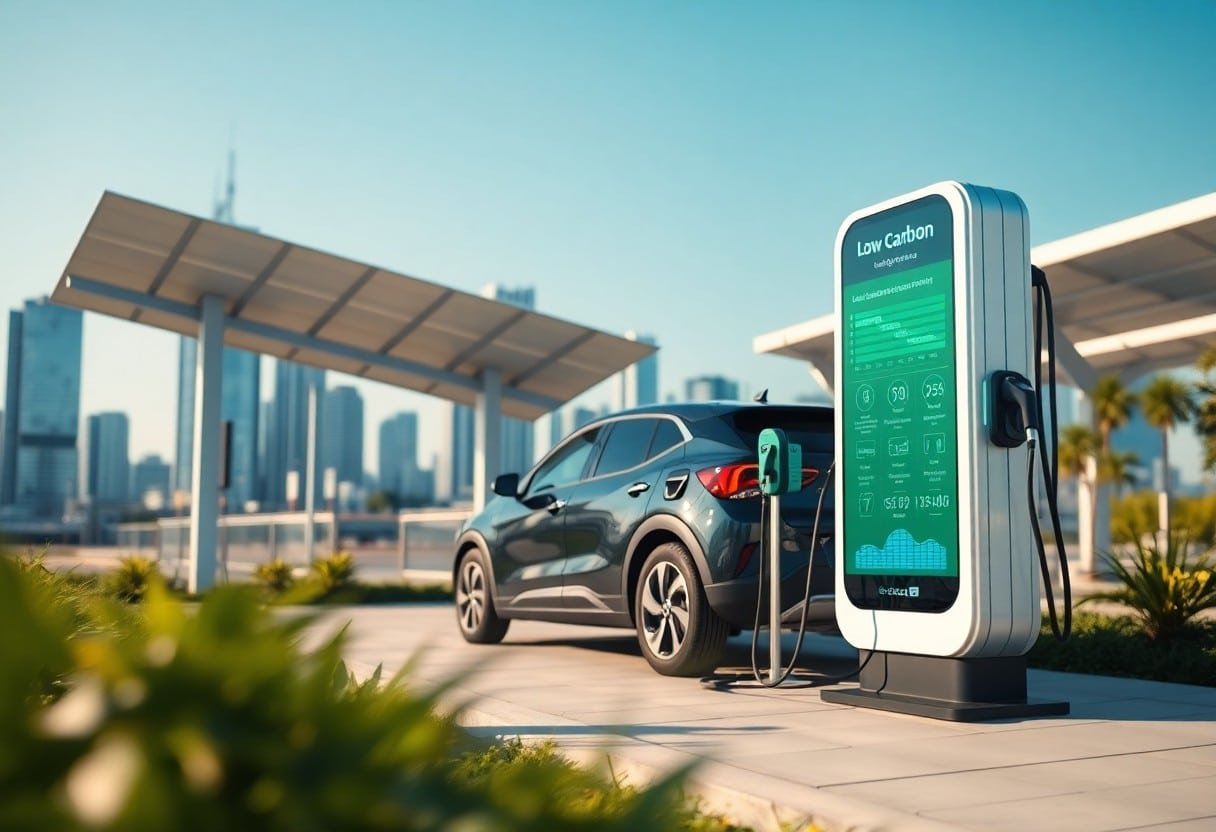
Many experts believe that the automotive industry is on the brink of a transformative shift towards low-carbon mobility and enhanced internal combustion engine (ICE) efficiency. As you navigate this evolving landscape, understanding key insights and trends will be vital for making informed decisions. This post will research into the latest advancements, regulatory influences, and innovative technologies shaping the future of sustainable transportation, empowering you to stay ahead in this pivotal era for the automotive sector.
Key Takeaways:
- The automotive industry is increasingly investing in low-carbon innovations, driven by regulatory pressures and consumer demand for sustainable mobility options.
- Internal combustion engine (ICE) efficiency is improving through advanced technologies such as turbocharging, hybrid systems, and alternative fuels.
- Collaboration between manufacturers, governments, and tech firms is necessary for accelerating the transition to low-carbon alternatives and achieving significant reductions in greenhouse gas emissions.
The Shift Towards Low-Carbon Mobility
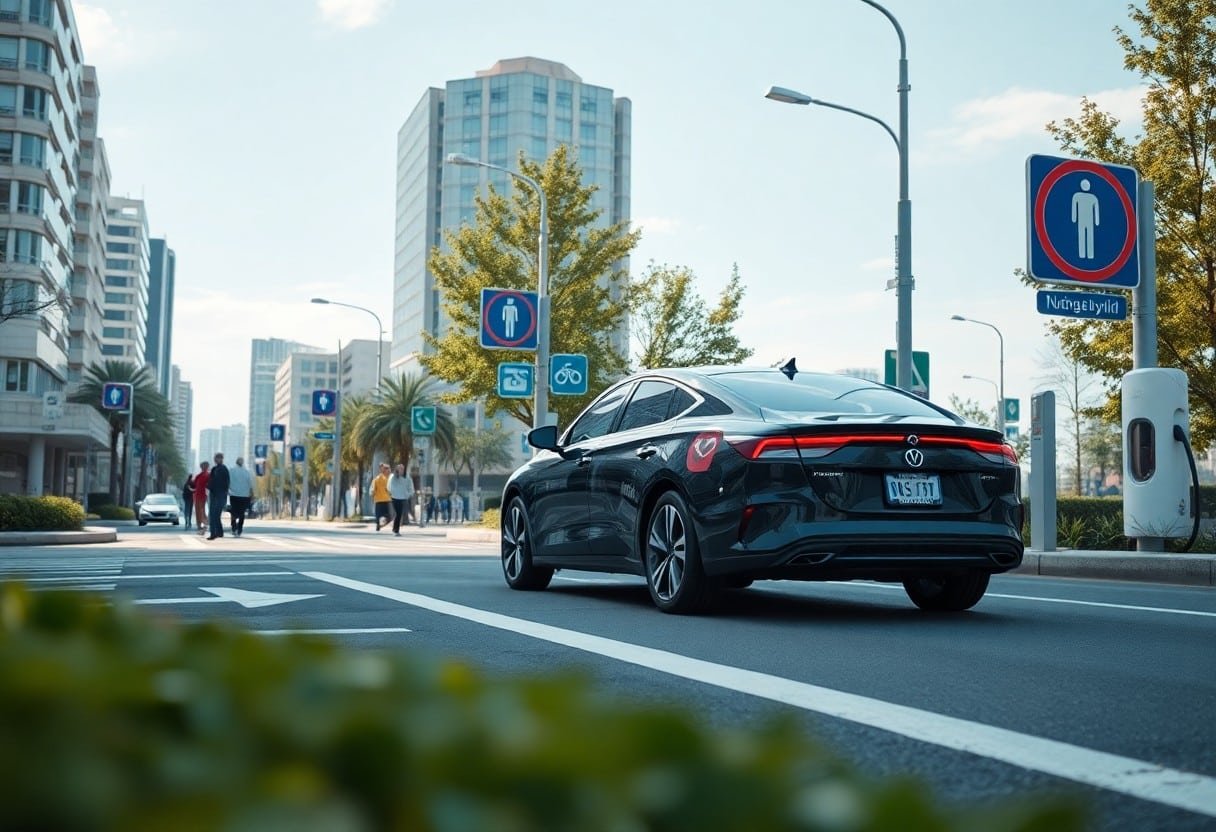
Transitioning to low-carbon mobility is redefining automotive dynamics, fueled by climate change concerns and stricter emissions regulations. Major manufacturers, including Ford and Volkswagen, are committing to electric vehicle (EV) lineups, targeting net-zero emissions by 2050. An increasing consumer shift towards sustainable transportation shows that low-carbon options are not just preferences but necessities for a cleaner future.
Overview of Low-Carbon Technologies
Low-carbon technologies encompass a range of innovations, from fully electric vehicles to hybrid systems that optimize fuel efficiency. Battery electric vehicles (BEVs) and hydrogen fuel cell vehicles are leading the charge, supported by advancements in battery technology, regenerative braking, and lightweight materials. These efforts are designed to minimize emissions while enhancing performance and driving experience.
Benefits of Low-Carbon Vehicles
Choosing low-carbon vehicles not only reduces your carbon footprint but also offers economic advantages, including lower fuel and maintenance costs. Government incentives for EV purchases make them more accessible, while advancements in technology continue to enhance range and performance. As you consider your options, these benefits position low-carbon vehicles as a savvy, environmentally friendly choice.
Understanding the benefits of low-carbon vehicles goes beyond financial incentives. Significant reductions in greenhouse gas emissions-up to 60% compared to traditional internal combustion engines (ICE)-contribute to improved public health and environmental quality. Moreover, many cities are investing in charging infrastructure, allowing you to seamlessly integrate sustainable transportation into your daily life while enjoying the perks of cleaner air and less noise pollution.
Internal Combustion Engine (ICE) Efficiency
Improvements in ICE efficiency are pivotal for meeting emissions targets while maintaining performance. New advancements in fuel injection, turbocharging, and lightweight materials are enhancing power density and reducing fuel consumption. For a closer look at automakers’ decarbonization efforts in action, consider how these technologies integrate into the industry’s broader transition towards sustainability.
Advances in ICE Technology
Recent innovations have enabled the development of engines that achieve over 50% thermal efficiency, significantly reducing tailored emissions. Each advancement is part of a holistic approach to refining ICE designs, focusing on hybridization and electrification. Manufacturers are increasingly leveraging advanced computational simulations to predict engine behavior, optimizing performance and efficiency.
Comparison with Electric Transport Solutions
While electric vehicles (EVs) are championed for zero emissions, ICE efficiency improvements provide an immediate solution for existing vehicle fleets. Enhanced ICEs can achieve lower emissions within the current infrastructure, balancing sustainability goals with consumer preferences. The transition to electric transport is vital; however, the timeline and investment for widespread adoption varies significantly.
Comparison of ICE Efficiency and Electric Transport
| Factors | ICE Efficiency |
|---|---|
| Emissions | Reduced but still present |
| Refueling Time | Minutes |
| Infrastructure | Widespread availability |
| Cost | Generally lower upfront |
As you analyze the strengths and weaknesses between ICE efficiency and electric transport solutions, it becomes evident that each has its own merits. ICE vehicles benefit from a more established refueling network and greater consumer familiarity, allowing for a more gradual transition. Electric vehicles, while offering long-term sustainability, require significant investments in charging infrastructure and battery technologies to reach scalability comparable to ICE vehicles. Assessing these factors helps you understand the balanced approach necessary for moving toward a low-carbon future.
Detailed Factors of ICE Versus Electric Transport
| Aspect | ICE |
|---|---|
| Lifecycle Emissions | Higher due to fossil fuels |
| Energy Efficiency | Typically below 30% |
| Range | Varies; often higher than EVs |
| Maintenance Costs | Generally higher |
Policy and Regulation Impact
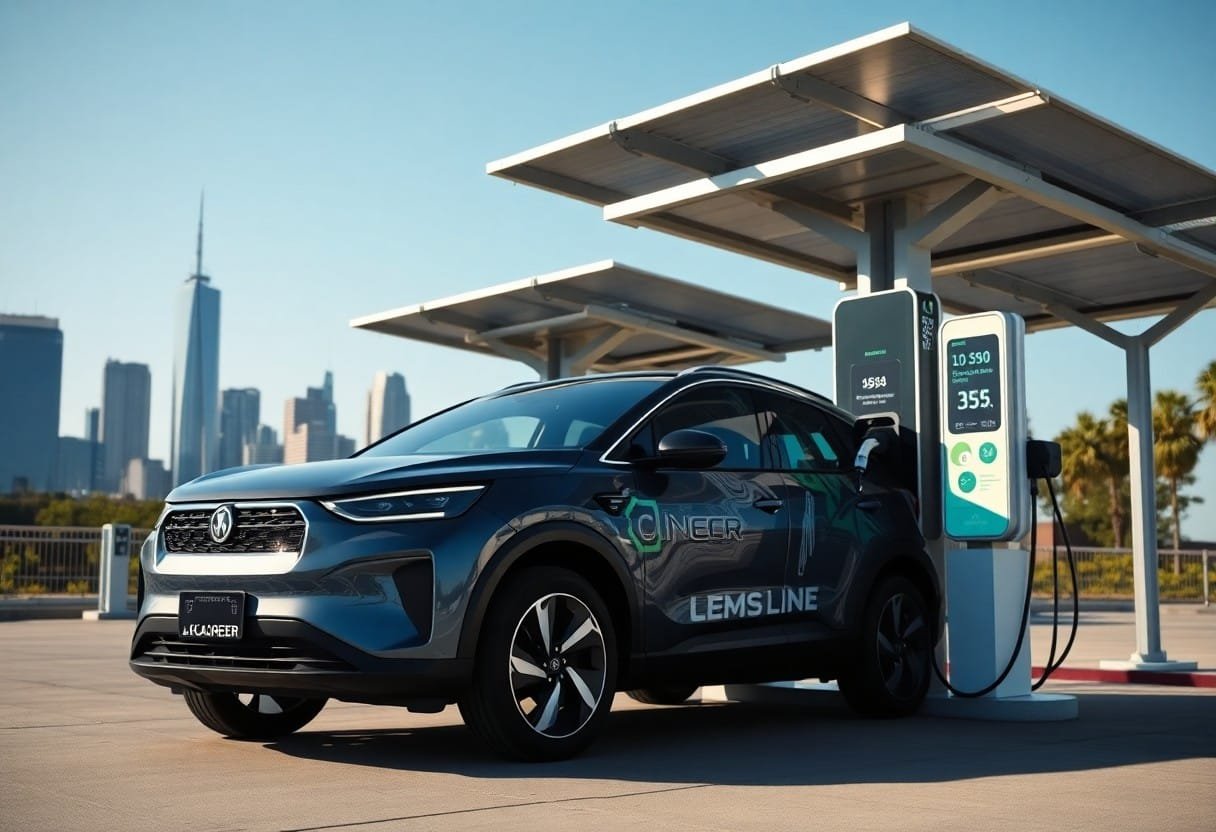
Regulatory frameworks significantly shape the automotive landscape by setting stringent emission standards and promoting low-carbon technologies. Countries worldwide are implementing policies that not only incentivize consumers to shift towards sustainable vehicles but also hold manufacturers accountable for their environmental impact. This creates a competitive environment where innovation thrives, pushing the industry toward more efficient and cleaner mobility solutions.
Government Initiatives and Incentives
Your local and national governments are introducing various initiatives aimed at accelerating the transition to low-carbon mobility. These initiatives often include tax breaks, rebates for electric vehicle purchases, and grants for research and development in alternative energy sources. By offering financial incentives, governments encourage both consumers and manufacturers to adopt greener technologies.
Global Emission Standards
As global climate concerns intensify, emission standards are becoming stricter and more harmonized across regions. The European Union, for instance, has set ambitious targets for CO2 emissions, aiming for fleet average emissions of 95 g/km by 2021. Other regions, including China and California, are following suit with their own regulations, leading to a unified push towards reduced vehicle emissions worldwide. This standardization helps manufacturers plan their product strategies effectively, aligning them with future compliance goals and consumer expectations.
Consumer Trends and Preferences
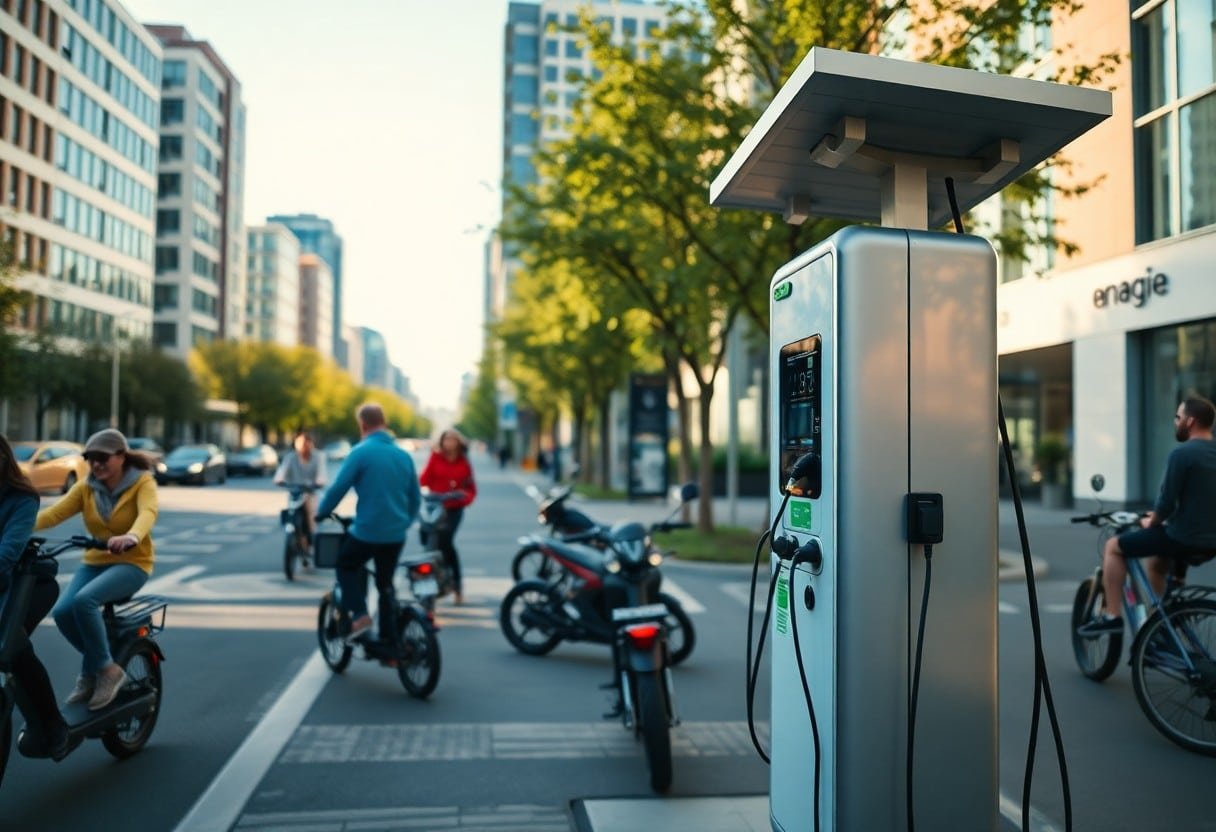
Emphasizing sustainability, consumer trends are shifting towards low-carbon mobility solutions. This change reflects increasing environmental awareness and a desire for greener alternatives. According to the Outlook for electric mobility – Global EV Outlook 2024, consumers prioritize energy efficiency and reduce their carbon footprints, directly influencing industry offerings.
Market Demand for Sustainable Options
Demand for sustainable automotive options has surged, driven by preferences for electric vehicles (EVs) and advanced hybrid technologies. Research indicates that over 50% of consumers are considering EVs for their next purchase, which demonstrates a significant shift in purchasing behaviors toward eco-friendly choices.
The Role of Consumer Awareness
Awareness among consumers is pivotal in driving the transition towards low-carbon mobility. You are more informed than ever about vehicle emissions and environmental impacts. As a result, your purchasing decisions increasingly reflect a preference for brands committed to sustainability and innovations like electric vehicles.
The growing role of consumer awareness encompasses education on the benefits of low-carbon mobility, notably the reduction in greenhouse gas emissions and long-term cost savings associated with EVs. You might find that access to information through digital platforms and social media influences your understanding and preferences. For many, factors like battery efficiency, charging infrastructure, and available incentives are now fundamental in shaping choices, pushing manufacturers to prioritize transparency and ecological responsibility in their products.
Challenges and Barriers to Adoption
The transition to low-carbon mobility faces several obstacles, including regulatory inconsistencies, insufficient charging infrastructure, and market resistance. These challenges can hinder the accelerated adoption of electric vehicles and reduce the overall effectiveness of low-carbon strategies. For further insights on how the automotive sector’s net-zero transition is shifting to low-carbon mobility, you’ll find some valuable resources to explore the complexities of this evolution.
Infrastructure Development
Insufficient charging infrastructure is a significant barrier to the widespread adoption of low-carbon vehicles. Many consumers hesitate to switch to electric models due to range anxiety and a lack of accessible charging stations. Enhancing infrastructure will require substantial investment and strategic partnerships between government entities and private firms to create a robust network.
Economic Considerations
The financial implications of shifting to low-carbon mobility cannot be overlooked. While the initial costs of electric vehicles (EVs) may deter some consumers, incentives and decreasing battery prices are making them more attractive. You must evaluate the long-term savings on fuel and maintenance as well as the potential for resale value to fully appreciate the economic landscape.
Shifting dynamics in the automotive market highlight the economic benefits of low-carbon mobility. For instance, the total cost of ownership for EVs is now often lower than that of internal combustion engine (ICE) vehicles due to decreasing battery costs and government incentives. As more manufacturers invest in EV technology, economies of scale are expected to drive prices down further. Furthermore, the integration of renewable energy sources into EV charging could further enhance cost savings, aligning environmental goals with financial advantages for you as a consumer.
Future Outlook for the Automotive Industry
The automotive industry is poised for transformative shifts as it embraces low-carbon solutions and refines internal combustion engine (ICE) efficiency. The transition towards electrification, coupled with advancements in hybrid technologies, will reshape the landscape, offering consumers a diverse range of eco-friendly vehicles.
Predictions for Low-Carbon Mobility
Analysts predict that by 2030, electric vehicles (EVs) will account for over 50% of new car sales globally, driven by stringent emissions targets and growing consumer demand for sustainability. Furthermore, the development of a robust EV charging infrastructure will significantly enhance adoption rates.
Innovations on the Horizon
Innovative technologies are set to redefine the automotive sector, including solid-state batteries that promise greater energy densities and faster charging times. Additionally, advancements in lightweight materials, such as carbon fiber composites, aim to enhance vehicle efficiency and reduce carbon footprints.
In light of increasing sustainability demands, automakers are investing heavily in research and development of these innovations. For instance, companies like Toyota and QuantumScape are leading efforts to perfect solid-state batteries, which could eventually lead to EVs with ranges exceeding 500 miles on a single charge. The integration of smart technology and AI for predictive maintenance is also on the rise, minimizing waste and optimizing fuel usage in traditional ICE vehicles. Embracing these innovations allows you to remain at the forefront of the evolving automotive landscape, catering to both environmental considerations and performance expectations.
Final Words
The insights gathered illustrate a clear trajectory toward low-carbon mobility and improved internal combustion engine efficiency that you cannot overlook. As the automotive industry undergoes transformation, embracing innovative technologies and sustainable practices will be necessary for your competitive edge. Staying informed about these developments allows you to make strategic decisions that align with evolving market demands and regulatory expectations. Your proactive engagement with these insights will help you contribute to a more sustainable future while ensuring the resilience of your automotive endeavors.