

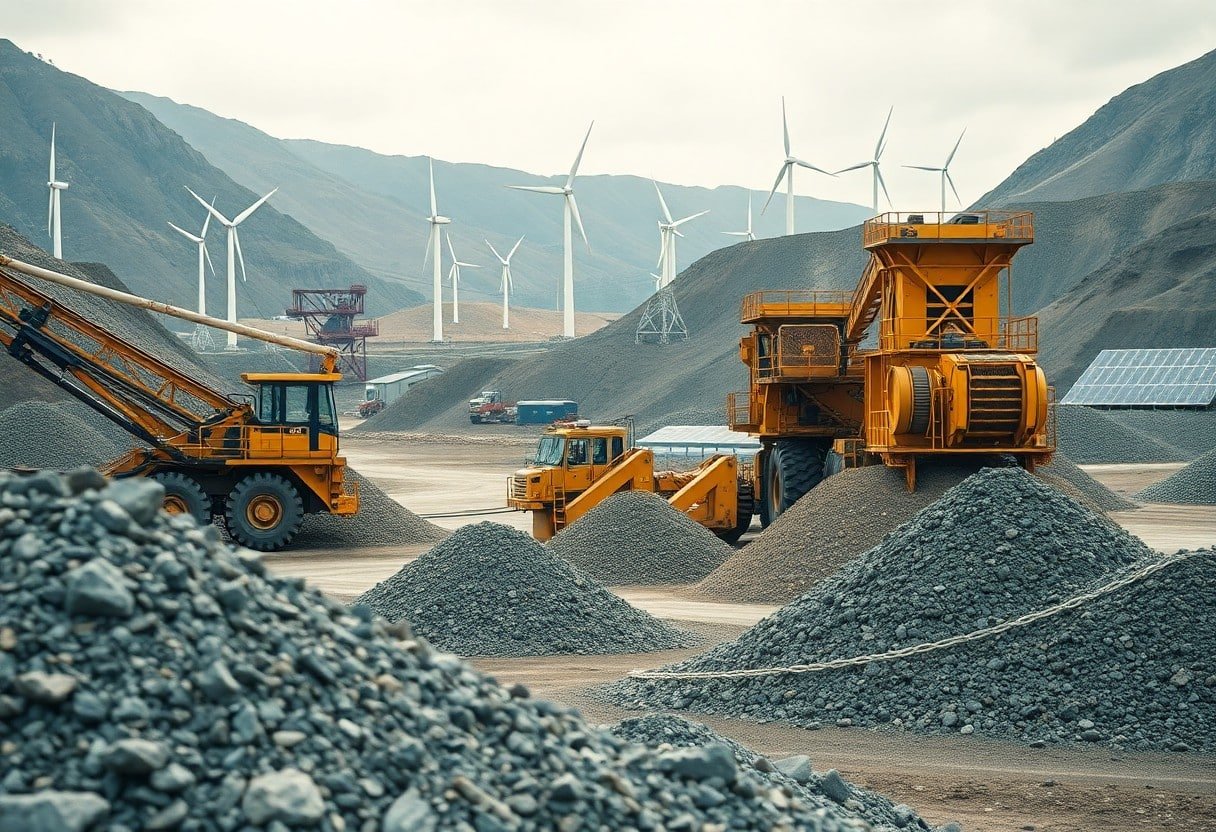
Over the past decade, you may have noticed that rare earth elements have become central to conversations about technology and sustainability. As digital infrastructure evolves, these elements are increasingly likened to oil in their importance to modern society. This blog post will explore why rare earths are so vital for your devices, the renewable energy sector, and the future of digital innovation, highlighting their role in shaping the world around you.
Key Takeaways:
- Rare earth elements are important for manufacturing electronic devices and renewable energy technologies, akin to oil’s importance in the energy sector.
- Supply chain vulnerabilities highlight the geopolitical risks associated with rare earth element resources, prompting nations to seek self-sufficiency.
- Investment in recycling and alternative materials is increasing to mitigate dependence on rare earth elements and enhance sustainability in the tech industry.

Understanding Rare Earth Elements
Rare earth elements (REE) are a series of seventeen chemically similar elements, including lanthanides and yttrium, necessary for various advanced technologies. Although termed “rare,” these elements are relatively abundant in the Earth’s crust but are rarely found in economically exploitable concentrations. Their unique properties enable numerous applications, particularly in electronics and clean energy sectors.
What Are Rare Earth Elements?
Rare earth elements comprise 15 lanthanides, along with scandium and yttrium. Found widely in nature, they are not truly rare; instead, their extraction involves complex processes due to the need for selective mining and refining. These elements are integral to various high-tech applications, including batteries, magnets, and catalysts.
Their Importance in Technology
These elements play a vital role in powering necessary technologies. From smartphones and electric vehicles to wind turbines and advanced defense systems, rare earth elements are key to innovation in multiple industries. Each element contributes distinct properties that enhance function and efficiency in modern devices.
Consider, for instance, neodymium, which is widely used in powerful permanent magnets for electric motors and headphones. Without these magnets, you would experience reduced performance in your devices. Additionally, dysprosium enhances the heat resistance of magnets, crucial for electric vehicle performance under strenuous conditions. The growing global demand for clean technologies further highlights the importance of REEs, as they are pivotal in reducing carbon emissions and transitioning to sustainable energy solutions.
The Role of Rare Earth Elements in Digital Infrastructure
Rare earth elements are vital in developing and sustaining the digital infrastructure that underpins our modern society. These materials enhance the performance of various technologies, from smartphones to advanced telecommunications systems, ensuring efficiency and reliability. As digital devices become increasingly sophisticated, the demand for these elements grows, driving innovations that not only improve connectivity but also fuel the global economy.
Key Applications in Electronics
In electronics, rare earth elements play a pivotal role in manufacturing components like neodymium magnets, which are vital for motors and speakers, and phosphors used in LED displays. Their unique properties enable miniaturization and enhanced functionality in devices like smartphones, laptops, and tablets, fundamentally transforming how you interact with technology.
Supporting Renewable Energy Technologies
Your transition to renewable energy sources heavily relies on rare earth elements, which are integral in the production of wind turbines and lithium-ion batteries. These materials enhance energy efficiency and storage capabilities, positioning renewables as viable alternatives to fossil fuels in powering your home and businesses.
Wind turbines utilize rare earth elements in their generators, significantly improving performance and energy conversion. For instance, neodymium and dysprosium make compact and powerful magnets that allow turbines to operate efficiently even in low-wind conditions. Additionally, in solar energy, the use of high-efficiency cells made with rare earth elements can substantially improve energy output. This synergy between rare earths and renewable technologies not only boosts the sustainability of energy systems but also drives economic growth in sectors pivotal for the future.
The Geopolitical Landscape
The geopolitical landscape surrounding rare earth elements is complex and evolving. Nations vie for control over these critical resources, often leading to tensions, particularly in regions rich in these materials. Strategic partnerships and trade agreements are continually shifting, reflecting the competitive nature of securing supply chains vital for technological advancements. Countries like China, the dominant player, leverage their monopolistic position, raising concerns over international reliance on a single source.
Major Producers and Supply Chains
You’ll find that China is the world’s leading producer of rare earth elements, accounting for over 60% of global output. Other notable producers include Australia and the United States, which are working to bolster their supply chains to reduce dependency on China. Supply chains are intricate, often involving mining, refining, and the transportation of materials across international borders, making them vulnerable to disruptions.
Challenges and Risks in Sourcing
Sourcing rare earth elements presents numerous challenges. Environmental concerns arise from mining operations, regulatory hurdles can delay projects, and geopolitical tensions may disrupt supply lines. These issues make consistent and sustainable access to rare earth elements increasingly precarious for manufacturers relying on them for production.
Additionally, sourcing rare earth elements requires navigating a myriad of challenges that can disrupt your supply chain. Environmental regulations in various countries may lead to stricter mining practices, increasing production costs. Geopolitical tensions, particularly between the U.S. and China, can create uncertainty in availability and pricing. Furthermore, as demand grows, resource depletion has become a pressing issue, leading to the need for innovative recycling and alternative materials as potential solutions to mitigate risk.
Environmental Considerations
The environmental impact of rare earth element extraction raises significant concerns. Mining processes often lead to habitat destruction, soil erosion, and water contamination. These effects pose risks not only to local ecosystems but also to communities that rely on these environments for their livelihoods. Exploring sustainable practices and alternatives is necessary for minimizing ecological damage while meeting the growing demand for digital infrastructure.
Mining Impacts and Sustainability
The extraction of rare earth elements is typically associated with high energy consumption and toxic waste production. Techniques such as open-pit mining can devastate landscapes and disrupt local wildlife, necessitating a serious commitment to sustainable practices and regulatory oversight to mitigate long-term environmental effects.
Recycling and Circular Economy
Implementing a robust recycling framework for rare earth elements can significantly reduce the need for new mining operations. By reclaiming materials from old electronics and other devices, you not only limit the environmental impact of new mining but also foster a more sustainable circular economy where materials are reused and recycled efficiently, extending their lifecycle.
The circular economy approach presents an opportunity to transform how you think about rare earth elements. For instance, through the recycling of neodymium from outdated magnets or recovering lanthanum from used batteries, you can help alleviate the pressure on virgin resources. A study revealed that recycling could supply up to 30% of the global demand for rare earth elements by 2030, illustrating the powerful impact of increased recycling efforts. Transitioning to this model benefits not just the environment, but also supports economic resilience and resource sustainability. Embracing these practices is vital for a balanced digital future.
Future Outlook
Your perspective on rare earth elements is set to shift as demand skyrockets, especially with the integration of technologies like AI. The intersection of digital infrastructure and rare earth mining highlights the rising significance of these metals. With projections indicating that the AI Data Center Boom Fuels Rare Earth Demand-and… click here for details, you can see a trend shaping the future energy landscape.
Innovations in Extraction and Usage
You may be intrigued to learn that advancements in extraction technologies are reshaping the rare earth landscape. For instance, new methods like bioleaching harness microorganisms to extract metals sustainably, minimizing environmental impact. Additionally, innovative recycling processes are being developed to recover rare earth elements from electronic waste more efficiently, fostering a circular economy.
The Potential for Alternatives
Exploring alternatives to rare earth elements opens exciting possibilities. Researchers are investigating materials that can substitute these minerals in various applications, potentially lessening dependence on mining. These alternatives could range from advanced composites to novel alloys, enhancing sustainability while maintaining performance in technology.
For instance, in the field of permanent magnets, researchers are looking into iron-nitride materials that could potentially replace neodymium-based magnets in certain applications. This shift not only aims to reduce reliance on rare earth elements but also addresses geopolitical strains associated with their supply chains. By investing in research and development, industries can harness these alternatives, positioning themselves as leaders in sustainable technology solutions, thus aligning with global efforts toward reducing carbon footprints.
Economic Implications
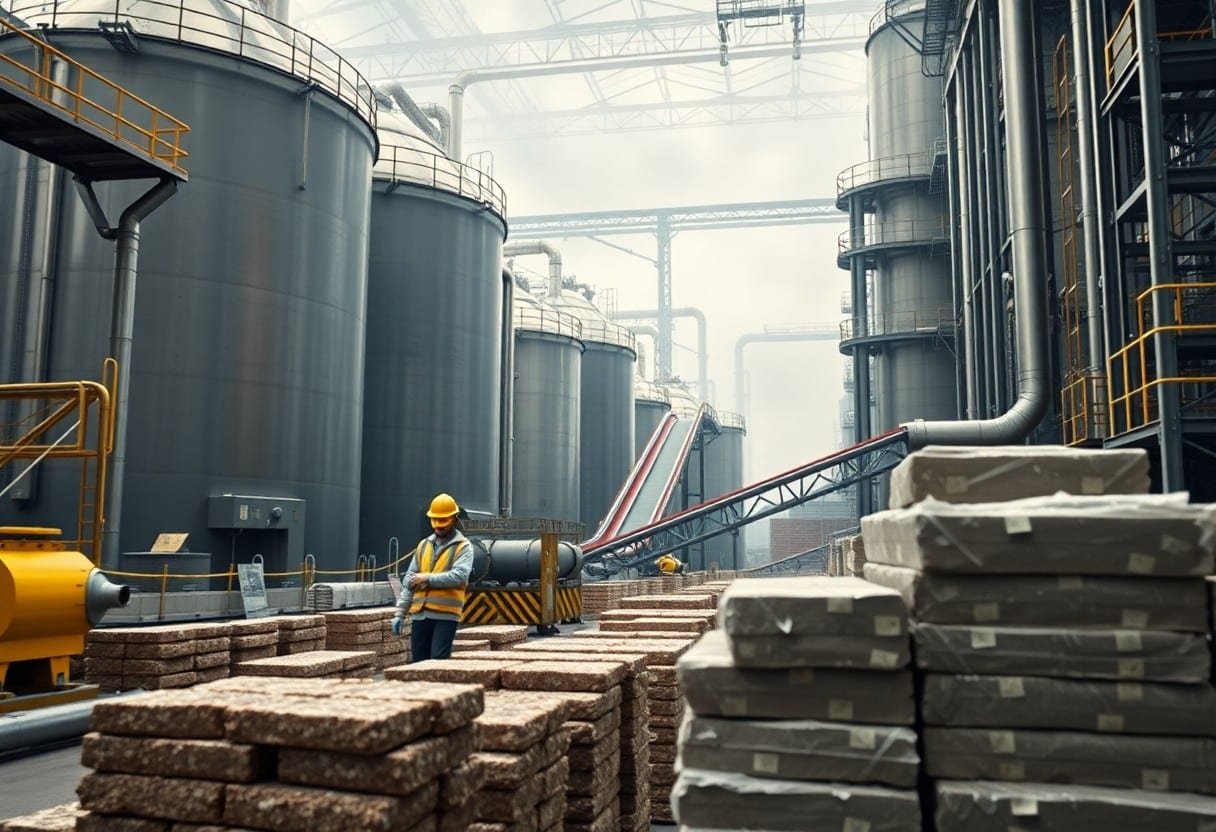
The economic impact of rare earth elements (REEs) is profound, influencing global supply chains and pricing structures. As demand escalates, countries are reevaluating their domestic policies and investing heavily in REE production to secure their technological competitiveness. This ongoing shift could disrupt various industries and lead to increased prices for consumer electronics, electric vehicles, and renewable energy technologies.
Market Trends and Pricing
You’re likely noticing a volatile pricing environment for rare earth elements, driven by geopolitical tensions and fluctuating demand. The market has seen significant price increases over recent years, particularly for elements like neodymium and dysprosium, which are important for strong permanent magnets. Analysts predict that these trends may continue as industries increasingly transition toward digital and green technologies.
Investment Opportunities
Among the rising tides of the rare earth market lie various investment opportunities for those willing to explore. Mining companies focusing on REE exploration, processing technologies, and recycling initiatives present potential high-reward ventures, especially in emerging markets. This sector is not only about traditional mining; innovative methods, such as urban mining, are gaining traction as they become more economically viable.
Investors should consider firms with strong sustainable practices and technologies that minimize environmental impact while optimizing extraction and processing efficiency. Companies like MP Materials and Lynas Rare Earths are noteworthy, showing promising advancements in production capabilities. Additionally, as governments increase funding for domestic REE production, partnerships with these entities could yield long-term gains. Diversifying investments across companies involved in REE extraction, processing, and recycling can cushion against market fluctuations, ultimately positioning you to benefit from the wider adoption of technologies reliant on these important materials.
Conclusion
Summing up, as you navigate the evolving landscape of digital infrastructure, it’s clear that rare earth elements are becoming vital to your technological future, much like oil was for previous generations. Their importance in powering devices and sustainable technologies cannot be overstated. Embracing these resources will not only shape your digital experiences but also drive innovation and economic growth. So, keep an eye on this dynamic field, as it promises to influence the way you interact with the world around you.

Pingback: Are GPUs Like NVIDIA’s Driving A New Industrial Revolution Based On Raw Materials For Technology? -