

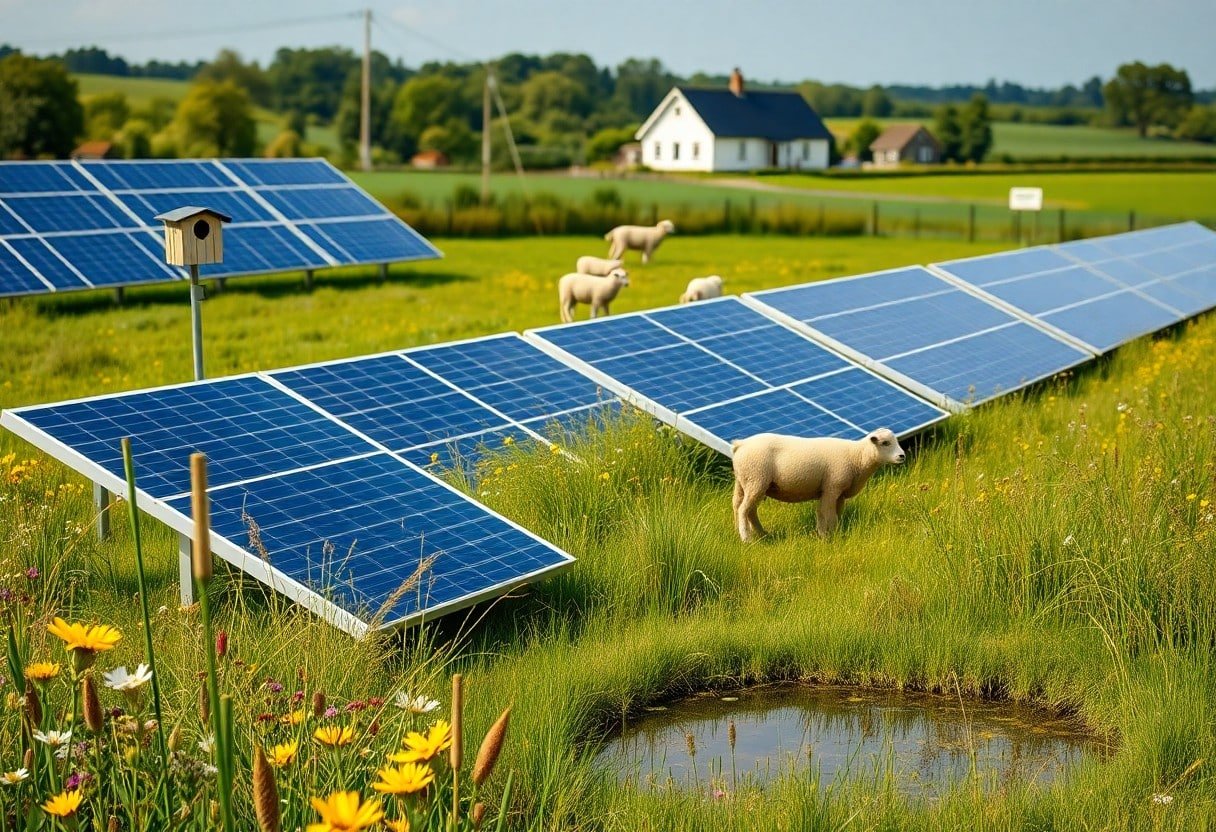

There’s clear evidence that solar farms cut emissions, lower energy costs, and create long-term jobs, while restoring soil and supporting pollinators; you gain cleaner air, resilient local grids, and sustained economic benefits for communities over decades.
Key Takeaways:
- Solar farms cut greenhouse gas emissions and local air pollution, use far less water than thermal power plants, and help lower long-term climate risk by replacing carbon‑intensive generation.
- Communities gain ongoing economic benefits from construction and operations jobs, property and sales tax revenue, and lease payments to landowners, which diversify local incomes and can reduce energy costs.
- Solar sites can deliver ecological co‑benefits when managed for pollinators or paired with crops (agrivoltaics), protect soil and control invasive species, and increase local energy resilience and independence.
Environmental Impact and Carbon Mitigation
Solar farms reduce lifecycle carbon emissions, letting you offset fossil-fuel generation and support long-term climate stabilization through clean energy output and grid decarbonization.
Significant Reduction in Greenhouse Gas Emissions
You see fewer CO2 and methane outputs when solar displaces coal and gas, lowering community contribution to global warming and reducing health burdens tied to fossil-fuel pollution.
Preservation of Air Quality and Water Resources
Cleaner air follows reduced combustion, helping you experience fewer respiratory issues while solar farms require far less water than thermal plants, conserving freshwater for local use.
Operational design choices limit soil disturbance and allow vegetation that stabilizes topsoil, so you gain erosion control and improved habitat. Thoughtful siting avoids wetlands and critical watersheds, reducing runoff and chemical leaching into aquifers while community water availability is preserved for agriculture and households.
Biodiversity and Ecosystem Services
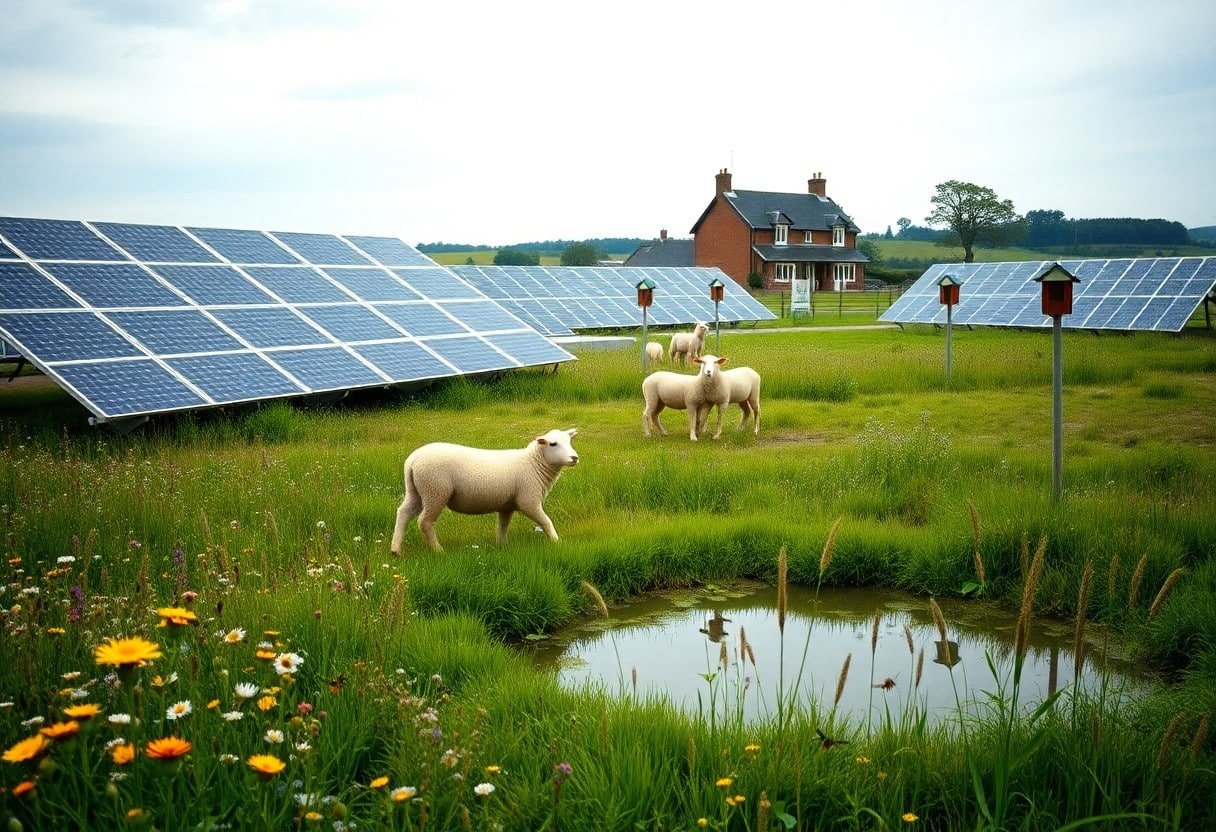
Biodiversity on solar sites often improves when you manage native groundcover and connectivity, creating corridors for wildlife while reducing invasive plants and surface runoff.
Habitat Restoration and Pollinator Support Programs
Pollinator plantings and nesting zones help bees and butterflies thrive; you can partner with local organizations to maintain season-long blooms and track species recovery.
Soil Regeneration and Land Fallowing Benefits
Soil health improves when you allow periodic fallowing, use cover crops and deep-rooted natives to rebuild organic matter and reduce erosion.
Allowing fields to rest between uses enables you to rebuild soil structure and microbial communities; implementing cover crops, rotational fallowing, and organic amendments boosts carbon storage, increases water infiltration, and lowers compaction. You will see improved nutrient retention and reduced fertilizer needs over time, and consulting agronomists helps align practices with local soils and climate for lasting productivity and resilience.
Local Economic Development and Stability
Communities hosting solar farms gain steady lease income and predictable tax flows that let you plan long-term budgets, attract services, and fund local projects; learn practical details in Your Guide to Solar Farms: Benefits, Safety & FAQs.
Sustained Job Creation in Operations and Maintenance
Operations and maintenance create ongoing local jobs, so you benefit from technician roles, contractors and site managers who keep skills and paychecks in your community year after year.
Increased Tax Revenue for Public Infrastructure and Schools
Tax payments and negotiated community fees increase funding for schools, roads and emergency services, enabling you to improve facilities without raising local rates.
Revenue from property taxes, PILOT agreements or host-community payments provides predictable multi-year funding you can earmark for classroom upgrades, teacher positions, road repairs or broadband; you can also require escrowed maintenance funds and specify reporting in the agreement so you see clear, accountable benefits that reduce pressure to raise other local taxes.
Energy Independence and Grid Resilience
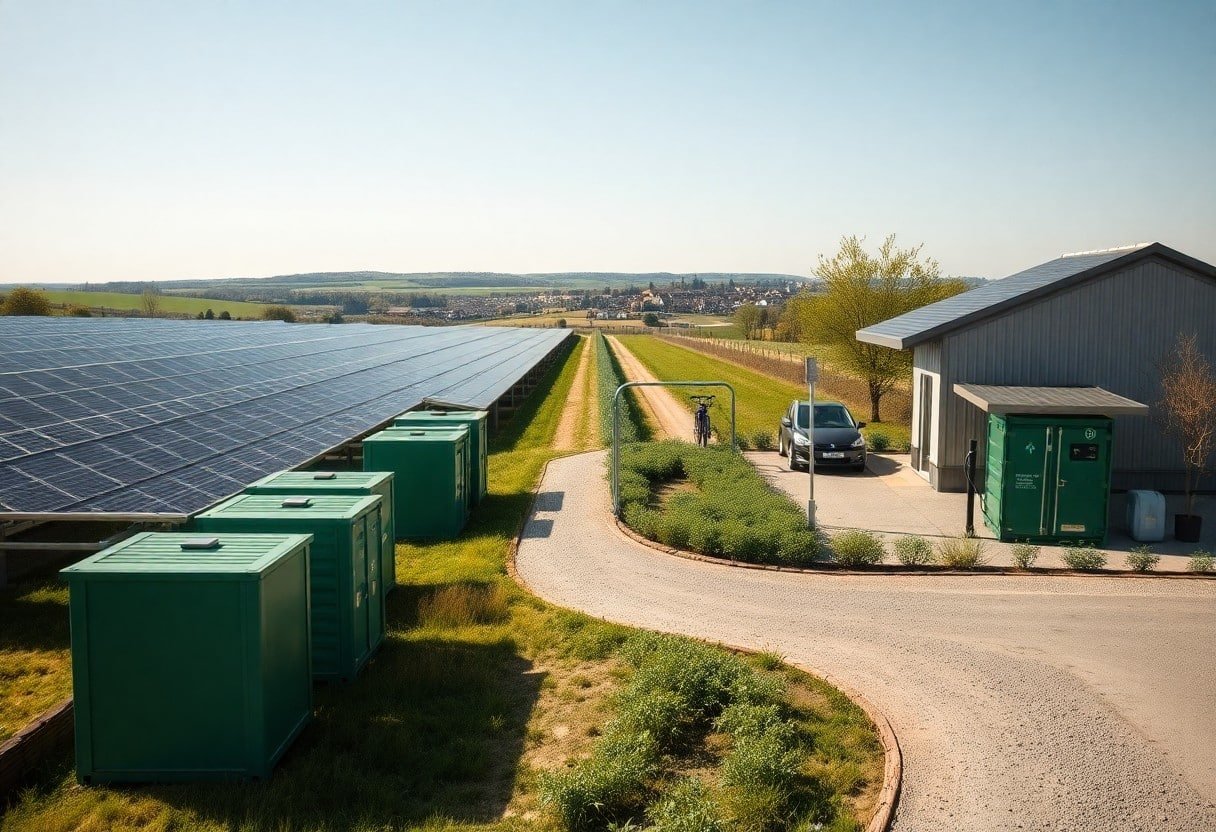
Solar farms give you steady local generation that reduces reliance on distant plants, improving grid stability during peak demand and outages while supporting microgrids and storage integration.
Strengthening Local Power Reliability
Distributed solar paired with batteries lets you maintain power for critical services during disturbances, shorten restoration times, and reduce blackout exposure for nearby homes and businesses.
Reducing Vulnerability to Fossil Fuel Market Volatility
Stability from predictable solar costs helps you avoid price spikes tied to oil and gas markets, making municipal budgets and household energy bills more predictable.
Market exposure to fossil fuels can sharply raise your operational costs; adopting solar lets you lock in low marginal generation prices, hedge against sudden fuel-price shocks, and decrease dependence on imported fuels, so you can stabilize utility rates, redirect public funds to services, and plan long-term investments with greater confidence.
Community Integration and Social Benefits
You can see solar farms create local jobs, community solar options, and shared green spaces while improving stormwater and habitat outcomes – see Maximizing hydrological and environmental benefits of solar … for design examples you can reference.
Educational Partnerships and STEM Opportunities
Schools near installations often invite you to internships, curriculum collaborations, and site visits that teach renewable energy concepts and build practical STEM skills for local students.
Landowner Income Diversification and Agricultural Preservation
Landowners frequently sign leases that let you receive steady payments while continuing grazing, haying, or pollinator plantings beneath panels to preserve productive land.
Contracts for solar siting typically offer you long-term annual land payments, tax incentives, and options for continued agricultural use; many agreements permit seasonal grazing, haying, or pollinator buffers that protect soil and crop viability. You should negotiate bond provisions for site restoration, clear access clauses, and revenue indexing to inflation, ensuring predictable income without surrendering the option to return land to full farming once panels are removed.
Long-Term Land Stewardship and Decommissioning
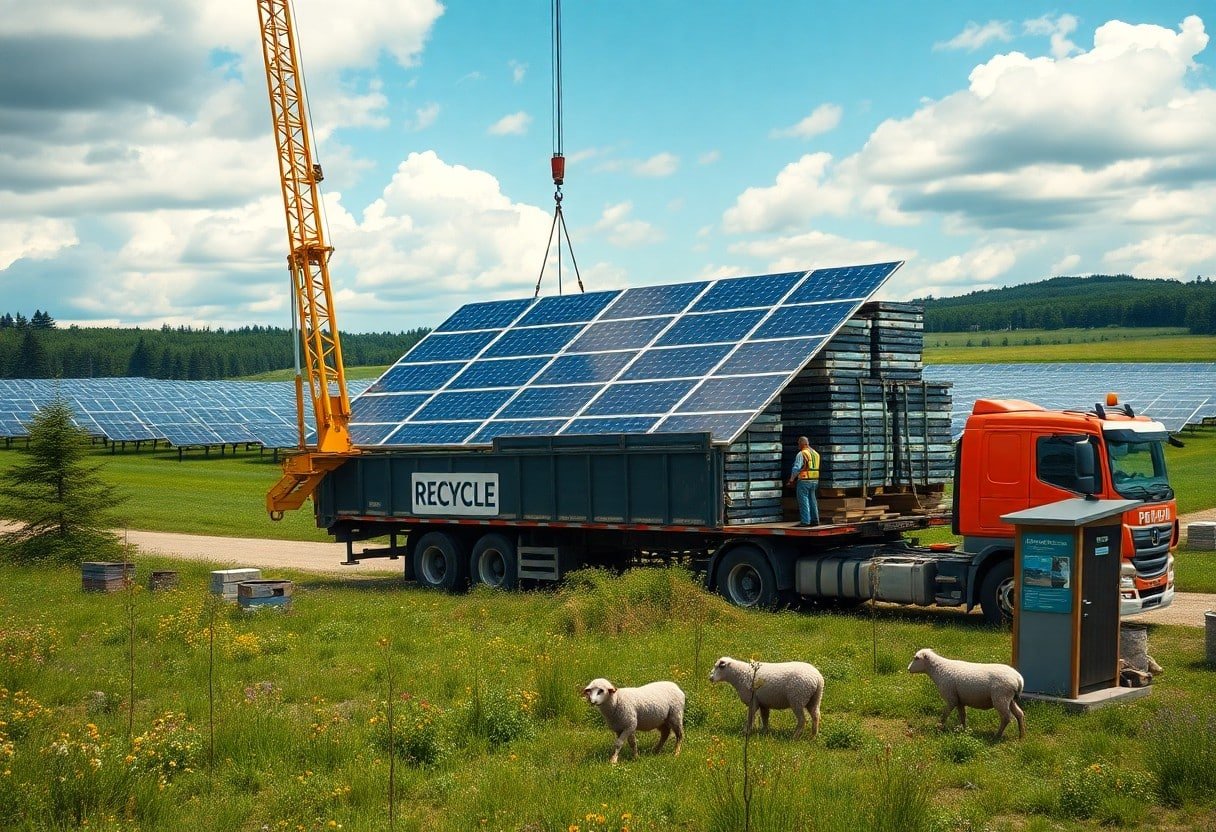
You benefit from decommissioning plans that restore soils and habitats while preserving community uses; The Benefits and Common Misconceptions of Solar Farms explains how clear protocols protect ecosystems and future local needs.
Responsible End-of-Life Material Recycling
Recycling programs let you recover valuable materials, minimize landfill burden, and return metals and glass to manufacturers through certified processing chains.
Reversibility of Land Use for Future Generations
Design choices allow you to restore sites to agriculture, pollinator habitat, or recreation by prioritizing reversible mounting systems and soil-friendly practices.
Sites restored with soil remediation, native seeding, and progressive monitoring enable you to select future uses; deed terms and post‑closure oversight can secure those options for descendants and community needs.

Final Words
Drawing together, you gain long-term community and environmental benefits from solar farms: stable clean energy, reduced emissions, local job creation and tax revenue, lower water and soil impacts compared with fossil fuels, and land management that supports biodiversity and community resilience for generations.