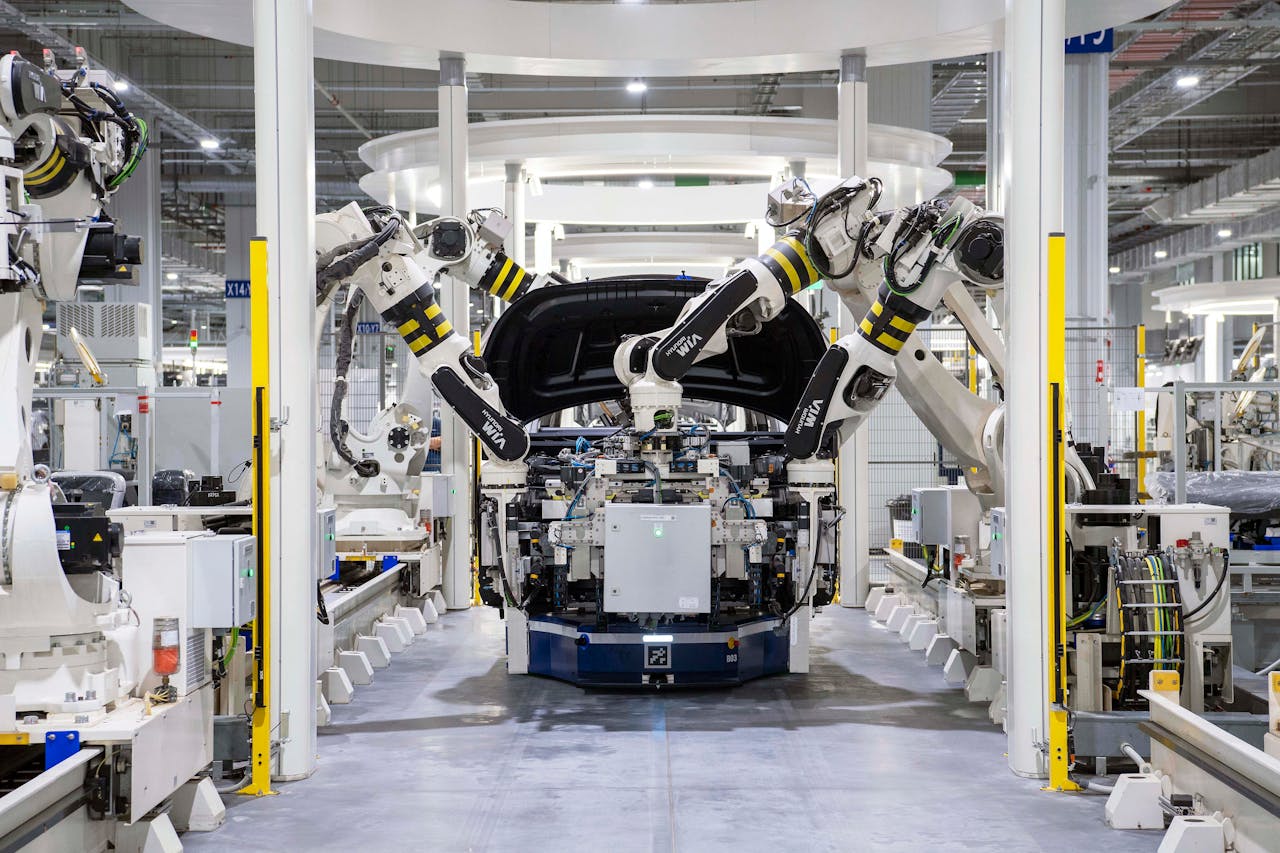

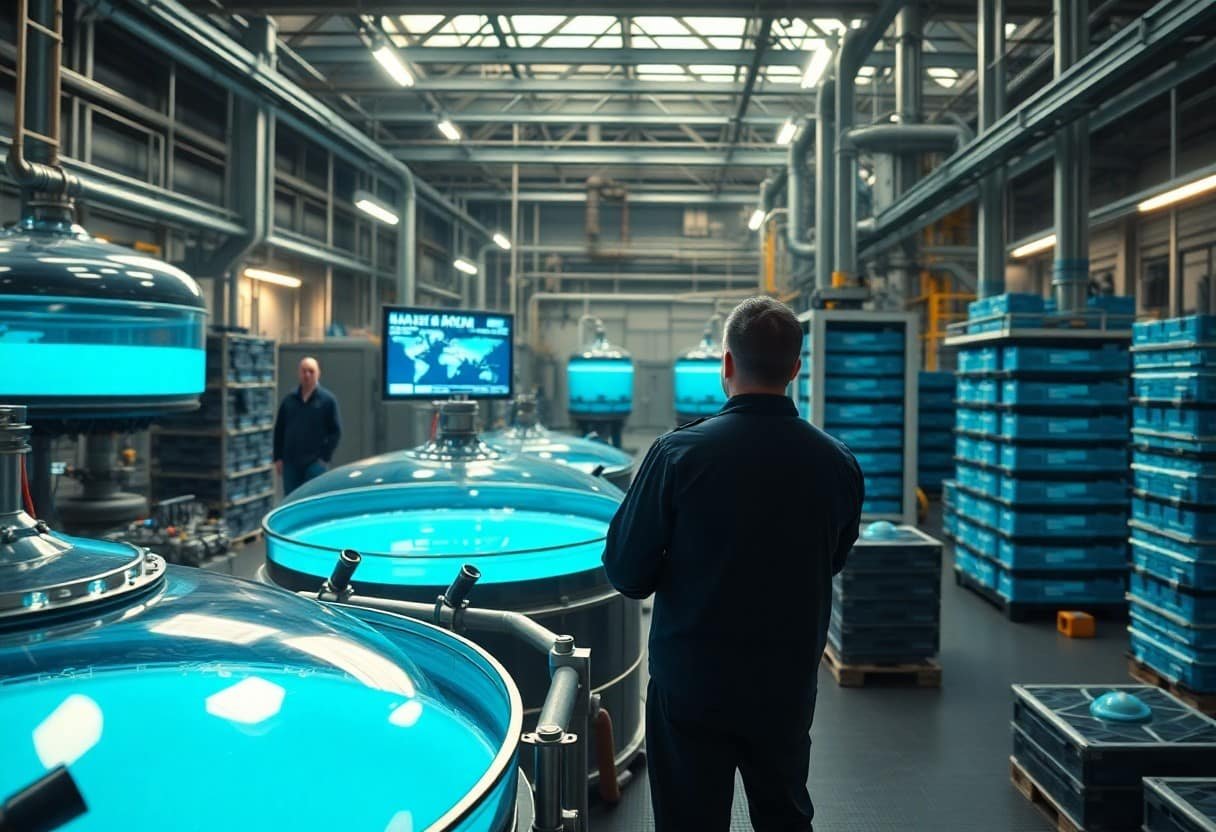
Strategies to ensure a steady supply of imperative EV battery materials are vital for automakers facing increasing competition and environmental regulations. You will explore how vertical integration, sustainable sourcing practices, and investments in recycling technologies can strengthen your supply chain. Additionally, forming strategic partnerships and leveraging new mining technologies can enhance your access to these materials. Understanding these approaches will position you to navigate the challenges of securing battery resources in a rapidly evolving industry.
Key Takeaways:
- Establish long-term partnerships with mining companies to ensure stable supply chains for critical materials.
- Invest in recycling technologies to recover valuable materials from used batteries, reducing dependence on raw resource extraction.
- Explore alternative materials and battery chemistries to diversify sources and mitigate risks associated with supply disruptions.
Overview of Critical EV Battery Materials
Your understanding of critical EV battery materials is crucial for navigating the complexities of electric vehicle production. These materials are vital for creating the batteries that power EVs, directly impacting performance, efficiency, and range. As demand for electric vehicles escalates, securing these materials presents both challenges and opportunities for automakers. Reinforcing your supply chains for these components is paramount to meeting emerging needs and maintaining a competitive edge.
Key Materials in Electric Vehicle Batteries
You should pay close attention to lithium, cobalt, nickel, and graphite, as these are key materials in electric vehicle batteries. Lithium-ion batteries often rely on these elements to deliver optimal energy density and longevity. The interplay between these materials often determines the battery’s overall performance, efficiency, and cost, making them indispensable to your EV strategy.
Importance of Supply Chain Stability
Supply chain stability is indispensable for ensuring that production processes run smoothly. Disruptions in the availability of key materials can significantly affect your business, resulting in production delays and potential revenue loss. A robust supply chain not only safeguards your manufacturing practices but also enhances your brand reputation by demonstrating reliability to consumers.
The stability of your supply chain ultimately influences every aspect of your EV production. For instance, recent global supply chain disruptions highlight just how interconnected and vulnerable material sourcing can be. The failure to secure materials like cobalt from politically unstable regions can halt production altogether. By diversifying suppliers, investing in local mining partnerships, or supporting recycling initiatives, you can mitigate these risks and foster a more resilient operational framework. Stable supply chains are your best defense against market volatility and a key ingredient to long-term success in the EV sector.
Sourcing Strategies for Automakers
Effective sourcing strategies are vital for automakers aiming to secure critical EV battery materials. You can explore avenues such as Strengthening the US EV Battery Recycling Industry to … to enhance material availability and sustainability.
Direct Sourcing from Miners
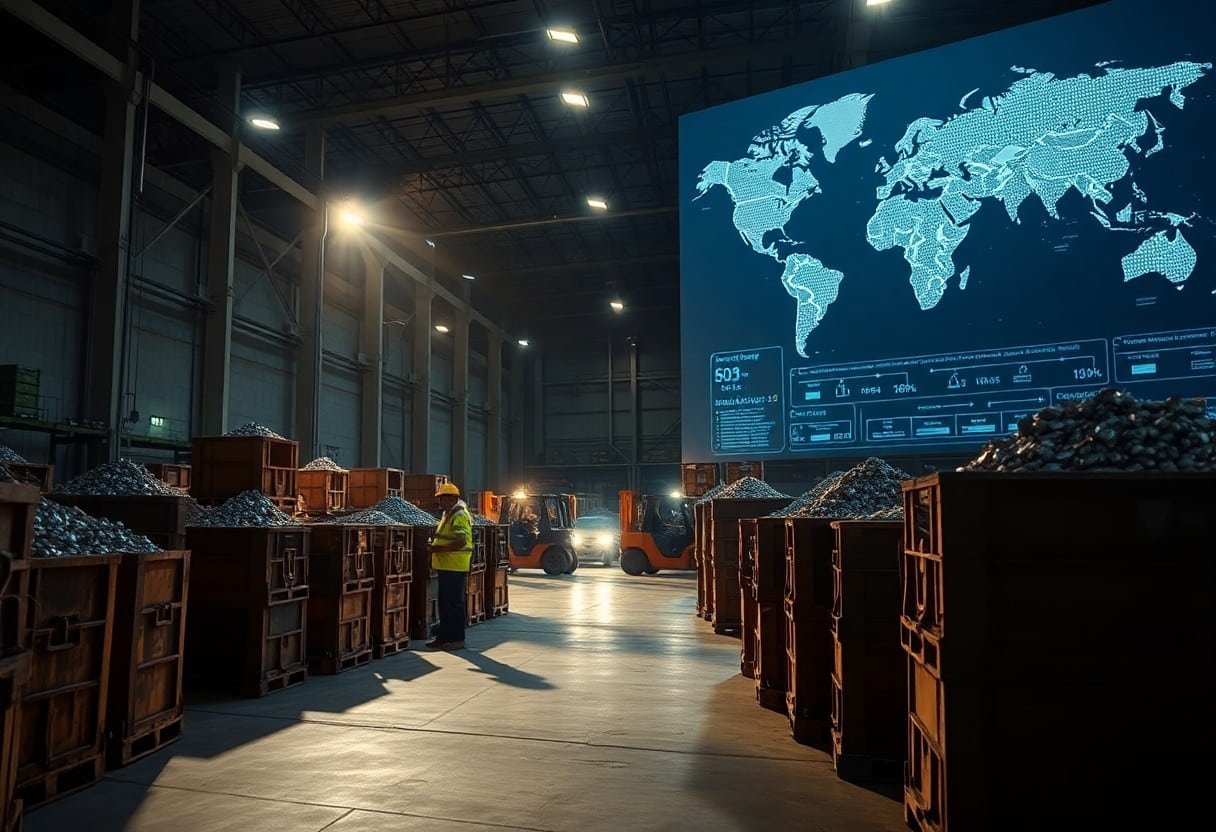
When you directly source from miners, you gain greater control over material quality and supply consistency. This approach often involves entering long-term agreements or developing joint ventures with mining firms to secure vital resources like lithium and cobalt.
Strategic Partnerships with Suppliers
Forming strategic partnerships with suppliers allows you to build a resilient supply chain and share risks. By collaborating closely with material suppliers, you can leverage their expertise in sourcing and processing, ultimately achieving better pricing and reliability in your supply chain.
Building strong relationships with suppliers can provide you with exclusive access to materials and innovative processes, enhancing your competitive edge. For instance, some automakers are investing in partnerships that include joint research initiatives, allowing both parties to advance material technology and reduce costs. By actively engaging with suppliers, you also align your operations with their sustainability practices, thus reinforcing a shared commitment to responsible sourcing and environmental stewardship.
Recycling and Reuse of Battery Materials
Implementing effective recycling strategies is necessary for automakers as they seek to secure their supply chain of EV battery materials. By investing in advanced recycling infrastructure and embracing innovative processes, you can significantly recover valuable materials such as lithium, cobalt, and nickel. This reduces dependence on primary sources and supports sustainability initiatives. For more insights on Securing EV Battery Materials & Supply, consider the growing importance of recycling in your overall strategy.
Processes for Battery Recycling
Recycling processes involve various methods, including hydrometallurgy, pyrometallurgy, and direct recycling techniques. These methods aim to extract and recover critical materials from spent batteries efficiently. For instance, hydrometallurgical processes dissolve battery components in liquid solutions, allowing for targeted recovery of metals. You may want to explore partnerships with specialized recycling firms to leverage their expertise and technology.
Economic and Environmental Benefits
The economic and environmental benefits of recycling EV batteries are substantial. Recycling can recover up to 95% of valuable metals, significantly lowering production costs and resource dependency. Environmentally, it minimizes waste and reduces the carbon footprint associated with mining virgin materials. By incorporating recycling into your battery supply strategy, you not only enhance resource efficiency but also contribute to a more sustainable automotive ecosystem.
Transitioning to recycling practices brings notable economic advantages, with estimates suggesting that each ton of lithium recycled could yield savings of up to 30-50% compared to mining. Additionally, reducing waste through recycling minimizes the environmental impact of battery disposal, addressing landfill concerns and potential pollution. By proactively pursuing these benefits, you can align your operations with growing consumer and regulatory demand for sustainability in the EV market. The long-term viability of your supply chain will likely be enhanced as you embrace these practices.
Innovation in Alternative Materials
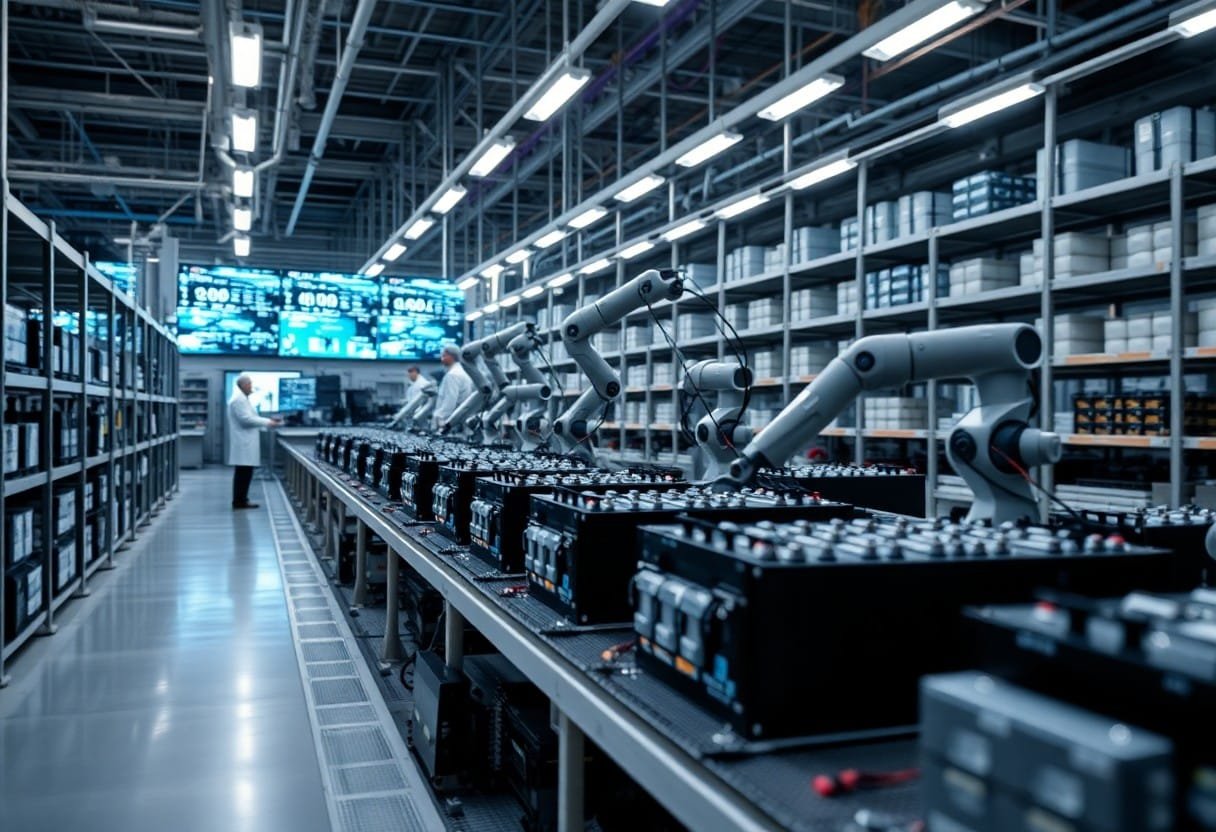
Exploring alternative materials is necessary for reducing reliance on scarce battery resources. Innovations such as sodium-ion and solid-state batteries are emerging as viable contenders to lithium-based technologies. By investing in research and development, you can potentially unlock more sustainable and abundant options while improving battery performance and safety.
Research on New Battery Technologies
Your focus on research into new battery technologies can lead to breakthroughs that lessen dependence on traditional inputs. For instance, advancements in lithium-sulfur and magnesium-ion batteries promise higher energy density and lower environmental impact. By prioritizing these initiatives, you position your brand at the forefront of technological evolution.
Reducing Dependence on Traditional Materials
Developing solutions to minimize reliance on traditional battery materials is pivotal for the sustainable growth of the EV industry. Techniques like bio-derived materials and recycling disused batteries present innovative pathways to mitigate material shortages. These alternatives not only offer resilience against supply chain volatility but also lower environmental footprints.
Innovative materials derived from organic sources and synthetic methods can be game-changers in the EV battery landscape. For example, researchers are investigating the potential of using bio-based polymers as electrolyte components, which can significantly diminish the need for lithium and cobalt. By implementing these alternatives, your production processes could become more sustainable while also addressing regulatory pressures and market demands for environmentally friendly practices. Embracing these strategies not only secures your supply chain but enhances your reputation as a forward-thinking automaker.
Government Policies and Support
Your approach to securing EV battery materials can significantly benefit from understanding government policies. These policies encompass a range of regulations and incentives designed to promote sustainable practices and lessen environmental impact. Engaging with these frameworks allows you to align your operations with national goals, particularly those aimed at increasing renewable energy usage and reducing carbon emissions in the automotive sector.
Regulations Impacting Material Sourcing
Governments worldwide have instituted regulations that directly affect how you source battery materials. Environmental and labor regulations stipulate ethical mining practices and safe working conditions, pushing you to partner only with compliant suppliers. These laws can also influence the geographical location of your sourcing, which may increase costs or complicate logistics.
Incentives for Sustainable Practices
Utilizing government incentives can enhance your financial viability in securing battery materials sustainably. Grants, tax breaks, and subsidies encourage you to invest in green technologies and sustainable mining practices. Some jurisdictions even offer financial support for research into alternative battery materials, broadening your options and reducing dependence on traditional materials.
By capitalizing on these incentives, you not only improve your bottom line but also demonstrate corporate responsibility, which can enhance your brand reputation. For instance, several automakers have successfully leveraged federal grants to develop closed-loop recycling systems, thereby reducing raw material needs and operational costs. Engaging with these initiatives positions you favorably within an increasingly eco-conscious market, ensuring both regulatory compliance and a competitive edge.
Global Market Dynamics
The landscape of EV battery materials is shaped by shifting global market dynamics. As demand increases, competition for these resources intensifies, prompting automakers to act swiftly. Companies must assess their supply chains and engage in strategic partnerships to navigate the complexities of sourcing. For insights on these dynamics, refer to The race is on to secure sustainable EV battery supply.
Geopolitical Factors Influencing Supply
Geopolitical tensions can severely impact the availability of critical resources. Fluctuations in international relations make it necessary for you to monitor the following aspects:
- Trade agreements that affect material imports and exports.
- Sanctions imposed on resource-rich countries.
- Political stability in regions supplying key materials.
Knowing the geopolitical landscape will enable you to adapt your sourcing strategies effectively.
Impact of Trade Policies on Sourcing Strategies
Trade policies play a pivotal role in shaping your sourcing strategies for EV battery materials. Tariffs, quotas, and trade agreements can either hinder or facilitate access to necessary resources. For example, the U.S.-China trade tensions have led to increased tariffs on specific materials, forcing automakers to reassess their supply chains. The global push for local sourcing also reflects a shift towards minimizing dependency on volatile markets. Automakers leveraging favorable trade policies can achieve a competitive edge while ensuring sustainability and compliance with international regulations.
To wrap up
To wrap up, you should consider leveraging strategic partnerships, investing in sourcing transparency, and embracing innovation in materials technology to secure crucial EV battery materials. Engaging with local suppliers and exploring alternative materials can mitigate risks associated with supply chain disruptions. Additionally, fostering relationships with mining companies will ensure consistent access to vital resources. By adopting these strategies, you position your organization to thrive in the evolving electric vehicle landscape and maintain a competitive edge.