
Many of you may be pondering the future of internal combustion engine (ICE) vehicles in an era increasingly focused on sustainability. As environmental concerns grow, it’s imperative to explore practical steps you can take to transition your automotive choices toward a more sustainable future. By understanding the technologies available and making informed decisions, you can play a pivotal role in shaping an eco-friendly automotive landscape while still enjoying the benefits of traditional vehicles.
Key Takeaways:
- Transitioning to sustainable automotive practices requires significant advancements in electric vehicle technology and renewable energy integration.
- Collaboration among manufacturers, policymakers, and consumers is necessary to develop effective infrastructure and promote widespread adoption of eco-friendly vehicles.
- Implementing robust recycling and end-of-life vehicle management systems is vital for minimizing environmental impact and enhancing resource sustainability within the automotive industry.

The Current State of ICE Vehicles
Internal combustion engine (ICE) vehicles still dominate global roads, with over a billion units in use as of 2023. Despite growing awareness of climate change and sustainability, many consumers remain reliant on gasoline and diesel-driven vehicles, which continue to represent a sizeable share of automotive sales. ICE vehicle technology has seen incremental improvements in fuel efficiency, yet the overall dependency on fossil fuels poses significant challenges to the automotive industry’s sustainability goals.
Environmental Impact
The environmental footprint of ICE vehicles is substantial, contributing to air pollution and greenhouse gas emissions. In 2021, transportation accounted for 29% of total greenhouse gas emissions in the U.S., with light-duty vehicles being the largest source. Toxic pollutants emitted from ICE vehicles, such as particulate matter and nitrogen oxides, also pose serious health risks, particularly in urban areas where vehicle density is high.
Market Trends and Challenges
The automotive market is currently facing a pivotal shift as consumers increasingly lean towards electric vehicles (EVs) and hybrid solutions. Increasing regulatory pressure, including stricter emissions standards, is forcing manufacturers to innovate or risk losing market share. However, challenges such as the high costs of EV technology, inadequate charging infrastructure, and lingering consumer apprehension about battery life and range limitations hinder the rapid transition away from ICE vehicles.
In 2022, global EV sales surged by 55%, yet ICE vehicles still accounted for 67% of new car registrations. Legacy automakers are investing heavily in electrification, but production constraints and consumer transition hesitancy create a convoluted landscape. Many individuals remain unconvinced about replacing ICE vehicles due to concerns over charging accessibility and upfront costs. Traditional automotive manufacturers also grapple with the need to shift focus from familiar technologies while facing competition from agile startups that prioritize EV solutions. Addressing these interconnected challenges is imperative for a balanced automotive future that embraces sustainability and technological progress.

Innovations in Engine Technology
Advancements in engine technology, including Fuel-Agnostic Innovation: ICE’s Role in a Clean Future | MOTOR, are shaping a more sustainable future for internal combustion engines (ICE). These innovations focus on reducing emissions while maintaining performance, integrating alternative fuels, and improving overall efficiency. You can expect innovations such as turbocharging, direct fuel injection, and advanced combustion techniques to enhance the environmental sustainability of ICE vehicles.
Hybrid Systems
Hybrid systems blend traditional combustion engines with electric propulsion to optimize fuel efficiency and reduce emissions. By utilizing batteries and regenerative braking, these systems allow you to experience increased power and reduced fuel consumption, making them an attractive option for eco-conscious consumers. Many manufacturers now offer hybrids as part of their lineup, showcasing their commitment to sustainable solutions.
Improved Fuel Efficiency
Enhancing fuel efficiency is imperative in the quest for sustainable ICE vehicles. Manufacturers are employing state-of-the-art technologies, such as variable valve timing and turbocharging, to maximize energy output while minimizing fuel consumption. Cars like the Toyota Camry use eco-friendly engine designs, achieving over 40 miles per gallon on the highway, proving that efficiency can coexist with performance.
By focusing on improved fuel efficiency, automakers contribute to significant reductions in greenhouse gas emissions. For instance, modern gasoline engines can achieve efficiencies exceeding 30%, thanks to innovations like air-fuel ratio optimization and advanced production methods. Considering the global push for lower emissions, your choice in vehicles can have a noticeable impact, promoting a shift towards greener alternatives while enjoying strong performance on the road.
Transitioning to Alternative Fuels
As the automotive industry evolves, adopting alternative fuels becomes necessary for sustainability. This shift not only reduces greenhouse gas emissions but also diversifies energy sources and promotes energy independence. By integrating alternative fuels into your driving habits and purchasing decisions, you contribute to a cleaner environment while supporting innovations in automotive technology.
Biofuels and Their Benefits
Biofuels, derived from organic materials, offer a renewable solution that can significantly reduce fossil fuel dependency. They can be blended with traditional fuels, allowing for a smoother transition and leveraging existing infrastructure. By utilizing biofuels in your vehicle, you can lower carbon emissions and promote sustainable agricultural practices, creating a win-win scenario for the environment and economy.
Hydrogen as a Sustainable Option
Hydrogen fuel presents an innovative path forward for energy in transportation. It produces zero emissions during operation, emitting only water vapor. This clean energy solution can be harnessed from various sources, including renewable energy, ensuring a sustainable future.
Hydrogen, when utilized in fuel cells, converts chemical energy into electricity to power vehicles efficiently. The technology is rapidly advancing, with increased investments leading to a growing network of hydrogen refueling stations-over 50 in California alone as of 2023. Major automakers are also committed to hydrogen development, including Toyota and Hyundai, which have released successful hydrogen models. This combination of progress in infrastructure and vehicle options positions hydrogen as a vital component in achieving a sustainable automotive future.
The Role of Electric Vehicles
Electric vehicles (EVs) represent a paradigm shift in automotive sustainability, significantly reducing greenhouse gas emissions and fossil fuel dependency. By harnessing renewable energy sources, such as solar and wind, EVs contribute to a cleaner transportation ecosystem. The growing adoption of EVs is interconnected with ongoing advancements, including Integration of emerging technologies in next-generation …, enabling smarter grids and more efficient energy management.
Integration with ICE Technology
Combining electric and internal combustion engine (ICE) technologies can enhance overall vehicle efficiency and performance. Hybrid systems utilize both power sources, allowing for emission reduction without sacrificing range or power. Continued development in plug-in hybrids and range-extended EVs showcases the potential of integrating ICE with electric systems, facilitating a smoother transition to fully electric models.
Infrastructure Development
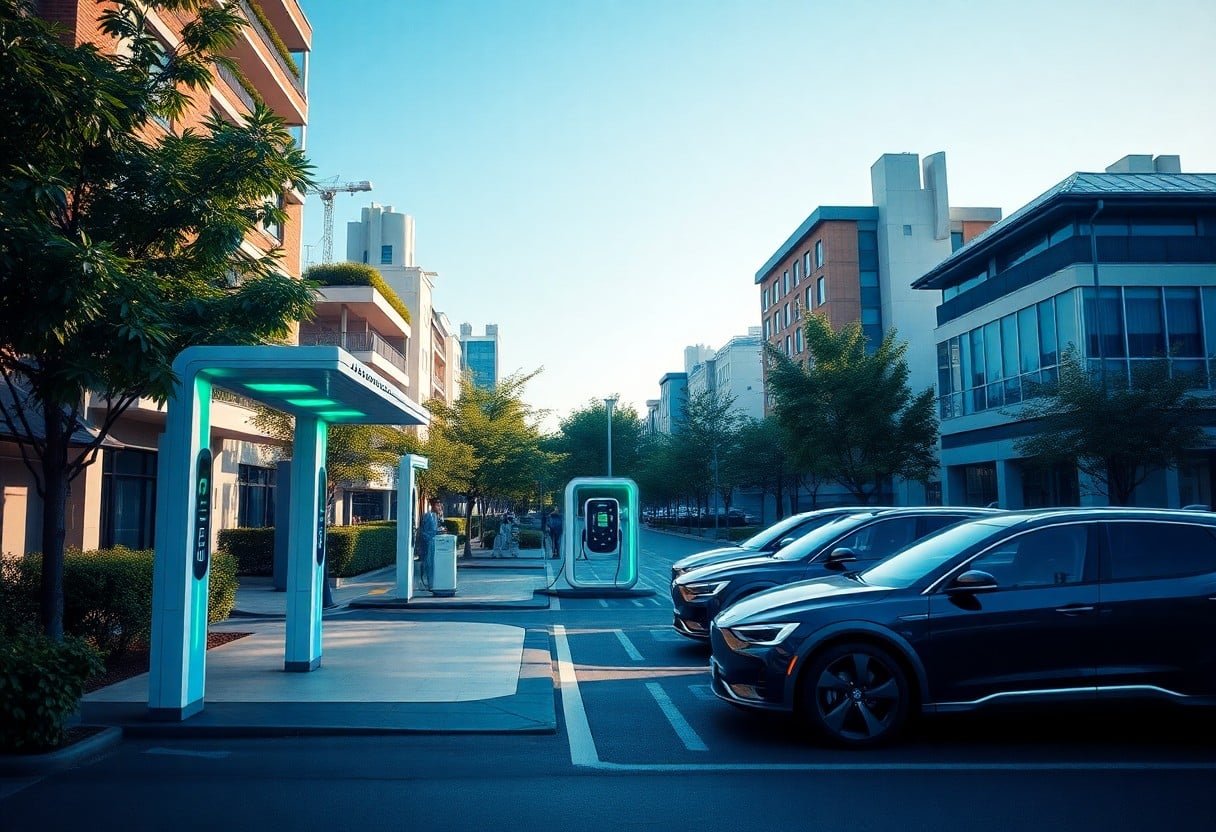
Infrastructure development is pivotal for EV adoption, as it dictated the accessibility and convenience of charging stations nationwide. Investments in fast-charging networks can alleviate range anxiety, encouraging more people to switch to EVs. Collaboration between governments and private companies is crucial to expand charging infrastructure’s reach, ensuring that urban and rural areas alike are equipped with the necessary facilities to support widespread EV usage.
Efforts are underway to standardize charging stations across regions, providing uniformity for users. For instance, locating charging stations in strategic areas like shopping centers, highways, and workplaces can maximize convenience. Data shows a correlation between the availability of charging infrastructure and public interest in EVs, emphasizing the importance of addressing both qualitative and quantitative needs for successful deployment. Enhanced infrastructure can lead to a more robust market, fostering a culture of sustainable transportation that prioritizes not just electric vehicles, but also improved energy efficiency in urban design.
Policy and Regulation
Government policies and regulations play a critical role in shaping the automotive landscape, especially as the shift toward sustainability intensifies. These frameworks are designed to promote cleaner technologies and reduce greenhouse gas emissions. Stricter emissions standards, regulations on fuel efficiency, and mandatory reporting of corporate sustainability practices drive manufacturers to innovate and adopt more eco-friendly solutions.
Government Initiatives
Your local and federal governments are increasingly launching initiatives aimed at reducing the environmental impact of vehicles. Examples include the establishment of zero-emission vehicle (ZEV) mandates and investments in public transit and electric vehicle (EV) infrastructure. These initiatives not only facilitate the transition to cleaner transportation but also encourage community engagement and awareness regarding sustainability.
Incentives for Sustainability
Incentives are designed to motivate your transition toward sustainable mobility options. These can include tax credits for EV purchases, grants for renewable energy projects, and funding for infrastructure development such as EV charging stations. States and cities often tailor these incentives to maximize their effectiveness and support local economies.
For instance, the U.S. federal government offers tax credits up to $7,500 for eligible electric vehicle purchases, promoting widespread adoption. Additionally, certain states provide rebates that can lower the upfront costs of EVs further. You’ll find that such incentives not only offset purchase prices but also encourage long-term investment in green technologies, making the transition to sustainable vehicles more affordable and appealing.

Consumer Engagement and Awareness
Engaging consumers effectively can accelerate the shift towards sustainable automotive practices. Informative campaigns that highlight advantages such as cost savings, environmental benefits, and technological advancements can resonate well. The integration of electric vehicles (EVs) not only represents a change in transportation but also poses an opportunity to reshape consumer habits through education and awareness initiatives. Learn more about these dynamics in the context of transitioning from ICE vehicles to electric by visiting Transitioning From ICE Vehicles To Electric ….
Education on Sustainable Practices
Effective education on sustainable automotive practices can empower you as a consumer to make informed choices. Workshops, online webinars, and community events can illuminate the benefits of EVs and alternative fuels, reinforcing their role in reducing emissions and promoting sustainability. By providing resources that clarify the lifecycle emissions of various vehicles and the advantages of EV technology, you can better understand how your choices contribute to a healthier environment.
Influencing Consumer Choices
Your vehicle choice significantly impacts environmental sustainability. A wealth of new research highlights trends in consumer preferences, demonstrating that many are increasingly inclined to invest in eco-friendly options. Manufacturers and dealerships must recognize this shift and provide incentives, information, and support systems that highlight the long-term savings and perks associated with electric and hybrid vehicles. Behavioral science suggests that effectively communicating the tangible benefits of sustainable choices can shift consumer purchasing patterns substantially.
Data indicates that sustainable transportation options are becoming a priority for many consumers. A survey revealed that over 70% of potential car buyers are considering an electric or hybrid vehicle as their next purchase, primarily driven by environmental concerns and rising fuel prices. By emphasizing clear benefits such as reduced maintenance costs, potential tax incentives, and performance advantages, you can be encouraged to explore these alternatives. Your preferences shape market trends, and informed choice can drive manufacturers to innovate further in sustainable technology.
Final Words
The journey towards automotive sustainability begins with your commitment to rethinking ICE vehicle futures. By adopting practical steps such as embracing alternative fuels, actively engaging in local policy advocacy, and exploring innovative technologies, you can significantly contribute to a greener transportation landscape. It’s vital to educate yourself on available options, making informed choices that align with your sustainability goals. Your actions today will lead to a more sustainable tomorrow in the automotive industry.