
Risks associated with supply chain disruptions are redefining how you view the future of electric vehicle (EV) battery availability and demand. As global markets grapple with raw material shortages and geopolitical tensions, understanding these supply risks is important for you to navigate the evolving landscape of EV technologies. Insights into these factors will not only help you comprehend current market dynamics but also enable you to anticipate changes that could impact your decisions within the electric vehicle sector.
Key Takeaways:
- Supply chain disruptions are impacting the availability of key raw materials, affecting EV battery production and pricing.
- Increased demand for electric vehicles is driving investments in sustainable mining and battery recycling technologies.
- Geopolitical factors and regulatory changes are influencing supply chain strategies, pushing companies toward localized sourcing.
Current State of EV Battery Supply
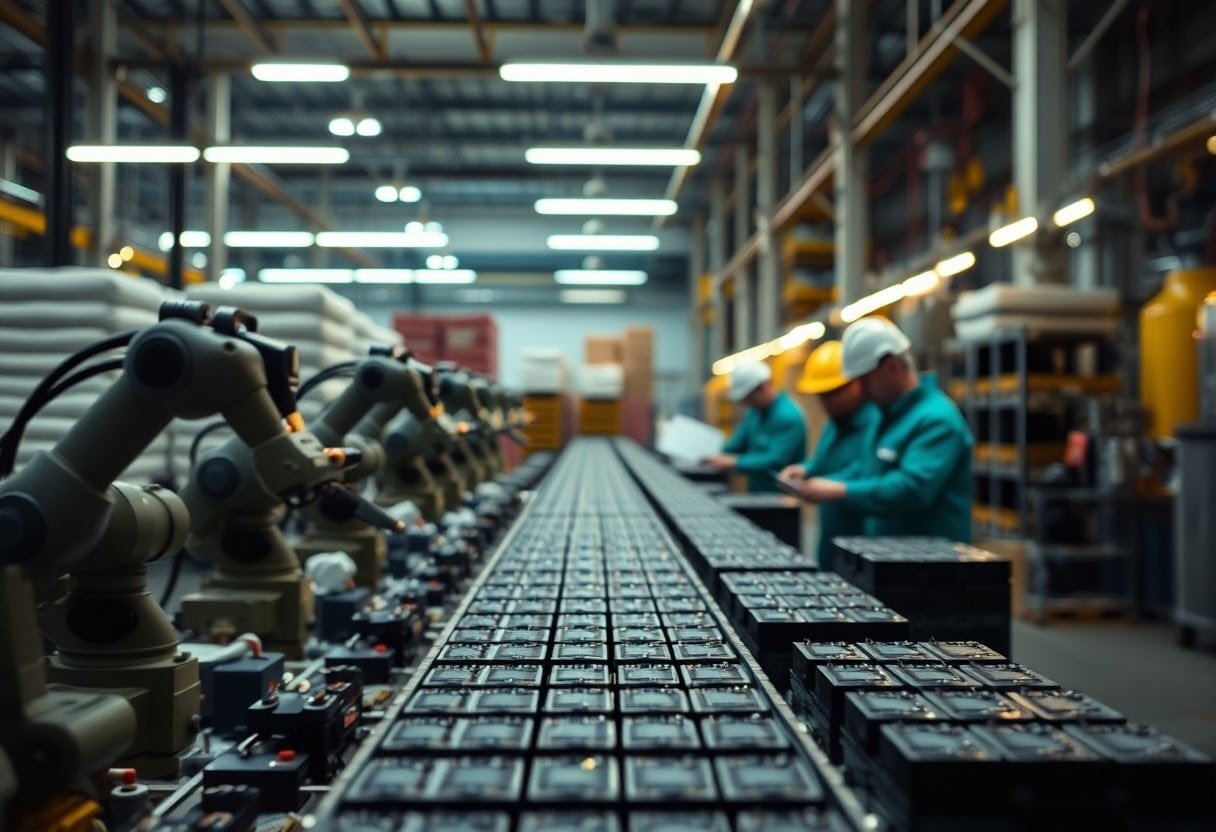
The current landscape of EV battery supply is characterized by a growing demand dictated by rising global interest in electric vehicles. Battery shortages have emerged as manufacturers struggle to keep pace with advancements in technology and increasing production targets. This constraint on supply directly influences pricing and availability, forcing automakers to adapt their strategies to secure the necessary resources.
Key Players in the Market
Several dominant players shape the EV battery market, including Panasonic, LG Energy Solution, and CATL. These companies are critical in both production and innovation, with significant investments in research and development aimed at enhancing battery efficiency and reducing costs. Your understanding of these key players will inform your outlook on the battery supply chain dynamics moving forward.
Recent Trends in Battery Production
Recent trends indicate a shift toward vertical integration among major manufacturers, as companies seek to control every aspect of the supply chain, from raw materials to finished products. This approach aims to mitigate risks associated with sourcing and pricing volatility, ensuring a more stable supply of batteries for scalable EV production.
Moreover, advancements in battery chemistry, such as the development of solid-state batteries, are gaining momentum. Companies like QuantumScape are pioneering ways to improve energy density and safety profiles, thereby addressing some of the major limitations of current lithium-ion technologies. As you explore these trends, consider how emerging technologies and strategic vertical integration could significantly alter the landscape of EV battery supply in the near future.

Demand Drivers for EV Batteries
Multiple factors are fueling the rising demand for EV batteries, particularly as global trends shift toward sustainability and reduced carbon emissions. The transition from traditional vehicles to electric models is being driven by increasing consumer preference, technological advancements, and the need for cleaner energy solutions. For an in-depth examination of these dynamics, refer to the eBook | Powering the future: mitigating risks and seizing ….
Growth of the Electric Vehicle Market
The EV market is anticipated to grow exponentially, with projections estimating sales could surpass 30 million vehicles by 2030. This surge is fueled by increasing consumer adoption, technological advancements, and enhanced charging infrastructure, driving significant demand for efficient battery solutions.
Government Policies and Incentives
Government policies aimed at promoting electric vehicle adoption are significantly impacting battery demand. Subsidies, tax breaks, and mandates for carbon reduction play a pivotal role in motivating consumers and manufacturers to pivot towards EV technologies.
Many countries are implementing ambitious plans, such as the European Union’s goal to phase out internal combustion engine vehicles by 2035. In the U.S., federal and state incentives can lower the purchase price for consumers and support manufacturers in scaling up production. China’s policies, including substantial subsidies for EV buyers and investments in battery manufacturing, further illustrate how government actions are reshaping the market landscape. These initiatives not only boost demand but also incentivize advancements in battery technology, positioning EV batteries as critical components of the energy transition.
Supply Risks Impacting EV Battery Production
Supply risks are increasingly influencing EV battery production, creating a precarious environment for manufacturers. Factors such as raw material shortages and geopolitical tensions threaten the stability and efficiency of the supply chain, amplifying costs and delivery uncertainties. This situation highlights the urgency for innovation in sourcing and supply chain management, as detailed in How Critical Mineral Supply Chains Became the EV ….
Raw Material Shortages
Securing important raw materials like lithium, cobalt, and nickel is becoming increasingly difficult, impacting the overall production of EV batteries. Shortages arise from increased demand and limitations in mining operations, leading to higher prices and potential delays in battery manufacturing.
Geopolitical Factors and Supply Chain Disruptions
Geopolitical tensions significantly influence the supply chain, often causing volatile market conditions. Factors such as trade disputes, national policies, and regional conflicts could restrict the flow of raw materials, creating further challenges for your battery sourcing strategies.
- Heightened tensions have already disrupted supplies of important minerals.
- These disruptions can lead to unintended price hikes affecting your overall costs.
- Perceiving geopolitical stability as a critical factor for long-term planning is important.
Increased scrutiny on supply chains means you need to stay aware of geopolitical developments that could affect your operations. Countries rich in raw materials are increasingly implementing restrictions, and trade relationships are continuously evolving. These dynamics necessitate diversification in sourcing strategies and more robust risk management practices to ensure supply resilience.
- Investment in local sources of supply is becoming a trend to mitigate risks.
- Strategic partnerships with key suppliers may yield more stability and predictability.
- Perceiving these strategies as vital to long-term viability will enhance your resilience against future disruptions.
Technological Innovations in Battery Manufacturing
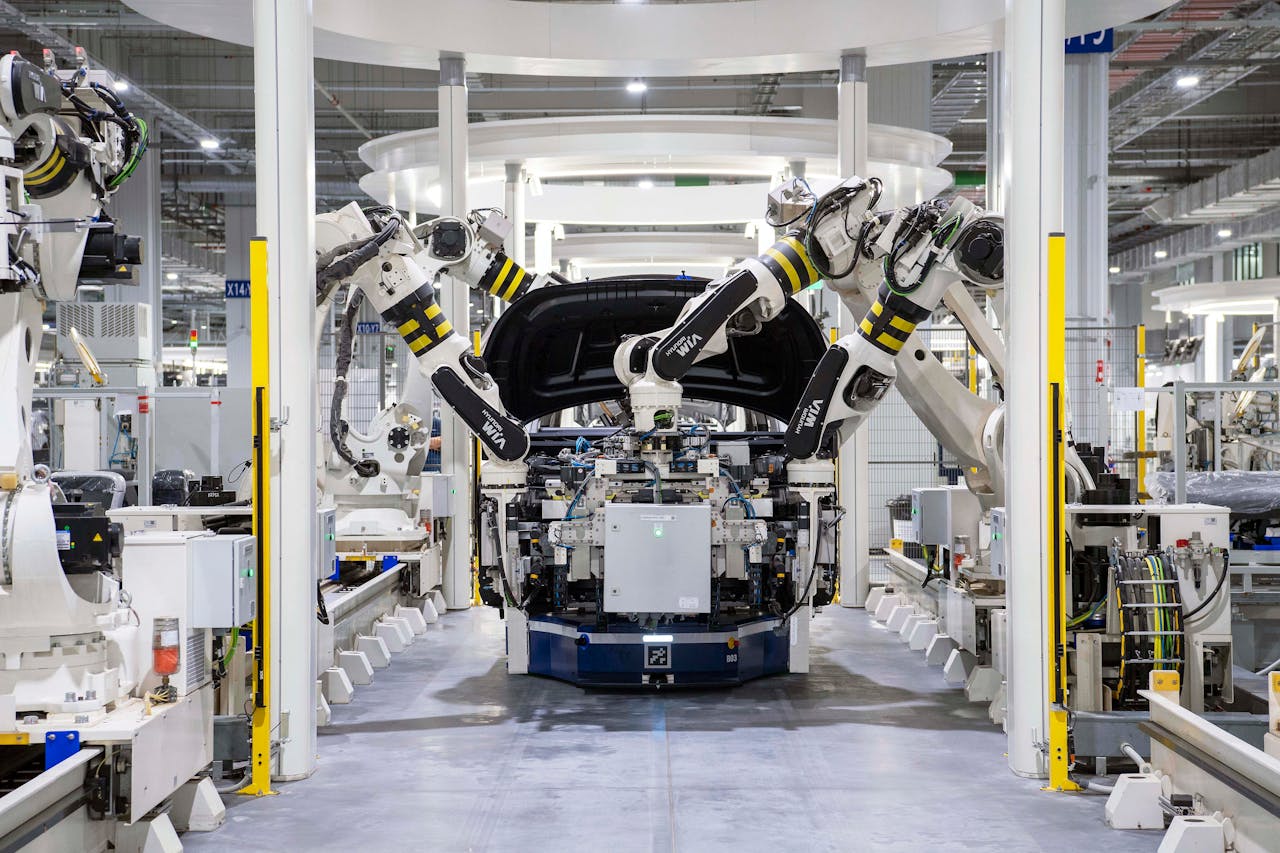
Innovations in battery manufacturing are fundamentally altering the EV landscape, enhancing efficiency and reducing costs. Techniques such as 3D printing and advanced robotics are streamlining production, while automation improves precision and scalability. You can expect to see these advances continue to evolve, pushing the boundaries of what’s possible in battery technology and production capacity.
Advances in Battery Chemistry
Innovative battery chemistries are emerging to improve energy densities and decrease reliance on scarce materials. Solid-state batteries, for instance, promise higher safety and longer lifespans by utilizing solid electrolytes instead of flammable liquids. By exploring combinations of lithium, sodium, and magnesium, manufacturers aim to enhance performance and sustainability.
Recycling and Sustainability Efforts
In tandem with production innovations, recycling initiatives are gaining momentum. Efforts are being made to reclaim valuable materials from spent batteries, significantly reducing waste while ensuring a more sustainable supply chain. Companies are investing heavily in closed-loop systems to recover lithium, cobalt, and nickel, minimizing the environmental impact.
The focus on recycling and sustainability is critical as global battery demand rises. Advanced techniques like hydrometallurgical processing enable efficient recovery of metals, while policies promoting circular economy practices are becoming standard in the industry. By 2030, analysts predict that recycling could recover up to 95% of battery materials, drastically reducing the need for new raw materials and fostering a more sustainable future in EV production. Leading companies are collaborating with research institutions to innovate processes that enhance yield and reduce energy consumption, further demonstrating a commitment to eco-friendly practices.
Future Outlook for EV Battery Supply and Demand
The future landscape for EV battery supply and demand is projected to undergo significant transformations, driven by evolving technologies and increasing regulatory pressures. As automakers scale production to meet ambitious climate targets, your understanding of these dynamics will be vital for navigating the next phases of this expansion. With projected sales of electric vehicles expected to surpass 30 million units annually by 2030, the corresponding battery production must not only keep pace but also address emerging supply risks.
Forecasting Demand Scenarios
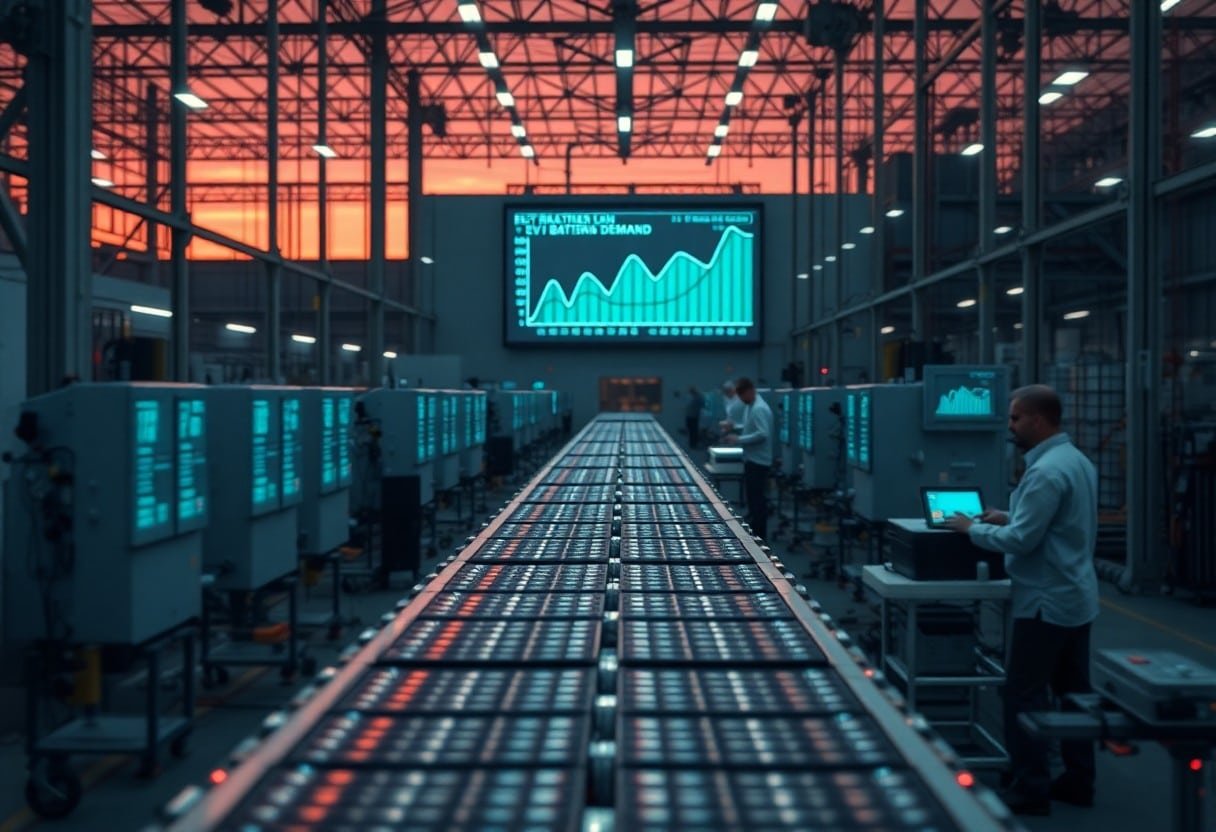
You face an array of demand scenarios as you assess the EV battery market. Analysts predict that annual global demand could reach 1,500 GWh by 2030, fueled by surges in various regions. Notably, markets in Europe and Asia are expanding rapidly, driven by stricter emissions regulations and government incentives, compelling manufacturers to adapt to these shifts while managing their supply chains effectively.
Potential Solutions to Supply Risks
Addressing supply risks necessitates a multifaceted approach incorporating technological innovation, strategic partnerships, and diversified sourcing. By investing in recycling technologies and alternative materials, you can mitigate the reliance on critical minerals, thereby stabilizing supply chains.
To elaborate, one promising solution involves the development of closed-loop recycling systems that reclaim imperative materials from spent batteries. For instance, companies like Redwood Materials are pioneering techniques that recover lithium, nickel, and cobalt, which not only offers a secondary supply source but also minimizes environmental impact. Additionally, forging alliances with mining companies can help secure more stable access to raw materials. By actively seeking out local sources and exploring synthetic alternatives, you can bolster resilience against future disruptions in the EV battery supply chain.
Market Strategies for Mitigating Supply Risks
As supply risks loom over the EV battery market, companies are innovating new strategies to ensure stability. A proactive approach includes engaging in multi-tiered supply chain partnerships and exploring regional production capabilities to minimize dependency on single sources. Companies can reference the 2025 EVS AND BATTERY SUPPLY CHAINS ISSUES AND … for more insights into effective strategies.
Diversification of Supply Sources
To effectively reduce risks, you should diversify your supply sources across various regions and suppliers. This approach not only mitigates risks associated with geopolitical tensions but also ensures a more stable flow of materials necessary for EV battery production. By developing relationships with multiple suppliers, you can adapt to fluctuations and secure crucial resources.
Investments in R&D and Infrastructure
Investing in research and development, as well as infrastructure, is vital for long-term sustainability in the EV battery sector. Allocating resources toward alternative battery technologies and recycling methods can enhance your competitive edge. Additionally, improving infrastructure for battery production and supply logistics can streamline operations, ultimately reducing costs and increasing efficiency.
Investments in R&D and infrastructure allow you to explore innovative solutions that mitigate supply risks. For instance, research into solid-state batteries promises higher energy density and safety, potentially decreasing reliance on scarce materials. Furthermore, enhancing manufacturing capabilities and logistics networks can create a more resilient supply chain, empowering you to respond swiftly to changes in demand and supply disruptions. By prioritizing these investments, you’re positioning yourself as a leader in the evolving EV battery market.
Conclusion
From above, it is clear that supply risks significantly influence the future outlook for EV battery supply and demand. You must recognize that fluctuations in raw material availability and geopolitical tensions can directly impact your access to critical components. By staying informed and adapting your strategies, you can better navigate these uncertainties and align your business plans with the evolving landscape of the electric vehicle market. Your proactive approach will be vital in seizing opportunities and mitigating risks in the transition to a sustainable future.