
Many individuals often overlook the impact that Internal Combustion Engine (ICE) vehicles have in the shift toward a sustainable energy landscape. As you navigate the complexities of the energy transition, understanding the current and future role of these vehicles is crucial for making informed choices. This post will provide insights into how ICE vehicles are adapting within the context of a low-carbon future, and what that means for your transportation options and environmental footprint.
Key Takeaways:
- Internal combustion engine (ICE) vehicles continue to play a significant role in the transition to low-carbon energy, providing a bridge while electric vehicle infrastructure develops.
- Technological advancements in hybrid systems and biofuels can enhance the efficiency and reduce the emissions of existing ICE vehicles, supporting a gradual transition.
- Policy frameworks and market incentives are necessary in facilitating the integration of ICE vehicles within a broader strategy for sustainable transportation and energy consumption.
The Current Landscape of ICE Vehicles
The prevalence of Internal Combustion Engine (ICE) vehicles remains significant, despite the increasing push for electric alternatives. In 2023, about 90% of global passenger vehicles on the road still rely on ICE technology. This demonstrates resilience in traditional automotive markets, particularly where charging infrastructure is lacking and affordability remains a concern.
Market Trends and Consumer Preferences
You are witnessing a shift in consumer preferences as interest in electric vehicles grows, yet ICE vehicles still dominate sales in many regions. Data shows that hybrid models are gaining traction, bridging the gap for consumers hesitant to transition fully to electric, offering the efficiency of electric drivetrains combined with the convenience of traditional fuels.
Environmental Impacts and Emissions
Your understanding of the environmental implications of ICE vehicles is necessary in today’s climate discussions. With transportation being responsible for approximately 29% of total greenhouse gas emissions in the U.S., reducing reliance on ICEs is a major focus. Advances in fuel efficiency and emissions standards have contributed to reductions, but overall, ICE vehicles continue to emit a significant amount of CO2, contributing to climate change and air quality issues.
Environmental regulations are becoming increasingly stringent, pushing automakers to innovate and reduce emissions. In Europe, for instance, regulations mandate a 55% reduction in emissions from new cars by 2030 compared to 2021 levels. This evolution reflects a growing recognition of the necessity for cleaner alternatives. Simultaneously, the average new car emits about 24% less CO2 since 2004, signaling progress yet emphasizing the urgency for a transition to more sustainable technologies.
Technological Advancements in ICE Vehicles
Recent innovations within internal combustion engine (ICE) vehicles are shaping their role in a low-carbon future. Manufacturers are increasingly integrating advanced technologies that enhance efficiency and reduce emissions, ensuring ICE vehicles remain competitive amid the rise of electric alternatives. These advancements not only improve performance but also align with sustainability goals, making traditional vehicles more viable as transitional solutions in the broader energy landscape.
Hybrid Technologies
Hybrid technologies represent a significant evolution in ICE vehicles, blending traditional combustion engines with electric powertrains. This integration allows you to benefit from improved fuel efficiency and reduced emissions while still enjoying the familiar capabilities of conventional vehicles. Notably, vehicles like the Toyota Prius exemplify how hybrid systems can dramatically lower fuel consumption, offering an effective bridge toward fully electric options.
Fuel Efficiency Innovations
Innovations in fuel efficiency are transforming how you perceive ICE vehicles, with advancements such as turbocharging, variable valve timing, and lightweight materials playing pivotal roles. These enhancements enable engines to extract more power from less fuel, resulting in improved mileage and fewer emissions. As a result, many modern ICE vehicles are now achieving efficiencies previously thought unattainable, solidifying their position in your energy transition journey.
Consider that many ICE vehicles equipped with turbocharging and direct injection systems can achieve fuel efficiencies of up to 30% better than older models. For instance, the Ford F-150 EcoBoost showcases how innovative engine technologies can provide the power needed for demanding tasks while vastly improving fuel consumption. Furthermore, the use of advanced lightweight materials, such as high-strength steel and aluminum, reduces overall vehicle weight, contributing to better fuel economy. These innovations not only enhance performance but also support environmental goals, as you can enjoy the benefits of an ICE vehicle without compromising on sustainability.
Regulatory Framework and Policy Shifts
The current regulatory landscape plays a fundamental role in shaping the future of internal combustion engine (ICE) vehicles as the world transitions to low-carbon energy. Governments worldwide are implementing stringent regulations that dictate emissions standards and incentivize cleaner technologies. This shift poses both challenges and opportunities for manufacturers, as compliance with evolving policy frameworks becomes paramount to remain competitive in a rapidly changing market.
Government Initiatives and Incentives
You may find that various government initiatives are designed to support the transition towards low-emission vehicles. Many countries offer tax breaks, rebates, and subsidies for consumers opting for cleaner technologies, which can significantly offset initial purchasing costs. Additionally, investment in charging infrastructure and research into alternative fuels further illustrate government commitment to reducing the environmental impact of transportation.
Global Emission Standards
Global emission standards are becoming increasingly stringent, pushing manufacturers to innovate and enhance the efficiency of ICE vehicles. Countries are adopting targets aligned with the Paris Agreement, often mandating substantial reductions in greenhouse gas emissions. For instance, the European Union’s proposed regulations aim to cut CO2 emissions from new cars by 55% by 2030, while California has set similar benchmarks, compelling automakers to prioritize eco-friendly technologies. Navigating these standards requires an agile approach to design and manufacturing, where staying ahead of regulations can provide a competitive edge. Adapting to such frameworks can create a more sustainable future for ICE vehicles, reducing their carbon footprint while catering to consumer demands for cleaner options.
The Role of Renewable Fuels
Renewable fuels are increasingly positioned to augment internal combustion engine (ICE) vehicles in the journey toward a low-carbon future. By incorporating alternative energy sources, these fuels can significantly reduce greenhouse gas emissions while maximizing engine efficiency. New research highlights the potential of renewable fuels to enhance sustainability in transport; for further insights, explore deciphering the future of electric vehicles amid emissions and ….
Biofuels and their Potential
Biofuels present a remarkable avenue for reducing the carbon footprint of ICE vehicles. Derived from organic materials, biofuels can blend seamlessly with traditional gasoline and diesel, allowing you to utilize your existing vehicle infrastructure while still benefiting from greener energy sources. With advancements in production methods, the market is witnessing increased availability and affordability of biofuels, paving the way for broader adoption.
Synthetic Fuels in the ICE Ecosystem
Synthetic fuels are gaining traction as a viable solution for decarbonizing the ICE ecosystem. These fuels are engineered to mimic conventional fossil fuels while being produced from renewable energy sources, making them compatible with existing fuel infrastructure. In high-performance applications, synthetic fuels can provide similar benefits to traditional fuels, delivering a smooth transition while preserving the advantages of ICEs.
The development of synthetic fuels involves a complex process where renewable energy is used to convert carbon dioxide and water into hydrocarbons. For example, the Fischer-Tropsch synthesis creates liquid fuels that can power ICE vehicles without compromising their performance. Additionally, synthetic fuel production can utilize renewable energy sources, such as wind or solar, fostering energy security and carbon neutrality. As production scales up, you may see these fuels becoming more cost-effective, ensuring that ICE vehicles remain relevant in a low-carbon future.
ICE Vehicles in the Context of Electric Vehicles
ICE vehicles coexist with electric vehicles (EVs) in an ongoing energy transition, each playing distinct roles in the evolving automotive landscape. As EV adoption rises, the two technologies can work synergistically to balance energy demands and infrastructure needs. While EVs present a pathway towards decarbonization, ICE vehicles currently account for a significant portion of global transportation, providing a transitional solution for consumers and businesses as infrastructure and technology adapt.
Complementary Roles in the Energy Transition
ICE vehicles provide an imperative bridge in the energy transition, especially in regions where charging infrastructure for EVs is still being developed. Hybrid models, which combine both ICE and electric power, offer immediate emission reductions while consumers adjust to fully electric alternatives. These transitional vehicles can ease the transition by maintaining mobility without overwhelming existing energy systems.
Challenges and Opportunities Ahead
The path forward includes both notable challenges and opportunities for ICE vehicles in a low-carbon future. As emissions regulations tighten and consumer preferences shift, manufacturers face pressure to innovate. However, there is potential for hybrid technologies and biofuels to mitigate emissions while supporting the existing fleet. Moreover, as batteries’ cost declines, vehicle electrification can expand, allowing ICE vehicles to remain relevant longer in a changing market.
Addressing challenges related to the energy transition for ICE vehicles requires understanding the balance of regulations, market forces, and technological advancements. As stringent emission targets emerge globally, manufacturers must not only innovate to meet these standards but also capitalize on the evolving consumer landscape. Opportunities exist in the development of biofuels and improved hybrid technologies, providing a more sustainable operation for ICE vehicles even in a predominantly electric future. Keeping pace with these changes allows you to make informed decisions about adopting vehicles that align with both current needs and environmental goals.
Future Outlook for ICE Vehicles
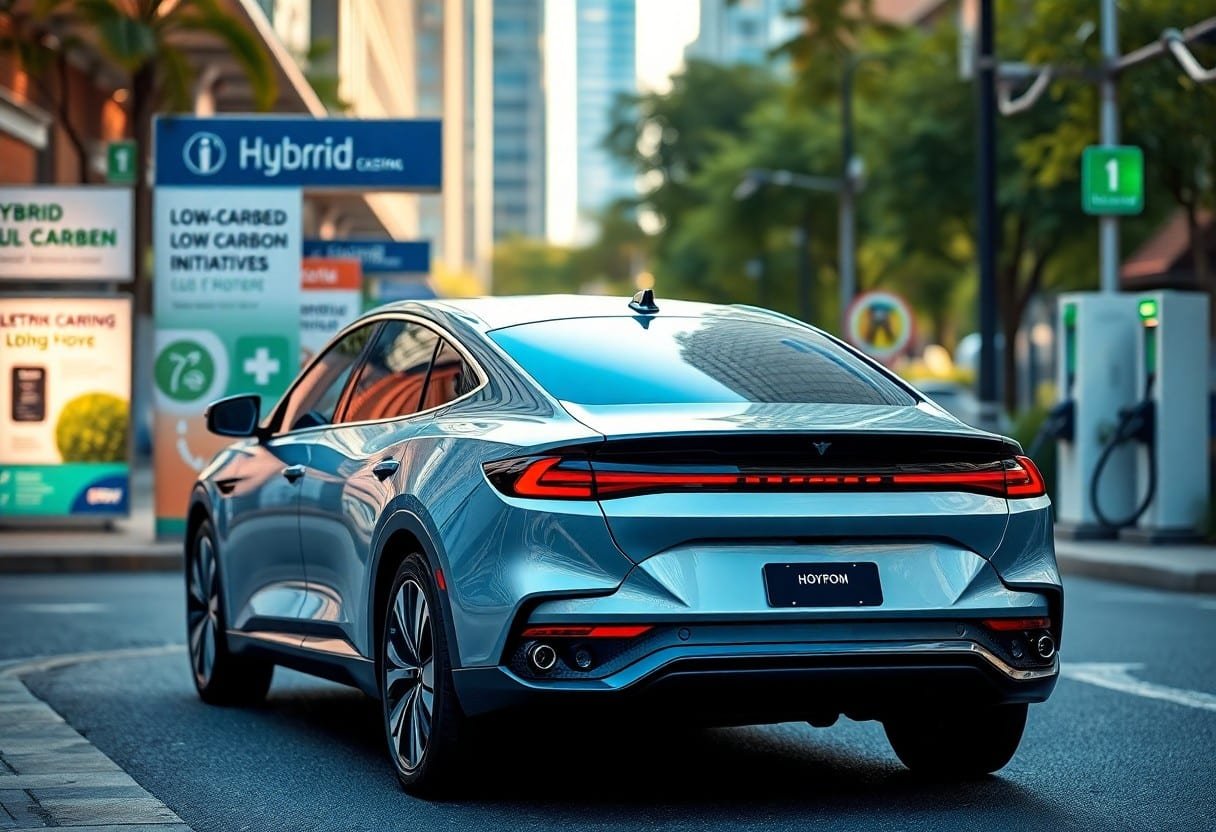
The future of internal combustion engine (ICE) vehicles will be shaped by regulatory pressures, advancements in cleaner technologies, and evolving consumer preferences. As automakers pivot towards electrification, hybrid solutions are likely to serve as transitional technologies, enhancing efficiency while reducing emissions. This evolution may help maintain ICE vehicles’ relevance even as electric alternatives grow in popularity.
Strategies for Sustainable Transition
To navigate the shifting landscape, your strategy should encompass investments in fuel efficiency improvements, adoption of alternative fuels, and integration of hybrid technologies. Emphasizing research into carbon-neutral fuels like hydrogen can also play a significant role. This approach not only helps you stay competitive but aligns with global sustainability goals.
Long-term Viability in a Low-Carbon Future
Long-term viability of ICE vehicles hinges on their ability to adapt with cleaner technologies and innovations. You will need to focus on evolving consumer preferences for low-emission vehicles and the regulatory landscape that increasingly favors sustainable practices.
Amidst growing pressure for decarbonization, ICE vehicles can remain viable by emphasizing hybrid models and alternative fuels. The continued development of biofuels and synthetic fuels could significantly reduce carbon footprints. Additionally, collaborations between automakers and energy sectors may lead to innovative solutions that enable a smoother integration of ICE vehicles into a low-carbon future, ensuring they remain a relevant option for consumers who still rely on conventional transport.
Summing up
Ultimately, as you navigate the shift towards a low-carbon future, understanding the evolving role of ICE vehicles will be crucial. You will see that while these vehicles face increasing pressure from electrification, they can also adapt by improving efficiencies and integrating alternative fuels. This transition phase provides opportunities for innovation and adaptation, underscoring the importance of embracing change in your approach to sustainable transportation. By staying informed and proactive, you can play a part in shaping a balanced energy landscape where both ICE vehicles and emerging technologies coexist for a cleaner tomorrow.