
Wind energy reduces your reliance on imported fuels by providing a domestic, scalable power source, stabilizes prices through long-term investment and low operating costs, creates skilled local jobs and supply chains, and strengthens grid resilience with distributed generation; this list shows how you can leverage wind to secure energy independence, boost regional economies, and plan for sustainable growth with measurable, proven outcomes.
Key Takeaways:
- Reduces reliance on imported fuels by generating scalable domestic electricity, lowering exposure to global price shocks.
- Creates local jobs and attracts investment across manufacturing, construction, and operations, boosting regional incomes and tax revenues.
- Stabilizes energy costs through predictable generation and long-term contracts, supporting business planning and consumer savings.
Local job creation
As wind farms are built and operated in your region, you see direct job growth across construction, logistics and long-term operations, boosting local incomes and tax revenue while strengthening community skills and supplier networks.
Manufacturing roles
When towers, blades and nacelles are produced nearby, you benefit from steady factory employment, apprenticeships and higher-skilled assembly roles; local suppliers and transport services also expand, creating a diverse manufacturing ecosystem.
Maintenance jobs
Maintenance teams keep turbines online, giving you dependable, year-round positions for technicians, electricians and inspectors; ongoing service contracts mean sustained opportunities for local businesses and specialized contractors.
Maintenance work requires training in safety, climbing, electrical systems and remote diagnostics, so you can pursue certifications and career advancement; predictive maintenance, drone inspections and condition monitoring offer higher-paying technical paths and steady local demand.
Renewable energy source
You gain a naturally replenished power supply that reduces dependence on imported fuels and fossil markets; wind energy scales from distributed rooftop systems to large farms, integrates with storage and demand management, and strengthens your long-term energy autonomy while supporting price stability.
Low emissions
By choosing wind you cut greenhouse gas and particulate emissions from power generation, improving air quality and public health, lowering compliance costs, and reducing your exposure to the price volatility and externalities tied to fossil fuel combustion.
Sustainable supply
Wind provides a durable energy input you can rely on without exhausting resources; advancing turbine design and recycling practices extend asset life and reduce lifecycle impacts, strengthening your sustainable energy portfolio.
Because wind depends on atmospheric energy rather than finite extraction, you lessen vulnerability to fuel shortages and geopolitical risk; pairing wind with local manufacturing, maintenance, and storage builds resilient supply chains that keep your power secure through market disruptions.
Energy price stabilization
Wind energy stabilizes energy prices by reducing dependence on volatile fuels and enabling long-term, fixed-price contracts; as you add wind capacity, your exposure to oil and gas price spikes falls, smoothing bills and improving planning-see Top 10 Benefits of Wind Energy for more on how wind supports household and grid-level stability.
Reduced fuel costs
Because wind has no fuel costs, you benefit from near-zero marginal generation expenses: greater wind penetration lowers overall fossil fuel consumption, reducing wholesale prices and, over time, your utility bills; supporting wind projects helps lock in lower operating costs that translate into savings for you.
Predictable pricing
Wind enables predictable pricing through long-term power purchase agreements and steady operating costs; you can secure fixed-rate contracts that shield your household or business from fuel-market shocks, making budgeting and investment decisions far more reliable.
More detail: utilities and large buyers sign 10-25 year PPAs with wind developers, giving you access to steady prices and protection from short-term spikes; paired with storage and diversified supply, these arrangements let you forecast expenses, set tariffs, and plan capital projects with greater confidence.
Energy security enhancement
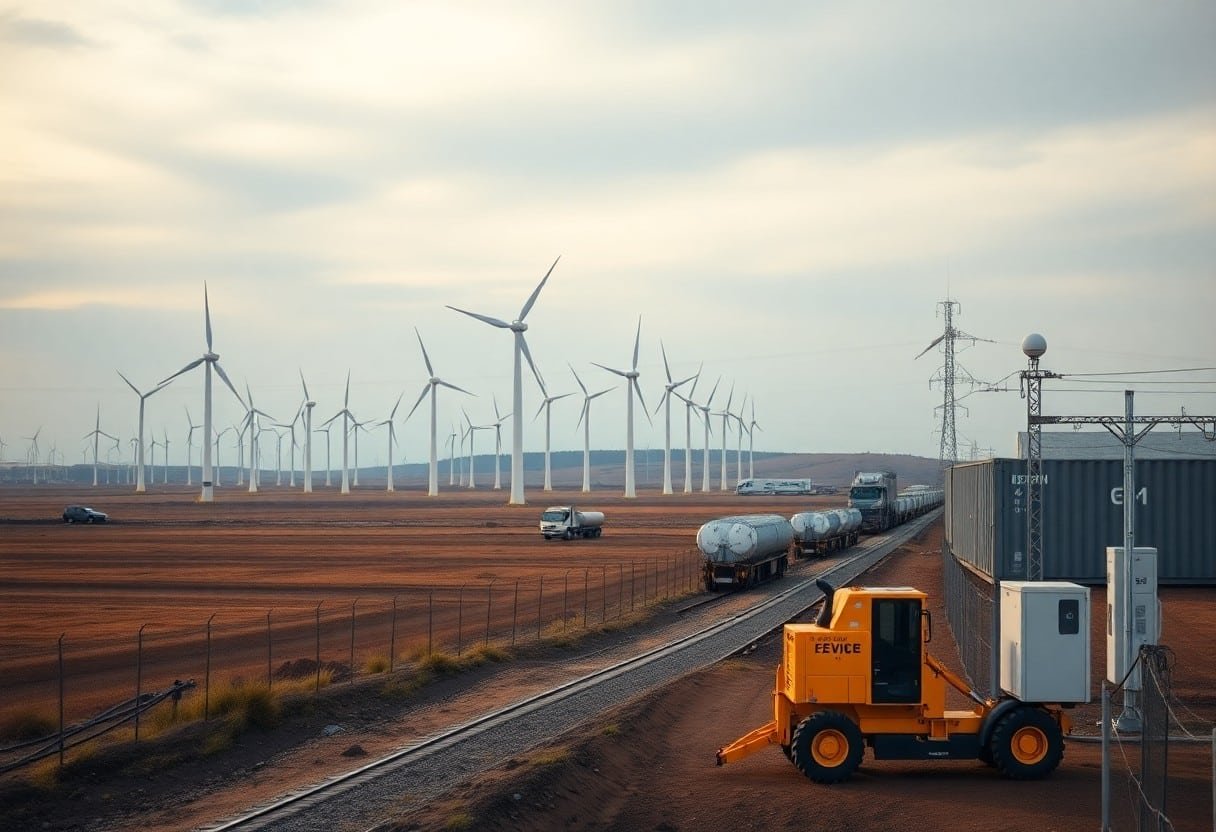
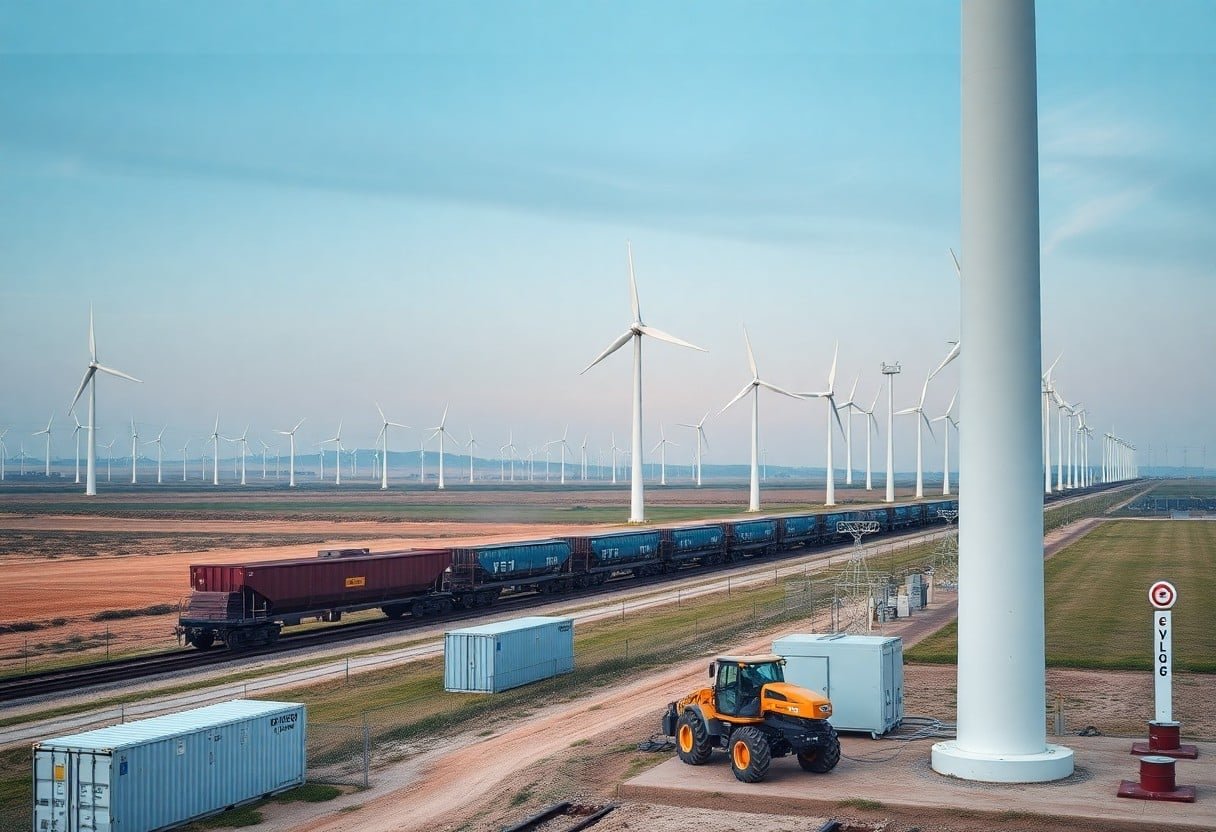
You strengthen national energy security when you expand wind capacity: it diversifies your generation mix, reduces exposure to volatile fuel markets, and increases resilience against supply disruptions. Strategic deployment and grid modernization create predictable local supply and jobs. For a policy briefing, see Investments in Wind Energy Will Help to Create A Fairer Energy Future.
Domestic energy production
By scaling wind installations you increase domestic generation, giving you control over energy sources and prices. Local manufacturing and installation work expands your workforce and supply chains, while predictable operational costs improve planning for utilities and businesses across your region.
Reduced imports
You lower fossil-fuel import needs by meeting more demand with wind, improving your trade balance and insulating your economy from international price swings. Reduced reliance on foreign fuels means you can allocate savings to infrastructure, social programs, or clean-tech development.
As you displace imports, your energy system gains bargaining power and fewer currency reserves are spent on fuel. That stability helps attract investment, supports domestic manufacturers replacing imported components, and makes your policy choices less vulnerable to foreign supply constraints.
Economic growth stimulation
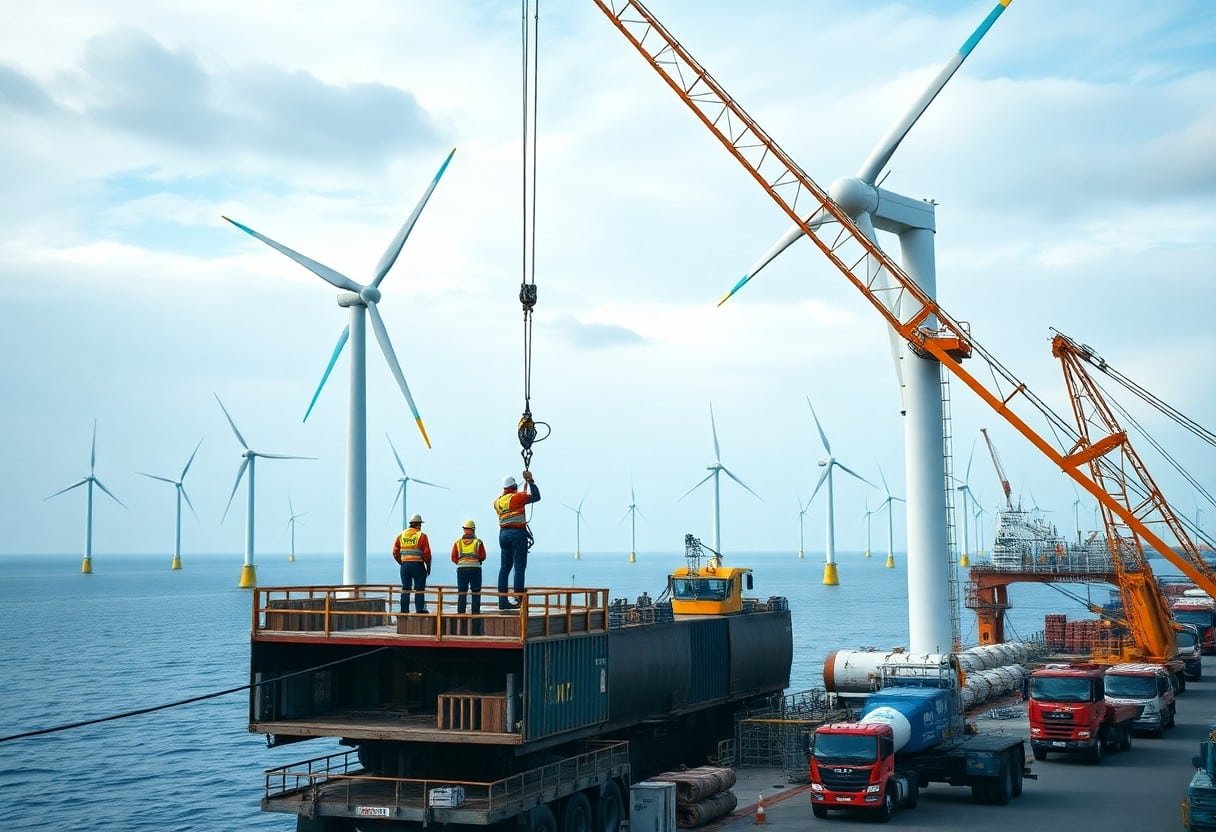
You see wind power attract manufacturers, service providers, and skilled workers, expanding your tax base and creating stable employment; by diversifying your energy mix and lowering import dependence, you stabilize prices and support long-term growth, informed by analyses like Wind Energy Pros and Cons: How Does … to help you weigh benefits and trade-offs.
Local investments
You gain when project developers hire local contractors for construction, operations, and maintenance, keeping capital in your community, boosting small-business revenues, generating lease payments for landowners, and providing new municipal income for services and infrastructure upgrades.
Innovation promotion
You benefit from technology spillovers as wind projects spur R&D in turbines, storage, and grid management, creating high-value jobs, startups, and partnerships that enhance your region’s competitiveness.
You can accelerate innovation by supporting test sites, university-industry collaborations, and targeted incentives that lower commercialization risk, help your workforce retrain for advanced manufacturing and digital grid roles, and attract venture capital focused on scalable clean-energy solutions.
Community development support
You see tangible community gains when wind projects collaborate with local stakeholders to fund education, healthcare, workforce training, and public amenities. These partnerships channel private investment into community priorities, strengthen local institutions, and help you shape development so benefits stay local while energy capacity grows.
Infrastructure improvements
Wind installations drive upgrades to roads, substations, and grid capacity that directly benefit your community by improving access, reducing outages, and enabling future commercial development. These improvements often lower logistics costs for local businesses and create a more resilient foundation for broader economic growth.
Increased local revenue
Your community receives steady income from property taxes, land lease payments, and community benefit agreements tied to wind projects, which support public services and capital projects. That predictable revenue stream helps municipalities plan budgets and invest in long-term priorities without overburdening residents.
With consistent wind-related revenue, you can diversify the local tax base and stabilize funding for schools, emergency services, and infrastructure maintenance. Developers sometimes establish dedicated community funds or revenue-sharing mechanisms that let your local government finance bonds or targeted programs, improving fiscal resilience and enabling strategic investments that attract further private and public dollars.
Technological advancement
You gain from continuous technological advancement in wind: smarter turbines, better controls, and integrated storage reduce costs and improve reliability, letting your region rely more on homegrown power and less on imported fuels while supporting stable local economies.
Research funding
When you allocate research funding to wind energy, you speed prototype development, scale manufacturing, and de-risk innovations. Your public-private grants and university partnerships accelerate breakthroughs that lower costs, strengthen domestic supply chains, and create skilled jobs in your community.
Improved efficiency
You capture more energy as turbines get larger, towers taller, and blades more aerodynamic; improved siting and grid integration raise capacity factors, reduce levelized costs, and make your energy supply more dependable and locally sourced.
You see tangible gains from materials and control breakthroughs: lighter composites reduce loads, variable-pitch and AI-driven controls optimize output in turbulent winds, and predictive maintenance increases uptime. Combined with floating foundations and hybrid storage, these advances boost your energy yield and economic returns while enhancing resilience.
Export opportunities
You can turn domestic wind-turbine manufacturing, project services and grid-integration expertise into export revenues that strengthen your trade balance and create skilled jobs. Exporting components, operation services and consultancy helps you capture foreign exchange, scale production and lower unit costs through larger orders, reinforcing national economic stability.
Technology sharing
You can license turbine designs, share control software and offer training to foreign partners, creating recurring income and advancing global standards. Technology-sharing agreements let you monetize R&D, deepen industrial partnerships and accelerate adoption of your systems while building trust through proven performance and joint development.
Global market access
You expand your market by meeting international standards, securing trade agreements and tailoring offers to local grid requirements. Accessing global buyers lets you diversify revenue, reduce exposure to domestic downturns and position your firms as reliable suppliers in fast-growing offshore and emerging-market segments.
To win global market access you should prioritize certification, competitive pricing, robust after-sales service and local partnerships. Offer financing packages, adapt designs to local climate and regulatory frameworks, and invest in logistics to meet lead-time expectations; these steps help you close deals and sustain export growth.
Resilience against crises
When supply shocks or geopolitical disruptions hit, wind energy reduces your vulnerability by providing a domestic, weather-driven power source. Distributed wind farms and local manufacturing shorten supply chains, lower dependence on imported fuels, and let you maintain crucial services during market volatility. By integrating storage and grid controls, wind helps you recover faster from outages and price spikes, strengthening long-term energy security and community stability.
Diversified energy portfolio
You benefit when wind complements solar, storage, demand response and conventional generators, smoothing variability and lowering system risk. A diverse mix reduces reliance on any single fuel, stabilizes prices, and gives grid operators and communities the flexibility to prioritize critical loads during emergencies, improving reliability and economic predictability.
Adaptable infrastructure
Your wind infrastructure is modular and upgradeable: turbines can be repowered with higher-capacity rotors, storage can be added, and smart controls retrofit to optimize performance. This allows you to scale capacity, extend asset life, and adjust to regulatory or market shifts without abandoning prior investments, preserving value while enhancing grid responsiveness.
You can deploy wind within microgrids and hybrid plants to serve remote or critical sites, reducing downtime and supply interruptions. Flexible interconnection standards, modular substations, and mobile maintenance crews let you reconfigure assets rapidly after storms or supply-chain disruptions, giving communities practical options to maintain crucial services and rebuild more quickly.
Summing up
To wrap up, the ten proven measures show how wind energy strengthens your energy independence and supports economic stability by diversifying supply, lowering costs, creating local jobs, and attracting investment; by adopting scalable technology, you reduce exposure to fuel price shocks, foster resilient grids, and stimulate regional development while advancing clean energy goals-giving your community long-term fiscal and environmental benefits.