
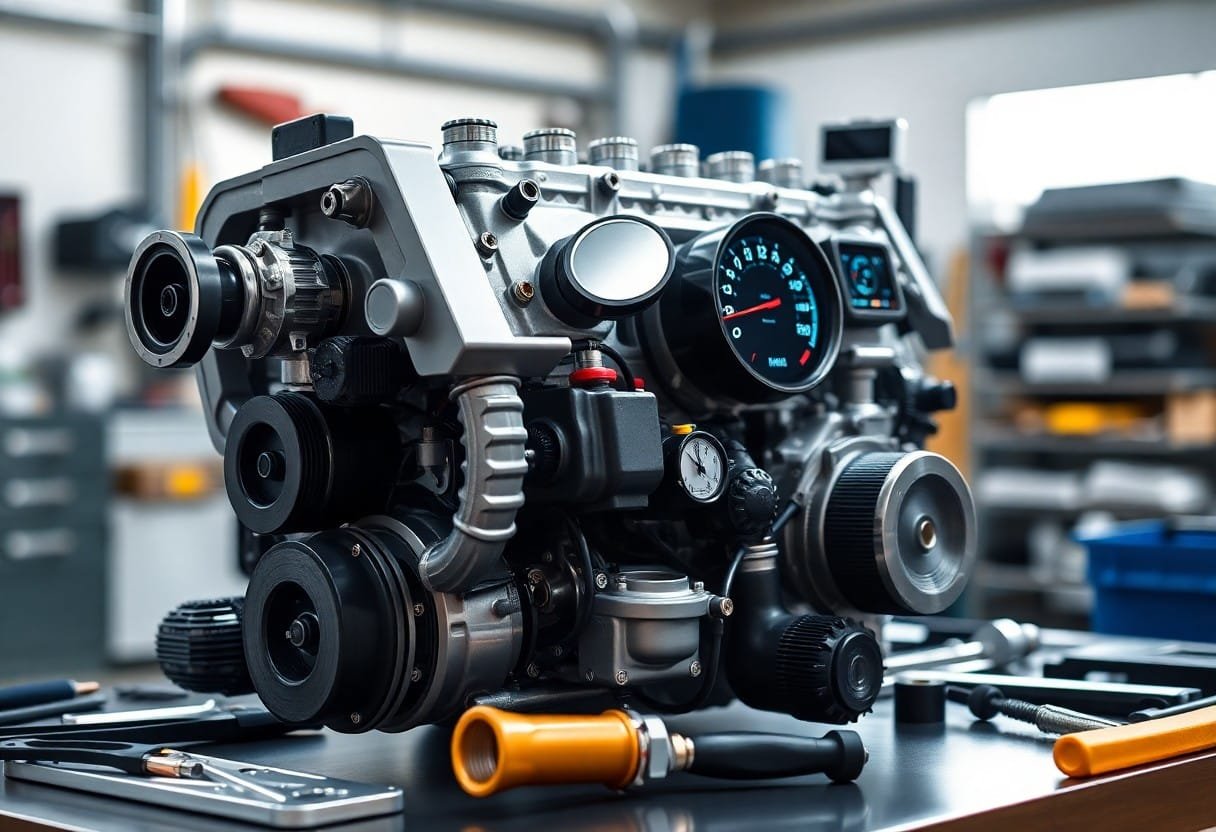
Decarbonization of internal combustion engines is crucial for reducing emissions and enhancing sustainability in the automotive industry. You can employ proven strategies and industry insights that focus on advanced technologies and alternative fuels to transform your engine’s performance. This guide will provide you with practical steps and expert knowledge to effectively implement decarbonization techniques, ensuring you stay ahead in the evolving landscape of automotive engineering.
Key Takeaways:
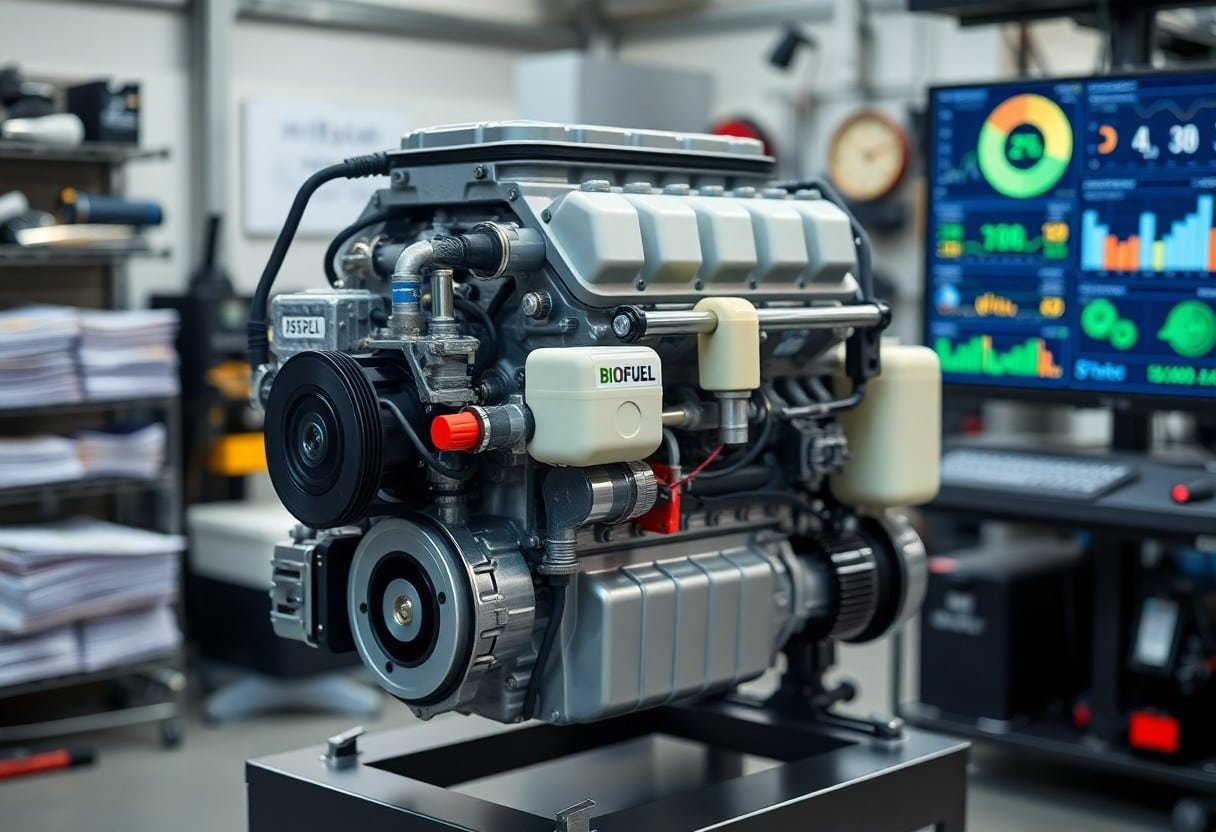
- Transitioning to low-carbon fuels, such as biofuels and hydrogen, can significantly reduce emissions from internal combustion engines.
- Implementing advanced engine technologies and optimization techniques enhances efficiency and lowers the carbon footprint of existing engines.
- Collaboration across industries and regulatory frameworks is vital for driving innovation and adoption of decarbonization strategies.
Understanding Internal Combustion Engines
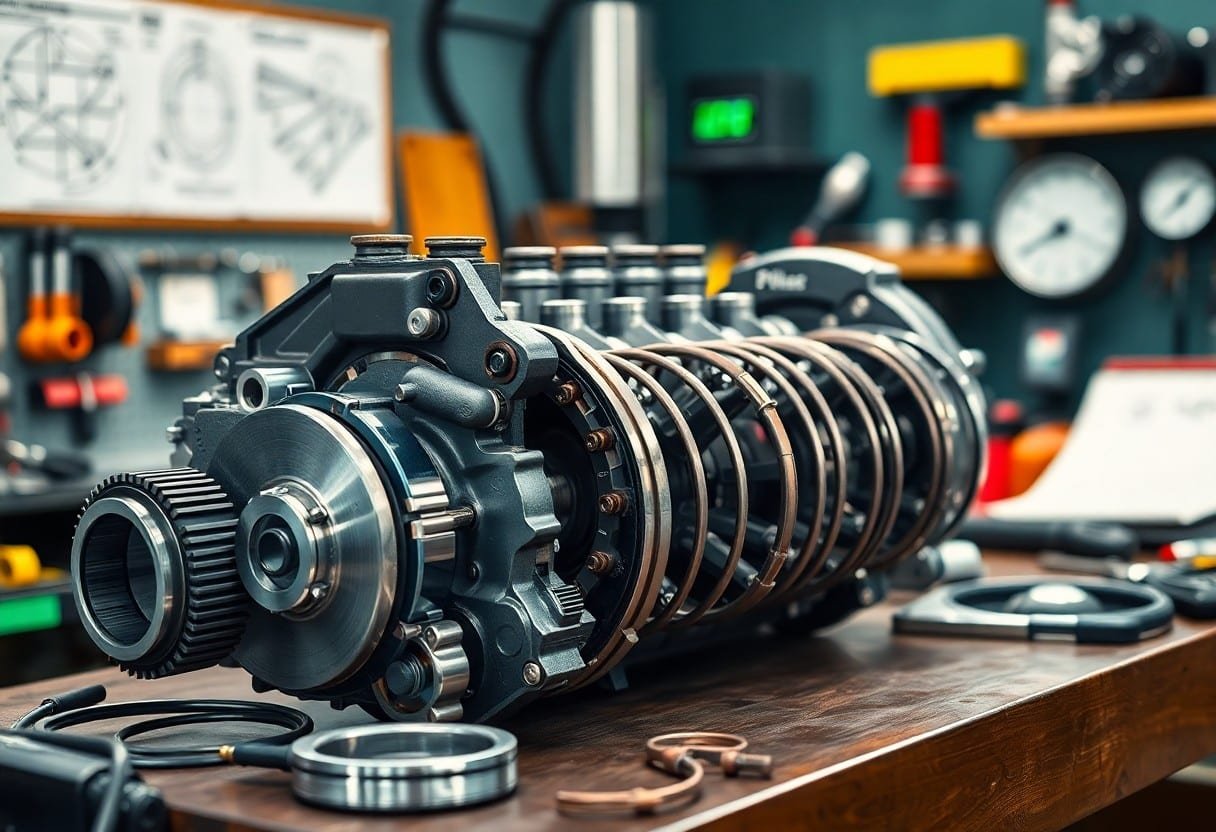
Internal combustion engines (ICEs) convert fuel into mechanical energy through a series of controlled explosions within a combustion chamber. This process primarily involves the intake of air and fuel, their compression, and subsequent ignition, resulting in power generation that propels vehicles. Spanning over a century, ICE technology has seen significant advancements, leading to various types such as gasoline, diesel, and even hybrid systems. This diverse evolution has shaped the automotive industry and continues to impact energy consumption and emissions today.
Overview of Internal Combustion Engine Technology
Your understanding of ICE technology hinges on its mechanics, including the four-stroke cycle, which consists of intake, compression, power, and exhaust strokes. Each stroke plays a vital role in ensuring efficient energy conversion. Modern engines are designed with precision, utilizing features like turbocharging and variable valve timing to enhance performance and fuel efficiency, while also addressing environmental concerns through improved emissions control strategies.
Importance of Decarbonization
Decarbonization of internal combustion engines addresses urgent environmental challenges, including climate change and air quality issues. As transportation is a major greenhouse gas emitter, transitioning to lower-carbon technologies is important for meeting global climate targets. By reducing CO2 and other harmful emissions, you contribute to a healthier planet and align with regulatory demands that increasingly favor sustainable practices in the automotive sector.
Consider the fact that transportation accounts for about 29% of total greenhouse gas emissions in the United States, underscoring the need for effective decarbonization strategies. Shifting towards biofuels, electric solutions, and advanced emission control technologies can significantly reduce the carbon footprint of your vehicle. Implementing these changes not only complies with legislation but also promotes a sustainable future, encouraging innovation and investment in cleaner technologies that benefit both the environment and public health. The momentum for change is building, and your involvement is key to realizing this transformation.
Proven Approaches to Decarbonization
Effective decarbonization requires a multi-faceted strategy, integrating technological advancements, operational efficiencies, and sustainable practices. These approaches not only address emissions reductions but also enhance overall engine performance and longevity. By focusing on both existing and emerging solutions, you can contribute to a more sustainable transportation sector and align with regulatory requirements.
Fuel Alternatives and Innovations
Transitioning to fuel alternatives plays a vital role in reducing your engine’s carbon footprint. Options such as biofuels, synthetic fuels, and hydrogen combustion not only lower greenhouse gas emissions but also promote energy security. For instance, using blends of renewable diesel and biodiesel can reduce lifecycle greenhouse gas emissions by up to 80% compared to conventional fossil fuels.
Engine Modifications and Upgrades
Modifications to your existing engine can enhance efficiency and minimize emissions. Options include retrofitting with advanced combustion technologies, incorporating turbochargers, or upgrading to variable valve timing systems. Each of these upgrades can yield significant reductions in fuel consumption and emissions while improving performance.
Upgrading your internal combustion engine goes beyond mere replacements; it may involve strategic modifications such as optimizing air-fuel mixtures or retrofitting particulate filters. Advanced ignition systems, like dual-fuel setups, enable the efficient use of alternative fuels. Moreover, data-driven engine management systems ensure optimal performance, adapting to varied driving conditions while minimizing excess emissions. Companies have reported up to 30% reduction in carbon emissions after implementing such upgrades, illustrating their effectiveness in decarbonization efforts.
Key Factors Influencing Decarbonization Success
Achieving decarbonization in internal combustion engines hinges on several interlinked factors. Key considerations include:
- Technological advancements
- Fuel availability and quality
- Investment in R&D
- Public and private partnerships
- Consumer acceptance
- Market competition
Perceiving these elements holistically allows for more successful implementation of decarbonization strategies.
Regulatory Environment and Compliance
Compliance with stringent environmental regulations significantly influences the decarbonization process. Governments worldwide are implementing tighter emissions standards, thereby pushing manufacturers to innovate rapidly. Adhering to these regulations not only ensures legal compliance but also enhances brand reputation among environmentally conscious consumers.
Economic Considerations and Industry Trends
Economic factors play a pivotal role in the viability of decarbonization initiatives. Market demands for greener solutions are on the rise, which drives investment in sustainable technologies. Cost considerations, including the volatility of fuel prices and production expenses, directly impact your ability to adopt low-carbon alternatives.
Further examining this area reveals that industry trends such as the increasing adoption of electric vehicles (EVs) and the growing availability of alternative fuels like hydrogen and biofuels are reshaping market dynamics. In 2022, the global biofuel market was valued at approximately $113 billion, reflecting substantial growth potential for low-carbon fuels. You can capitalize on these trends by staying informed about technological advancements and shifting consumer preferences, ensuring your strategies align with the evolving economic landscape.
Tips for Implementing Decarbonization Strategies
Efficient decarbonization strategies require a systematic approach and commitment at all levels. Start by assessing current emissions and identifying the most impactful areas for improvement. Engage your team in the process to foster a culture of sustainability. Here are key tips to consider:
- Establish clear decarbonization goals.
- Invest in energy-efficient technologies.
- Monitor progress with data-driven metrics.
- Educate staff about environmental initiatives.
Any step in the right direction contributes to a more sustainable future.
Best Practices for Fleet Operators
For fleet operators looking to decarbonize, optimizing routes and reducing idle time can significantly lower emissions. Implementing regular maintenance schedules ensures engines run efficiently, while adopting fuels with lower carbon content can further enhance sustainability. Consider investing in hybrid or alternative fuel vehicles to complement your existing fleet, thus gradually transitioning towards greener options.
Collaborating with Industry Stakeholders
Partnerships with industry stakeholders can accelerate decarbonization efforts. Engaging with manufacturers, fuel suppliers, and technology providers fosters innovation and shared knowledge. By collaborating, you can gain insights into emerging technologies, secure better pricing for sustainable options, and streamline the integration of these solutions into your operations.
Leveraging collaborations also allows for collective research and development efforts, which can lead to breakthroughs in cleaner fuels and engine technologies. For instance, partnerships with electric vehicle manufacturers or battery developers can pave the way for deeper electrification of fleets. Additionally, networking with industry groups and participating in forums can keep you informed on regulatory changes and funding opportunities, further supporting your decarbonization initiatives.
Future Outlook on Decarbonization Efforts
The future of decarbonization efforts in the automotive sector looks promising as governments and industries increasingly commit to reducing greenhouse gas emissions. Collaborative initiatives, such as those highlighted in Industrial Deep Decarbonization: Modeling Approaches …, are paving the way for innovative strategies and technologies that will reshape how vehicles are powered. This paradigm shift not only addresses climate goals but enhances energy security and economic opportunities.
Emerging Technologies and Research
Continuous advancements in battery technology, hydrogen fuel cells, and synthetic fuels are revolutionizing the landscape of automotive decarbonization. Research institutions are exploring methods to enhance the efficiency of combustion engines while integrating electrification, leading to cleaner alternatives. Technologies like carbon capture and storage are also being tested for their potential to mitigate emissions from existing engines.
Long-term Impacts on the Automotive Industry
The automotive industry is forecasted to undergo significant transformations as decarbonization efforts gain traction. As regulations tighten in response to climate change, manufacturers will increasingly prioritize sustainable models, which could lead to a major shift in consumer preferences towards electric and hybrid vehicles. Legacy automakers are likely to adapt by investing in cleaner technologies and production processes to maintain competitiveness in this evolving market.
The long-term implications for the automotive industry extend beyond mere compliance with regulations. The shift towards renewable energy sources will necessitate a rethinking of supply chains and production methods, with a greater emphasis on circular economy principles. Firms that proactively embrace sustainable practices may find new revenue streams through the development of eco-friendly components and services. Moreover, as consumers become more environmentally conscious, automakers that lead in decarbonization may enhance brand loyalty and secure a sizable market share in a rapidly changing landscape.
To wrap up
Presently, embracing the various proven approaches to decarbonize internal combustion engines is vital for your sustainability goals and industry leadership. By integrating alternative fuels, advanced technologies, and efficiency improvements, you can significantly reduce emissions and enhance your vehicle’s performance. Staying informed about industry insights enables you to make strategic decisions that align with environmental standards while positioning yourself favorably in an evolving market. Your commitment to these practices will not only contribute to a greener future but also boost your company’s reputation and competitiveness.