
With the rise of electric vehicles (EVs), understanding the role of gas engines in the future of transportation is crucial for you as a stakeholder in the automotive industry. As the world shifts towards low-carbon mobility, you will need to adapt to changing technologies and regulatory landscapes. This post explores how gas engines can evolve to meet environmental standards while still providing value in a predominantly electric landscape.
Key Takeaways:
- Gas engines will undergo significant technological advancements to meet low-carbon standards and improve efficiency in the EV era.
- Hybrid systems combining gas engines with electric drivetrains will play a vital role in the transition to sustainable mobility.
- Regulatory pressures and market demands are pushing automakers to innovate, ensuring gas engines remain relevant in a future dominated by electric vehicles.
The Role of Gas Engines in Today’s Mobility
You must recognize that gas engines remain integral to today’s transportation landscape, providing reliable performance and accessibility. While the transition to electric vehicles (EVs) is underway, gas engines still power a significant portion of the global fleet, particularly in regions where charging infrastructure is limited. Their versatility, range, and comparatively lower upfront costs ensure they continue to meet diverse mobility needs until more sustainable options become ubiquitous.
Current Market Trends
Current market trends indicate a gradual shift towards hybrid and alternative fuel solutions, with gas engines adapting to incorporate more eco-friendly technologies. You may note that manufacturers are increasingly investing in cleaner combustion technologies and developing biogas options. Despite the rise of EVs, gas engines are expected to coexist and evolve, meeting stringent emissions regulations while catering to consumer demand for efficiency and practicality.
Comparative Emissions Analysis
A comparative emissions analysis highlights the differing environmental impacts of gas engines versus electric vehicles. While gas engines emit greenhouse gases, advancements in technology have lowered emissions significantly. You can see that when considering the entire lifecycle, including production and power generation for electric vehicles, gas engines may not be as detrimental as often presumed.
Comparative Emissions Overview
| Vehicle Type | CO2 Emissions (grams/km) |
|---|---|
| Gas Engine | 120-150 |
| Electric Vehicle (Grid Mix) | 150-200 |
| Hybrid Vehicle | 80-100 |
Such analyses show that while electric vehicles tout zero tailpipe emissions, energy generation and battery production can introduce significant emissions. Additionally, lifecycle analyses reveal that advancements in gas engine technologies are reducing their overall emissions footprint. You may find it insightful to note that the carbon intensity of the energy source used for electric vehicles plays a substantial role in their net emissions, showcasing the complex interplay between various technologies in achieving true sustainability.
Lifecycle Emissions Factors
| Factor | Impact on Emissions |
|---|---|
| Fuel Source | Varies emissions, renewables lower net impact. |
| Manufacturing Process | Battery production is energy-intensive, increasing lifecycle emissions. |
| Vehicle Use | Operating efficiency influences overall emissions profile. |
Challenges Facing Gas Engines
In the transition to low-carbon mobility, gas engines encounter significant hurdles that could impede their growth and development. With a focus on sustainability, manufacturers must adapt to tightening regulations and evolving consumer expectations while maintaining performance and affordability. As you consider the future of these engines, understanding the obstacles they face is vital for navigating this changing landscape.
Regulatory Pressures
With governments worldwide implementing stricter emissions targets, gas engines are under increasing regulatory pressure. You may find that compliance with these standards becomes a driving force in innovation, compelling manufacturers to develop cleaner technologies or shift towards alternative fuels. Specific regulations, such as the European Union’s Euro 7, could force gas engines to significantly reduce NOx and particulate matter emissions, reshaping the market.
Technological Limitations
Gas engines currently face various technological limitations that hinder their ability to fully align with low-carbon goals. Advances in battery technology and electric drivetrains often overshadow improvements in gas engine efficiency and emissions control. As you evaluate these engines’ potential, it’s crucial to recognize how advancements in alternative energy sources are reshaping the competitive landscape.
In technological limitations, gas engines struggle with optimizing combustion efficiency and maintaining low emissions. While advancements like turbocharging and direct fuel injection have improved performance, the inherent design of gas engines makes it challenging to achieve the zero-emissions standards set for electric vehicles. For instance, despite innovations, many gas engines still cannot reach the efficiency of even entry-level electric motors, which can convert over 90% of electrical energy into propulsion. As a result, manufacturers face a tough road ahead in balancing performance enhancements with sustainability objectives.
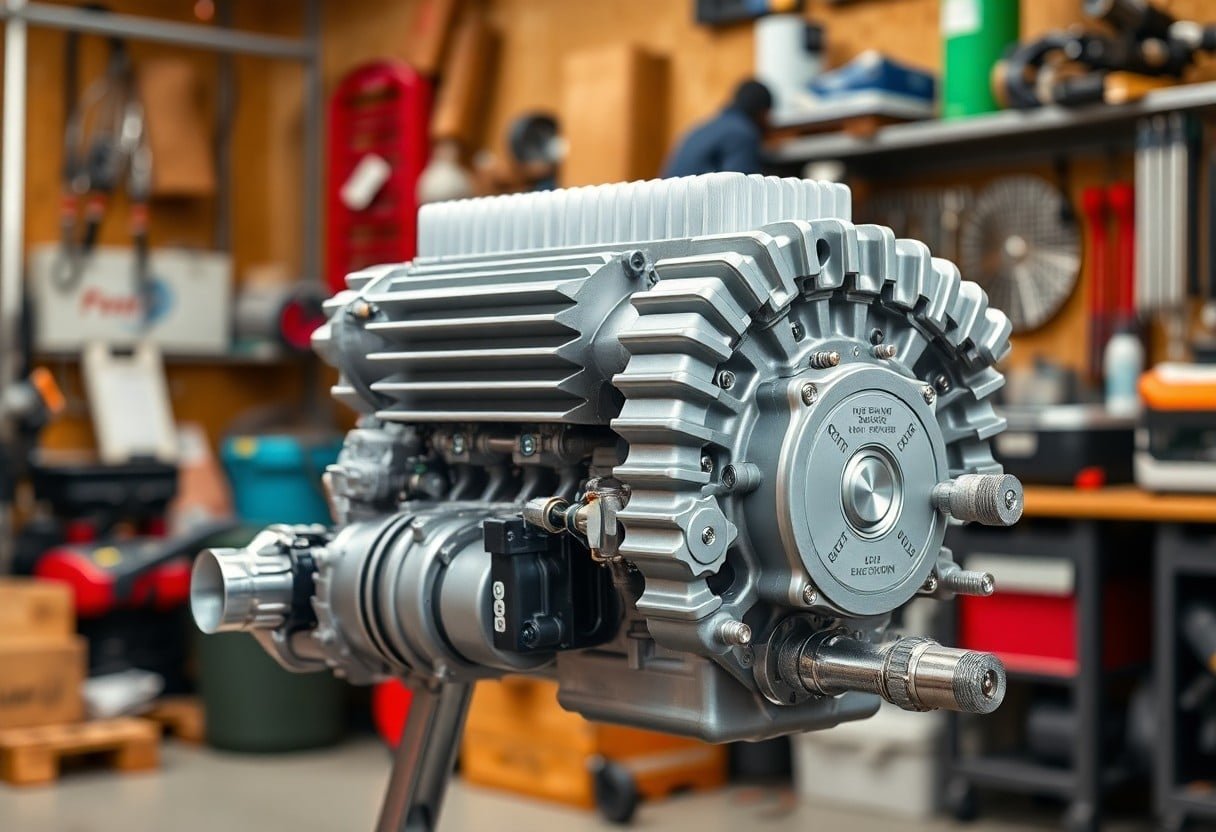
Innovations in Gas Engine Technology
Innovative developments are reshaping gas engine technology, positioning it to coexist with electric vehicles. Manufacturers are investing in advanced materials and combustion techniques that optimize performance while reducing emissions. Integrating artificial intelligence into engine management systems enhances fuel efficiency and adapts to varying driving conditions. Such innovations aim to ensure gas engines remain relevant in an increasingly electrified landscape.
Hybrid Systems
Hybrid systems are playing a pivotal role in the evolution of gas engines, combining them with electric technologies to enhance performance and reduce emissions. You can leverage these systems to capitalize on the strengths of both power sources, achieving optimal fuel efficiency while minimizing environmental impact. Automakers are innovating in hybrid design, developing vehicles that can seamlessly switch between gasoline and electric power based on driving needs.
Improvements in Efficiency
Enhancements in efficiency are central to the modern gas engine’s evolution, focusing on maximizing output while minimizing fuel consumption and emissions. By incorporating turbocharging, direct fuel injection, and variable valve timing, gas engines now deliver greater power with less fuel. These advancements can lead to fuel economy improvements exceeding 20% in some models, making gas engines more competitive against fully electric counterparts.
Recent studies reveal that next-generation gas engines can achieve thermal efficiencies above 40%, rivaling the efficiency of diesel engines. Notable examples include the use of high compression ratios and advanced ignition techniques, which further enhance combustion processes. Technological innovations such as exhaust heat recovery systems are gaining traction, capturing waste heat to improve overall energy use. These breakthroughs not only boost efficiency but also align gas engines with stringent environmental regulations, fostering a more sustainable future in transportation.
Future Outlook for Gas Engines
The future of gas engines in an era increasingly dominated by electrification hinges on their adaptation to low-carbon technologies. As battery electric vehicles show the lowest carbon footprints, gas engines must innovate to remain relevant. Exploring sustainable strategies, such as utilizing renewable fuels, could position gas engines as transitional solutions while you navigate the shift towards greener mobility. More about this transition can be found in the study on Battery electric vehicles show the lowest carbon footprints …
Market Predictions
Trend analyses suggest that gas engine market shares will decline as governments impose stricter emissions regulations and consumers prioritize lower carbon options. By 2030, you can expect shifts toward hybrid models and renewable fuel integration, redefining the competitive landscape. Demand for gas engines may stabilize in certain sectors, but overall growth is likely to stagnate compared to electric vehicle advancements.
Integration with Renewable Fuels
Integrating gas engines with renewable fuels provides a pathway to reduce carbon emissions while maintaining existing infrastructure. This approach allows you to utilize biomethane and synthetic fuels, which can be seamlessly blended with natural gas. Many manufacturers are already working on retrofitting gas engines to run on cleaner alternatives, thereby enhancing sustainability without sacrificing performance.
By embracing renewable fuels, gas engines can significantly decrease lifecycle emissions, thus prolonging their viability in a low-carbon future. Models already in development illustrate how this integration not only maintains engine efficiency but also meets rising consumer demand for greener options. As a result, you’ll see utility companies and fleets leveraging adapted gas engines to achieve renewable energy targets while utilizing their existing operations more effectively.
Adapting to Low-Carbon Expectations
Your expectations as a consumer increasingly align with a low-carbon future, and gas engine manufacturers must adapt accordingly. The demand for cleaner alternatives is reshaping the market, forcing these companies to innovate in emissions reduction technologies and alternative fuels. This transformation involves a shift towards hybrid models, biofuels, and technology aimed at improving fuel efficiency, all while minimizing carbon footprints to stay relevant in the era of electrification.
Consumer Preferences
You prefer vehicles that not only offer performance but also align with environmental standards. As zero-emission mandates gain traction, many manufacturers are responding to your desire for greener options. This shift is reflected in increasing sales of hybrid and alternative fuel vehicles, showing that environmental responsibility is becoming a central consideration in your purchasing decisions.
Industry Shifts
The automotive industry is undergoing significant changes to meet low-carbon demands. Major automakers are transitioning to electric variants while investing heavily in hybrid technology and sustainable fuels. Governments are enforcing stricter regulations on emissions, pushing manufacturers to innovate more rapidly. Companies like Volvo and Ford are earmarking billions for electrification and sustainable practices, indicating a broader shift towards integrating low-carbon solutions into their core strategies.
The industry’s transition is evident as leaders allocate resources towards research and development in low-emission technologies. For instance, partnerships with renewable fuel developers are emerging to create viable alternatives to traditional gasoline, such as synthetic fuels and hydrogen solutions. Meanwhile, companies are adopting circular economy principles, aiming for sustainable manufacturing processes and recycling programs that further reduce their carbon footprint. This proactive stance ensures that as consumer preferences evolve toward greener mobility, your options remain abundant and increasingly efficient.
Case Studies of Successful Adaptation
This section highlights real-world examples of gas engine adaptation in the transition towards low-carbon mobility. These case studies demonstrate innovative strategies and the tangible outcomes of adapting technologies to meet environmental goals.
- Volkswagen: Reduced CO2 emissions by 40% in its gasoline engines through improved fuel injection and turbocharging technologies by 2022.
- Ford: Achieved a 25% increase in fuel efficiency in its EcoBoost engines, leading to a 2021 emissions reduction of 5 million tons globally.
- Honda: Launched a new line of engines that utilize renewable biofuels, achieving a 15% reduction in lifecycle emissions.
- General Motors: Invested $27 billion in electrification while enhancing their internal combustion engines, reaching a 30% reduced emissions target by 2025.
Leading Manufacturers
In the race for low-carbon technology, leading manufacturers are enhancing gas engines more efficiently. Companies like BMW and Toyota are integrating hybrid solutions that extend gasoline engine life while minimizing emissions. BMW’s latest models have improved thermal efficiency ratings, pushing them closer to electric alternatives.
Global Examples
Globally, numerous companies are reshaping gas engine technologies to align with sustainability goals. A range of initiatives across continents showcases efforts to lower environmental impacts successfully. Hybrid models from Japanese manufacturers and grid-connected gas engines in Europe exemplify these advancements.
For instance, Toyota has reported a 23% reduction in CO2 emissions for their hybrid vehicles as compared to traditional gas engines. Simultaneously, several European countries are promoting gas engine retrofits to accommodate renewable natural gas, aligning local transportation with green energy initiatives. These global examples not only reinforce the adaptability of gas technologies but also illustrate a synchronized effort towards achieving a more sustainable mobility future while retaining gas engine relevance in the evolving landscape.
Summing Up
Following this, you can see that the future of gas engines in the electric vehicle era hinges on their ability to adapt to emerging low-carbon mobility demands. As regulations evolve and consumer preferences shift, you must consider how advancements in technology and innovative strategies can enhance the efficiency and sustainability of gas engines. By embracing alternative fuels and hybrid technologies, you can contribute to a more balanced approach in the transition towards environmentally friendly transportation, ensuring that your automotive interests remain viable in a rapidly changing landscape.