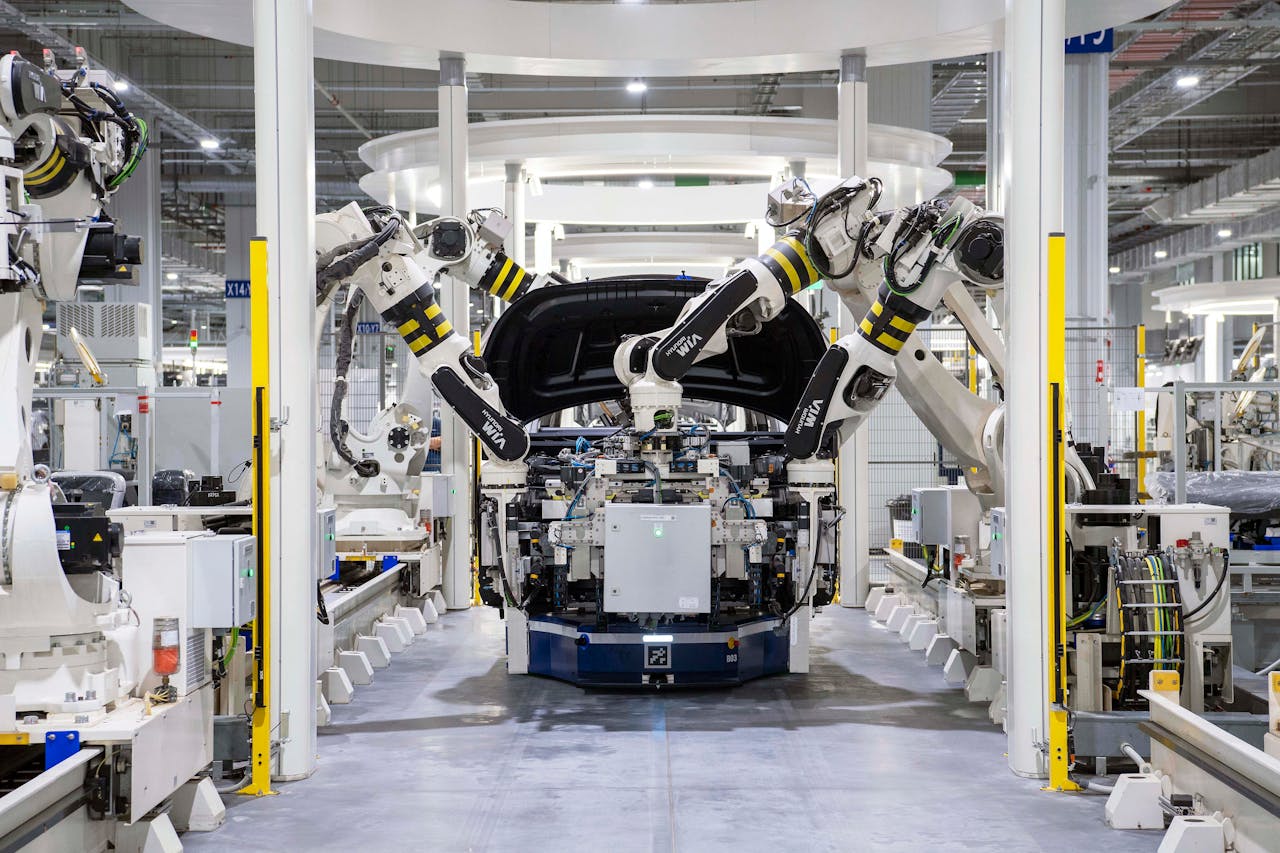

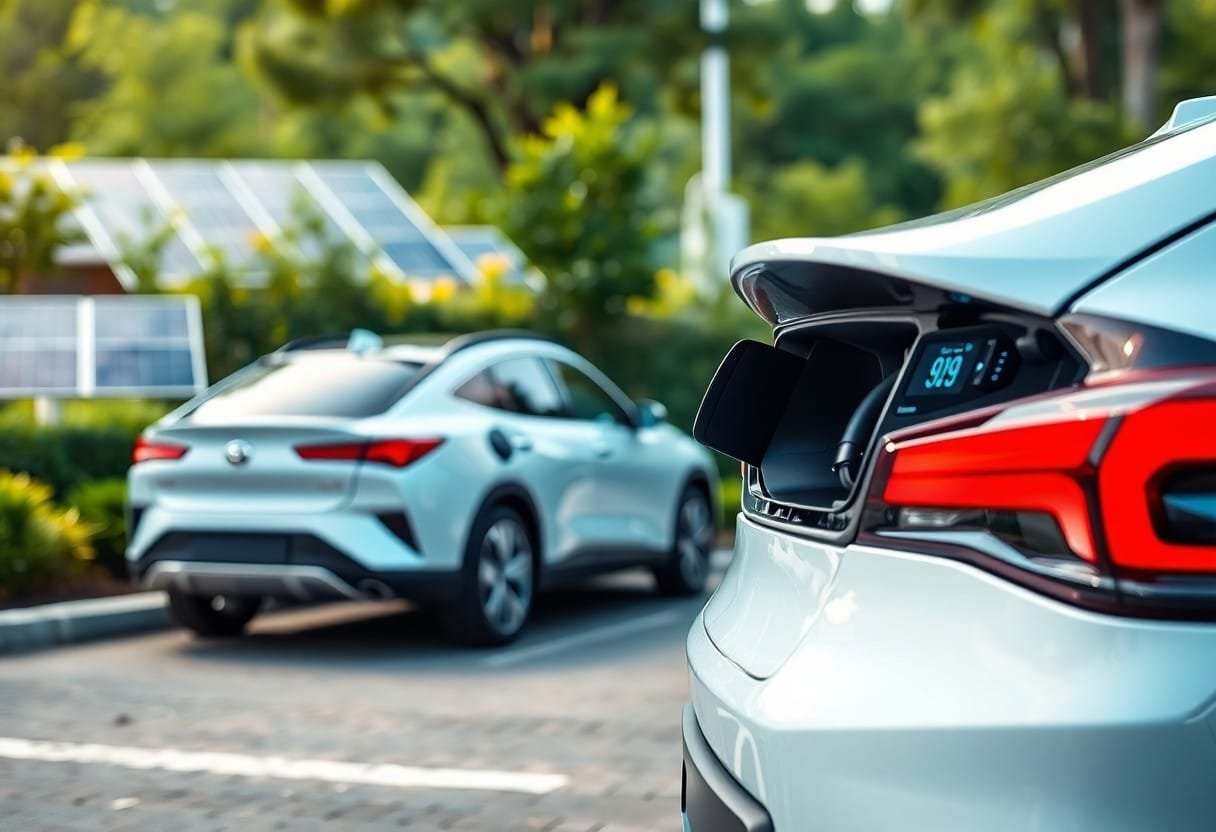
Just as you aim for greater efficiency in your daily life, the automotive industry is adopting innovative pathways to reduce vehicle emissions and improve internal combustion engine (ICE) technologies. This blog post guides you through five transformative approaches that promise to enhance sustainability while maintaining performance. By exploring these advancements, you can better understand how they impact both the environment and your driving experience, paving the way for a cleaner, more efficient future on the road.
Key Takeaways:
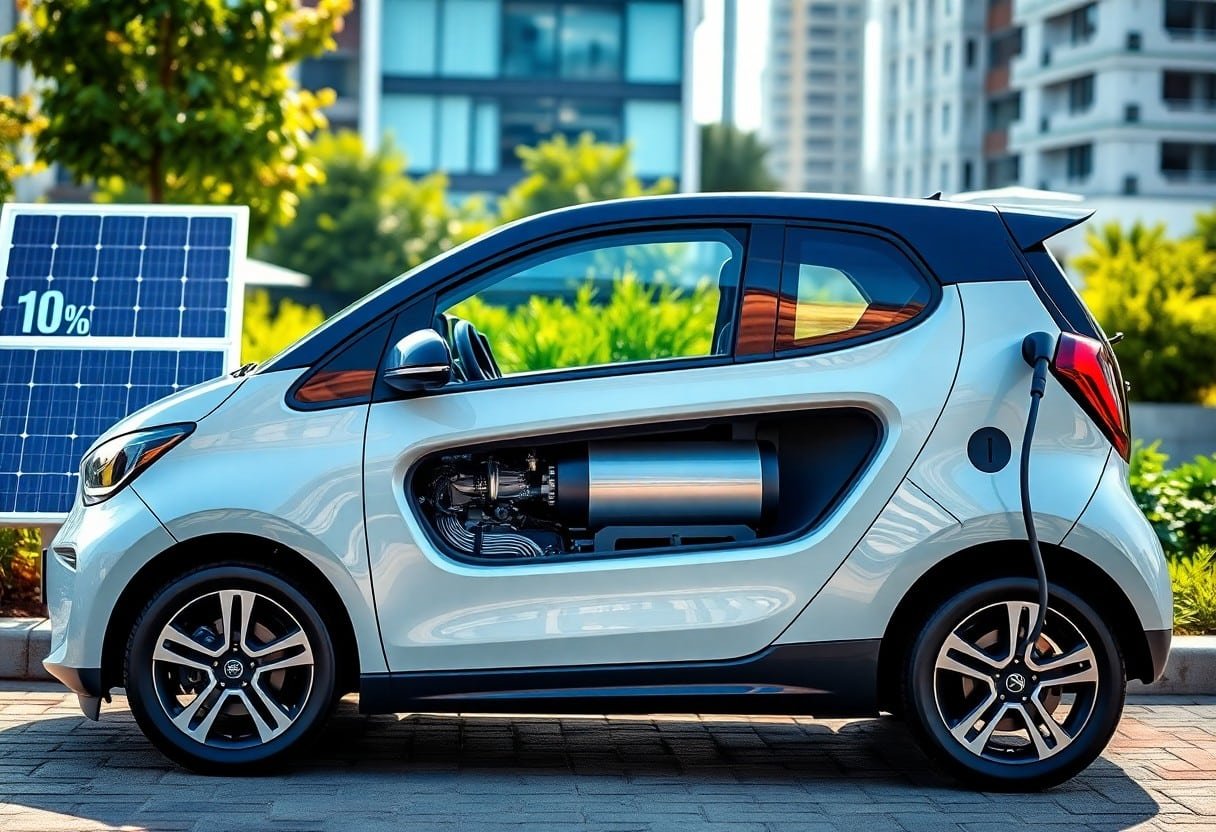
- Advanced fuel formulations and alternative fuels can significantly lower emissions from internal combustion engines (ICE).
- Innovations in hybrid technologies enhance engine efficiency while reducing overall pollutant outputs.
- Integrating artificial intelligence and data analytics enables real-time emissions monitoring and management improvements.
Overview of Vehicle Emissions
Vehicle emissions primarily stem from the combustion of hydrocarbons in internal combustion engines, releasing harmful pollutants such as nitrogen oxides (NOx), carbon monoxide (CO), particulate matter (PM), and carbon dioxide (CO2). These emissions contribute significantly to air pollution, climate change, and various health issues, necessitating a deeper understanding of their impact and management strategies.
Current Emissions Landscape
The current emissions landscape reveals that transportation accounts for approximately 29% of total greenhouse gas emissions in the United States, with light-duty vehicles contributing significantly. According to the EPA, in 2020, light-duty vehicles emitted over 1.1 billion metric tons of CO2, highlighting the urgency to innovate and implement cleaner technologies and practices.
Impact on Environment and Health
Your understanding of the impact of vehicle emissions goes beyond climate change; they play a vital role in public health issues. Exposure to pollutants from vehicle emissions is linked to respiratory diseases, cardiovascular problems, and increased mortality rates, particularly in urban areas.
This impact is stark when considering that the World Health Organization attributes millions of premature deaths annually to air pollution, with vehicle emissions being a significant contributor. Children, the elderly, and individuals with preexisting health conditions face heightened risks from these pollutants. Additionally, regions with high vehicle density experience increased rates of asthma and other respiratory illnesses, emphasizing the need for cleaner technologies and stricter emissions regulations. By adopting innovative pathways to reduce emissions, you can contribute to a healthier population and cleaner environment.
Innovative Pathway 1: Advanced Engine Technologies
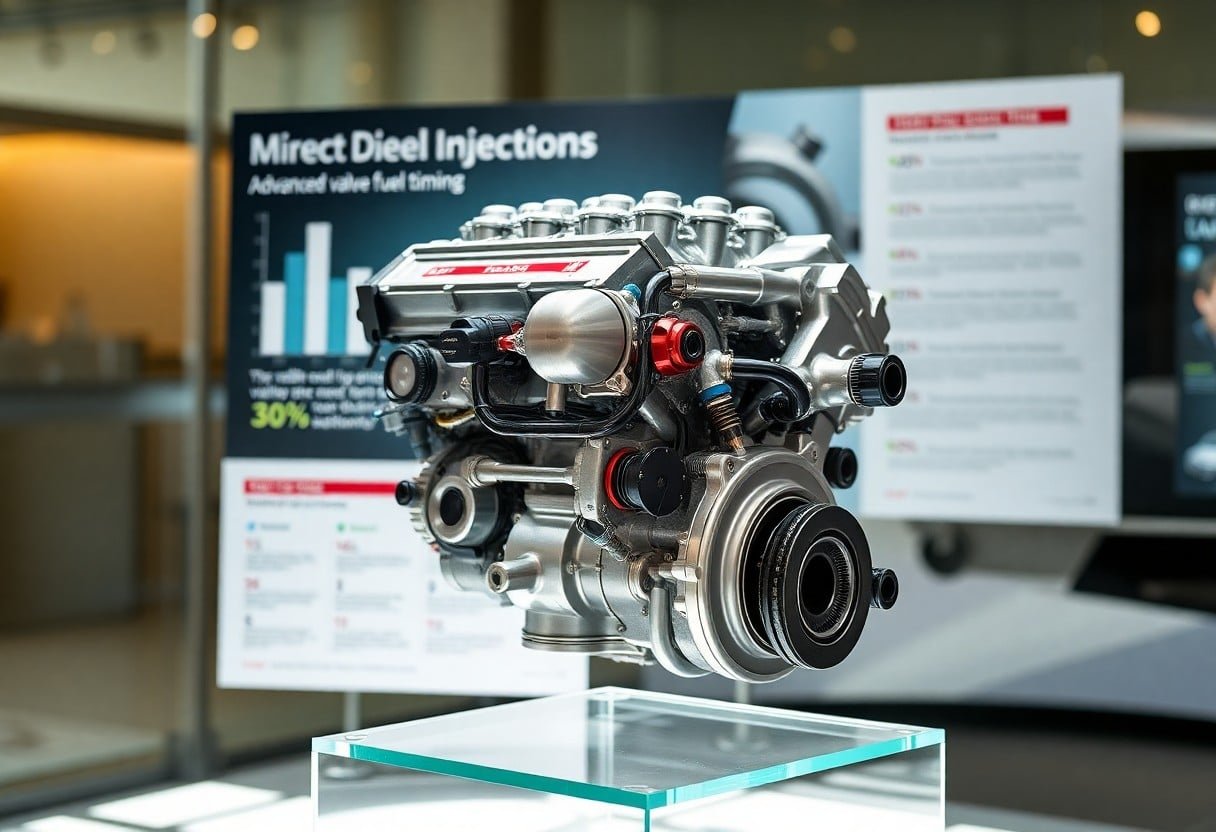
Your vehicle’s engine plays a pivotal role in its emissions profile. Innovations in engine technologies are emerging to reduce emissions, enhance efficiency, and meet regulatory standards. Today’s advancements focus on optimizing combustion processes and overall performance to help create cleaner internal combustion engines.
- Enhanced fuel injection systems improve combustion efficiency.
- Turbocharging increases engine power without increasing size.
- Variable valve timing optimizes engine breathing for different driving conditions.
- Hybridization integrates an electric motor to assist ICE and reduce fuel consumption.
- Advanced materials minimize engine friction and enhance thermal efficiency.
| Technology | Benefit |
| Turbocharging | Increases power output while reducing engine size. |
| Downsizing | Decreases fuel consumption and emissions per mile. |
Turbocharging and Downsizing
Turbocharging and downsizing allows you to enjoy a powerful engine without the excessive fuel consumption of larger engines. By forcing more air into the combustion chamber, turbochargers enhance performance while enabling smaller engines to produce comparable power. Downsizing reduces the engine size, leading to lower emissions and better fuel efficiency, striking a balance between power and environmental responsibility.
Variable Compression Ratio Engines
Variable compression ratio engines adapt their compression ratio in real-time, allowing for optimal performance under different conditions. This flexibility means you can achieve higher efficiency and lower emissions in various driving situations. By adjusting the relationship between the cylinder volume and the air-fuel mixture, these engines maximize energy extraction and minimize waste, making them a significant innovation in cleaner ICE technologies.
Variable compression ratio technology has demonstrated its potential for remarkable efficiency gains, with some systems reaching compression ratios as high as 14:1. This adaptability means you benefit from improved fuel economy during regular driving while also ensuring greater power output when needed, such as during acceleration. As automotive manufacturers refine this technology further, its implementation could lead to widespread reductions in CO2 emissions and fuel consumption, reinforcing your vehicle’s role in a cleaner future.

Innovative Pathway 2: Alternative Fuels
Alternative fuels are reshaping the automotive landscape, offering a range of choices that minimize your vehicle’s carbon footprint. These fuels can significantly reduce greenhouse gas emissions while enhancing energy security. Options like biofuels, synthetic fuels, and hydrogen provide viable alternatives, paving the way for cleaner internal combustion engines (ICE) without sacrificing performance.
Biofuels and Synthetic Fuels
Biofuels, derived from organic materials, and synthetic fuels, manufactured from natural gas or renewable resources, play a pivotal role in achieving emissions reductions. For instance, biodiesel can be blended with traditional diesel fuel to create a cleaner-burning alternative. You can find success stories in countries like Brazil, where sugarcane-based ethanol has become a mainstream fuel choice, cutting significant emissions compared to fossil fuels.
Hydrogen Fuel Technology
Hydrogen fuel technology presents an innovative avenue for performance and emissions reduction in vehicles. You can utilize hydrogen in fuel cells, where it reacts with oxygen to produce electricity, with water vapor as the only byproduct. This approach offers a high energy density, enabling longer ranges and quick refueling times. Countries like Japan and Germany are leading advancements in hydrogen infrastructure, making it increasingly accessible for consumers.
Hydrogen fuel technology not only contributes to reducing your vehicle’s emissions but also supports energy diversification. According to the Hydrogen Council, hydrogen could meet 18% of global energy needs by 2050. As the technology matures, the cost of producing green hydrogen through renewable energy sources is expected to decrease, making it a feasible option for widespread adoption. By investing in hydrogen fuel infrastructure, you’re positioning yourself at the forefront of sustainable transportation.
Innovative Pathway 3: Emission Control Systems
Emission control systems are necessary components that enhance your vehicle’s efficiency while reducing harmful pollutants. By employing advanced technologies, these systems help vehicles meet stringent regulatory standards and improve air quality. Whether through catalytic converters or particulate filters, understanding how these systems operate can significantly impact your driving experience and environmental footprint.
Catalytic Converters
Catalytic converters play a pivotal role in transforming toxic gases emitted from your vehicle into less harmful substances. They utilize a chemical reaction involving precious metals, such as platinum, palladium, and rhodium, to convert carbon monoxide, hydrocarbons, and nitrogen oxides into harmless emissions. This component is fundamental for maintaining compliance with emission regulations and ensuring cleaner air for everyone.
Particulate Filters
Particulate filters effectively trap and eliminate soot and other particulate matter from your vehicle’s exhaust. By capturing harmful particles, these filters help reduce the overall emissions that contribute to air pollution. The incorporation of particulate filters in modern diesel engines has become a standard practice, significantly lowering emissions and enhancing urban air quality.
Particulate filters are designed to capture over 90% of soot emissions from diesel engines, thanks to their advanced filtration technology. They undergo periodic regeneration, wherein accumulated soot is burned off to maintain efficiency. This not only ensures optimal engine performance but also aligns with global emission standards. As many countries tighten regulations on diesel emissions, the adoption of such filters is increasingly crucial for manufacturers and consumers alike, promoting a cleaner future on the roads.
Innovative Pathway 4: Electrification and Hybrids
Electrification and hybrid technologies present a transformative approach to reducing vehicle emissions. By integrating electric power into traditional internal combustion engines (ICE), these innovations can significantly decrease fossil fuel dependency while enhancing fuel efficiency. According to Chapter 10: Transport, embracing electrification adds not only environmental benefits but also aligns with global strategies toward sustainable mobility.
Mild Hybrids vs. Full Hybrids
Mild hybrids utilize a small electric motor to assist the gasoline engine, improving efficiency without the ability to drive solely on electric power. In contrast, full hybrids can operate on electric power alone for shorter distances while also achieving substantial improvements in fuel consumption and emissions. Understanding the distinctions helps you make informed choices regarding vehicle efficiency and emissions reduction.
Plug-in Hybrid Electric Vehicles (PHEVs)
Plug-in Hybrid Electric Vehicles (PHEVs) represent a significant leap in hybrid technology, allowing you to charge the battery via an external power source. This enables PHEVs to travel longer distances on electric power alone before the gasoline engine kicks in, resulting in drastically lower emissions during everyday driving. Many PHEVs provide an electric-only range of 20-50 miles, making them ideal for urban commuting.
For drivers, PHEVs offer flexibility and reduced range anxiety compared to fully electric vehicles, as they combine an electric motor with a traditional engine for extended travel. Models like the Toyota Prius Prime and the Ford Escape Plug-In Hybrid showcase impressive efficiency, with some achieving over 100 miles per gallon equivalent (MPGe) in electric mode. By leveraging both electric and gasoline technologies, you can enjoy the benefits of cleaner transportation while maintaining convenience.
Innovative Pathway 5: Policy and Regulatory Frameworks
Effective policy and regulatory frameworks are imperative for accelerating the transition to cleaner vehicle technologies. Governments worldwide are increasingly adopting comprehensive strategies that not only set the groundwork for emissions reductions but also incentivize innovation within the automotive sector. Through collaboration with industry stakeholders, these frameworks aim to establish a balance between environmental protection and economic growth, fostering a sustainable future for transportation.
Incentives for Cleaner Technologies
Offering financial incentives can promote the adoption of cleaner technologies among vehicle manufacturers and consumers alike. Tax credits, grants, and rebates play a vital role in offsetting the higher upfront costs associated with developing and deploying advanced low-emission vehicles. By encouraging investments in research and development, these incentives also stimulate market competition, leading to greater choice and reduced prices for environmentally-friendly options.
Stricter Emission Standards
Enforcing stricter emission standards is a powerful tool for minimizing vehicle pollutants. Regulatory bodies impose limits on emissions from new vehicles to drive advancements in technology and compliance. These standards can vary significantly by region, with the European Union and California often leading the way with some of the most stringent requirements globally. As manufacturers adapt to these regulations, they are pushed to innovate, ultimately benefiting public health and the environment.
One example of stricter emission standards in action is the EU’s Euro 6 norm, which mandates that new cars emit no more than 80 mg/km of nitrogen oxides (NOx) from diesel vehicles. With such limits in place, manufacturers have accelerated the development of cleaner diesel engines and alternative technologies. In the U.S., California’s regulations have led to the wider adoption of zero-emission vehicles and advanced powertrains. The continuous refinement of these standards ensures that you benefit from cleaner air and significant public health improvements as the automotive industry evolves.
Final Words
Now that you understand the five innovative pathways to vehicle emissions reduction and the development of cleaner internal combustion engine (ICE) technologies, you can appreciate the potential for significant impact. By applying these strategies, you can contribute to a more sustainable automotive future. Embracing advanced fuels, hybrid systems, and other emerging technologies not only enhances efficiency but also aligns with global environmental goals. Your involvement in these initiatives will help pave the way for cleaner air and a healthier planet.