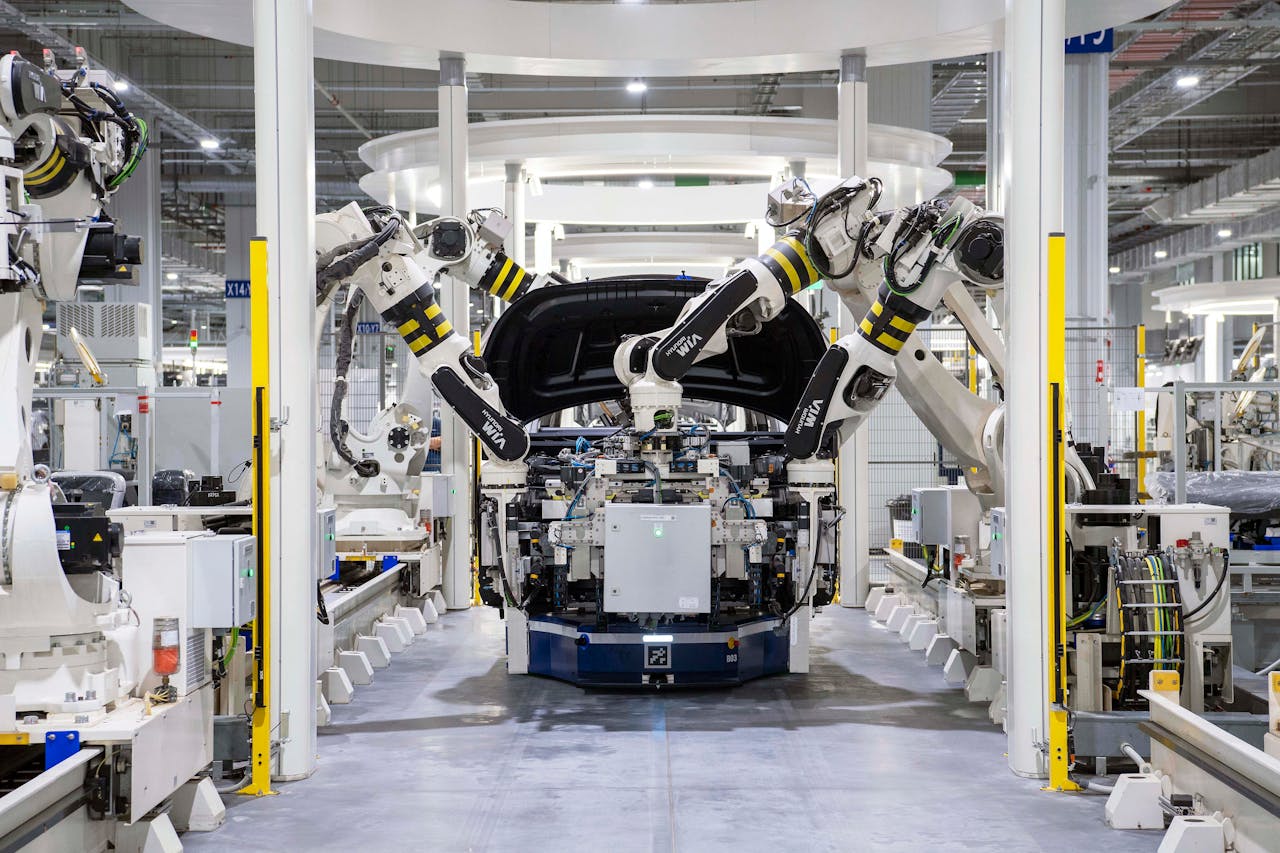

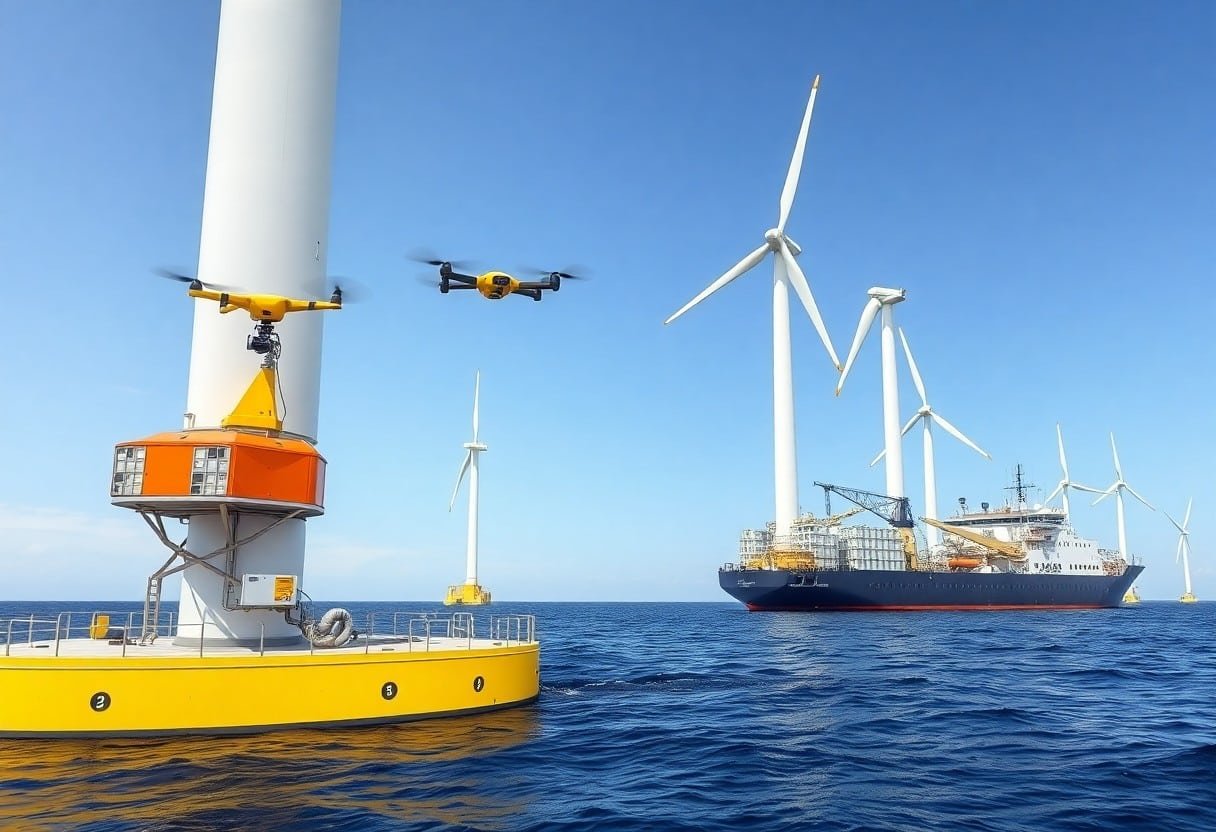
There’s a set of actionable strategies you can implement to accelerate sustainable energy via wind innovation: optimizing turbine design, integrating smart-grid solutions, investing in offshore and distributed wind projects, improving storage and predictive maintenance with AI, and shaping policy and financing to scale deployment – all guided by data-driven decision making so you can maximize efficiency, reliability, and benefits for your community.
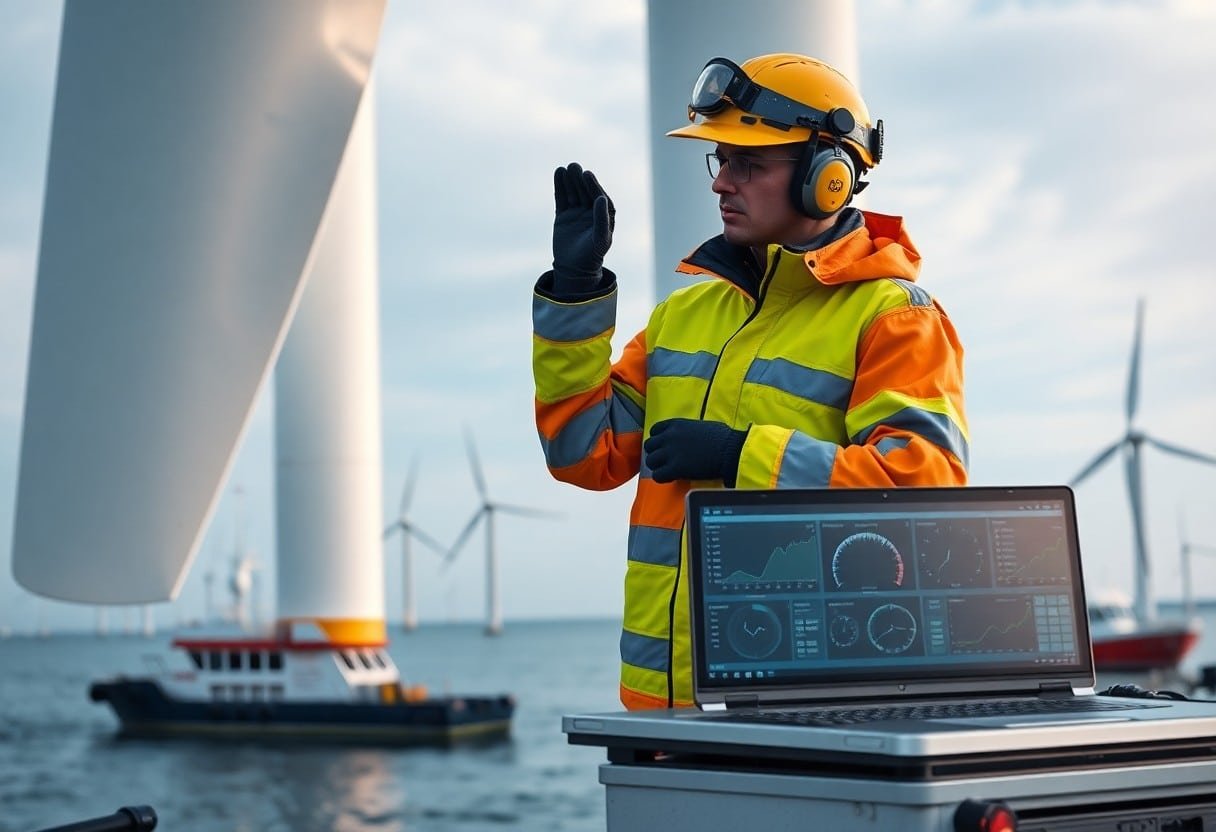
Key Takeaways:
- Improve turbine performance with next‑generation designs, advanced materials, and AI-driven controls to raise capacity factor and cut costs.
- Combine wind with storage, demand response, and enhanced transmission to increase grid flexibility and enable higher renewable penetration.
- Speed deployment through supportive policy, streamlined permitting, community engagement, and international R&D partnerships to lower barriers and accelerate learning.
The Importance of Sustainable Energy
Your continued focus on sustainable energy accelerates emissions reductions and system resilience: wind’s lifecycle emissions sit around 3-12 gCO2/kWh versus coal’s ~800-1,000 gCO2/kWh, so deploying high-capacity-factor sites (35-50% offshore) delivers immediate carbon savings and stabilizes fuel exposure for grids and markets adapting to more intermittent supply.
Environmental Impact
You cut air pollution and greenhouse gases directly-one 1 MW turbine at 35% capacity offsets roughly 2,500 tonnes of CO2 annually compared with coal, while also lowering NOx and SOx that drive health costs; effective micro-siting, seasonal curtailment during migration, and radar-assisted shutdowns help you minimize wildlife impacts without losing the bulk of emission benefits.
Economic Benefits
Falling technology and financing costs make wind competitive with new thermal generation in many regions, with LCOE reductions of roughly 40-60% over the past decade depending on market; you gain predictable revenue streams, often via 10-25 year PPAs, plus job creation in construction, O&M, and supply chains that strengthens local economies.
Digging deeper, you see real-world proof: in ERCOT wind now supplies about a quarter of electricity, easing wholesale price spikes during windy periods, and UK auctions produced strike prices near £40/MWh in 2019, illustrating procurement-driven cost declines. You also capture stable cash flows attractive to institutional investors through long-term contracts, local tax receipts, and land-lease payments that together improve project bankability.
Technological Innovations in Wind Energy
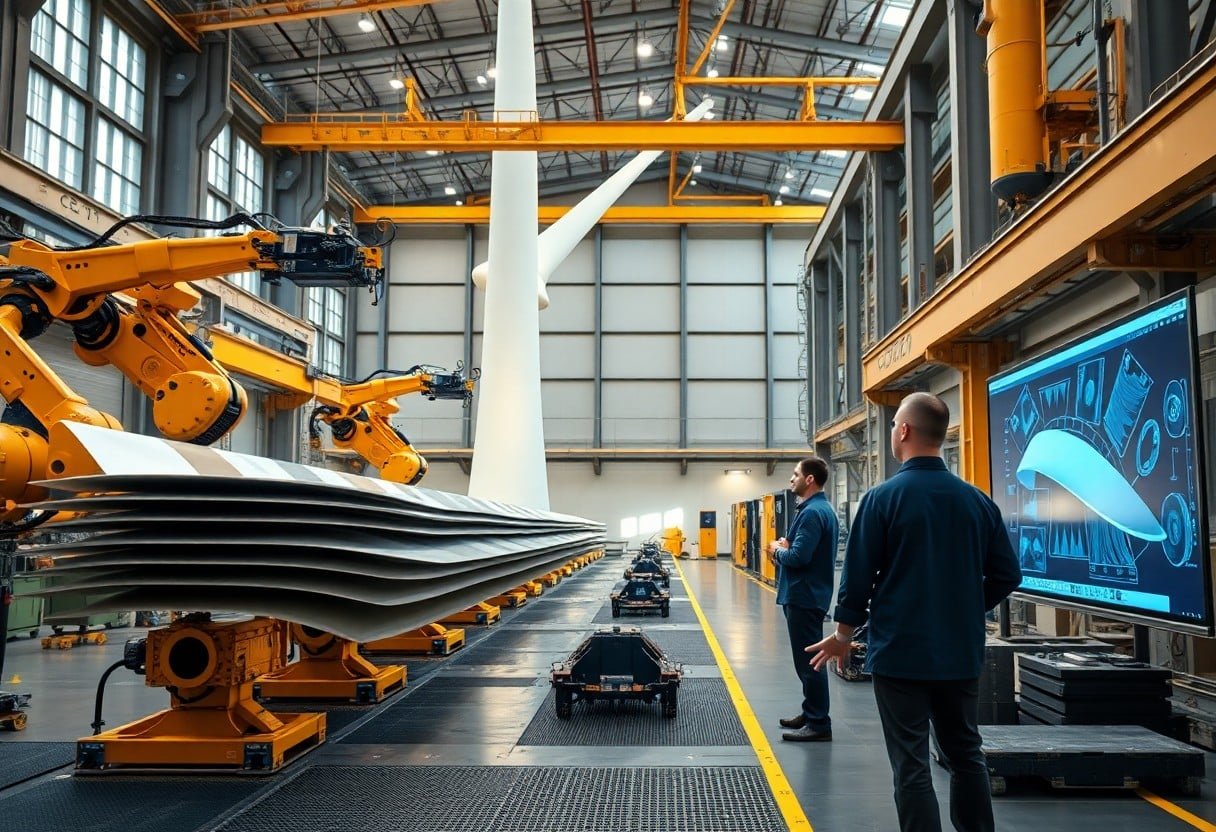
As you track rapid advances, novel turbine scales and digital controls are lifting capacity factors and lowering LCOE; offshore units now exceed 12-15 MW and rotors top 230 m, while integrated forecasting and grid services improve dispatchability – see Wind resources for context and deployment data you can use in planning.
Advanced Turbine Designs
Manufacturers like GE and Vestas push you toward higher yields with machines such as the 12 MW Haliade-X and the V236‑15.0 MW, using 100+ m blades, direct‑drive generators, and lightweight carbon composites to raise swept area and reduce maintenance intervals, delivering 30-50% higher annual energy production offshore versus older models.
- Ultra‑large rotors increase swept area and energy capture per turbine.
- Direct‑drive and hybrid drivetrain reduce gearbox failures and downtime.
- Digital condition monitoring enables predictive maintenance and uptime gains.
Design Feature – Impact
| Ultra‑large rotors (200-236 m) | +30-50% AEP offshore, higher low‑wind output |
| Direct‑drive generators | Lower O&M, longer service life, fewer gearbox replacements |
| Blade materials (carbon composites) | Weight reduction, increased fatigue life, transport challenges |
Energy Storage Solutions
You can pair wind with a range of storage: lithium‑ion batteries (short‑duration) for fast frequency response, pumped hydro for bulk seasonal shifting, and hydrogen for long‑duration balancing; projects like Hornsdale (150 MW/193.5 MWh) have demonstrated sub‑second response and market revenues that improve project economics.
For scale, pumped hydro still delivers the largest dispatchable capacity worldwide (multi‑GW sites such as Dinorwig at ~1.7 GW), while flow batteries and power‑to‑hydrogen pilots (MW‑scale electrolyzers co‑located with wind farms) are maturing to provide 4-100+ hour storage, giving you options to firm output, capture high‑value hours, and meet capacity‑credit targets.
Policy and Regulatory Framework
Incentives for Wind Energy Development
You can leverage tax credits, feed-in tariffs, competitive auctions and targeted grants to lower project risk and mobilize capital. The U.S. Production Tax Credit and Germany’s EEG historically unlocked tens of gigawatts of capacity, while auction-driven procurement in Europe and Latin America compressed prices and improved contract certainty. Blending local revenue-sharing and green bonds further strengthens bankability and community buy-in.
Overcoming Legislative Barriers
You must address protracted permitting, fragmented interconnection rules and local opposition that often add 2-5 years to timelines and increase financing costs. Harmonizing zoning standards, creating clear interconnection milestone timelines, and adopting standard lease and environmental templates reduces legal exposure and attracts institutional investors.
You should push for one-stop permitting offices, statutory deadlines with deemed approvals, and mandatory queue reforms to speed grid access. Pairing those reforms with model PPAs, community benefit agreements, and data-driven wildlife mitigation (radar-based curtailment) lowers litigation risk. New York’s Office of Renewable Energy Siting shortened many approvals toward a 12-month target, while Denmark’s community-ownership approach improved local acceptance.
Community Engagement and Education
You should prioritize transparent, practical outreach-publish real‑time turbine performance dashboards, fund school STEM modules, and host open‑site days tied to community benefit programs. Case studies like Middelgrunden (a 20 MW cooperative outside Copenhagen) and Samsø (which reached 100% renewable electricity for the island) show how ownership and education boost acceptance. For broader strategic context, consult Top 10 Growth Opportunities in Power Generation & ….
Raising Public Awareness
You can drive support by combining data transparency with immersive experiences: install visual telemetry kiosks at visitor centers, run quarterly town halls, and deploy targeted social campaigns that translate capacity, capacity factors, and expected household offsets into relatable metrics. Examples: Middelgrunden’s cooperative used public reporting to increase local investment, and Samsø’s school programs connected curriculum to island‑wide renewables, both reinforcing long‑term social license.
Involving Local Stakeholders
You should structure projects so locals have a voice and stake-offer cooperative shares, community benefit funds, and procurement clauses for local firms. Early investment in advisory committees and legally binding benefit agreements prevents disputes and channels revenues into tangible neighborhood priorities like roads, training, or broadband.
Operationalize this by mapping stakeholders (landowners, municipalities, unions, indigenous groups), setting measurable local‑hire and procurement targets, and signing community benefit agreements with timelines and KPIs. Use interim metrics-number of apprenticeships created, percentage of contracts awarded locally, annual community fund payouts-to report progress; Middelgrunden’s cooperative governance model and Samsø’s municipal coordination provide replicable templates for binding, accountable participation.
Future Trends in Wind Energy
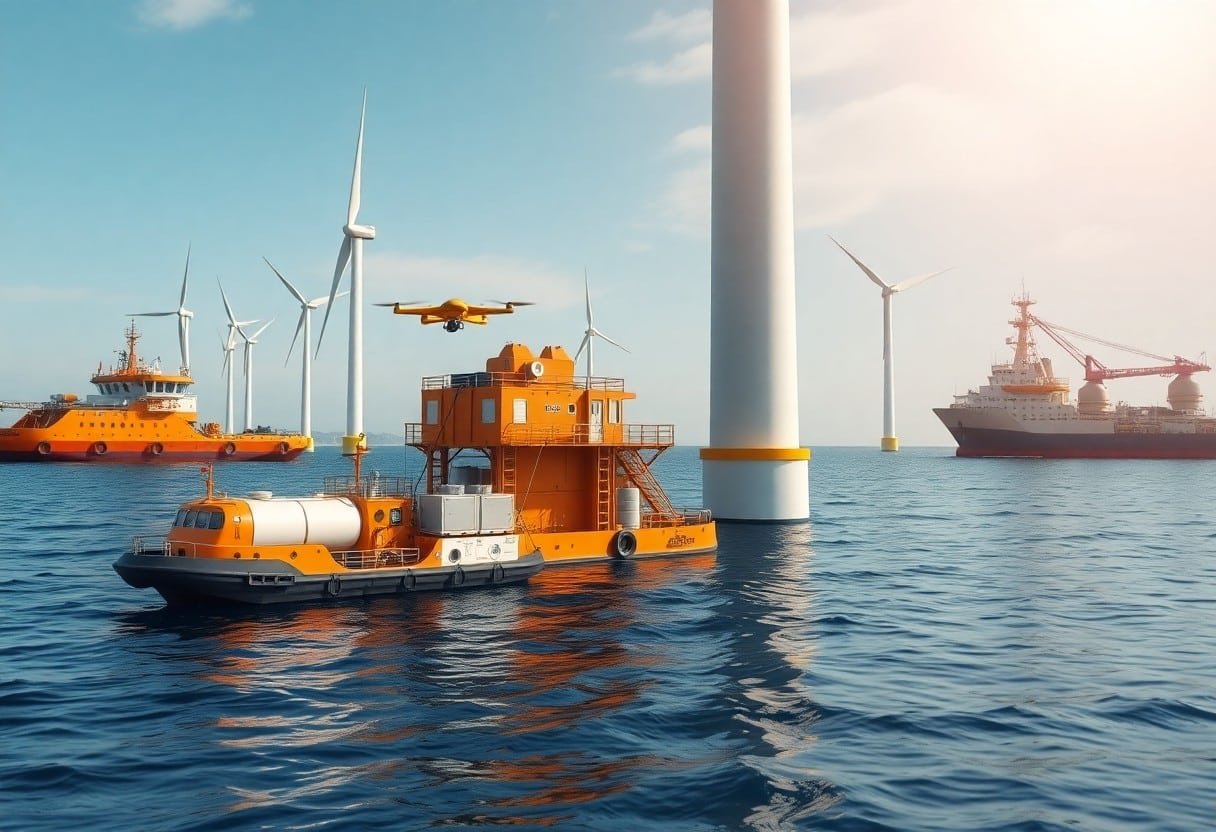
You will see rapid scaling of turbine size and scope: manufacturers are pushing 12-15+ MW rotors (GE Haliade-X, Vestas V236) while floating platforms like Hywind (30 MW) and WindFloat (25 MW) unlock deeper sites; repowering aging fleets and digital twins cut LCOE further, and hub-scale projects such as Dogger Bank (3.6 GW planned) and Hornsea One (1.2 GW) shift the market toward utility-scale, grid-integrated wind that competes directly with fossil baseload.
Offshore Wind Expansion
You should expect offshore capacity to concentrate in large clusters: Dogger Bank aims for 3.6 GW, Hornsea One already at 1.2 GW, and Vineyard Wind delivers ~804 MW in the U.S.; simultaneously, floating tech lets you develop Atlantic and Pacific deep-water sites, while 12-15 MW turbines raise capacity factors into the 40-50% range, making previously marginal areas commercially viable and enabling cross-border DC grids and merchant power exports.
Integration with Other Renewable Sources
You can reduce curtailment and firm output by pairing wind with solar, batteries, and electrolyzers: hybrid projects and the North Sea Wind Power Hub concept optimize DC links and shared platforms, and German AquaVentus targets ~10 GW of offshore wind-to-hydrogen to provide seasonal storage and industrial fuel, turning intermittent wind into dispatchable energy and new market products.
You will implement integration through co-located MW-to-GW electrolyzers for hydrogen, utility-scale batteries for minute-to-hour smoothing, and smart dispatch using AI for market stacking; subsea DC hubs let you route surplus to neighboring grids or hydrogen plants, batteries handle frequency response while hydrogen stores seasonal surplus, and pilots like AquaVentus and North Sea Hub studies show this hybrid architecture can improve asset utilization and open new revenue streams for your projects.
Case Studies of Successful Wind Projects
You can draw concrete guidance from major deployments: Hornsea One (UK) supplies ~1.2 GW from 174 turbines since 2019, Gansu (China) has grown to roughly 8 GW of onshore capacity in phased builds, and Alta Wind (USA) operates ~1.5 GW of utility-scale onshore capacity. For tech and market context consult Top 10 Wind Energy Trends & Innovations.
- 1) Hornsea One (UK) – ~1.2 GW, 174 turbines, online 2019; provides large-scale offshore baseload to 1+ million homes and demonstrates centralized O&M logistics.
- 2) Gansu Wind Farm (China) – ~8 GW installed across multiple phases; showcases rapid onshore scaling and grid integration challenges in high-curtailment regions.
- 3) Alta Wind Energy Center (USA) – ~1.5 GW (operational early 2010s); highlights portfolio-style project aggregation to lower LCOE.
- 4) Gemini Offshore (Netherlands) – 600 MW, commissioned late 2010s; example of consortium financing and competitive tender success.
- 5) Borssele 1&2 (Netherlands) – 752 MW, online 2020; notable for low strike prices and accelerated permitting-to-construction timeline.
- 6) Walney Extension (UK) – 659 MW, online 2018; demonstrates modular turbine deployment and lessons in heavy-lift logistics.
- 7) Roscoe Wind Farm (USA) – ~781 MW; illustrates utility-scale onshore land-leasing models and transmission upgrades to accommodate output.
Leading Countries in Wind Innovation
You should watch national leaders: China now tops with well over 300 GW of installed wind capacity, the US follows near ~140 GW, Germany holds ~60 GW, and the UK leads offshore with ~14 GW; Denmark and the Netherlands punch above their weight on per-capita deployment and turbine technology adoption.
Lessons Learned from Implementation
You will find recurring themes: permitting often stretches projects by 2-5 years, grid upgrades are a frequent hidden cost, and early community engagement plus transparent benefit-sharing materially reduces delays and litigation risk.
Further, you should apply phased deployment to de-risk supply-chain and grid constraints; using condition-based monitoring and predictive analytics has delivered double-digit reductions in unplanned downtime for many operators, and bundling projects can cut financing costs. Prioritize standardized contracts and local content plans to shorten lead times and secure social license while planning transmission reinforcement early to avoid curtailment losses.
To wrap up
Considering all points, you can accelerate sustainable energy by prioritizing turbine efficiency, grid modernization, scalable storage, supportive policy, and community engagement; integrating digital optimization, offshore expansion, and circular manufacturing strengthens resilience and cost-effectiveness, enabling your projects to deliver reliable, decarbonized power at scale while attracting investment and public support.