
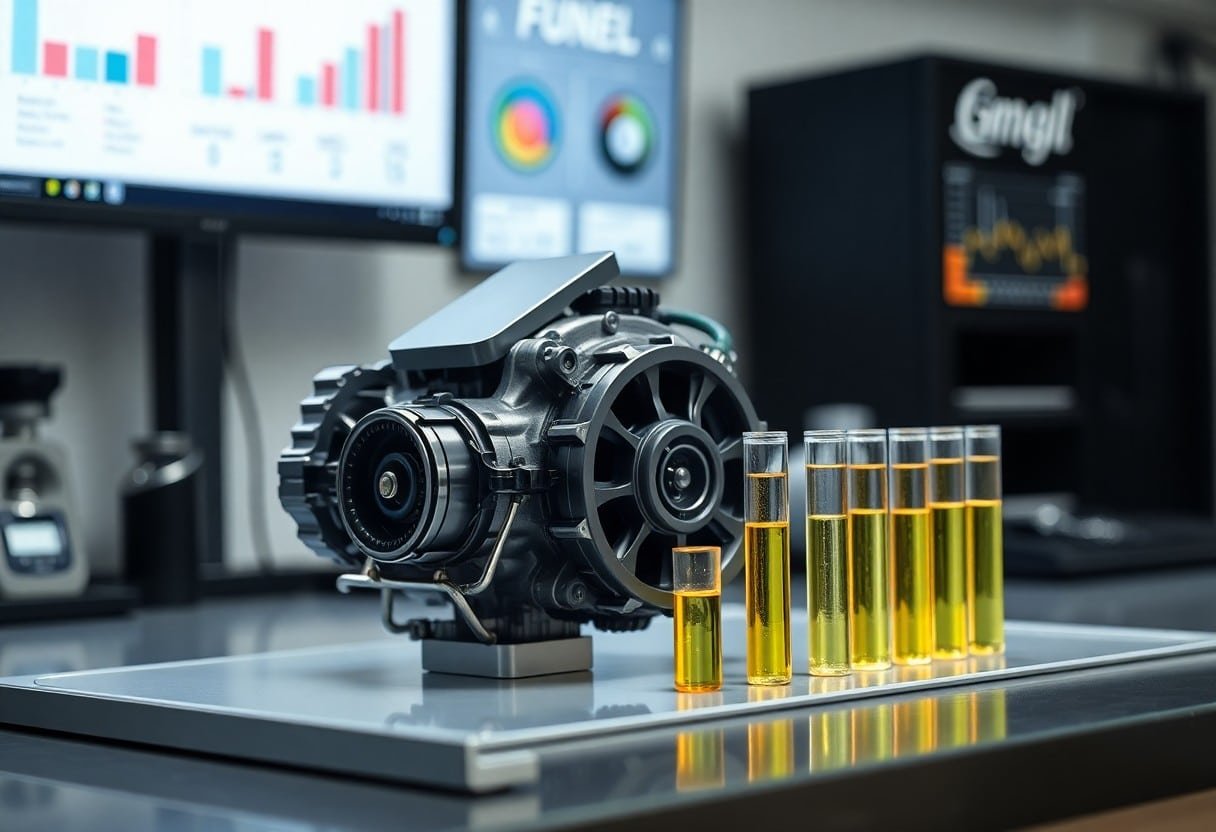
Decarbonization in the automotive industry is reshaping how you view engines and fuel sources. As environmental concerns rise, innovations in technology and fuel efficiency are paving the way for a new era in transportation. This post examines emerging trends in engine decarbonization and the latest advancements in fuel innovation, providing you with insights that can impact your perspective on automotive sustainability and performance for years to come.
Key Takeaways:
- Emerging technologies are reshaping engine decarbonization strategies, focusing on sustainable fuels and electrification.
- Regulatory frameworks are increasingly driving innovation in fuel efficiency and emissions reduction, influencing automotive design and manufacturing processes.
- Collaboration among industry stakeholders is imperative for accelerating the transition to greener alternatives and achieving long-term sustainability goals.
The Current State of Engine Decarbonization
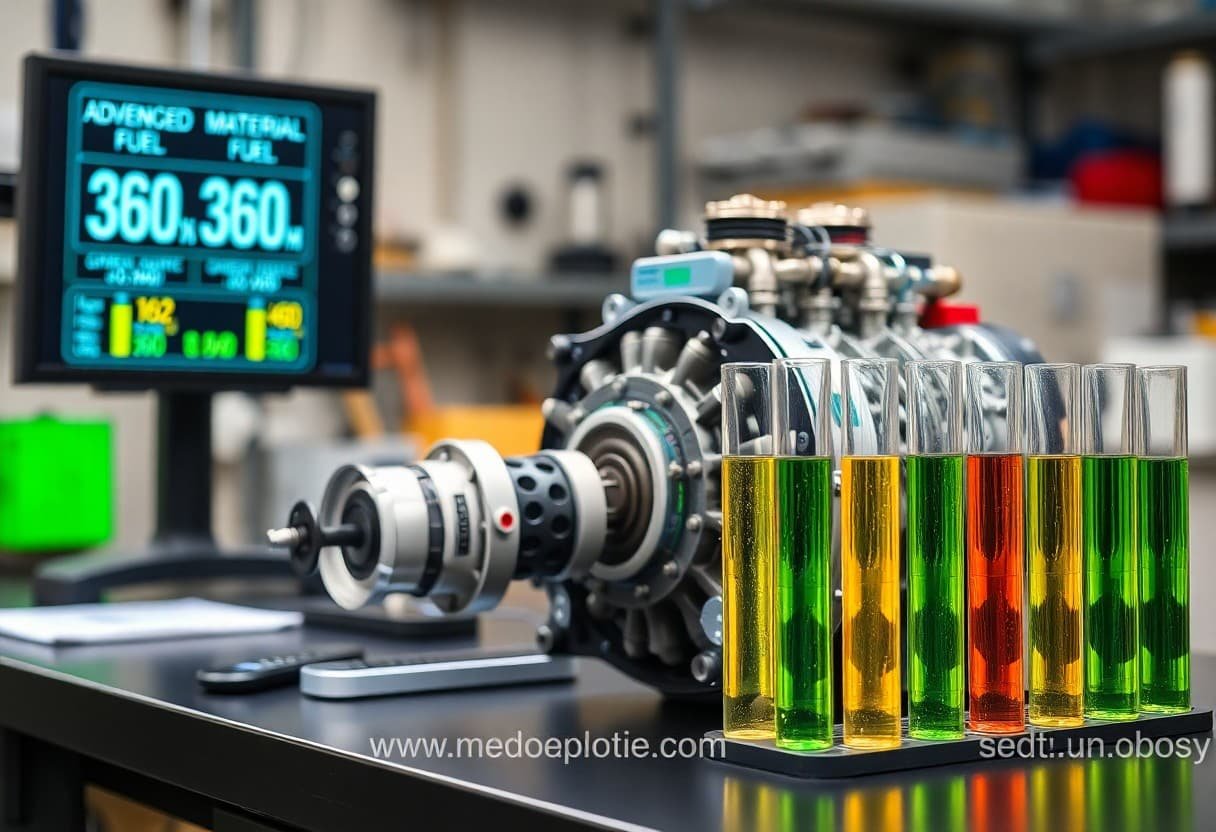
Your understanding of engine decarbonization will benefit from recognizing its mixed progress. While some manufacturers are advancing their electric vehicle (EV) lineups, others are investing heavily in hybrid technologies and biofuels. The push for cleaner alternatives is not only driven by environmental concerns but also by consumer demand for more sustainable transportation solutions. With innovative concepts like hydrogen fuel cells gaining traction, the automotive sector is on a path toward significant transformation.
Overview of Emission Regulations
You should be aware that global emission regulations are tightening, pressuring manufacturers to lower harmful outputs significantly. The European Union has set ambitious targets, aiming for a 55% reduction in CO2 emissions from new cars by 2030. In the United States, the Environmental Protection Agency is proposing stricter standards, which could affect the design and technology choices made by automakers to remain compliant.
Key Players in the Decarbonization Effort
The decarbonization effort involves a diverse group of stakeholders, including automakers, government agencies, and technology firms. Major players such as Tesla, Ford, and Volkswagen lead the charge by committing to ambitious EV goals and exploring alternative fuel sources. Partnerships with tech companies enhance your options for innovative solutions, ensuring a competitive environment that fosters rapid advancements in decarbonization technologies.
Automakers like Tesla and Ford have made significant strides through proactive policies and robust R&D programs, promoting a market shift towards sustainable energy vehicles. The California Air Resources Board (CARB) plays a pivotal role in establishing regulatory frameworks that push for reduced emissions. Meanwhile, collaborations with battery and fuel technology innovators open up new avenues for integrating cleaner energy into conventional engines, thereby enhancing your choices for a decarbonized future. Companies like Plug Power are also pioneering hydrogen solutions, expanding the competitive landscape further.
Innovative Fuel Alternatives
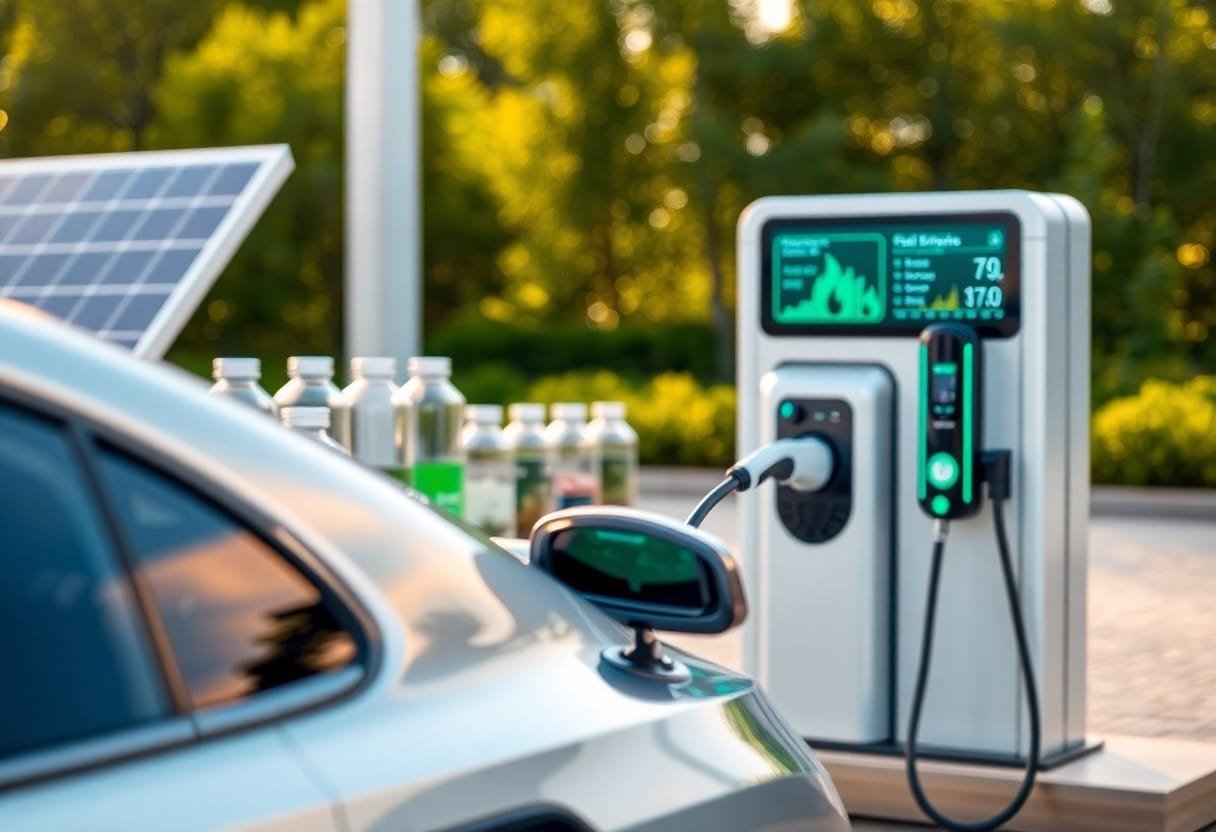
As the automotive industry pivots towards cleaner solutions, innovative fuel alternatives are playing a pivotal role. You’ll see biofuels, hydrogen, and synthetic fuels emerging as front-runners in this new landscape, each with unique advantages and challenges. These advancements not only promise significant reductions in carbon emissions but also offer flexibility in existing infrastructure and vehicle technology, ensuring a smoother transition away from traditional fossil fuels.
Biofuels and Their Potential
Biofuels are derived from organic materials, such as plants and waste, presenting a renewable alternative to fossil fuels. You can find various types of biofuels, including biodiesel and bioethanol, which can be blended with conventional fuels to reduce emissions. Studies have shown that advanced biofuels could potentially reduce greenhouse gas emissions by more than 80% compared to traditional gasoline. Their widespread adoption could be pivotal in achieving global emissions targets.
Hydrogen as a Game Changer
Hydrogen fuel stands out as a promising alternative, particularly for heavier vehicles and those requiring rapid refueling. You might appreciate that hydrogen fuel cells emit only water vapor, making them an incredibly clean energy source. The automotive sector is advancing rapidly with manufacturers like Toyota and Hyundai investing heavily in hydrogen technology, positioning it as a potential leader in decarbonization.
With hydrogen, your vehicles can enjoy rapid refueling times and significant driving ranges comparable to gas-powered cars. The development of a hydrogen infrastructure is crucial, with countries like Japan and Germany establishing networks of fueling stations. In the U.S., initiatives are underway to expand these networks, highlighting hydrogen’s potential to reduce reliance on fossil fuels. Moreover, advancements in electrolysis and fuel cell technology are driving costs down, making hydrogen a more viable option for mass-market vehicles. Embracing hydrogen means tapping into a sustainable energy source that can reshape how we think about automotive fuel for decades to come.
Electric Vehicles and Their Impact
The rise of electric vehicles (EVs) is transforming the landscape of the automotive industry, significantly influencing emission reduction efforts. As you adopt EVs, you’re not just embracing a shift in technology; you’re participating in a broader movement toward sustainable transportation solutions. Various automotive companies are now focusing on sustainability strategies, as outlined in How to make automotive companies sustainable, enhancing their commitment to a cleaner future.
Battery Technology Advancements
Recent innovations in battery technology are reshaping the EV landscape, making electric vehicles more feasible for everyday users. With advancements such as solid-state batteries and increased energy density, manufacturers are developing batteries that provide longer ranges and shorter charging times. As you consider your next vehicle, these technological improvements make EVs an increasingly attractive option.
Infrastructure Challenges
While the transition to electric vehicles offers significant benefits, the existing infrastructure presents notable challenges. Charging networks need expansion to accommodate growing EV adoption and assure convenience for users.
As you’ve likely seen, the current EV charging infrastructure is lagging, particularly in rural areas. Many regions face a sparse network of charging stations, hindering long-distance travel and daily usability. Analysts predict that for widespread EV adoption, the number of public charging stations must grow exponentially-estimates suggest a need for upwards of 10 million charging points globally by 2030. Addressing these infrastructure gaps will be paramount for supporting not only the automotive industry’s sustainability goals but also your personal transition to electric vehicles.
The Role of Government and Policy
Your engagement with the automotive industry’s future hinges significantly on government policies that drive decarbonization. Regulatory frameworks worldwide are increasingly reinforcing emissions standards while promoting clean technologies. Policies like the Green Deal in Europe or the Inflation Reduction Act in the U.S. are pivotal in shaping investments and innovations in the sector. By establishing targets for net-zero emissions and enhancing fuel efficiency, governments are not merely guiding industry practices; they’re steering the entire automotive landscape towards sustainability.
Incentives for Clean Technology
Incentives play a fundamental role in your decision-making process regarding the adoption of clean technologies. Governments are offering substantial tax credits, rebates, and grants to both manufacturers and consumers to foster the switch to electric vehicles and alternative fuels. For example, the U.S. offers a tax credit of up to $7,500 for eligible electric vehicles, while various states provide additional incentives to sweeten the deal. These financial incentives not only reduce the upfront costs of new technologies but also encourage more extensive research and development within the automotive sector.
International Collaboration Efforts
International collaboration is imperative for advancing decarbonization strategies on a global scale. Agreements like the Paris Agreement emphasize cooperation among countries to achieve emissions reduction targets. Various nations are sharing research, technology, and funding to accelerate the development and deployment of clean fuel alternatives. You will find that joint initiatives, including the Clean Energy Ministerial, allow countries to collaborate on best practices, thereby fostering innovation and enabling scalable solutions that transcend borders.
The benefits of international collaboration in the automotive industry extend beyond mere emissions targets; they nurture a shared innovation ecosystem. For instance, Japan and the European Union have partnered to advance hydrogen fuel cell technology, pooling resources to streamline production and lower costs. This cooperation has led to significant advancements, including the establishment of a global hydrogen supply chain. As nations unite their efforts, the pace of technological advancement accelerates, creating synergies that would be unattainable in isolation. By aligning policy frameworks and sharing breakthroughs, we’re constructing a roadmap for a cleaner, more sustainable automotive future.
Challenges and Barriers to Adoption
Adopting new engine technologies comes with significant hurdles that impede progress. You face complex regulatory landscapes, high research and development costs, and the electric vehicle (EV) infrastructure that is still in its infancy. Additionally, automakers are often reluctant to invest in technologies that do not align with traditional automotive models, creating a cycle of stagnation. Moreover, achieving economies of scale is difficult for emerging technologies, hindering widespread implementation.
Economic Considerations
Economic factors play a pivotal role in the transition to decarbonized engine solutions. You must consider the upfront costs associated with the research, development, and production of alternative fuels and technologies. While long-term benefits suggest cost savings and emission reductions, initial investments can deter automakers from making the shift. Furthermore, volatile fuel prices and fluctuating consumer demand add layers of financial uncertainty that affect your strategic decisions.
Consumer Perception and Acceptance
Your acceptance of new technologies significantly influences their adoption rate in the automotive sector. Many potential buyers harbor skepticism about alternative fuel vehicles, often citing concerns over performance, reliability, and long-range capabilities. As automakers innovate, understanding your perceptions becomes paramount for market success. Consumer education initiatives and marketing strategies that highlight the benefits and practicality of these new technologies can help allay fears and drive acceptance.
Studies show that over 60% of consumers are interested in alternative fuel vehicles, yet many remain apprehensive due to misconceptions. For instance, you might believe that electric vehicles require extensive charging times, but advancements in fast-charging technologies are rapidly decreasing those concerns. Addressing your perceptions through targeted communication and showcasing real-world performance can bridge the gap between skepticism and acceptance, ultimately influencing your purchasing decisions and encouraging broader market adoption. Understanding your priorities-such as cost, sustainability, and convenience-will help shape the direction of innovations within the industry.
Future Trends in Automotive Innovation
Anticipating the evolution of the automotive landscape reveals a focus on cutting-edge technologies that prioritize efficiency and sustainability. From advancements in electric powertrains to the integration of artificial intelligence, you can expect extraordinary shifts in vehicle capabilities and user experiences. These innovations will not only enhance performance but also align with global decarbonization goals.
Predictive Technologies and Smart Engines
Leveraging predictive analytics, smart engines are anticipated to significantly enhance vehicle performance and efficiency. By analyzing real-time data, these systems can adjust parameters for optimal operation. For instance, your vehicle might adjust fuel delivery and ignition timing based on driving habits, ensuring reduced emissions and better fuel economy.
Sustainable Manufacturing Practices
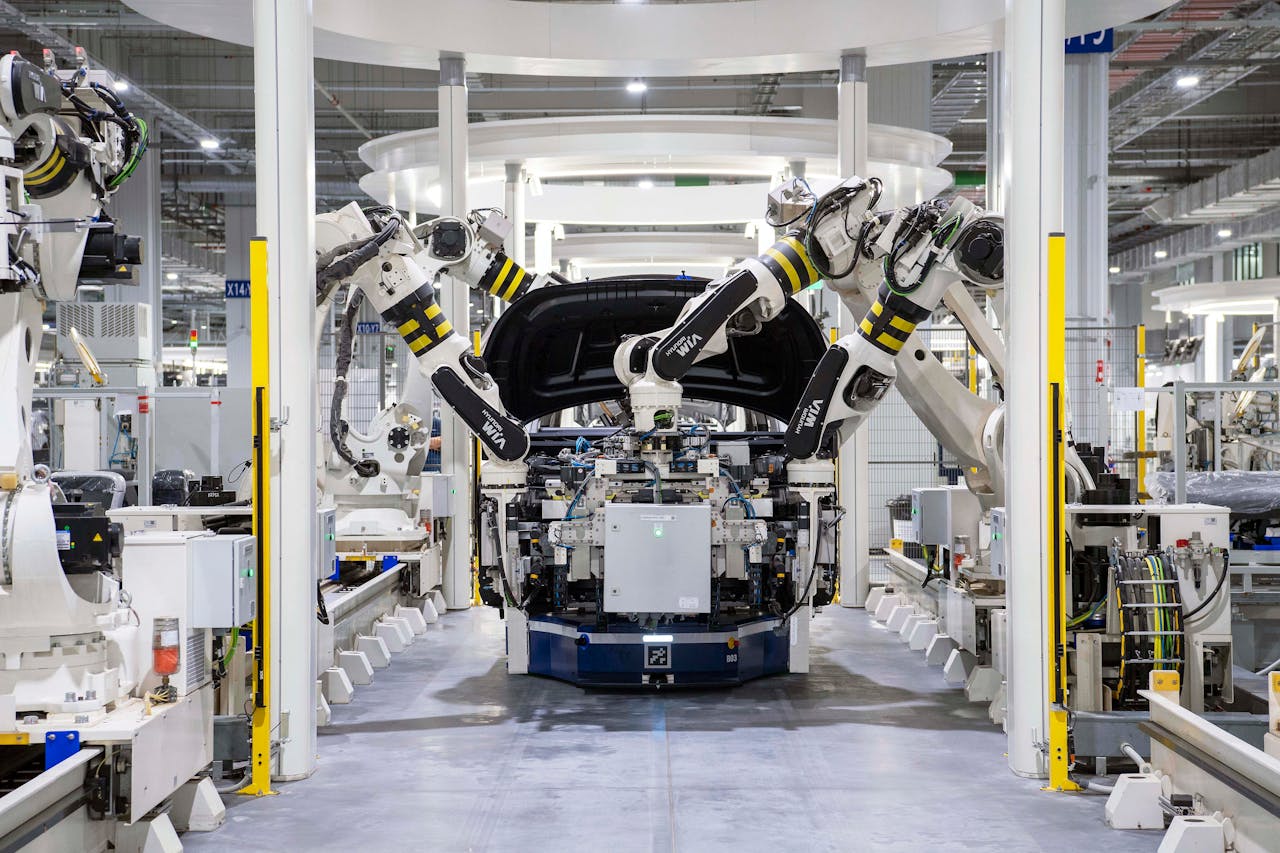
Manufacturers are increasingly adopting sustainable practices that minimize environmental impact. By implementing closed-loop systems and utilizing renewable energy sources, you can expect manufacturers to significantly reduce their carbon footprint. This shift not only fosters a more responsible production cycle but also meets growing consumer demand for eco-friendly vehicles.
Sustainable manufacturing practices focus on reducing waste and energy consumption throughout the production process. For example, some companies have committed to using recycled materials in up to 30% of their vehicle components. Additionally, factories powered by solar and wind energy are becoming mainstream, with notable automakers aiming for net-zero emissions by 2030. These efforts contribute not only to cleaner production methods but also offer customers products that reflect their values, aligning with their desire for responsible consumption in the automotive space. As these practices gain traction, you can expect a significant transformation in the industry’s approach to sustainability.
To wrap up
Hence, as you navigate the evolving landscape of the automotive industry, understanding the ongoing shifts in engine decarbonization and fuel innovation is important for staying ahead. Embracing these advancements will not only enhance your vehicle performance but also contribute to a sustainable future. By keeping informed and adapting to these changes, you can play a pivotal role in shaping a cleaner, more efficient mobility ecosystem that aligns with emerging environmental standards and consumer preferences.