

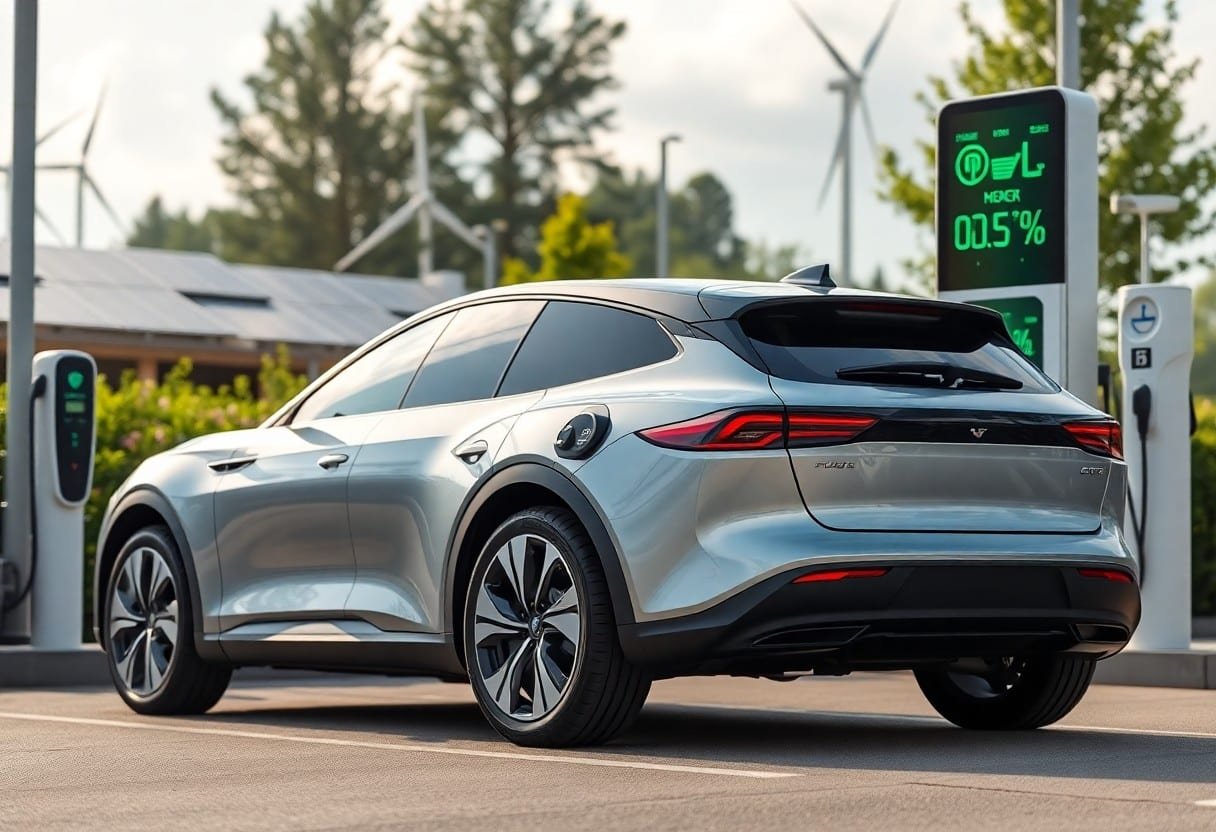
Many industry experts believe that the future of Internal Combustion Engine (ICE) vehicles hinges on advancements in sustainability and efficiency. As you navigate this evolving landscape, understanding net-zero strategies becomes imperative. This post will guide you through the key developments and innovations shaping the trajectory of ICE vehicles, empowering you to make informed decisions in an increasingly eco-conscious market.
Key Takeaways:
- ICE vehicles must evolve to incorporate sustainable technologies and materials to meet future emissions regulations.
- Enhancing fuel efficiency and transitioning to renewable energy sources is imperative for the competitive viability of ICE vehicles.
- Collaboration among automotive manufacturers, governments, and consumers is key to achieving net-zero targets in the transportation sector.
The Current Landscape of ICE Vehicles
Current market dynamics indicate that internal combustion engine (ICE) vehicles are still prevalent, but their dominance is waning. You’ll notice a distinct shift towards electric vehicles (EVs) as consumers increasingly prioritize sustainability. As of 2023, ICE vehicles accounted for roughly 77% of new car sales globally, down from 85% just five years prior. This transition is influenced by advancements in hybrid technologies and alternative fuels, as manufacturers adapt to changing consumer expectations and growing environmental concerns.
Market Trends and Data
Sales data reflects a noteworthy trend toward electrification, with EV sales surging by 70% in 2022 alone. As you analyze these numbers, it’s evident that millennials and Gen Z consumers are leading this charge, seeking greener alternatives. You’ll find a growing number of automakers committing to phase out ICE vehicles entirely by 2035, reshaping the competitive landscape and prompting innovation in efficiency and technology.
Regulations and Compliance
You must navigate a complex web of regulations aimed at reducing emissions from ICE vehicles. Governments worldwide are implementing stricter emissions standards, requiring manufacturers to reduce CO2 output by an average of 20% by 2025. Significant compliance costs are associated with non-compliance, pushing automakers to invest in cleaner technologies even for their ICE offerings.
With a landscape defined by stringent national and international regulations, compliance has become a key priority for manufacturers. For example, the European Union’s Euro 6 standards impose caps on nitrogen oxides emissions, pushing companies to innovate their engine designs and exhaust treatment technologies. As you evaluate the ongoing impact of regulations, consider California’s Advanced Clean Cars II, which aims to phase out gasoline-powered vehicles by 2035. The pressure to meet these evolving standards compels you to rethink not only engine efficiency but also to integrate advanced technologies that enhance sustainability while remaining competitive in the market.
Sustainability Challenges
Addressing sustainability challenges in ICE vehicles requires a multifaceted approach. With growing concerns over climate change and resource depletion, you must recognize the significant environmental impacts of your vehicle choices and consider alternatives that minimize harm while maintaining mobility.
Environmental Impact
ICE vehicles contribute to air pollution and greenhouse gas emissions, which exacerbate climate change. In urban areas, emissions from these vehicles often lead to smog and other health issues. The devastating effects on ecosystems and public health call for immediate action to mitigate their impact.
Lifecycle Analysis
Evaluating ICE vehicles through lifecycle analysis reveals the environmental impact from production to disposal. This analysis includes assessing resource extraction, manufacturing emissions, operational fuel consumption, and end-of-life disposal effects, offering a comprehensive view of sustainability.
A detailed lifecycle analysis shows that while ICE vehicles may be efficient during operation, the extraction and processing of fossil fuels, alongside the energy-intensive manufacturing processes, substantially contribute to their overall carbon footprint. For instance, a standard ICE vehicle can generate approximately 40% of its lifetime emissions just from fuel consumption, while the production and disposal phases also account for significant emissions and environmental degradation. By understanding these dynamics, you can make informed decisions about sustainability and advocate for innovations that reduce the environmental impact of ICE technologies.
Efficiency Innovations
Innovations in efficiency are transforming the internal combustion engine (ICE) landscape, focusing on reducing fuel consumption while maximizing performance. Manufacturers are implementing cutting-edge technologies, such as variable valve timing and turbocharging, to enhance output without sacrificing fuel efficiency. These advancements enable ICE vehicles to achieve greater mileage and lower emissions, aligning with sustainability objectives while offering drivers improved experiences on the road.
Advancements in Engine Technology
Engine technology has seen significant advancements aimed at higher efficiency and reduced emissions. Your modern ICE incorporates features like direct fuel injection and lean combustion processes, targeting improved thermodynamic efficiency. Moreover, manufacturers are increasingly adopting smart technologies, including real-time engine diagnostics and adaptive power management systems, which optimize performance under various driving conditions.
Hybrid and Alternative Fuel Solutions
Hybrid systems offer a balanced solution, combining an ICE with electric power, which enhances fuel economy and reduces emissions. These vehicles often utilize regenerative braking systems to recharge batteries, maximizing energy efficiency. Furthermore, alternative fuels such as biofuels and hydrogen present viable options for ICE vehicles, providing a route to lower carbon footprints while leveraging existing infrastructure.
Hybrid and alternative fuel solutions have become pivotal in redefining the ICE vehicle landscape. You can consider plug-in hybrids, which allow you to drive using electric power for short distances while benefiting from the ICE when more range is needed. For instance, many new models achieve fuel efficiencies exceeding 80 MPG in hybrid mode. Meanwhile, hydrogen fuel cell technology shows promise, with brands like Toyota leading the way. By diversifying fuel options, you can contribute to a sustainable future while maintaining the versatility associated with traditional ICE vehicles.
Strategies for Net-Zero Emissions
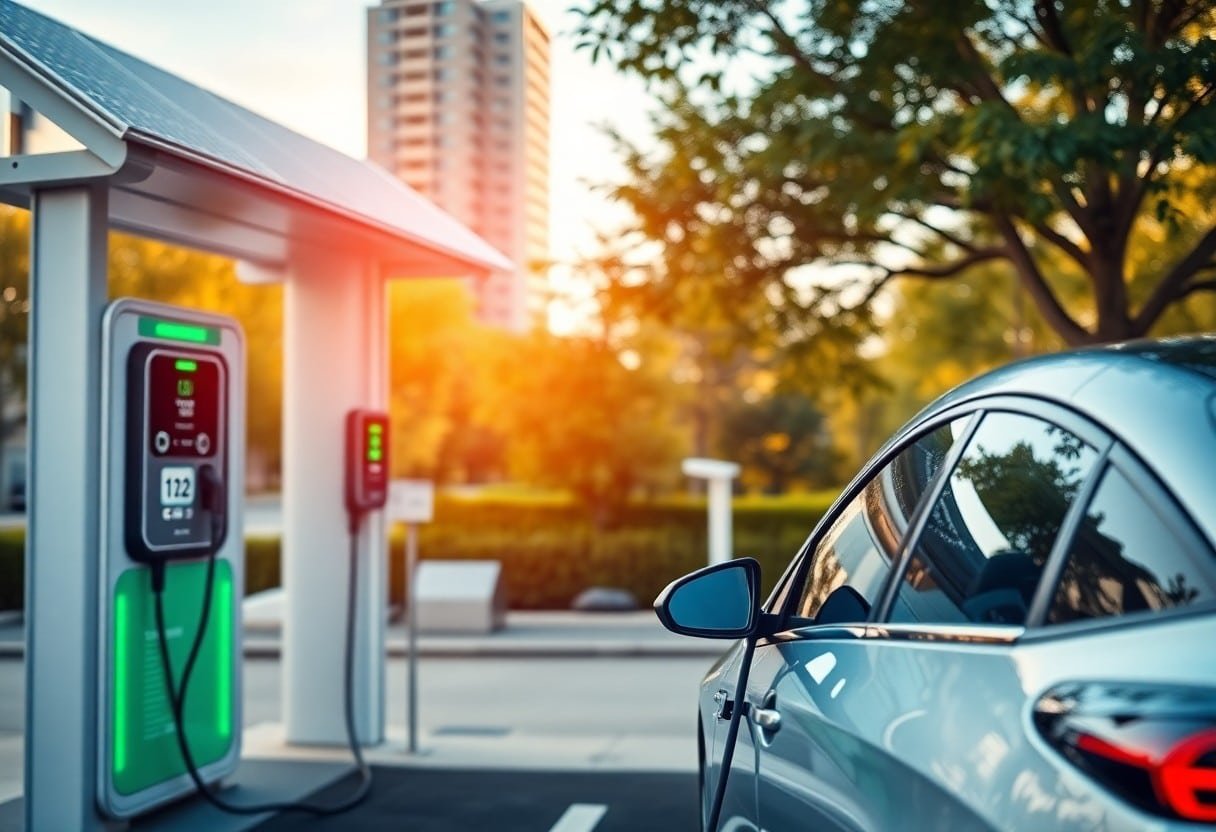
As the automotive industry pivots toward a net-zero future, implementing effective strategies is imperative. These strategies encompass enhanced vehicle technologies, sustainable fuel solutions, and comprehensive emissions reduction targets, each targeting the significant carbon footprint of ICE vehicles. By integrating advanced engine efficiency and renewable energy sources, you can significantly lower greenhouse gas emissions while maintaining performance and reliability.
Policy Frameworks
Your engagement with existing and emerging policy frameworks is necessary for achieving net-zero emissions in the automotive sector. Governments worldwide are establishing stricter regulations on emissions and providing incentives for low-emission technologies. Staying informed about these policies not only guides strategic planning but also positions you to take advantage of financial benefits and collaborative opportunities.
Industry Partnerships and Collaborations
Forming partnerships within the industry can accelerate progress towards net-zero goals. Collaborations between manufacturers, technology providers, and government entities can facilitate knowledge sharing and resource allocation. By pooling expertise and innovation, you can develop solutions that enhance sustainability in ICE vehicles more effectively and economically.
Your efforts in building industry partnerships might involve joint ventures to research alternative fuels or co-develop technologies that improve efficiency. For instance, automakers collaborating with renewable energy firms could create integrated systems that allow for cleaner fuel production at lower costs. This synergy not only advances individual corporate goals but also contributes to broader industry ambitions of reducing emissions and fostering sustainable practices. Highlighting these collaborations can showcase commitment to sustainable development and position your brand as a leader in the transition to greener automotive solutions.
Consumer Behavior and Acceptance
Understanding consumer behavior is important for the future of ICE vehicles. Awareness of sustainability, efficiency, and net-zero strategies influences the decisions made by consumers. Research highlights that perceptions of electric vehicles and carbon emissions factor heavily into purchasing choices. The Implications of Electric Vehicles and Carbon Emission … can reshape market demand and strengthen the case for advanced ICE models.
Awareness and Education
Knowledge about sustainability impacts your choices as a consumer. When properly informed about advancements in engine technologies and emissions reductions, you are more likely to consider ICE vehicles that align with your values. Educational initiatives can bridge the information gap, fostering a better understanding of how these vehicles contribute to environmental goals.
Adoption Rates and Market Demand
Current adoption rates for ICE vehicles reflect a shift in consumer preferences towards more sustainable options. With rising fuel economy standards and increased environmental awareness, market demand is evolving. According to recent studies, there’s a notable increase in interest for hybrid and improved ICE options, demonstrating that while electric vehicles are gaining traction, there’s still significant demand for innovative ICE technologies.
Analyzing recent trends reveals that market demand for ICE vehicles remains healthy, yet it’s increasingly influenced by factors such as fuel efficiency and emissions standards. In regions where stringent regulations are in place, consumers are showing a preference for vehicles equipped with advanced technologies. The Automotive Industry Association reported that over 30% of consumers are scrutinizing fuel economy ratings and emissions when purchasing a vehicle. This shift not only underscores your changing priorities but also necessitates that manufacturers innovate continually to remain competitive.
Future Outlook
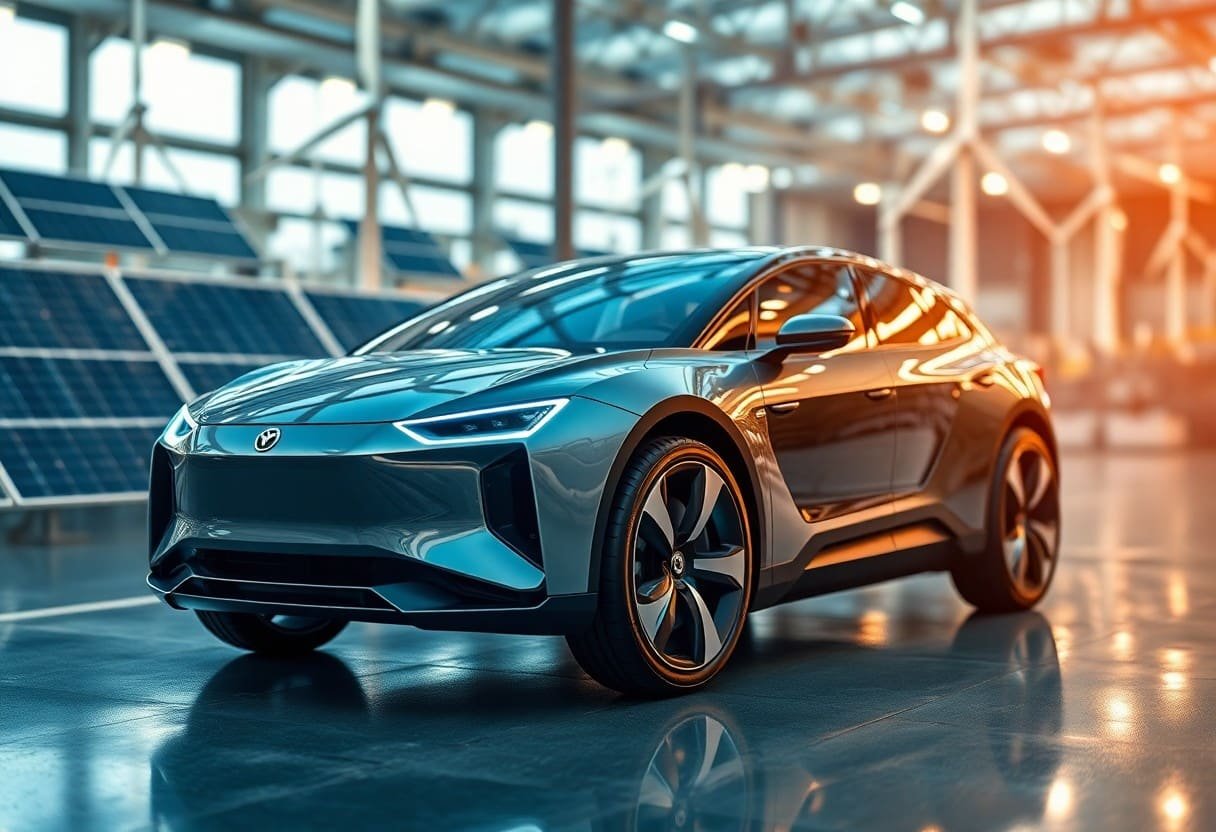
The future of ICE vehicles lies at the intersection of evolving technology and a shifting societal focus on sustainability. As manufacturers explore innovations in hybrid systems, improved emissions controls, and alternative fuels, the adaptation of ICE vehicles stands to gain traction despite the rise of electric models. Stakeholders must prioritize investments in cleaner technologies and stay responsive to regulatory changes to maintain relevance in a greener automotive landscape.
Predictions for ICE Vehicle Adaptation
You can expect ICE vehicles to transition gradually towards hybridization, incorporating electric components to enhance efficiency and reduce emissions. By 2030, experts predict that hybrids will account for over 40% of new vehicle sales, driven by stricter emission regulations and consumer demand for lower environmental impact.
Transition to Sustainable Mobility
The shift to sustainable mobility is imperative as urban areas strive for cleaner air and reduced congestion. This transition includes a broadening of transportation options, where ICE vehicles will adapt by integrating cleaner technologies and participating in fleets alongside electric vehicles to offer diverse solutions for consumers.
This transition emphasizes the need for comprehensive infrastructure, including charging stations and alternative fuel availability, while encouraging public transportation investments. As local governments roll out sustainability initiatives, ICE vehicles might integrate seamless connectivity with smart city developments, ensuring these vehicles are part of a holistic, environmentally friendly transportation ecosystem. Companies like Volvo are already championing biogas as a potential fuel source, showcasing that the pathway to sustainability can be multifaceted and inclusive, allowing ICE vehicles to coexist with emerging technologies and meet your mobility needs responsibly.
Conclusion
Summing up, as you navigate the evolving landscape of ICE vehicles, embracing sustainability and efficiency becomes necessary for your future strategies. You must consider integrating net-zero initiatives to align with global trends and regulations. By focusing on innovative technologies, optimizing fuel efficiency, and enhancing emissions management, you can contribute to a more sustainable automotive future that benefits both your interests and the planet.

Good and informative