

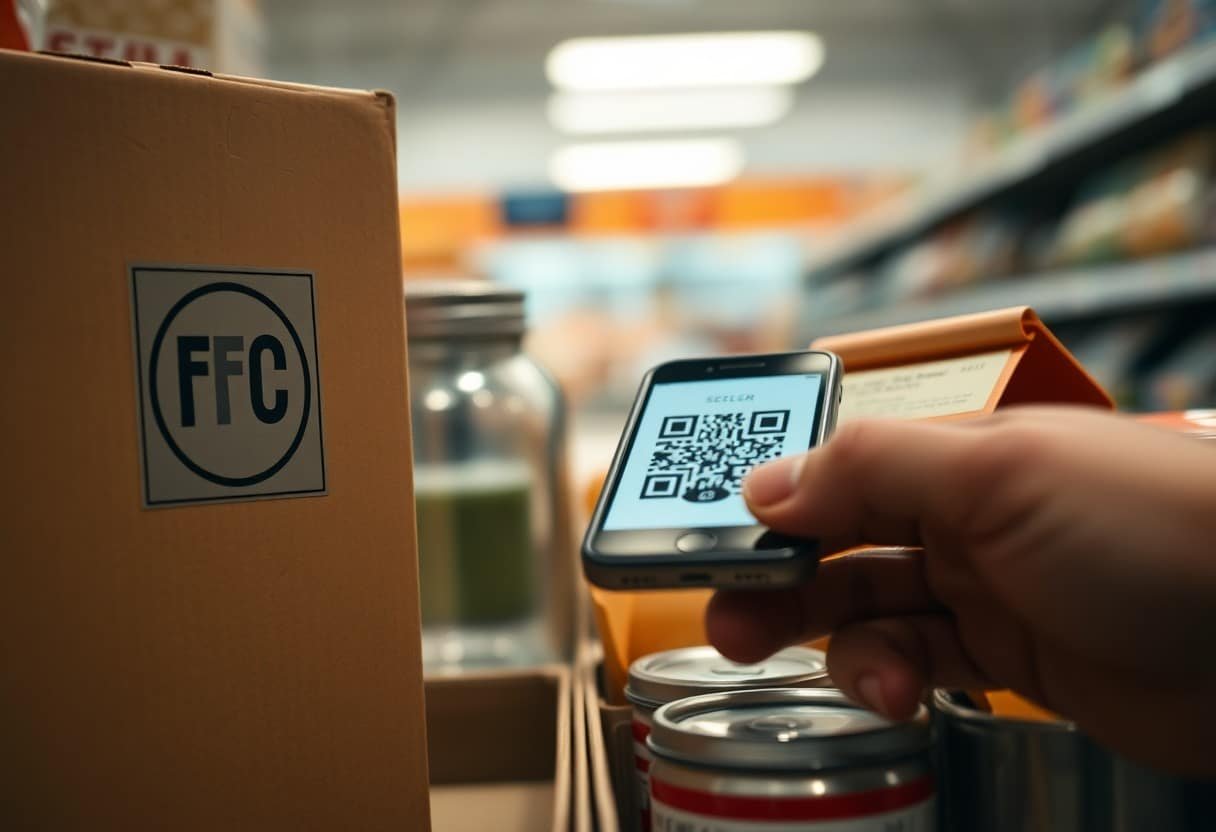
It’s transforming how you interact with products by embedding sensors, NFC, and QR connectivity to deliver personalization, real-time tracking, intuitive instructions, loyalty integration, enhanced safety, sustainable materials, interactive marketing, and improved returns and support; these eight capabilities reduce friction, boost trust, and let you receive contextual offers and usage guidance while brands gather anonymized feedback to refine your experience.
Key Takeaways:
- Interactive, personalized experiences via QR codes, AR and NFC boost engagement and loyalty by delivering tailored content, offers and product guidance.
- Real-time transparency and authentication using sensors and traceability (including blockchain) increase trust, reduce fraud and lower returns by proving provenance and freshness.
- Connected sensors and smart features enhance convenience and post-purchase value-freshness indicators, auto-reorder, faster checkout and easier returns-while cutting waste.
Interactive engagement & personalization
Interactive on-pack tech turns packaging into a direct channel: according to Epsilon, 80% of consumers are more likely to buy when brands provide personalized experiences. You can use NFC, QR and AR to deliver loyalty offers, targeted recipes, and provenance stories tied to single items. When those interactions feed your CRM, you gain behavioral signals that boost repeat purchases and enable finer segmentation.
NFC, QR codes and AR for immersive on-pack experiences
NFC enables tap-based interactions (typical range under 10 cm), so you can authenticate premium products, register warranties, or unlock video demos instantly. QR codes went mainstream after iOS added native camera scanning in 2017 and surged during the pandemic as restaurants and retailers adopted contactless menus. AR overlays turn a single scan into 3D try-ons, animated instructions, or branded games that increase dwell time and social shares.
Dynamic, data-driven personalized labels and messaging
Digital printing and variable-data workflows let you change label copy, images, or promo codes by batch, store, or individual SKU, enabling offers tailored to ZIP code, season, or loyalty tier. McKinsey estimates personalization can lift sales 10-20%, and campaigns like Coca‑Cola’s “Share a Coke” showed how name-level customization drives measurable purchase lifts and social engagement.
You can combine serialized QR/NFC with CRM triggers so each pack maps to a unique URL tied to buyer behavior, allowing real-time promos, A/B tests, and lift measurement at SKU level. Modern digital label presses print thousands of variable labels per hour, making one-to-one runs cost-effective, while serialized codes support loyalty sign-ups, post-purchase surveys, and anti-counterfeit tracking.
Trust, safety and authenticity
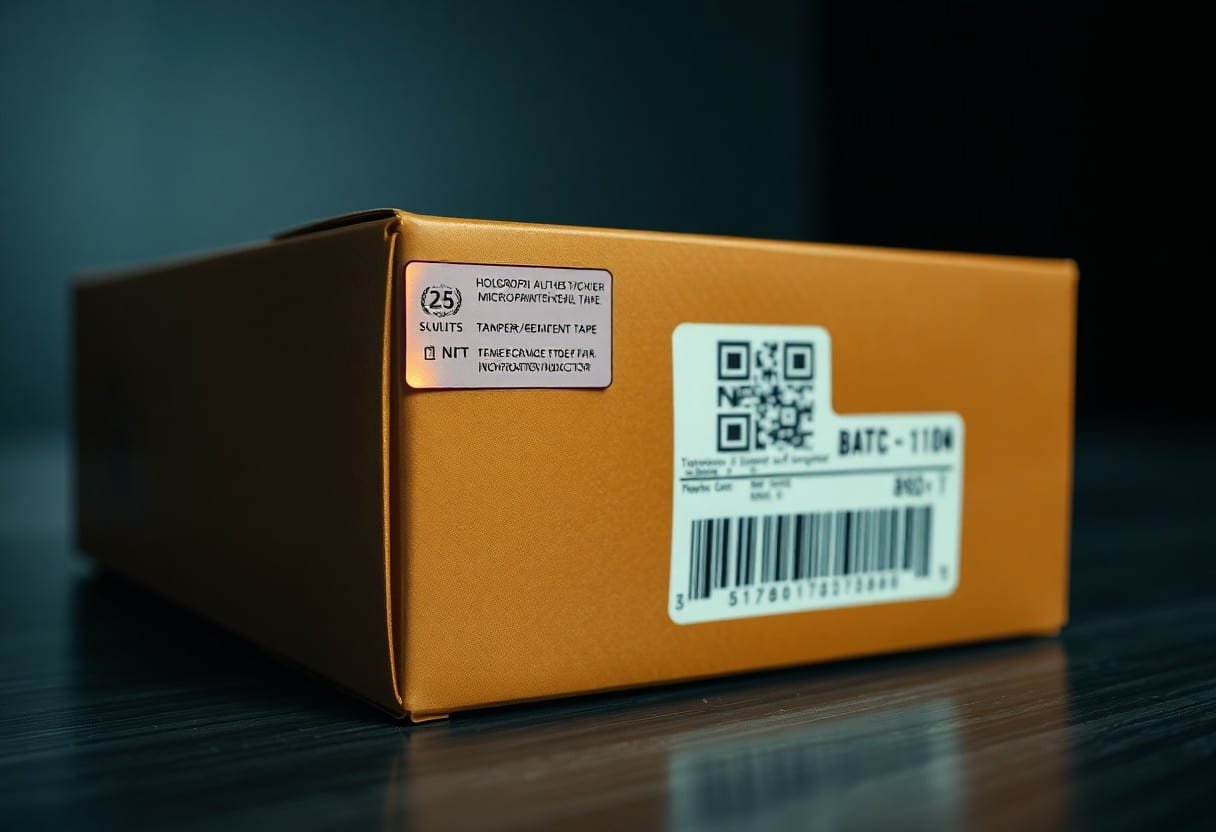
You need packaging that proves a product is genuine and safe at a glance; embedded tags, tamper indicators and verifiable IDs let you confirm chain-of-custody and handling history before purchase. For implementation guides and real-world case studies on design and ROI see Smart Packaging: Create Impactful Experiences.
Embedded sensors for freshness, tamper and temperature monitoring
You deploy TTIs, NFC/RFID and gas or temperature loggers to detect freshness loss, seal breaches and cold‑chain deviations in real time; many commercial sensors resolve 0.5-1°C changes and push alerts to your dashboard so you can reroute at‑risk shipments, reduce customer complaints and limit recalls before products reach shelves.
Embedded sensor types and benefits
| Sensor type | What it gives you |
|---|---|
| Time‑temperature indicator (TTI) | Simple cumulative exposure readout for shelf‑life decisions |
| NFC / RFID | Scanable status, location tracking and on‑pack consumer info |
| Temperature logger | Continuous logs with 0.5-1°C resolution for audits |
| Gas/chemical sensors | Early spoilage detection (ethylene, CO₂, O₂ shifts) |
| Tamper sensors | Seal‑break alerts and visible tamper evidence for buyers |
Blockchain/secure IDs and anti‑counterfeiting verification
You link on‑pack QR or NFC tags to immutable blockchain IDs so anyone can verify provenance and handling history instantly; pilots like IBM-Walmart moved traceability from days to seconds, giving you the power to authenticate lots at point‑of‑sale and prevent counterfeit distribution across channels.
You implement this by having each supplier and handler write signed transactions to the ledger as custody or quality events occur; when you or a customer scan the tag the app fetches timestamps, certificates and transit records, highlights anomalies and can trigger automated actions such as targeted recalls or payment release. This architecture combines cryptographic signatures with physical anti‑tamper features and dynamic codes, raising the cost and complexity for counterfeiters while giving you auditable proof for compliance and customer trust.
Convenience and post‑purchase services
You get faster, lower-friction service when packaging becomes a post‑purchase platform: instant warranty registration, one‑tap recycling instructions and contextual returns flow that cut handling time. Brands tie on‑pack NFC/QR triggers to loyalty and refill offers-see practical implementations in 8 Packaging Solutions to Elevate Your Brand in the United …-so your customers complete actions in seconds instead of navigating support menus.
IoT reordering, usage tracking and smart-dispense integrations
You can embed low‑power sensors and smart‑dispense modules to monitor consumption and auto‑reorder supplies. Amazon’s Dash Replenishment Service popularized automatic replenishment; similar integrations let you convert one‑time buyers into subscriptions and reduce out‑of‑stock incidents while providing usage telemetry for product improvements.
On-pack digital guides, diagnostics and automated support
You enable instant troubleshooting by pairing QR/NFC links with AR guides and chatbot diagnostics on the pack, so customers scan, view a 3‑step fix or run a self‑diagnostic without calling support. Appliance makers and consumer electronics brands report faster Mean Time to Repair and higher first‑contact resolution when guided content sits directly on packaging.
More detail: you can combine serialized QR codes with device telemetry to push personalized content-assembly videos for complex furniture, stepwise calibration for electronics, or firmware update prompts for connected devices. AR overlays reduce incorrect part installation, automated diagnostics feed support dashboards with error codes, and one‑tap warranty registration captures purchase proof; together these cut manual support escalations and give you data to refine future packaging and instructions.
Sustainability and circularity
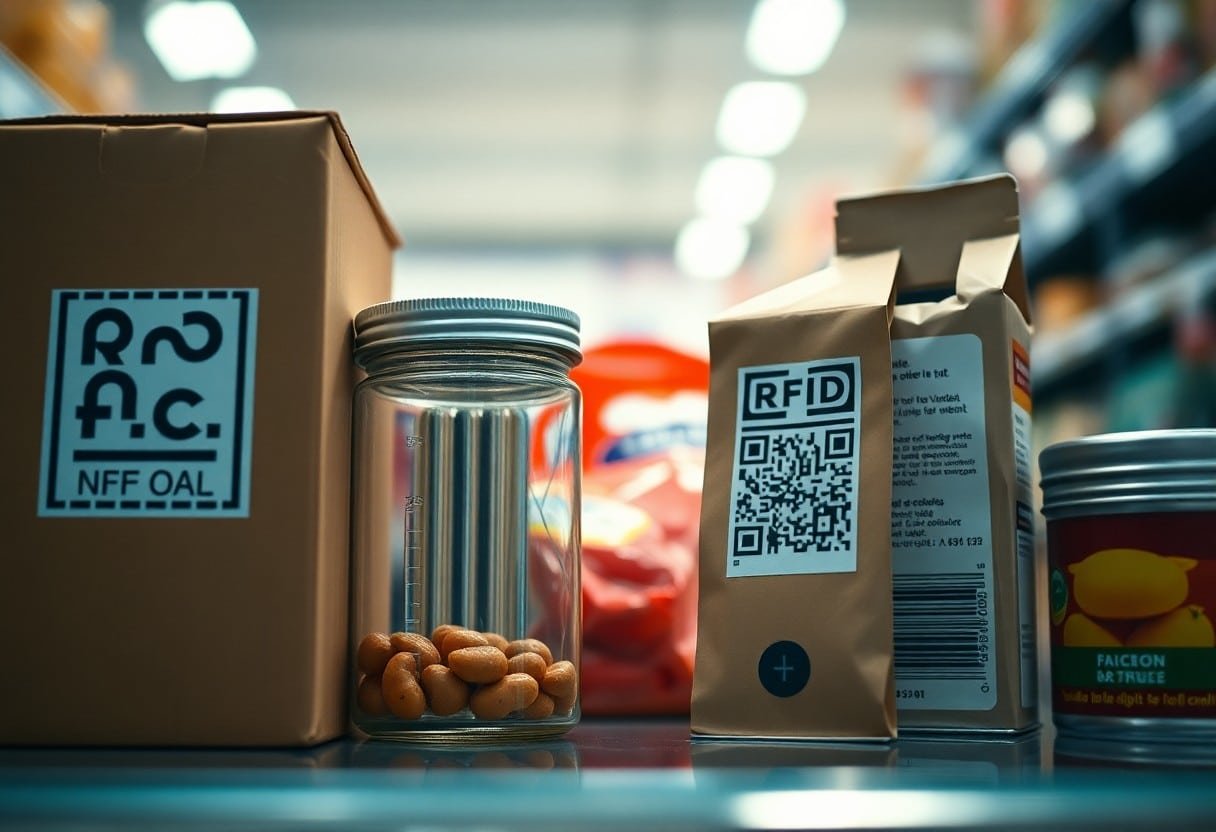
You can close material loops by pairing digital IDs with reuse and recycling programs: QR/NFC tags let you register a package, access repair or return instructions, and redeem incentives, while brands and platforms like Smart Packaging Examples: 12 Brands That Nailed It show real-world pilots of connected packaging driving higher recovery and reuse rates.
Smart recycling tags, material tracking and take-back incentives
You use smart tags to convert passive packaging into active participants in circular systems: NFC, RFID and QR-enabled material passports record polymer types, additives and recycling routes, enabling automated sorting and enabling take-back credits or instant coupons when you return items, which pilots have shown can produce double-digit uplifts in participation versus standard labeling.
Transparency tools that communicate lifecycle and carbon impact
You access lifecycle data instantly when QR codes or on-pack carbon labels link to LCAs or EPD summaries, showing per-unit CO2e, water use and end-of-life advice so you can compare products on measurable environmental metrics before you buy.
Digging deeper, these transparency tools typically pull from verified databases or blockchain-backed supply-chain ledgers so you can trace raw-material origin, manufacturing emissions and transport impacts; some implementations display kg CO2e per serving, supplier-by-supplier footprints, and suggested disposal or reuse steps, while regulatory moves like the EU Green Claims push are encouraging standardized, auditable disclosures you can trust when evaluating sustainability claims.
Conclusion
Conclusively, smart packaging transforms how you interact with products by delivering real-time freshness and condition alerts, enabling seamless authentication and anti-counterfeit verification, personalizing offers through embedded sensors and digital interfaces, simplifying returns and usage instructions via QR/AR, and providing data that refines your future experiences while reducing waste through sustainable materials-enhancing convenience, trust, and engagement at every touchpoint.