

Over the years, advancements in lithium-ion battery technology have revolutionized energy storage, but many users still face challenges with battery lifespan. In this guide, you will explore seven necessary steps that can help you maximize the longevity of your lithium-ion batteries. By following these strategies, you can enhance performance, reduce degradation, and ultimately extend the life of your devices, enabling you to enjoy reliable power for longer periods.
Key Takeaways:
- Innovative materials and designs enhance durability and energy density, leading to longer battery life.
- Advanced manufacturing techniques contribute to overall performance and reliability of lithium-ion batteries.
- Optimizing charging protocols can significantly extend the lifespan of these batteries.

Understanding Lithium-Ion Battery Technology
Grasping the fundamentals of lithium-ion battery technology is vital for appreciating advancements in this field. These batteries operate through electrolyte movement between the anode and cathode during charging and discharging cycles, which involves lithium ions transferring back and forth. The efficiency and lifespan of these batteries directly hinge on the materials and design of these fundamental components, making it vital to understand their roles and interactions.
Basic Components of Lithium-Ion Batteries
The core components of lithium-ion batteries include the anode, cathode, electrolyte, and separator. Typically, the anode is made from graphite while the cathode uses lithium metal oxides like lithium cobalt oxide. An electrolyte facilitates ion movement, while the separator ensures physical separation to prevent short circuits. Each component plays a pivotal role in the overall battery performance and longevity.
Current Limitations and Challenges
Despite their widespread use, lithium-ion batteries face significant limitations, including limited lifespan, capacity deterioration over time, and susceptibility to thermal runaway. Your usage patterns, like frequent high-capacity charges, can exacerbate these issues, leading to quicker degradation. Moreover, the reliance on specific materials raises concerns regarding resource availability and environmental impact, necessitating continued research and innovation.
The lifespan of lithium-ion batteries typically ranges from 500 to 2,000 cycles, depending on usage and environmental conditions. Factors like temperature extremes can drastically affect performance, worsening degradation rates. Current research is exploring alternative materials, such as silicon for anodes and solid electrolytes, which promise enhanced stability and safety. However, broad commercial adoption remains a hurdle due to costs and production complexities. Addressing these limitations is critical for advancing the technology towards more efficient, long-lasting solutions that meet growing energy demands.
Step 1: Enhancing Electrode Materials
You can significantly improve battery performance by enhancing electrode materials. This step focuses on selecting and optimizing materials that not only increase energy density but also extend the lifespan of your lithium-ion batteries. By integrating innovative formulations and coatings, you can minimize degradation during charge cycles, ultimately leading to more reliable energy storage solutions.
Innovative Cathode Options
Exploring innovative cathode options like lithium iron phosphate (LiFePO4) or nickel-rich layered oxides can elevate your battery’s safety and capacity. These materials help in achieving higher energy densities and longer cycle stability, making them ideal contenders for next-generation batteries.
Advancements in Anode Technologies
Recent advancements in anode technologies, such as silicon-based materials, promise to boost your battery’s capacity dramatically. Silicon can store up to ten times more lithium than conventional graphite, which translates into higher energy densities. This shift addresses the limitations of traditional anodes, paving the way for batteries that offer longer usage times and reduced weight.
Silicon anodes specifically showcase impressive potential with advancements in composites and nanostructuring that mitigate the material’s expansion during charging. This improves cycle life, allowing your batteries to sustain performance over numerous charge-discharge cycles. Consequently, leading manufacturers are integrating silicon alongside conventional graphite to leverage these benefits. Companies like Tesla have begun incorporating this technology, driving performance increases in electric vehicles and portable electronics alike. As R&D progresses, you can expect even more efficient designs that revolutionize how lithium-ion batteries are utilized.
Step 2: Improving Electrolyte Formulations
Enhancing electrolyte formulations is fundamental for boosting lithium-ion battery lifespan. By fine-tuning the chemical composition, you can reduce degradation rates and enhance the overall performance of your batteries. This process not only mitigates the negative impact of temperature fluctuations but also promotes higher energy densities, ultimately leading to longer-lasting energy solutions.
Solid vs. Liquid Electrolytes
Solid electrolytes offer significant advantages over their liquid counterparts, including improved safety and stability. While liquid electrolytes can pose leakage risks and volatility issues, solid electrolytes provide a robust medium for ion transport, reducing the chances of dendrite formation and enhancing lifespan.
Additives for Increased Longevity
Incorporating specific additives into electrolyte formulations can significantly improve the longevity of your lithium-ion batteries. These additives, such as lithium salts and polymer materials, help to stabilize battery chemistry, reduce unwanted side reactions, and promote better ion conductivity. You’ll find that even a small percentage of specific additives can yield substantial improvements in cycle stability and overall performance.
Exploring additives targeted for enhanced longevity is important for optimizing battery performance. For instance, the inclusion of fluorinated compounds can create a protective layer on the electrode surfaces, minimizing degradation and preserving capacity over time. Additionally, some additives can improve the thermal stability of the electrolyte, reducing the risk of thermal runaway incidents. By judiciously selecting and testing various additives, you’ll be able to fine-tune your electrolyte formulations for maximum durability and efficiency, ultimately extending the lifespan of your lithium-ion batteries significantly.

Step 3: Utilizing Advanced Manufacturing Techniques
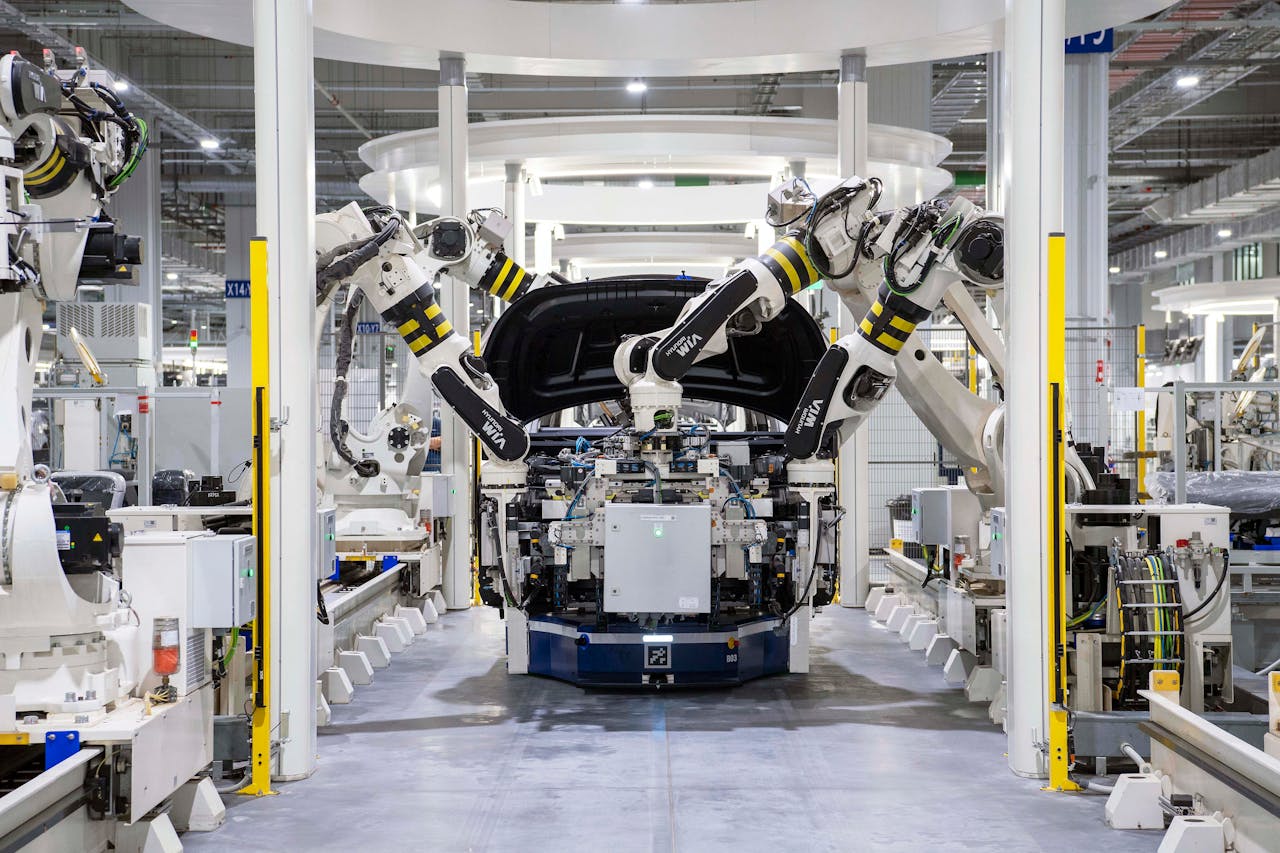
Implementing advanced manufacturing techniques is vital for achieving superior lithium-ion batteries with enhanced longevity. Techniques such as automation and precision engineering can help ensure consistency and quality control in battery production. By leveraging these methodologies, manufacturers can produce higher capacities and better-performing cells, ultimately leading to longer battery life.
- Automation for precision and efficiency
- 3D printing for customized components
- Real-time monitoring for quality assurance
- Scalable production processes
- Material recycling to reduce waste
| Technique | Benefit |
|---|---|
| Automation | Increases production speed and precision |
| 3D Printing | Allows for custom designs and faster prototyping |
| Real-time Monitoring | Ensures high quality and immediate issue detection |
Techniques to Enhance Consistency
Enhancing consistency in manufacturing can significantly improve battery performance. Techniques such as utilizing standardized processes and strict quality control protocols ensure that each battery cell meets specific performance criteria. Employing advanced imaging techniques during production can also identify microscopic defects that would otherwise impact lifespan and safety.
Cost-Effective Production Methods
Cost-effective production methods are vital for making advanced lithium-ion batteries more accessible. By optimizing production lines and employing innovative assembly processes, you can reduce material and labor costs, thereby lowering the final product price. This makes it feasible to bring high-performance batteries to the market without compromising quality.
Cost-effective production methods involve various strategies including the use of recycled materials and modular design principles. Companies can implement lean manufacturing techniques to minimize waste and energy consumption. For example, integrating renewable energy sources reduces operational costs while promoting sustainability. Additionally, mass production techniques, like in-line processing, can streamline workflows and significantly lower production expenses, ultimately delivering affordable options with enhanced capabilities.
Step 4: Implementing Battery Management Systems
Integrating advanced Battery Management Systems (BMS) plays a significant role in enhancing lithium-ion battery lifespan. A well-designed BMS ensures optimal performance by regulating charging cycles, maintaining temperature control, and managing energy distribution. This evolving technology, as highlighted in the discovery that could lead to longer-lasting EV batteries, hasten …, could support your journey towards developing more efficient energy solutions.
Monitoring and Optimizing Performance
To optimize the performance of your battery, continuous monitoring is important. Real-time data collection on voltage, temperature, and state of charge can help identify inefficiencies. By analyzing this data, you can make informed adjustments to your charging habits, enhancing the overall energy utilization and prolonging your battery’s life.
Protecting Against Overcharging and Deep Discharge
Protecting your lithium-ion battery from overcharging and deep discharge is vital to maintaining its integrity. A sophisticated BMS can automatically disconnect the battery when it reaches critical voltage levels, preventing damage. This proactive approach not only enhances safety but also promotes longevity, ensuring your investment in battery technology yields the best returns.
Overcharging can lead to excessive heat generation, which damages battery cells and shortens their lifespan. Conversely, deep discharging can lead to irreversible chemical reactions within the cells, decreasing capacity and performance. Implementing limitations in your BMS prevents these extremes, providing peace of mind while ensuring optimal energy storage and retrieval. By maintaining charge between safe operational thresholds, you maximize the lifespan and reliability of your batteries.
Step 5: Exploring Alternative Battery Architectures
Delving into alternative battery architectures opens up exciting possibilities for enhancing lithium-ion batteries. Innovations such as hybrid and solid-state batteries offer the potential for greater efficiency and reliability, while modular battery designs provide flexibility in applications and scalability. By examining these alternatives, you can gain insights into the future trajectories of battery technology that may significantly enhance lifespan and performance.
Hybrid and Solid-State Batteries
Hybrid and solid-state batteries combine various materials and structures to improve overall performance. Solid-state batteries, for instance, utilize solid electrolytes instead of liquid, which leads to reduced flammability and enhanced energy density. Hybrid designs can blend characteristics from both lithium-ion and other battery technologies, maximizing efficiency and lifespan by optimizing their unique advantages.
Modular Battery Designs
Batteries with modular designs increase adaptability and maintenance ease. These units can be scaled up or down depending on the energy demand, which makes them ideal for various applications, from electric vehicles to grid storage. By utilizing interchangeable components, you ensure that cells can be replaced or upgraded individually, enhancing the entire system’s longevity and performance consistency.
Exploring modular battery designs highlights their versatility in modern applications. For instance, electric vehicles can benefit from modular systems that allow users to adjust battery capacity based on journey needs, offering more range without the weight penalties of permanently higher-capacity packs. Furthermore, batteries designed this way are easier to maintain and repair; if one module degrades, the entire system doesn’t require replacement. Companies like Tesla and Nissan are already investigating these designs to provide consumers with more efficient and user-friendly energy solutions.
To wrap up
On the whole, advancing your understanding and application of lithium-ion battery technology through these seven steps can significantly enhance their lifespan and performance. By focusing on innovative materials, optimizing design, and implementing effective charging strategies, you can ensure that your batteries remain reliable and efficient. As you explore these developments, your approach to energy storage will not only improve sustainability but also meet the increasing demands of modern technology. Embrace these advancements to maximize your investment in lithium-ion systems.