
There’s a growing imperative for sustainable practices in the automotive industry, and engine decarbonization is at the forefront of this transformation. As you explore the seven key steps outlined in this guide, you’ll uncover actionable strategies that not only contribute to reducing carbon emissions but also enhance your understanding of the future of combustion engines. By embracing these steps, you can play a pivotal role in this necessary evolution toward cleaner, more efficient technology.
Key Takeaways:
- Decarbonization of combustion engines requires a multi-faceted approach, integrating new technologies and sustainable practices.
- Investment in research and development is vital to advance alternative fuels and improve engine efficiency.
- Collaboration across the automotive industry, policymakers, and consumers is vital to drive the transition towards cleaner transportation solutions.
Understanding Engine Decarbonization
Engine decarbonization revolves around reducing carbon emissions from combustion engines, transitioning to cleaner energy sources, and implementing advanced technologies. This process not only involves the efficiency of fuel use but also embraces alternative fuels and electric solutions. By redefining how your vehicle operates, you contribute to a transformative shift that addresses climate change and sustainability challenges, imperative for a greener future.
Importance of Decarbonization
Decarbonization of engines is vital as it directly impacts greenhouse gas emissions, thus aiding in global efforts to mitigate climate change. By adopting lower-emission technologies and practices, you play a significant role in reducing air pollution and protecting public health, while also aligning with regulatory demands for cleaner transportation.
Key Benefits for the Environment
Implementing engine decarbonization measures yields substantial environmental advantages. Your efforts to reduce emissions contribute to cleaner air, enhancing the quality of life for communities. Additionally, lower carbon footprints help protect ecosystems and biodiversity, fostering long-term ecological balance.
Transitioning to decarbonized engines can result in a notable decrease in pollutants such as nitrogen oxides and particulate matter. For example, adopting electric and hybrid technologies can cut CO2 emissions by up to 50% compared to traditional gasoline engines. This shift not only complies with increasing regulatory standards but also supports global agreements like the Paris Accord, ultimately protecting the environment for future generations while promoting sustainable economic growth. You actively contribute to these benefits through everyday choices in vehicle use and technology adoption.
Transitioning to Alternative Fuels
This transition is not only beneficial for the environment but also offers economic opportunities in a changing landscape. As traditional fossil fuels face increasing regulations and public scrutiny, exploring alternative fuels such as biofuels and hydrogen becomes imperative. These fuels promise a cleaner combustion process, reducing harmful emissions and enhancing sustainability across various transportation sectors.
Biofuels and Their Impact
Biofuels represent a significant step toward reducing carbon footprints, as they are derived from organic materials and can often be produced sustainably. You may be familiar with biodiesel, which can be made from vegetable oils or animal fats, providing a renewable alternative to petroleum diesel. Studies indicate that using biofuels can decrease greenhouse gas emissions by up to 86%, making them a viable option for both existing engines and future developments.
Hydrogen Fuel: The Future of Combustion
Hydrogen fuel stands at the forefront of clean energy innovation, offering immense potential for transforming combustion engines. With zero carbon emissions at the point of use, hydrogen combustion can be both efficient and environmentally friendly, appealing to forward-thinking industries focused on sustainability.
Hydrogen fuel cell technologies can convert hydrogen gas into electricity to power electric motors, yet hydrogen combustion in internal combustion engines is also gaining traction. You might find that hydrogen has the potential to provide a clean alternative without requiring the extensive redesign of existing engine infrastructure. Major automotive manufacturers are investing heavily in hydrogen fuel systems, with projections estimating that hydrogen could power over 400,000 vehicles worldwide by 2030. Moreover, with abundant availability from water and organic materials, hydrogen’s role in the future of combustion engines seems compelling and necessary for achieving long-term decarbonization goals.
Improving Engine Efficiency
Enhancing engine efficiency is vital for reducing carbon emissions and maximizing fuel economy. Innovations in fuel injection technology, optimized combustion processes, and advanced turbocharging systems streamline energy use while increasing power output. By implementing these techniques, you can significantly decrease the environmental impact of combustion engines.
Innovations in Engine Design
New engine designs play a pivotal role in achieving higher efficiencies. Concepts such as variable geometry turbochargers and homogeneous charge compression ignition (HCCI) are being researched and implemented. These technologies allow for better air and fuel mixing, ensuring a more complete combustion process and thus lower emissions.
Advanced Materials for Reduced Emissions
The adoption of advanced materials is necessary to decrease emissions. High-temperature alloys and lightweight composites enhance engine durability and performance while allowing for tighter tolerances. This means that engines can operate more efficiently, producing fewer emissions without sacrificing power or reliability.
Advanced Materials for Reduced Emissions
| Material | Benefit |
| High-Temperature Alloys | Enhanced durability and performance |
| Lightweight Composites | Reduced weight for better fuel efficiency |
| Ceramic Coatings | Improved thermal resistance and efficiency |
Advanced materials such as high-temperature alloys, ceramic coatings, and lightweight composites are making significant strides in engine design. These materials enable engines to withstand higher temperatures and pressures, improving performance and fuel efficiency while reducing overall emissions. The integration of these materials helps you achieve a cleaner engine operation, aligning with global decarbonization goals.
Key Benefits of Advanced Materials
| Benefit | Description |
| Increased Efficiency | Maximizes energy use and minimizes waste |
| Reduced Weight | Enhances overall engine performance and fuel economy |
| Longer Lifespan | Decreases the frequency of maintenance and replacements |
Implementing Carbon Capture Technologies
Integrating carbon capture technologies into existing engine systems presents an innovative opportunity to significantly reduce emissions. By extracting CO2 from exhaust gases before they enter the atmosphere, you can directly mitigate the environmental impact of combustion engines. This approach not only helps in adhering to global sustainability targets but also fosters technological advancements in sustainable energy practices.
Methods of Carbon Capture
Various methods exist for carbon capture, including pre-combustion, post-combustion, and oxy-fuel combustion techniques. Pre-combustion captures carbon before fuel combustion, allowing for cleaner energy production. Post-combustion captures CO2 from the exhaust gases, while oxy-fuel combustion uses pure oxygen to produce exhaust that is primarily CO2 and water vapor, simplifying separation processes. Each method brings unique advantages and challenges, requiring careful consideration based on your engine design and operational context.
Role of Carbon Sequestration in Decarbonization
Carbon sequestration plays a vital role in decarbonization efforts, as it allows for the long-term storage of captured carbon dioxide. By preventing released CO2 from re-entering the atmosphere, you contribute to mitigating climate change effects. This practice works in tandem with carbon capture technologies, creating a comprehensive approach to reducing emissions from combustion engines.
Carbon sequestration involves not only capturing CO2 but also storing it safely underground or utilizing it for industrial processes, thus creating a closed-loop system. For example, the use of depleted oil and gas reservoirs for CO2 storage has proven effective, while mineralization techniques turn CO2 into solid carbonate minerals. Notably, projects like Norway’s Sleipner field demonstrate successful long-term storage of millions of tons of CO2, showcasing that with proper methodologies, your efforts in reducing combustion emissions can align with global sustainability goals and climate action initiatives.
Policy and Regulation Support
Effective policy and regulation play a vital role in advancing engine decarbonization efforts. Your involvement in advocacy for supportive policies can encourage governments to prioritize sustainable technologies and align combustion engine developments with environmental goals. For insights on the future of internal combustion engines, explore Powering the Future: The role for Internal Combustion ….
Government Initiatives and Incentives
Many governments are providing incentives for adopting cleaner technologies, directly benefiting your transition to low-emission engines. Programmes may include tax breaks, grants for research, and funding for infrastructure development, all aimed at supporting innovation and reducing carbon footprints in transportation.
Global Standards for Emission Reductions
Establishing global standards is crucial for ensuring consistency in emission reductions across nations. By adhering to these regulations, you can help drive the automotive industry toward sustainability and shared accountability for carbon emissions. Standards like the Euro 7 and Clean Air Act mandate stricter emission limits and serve as benchmarks for technological advancements.
Global standards for emission reductions require collaboration between countries to create applicable regulations and share best practices. By adopting frameworks such as the Paris Agreement, you engage in a global effort to minimize greenhouse gases, fostering innovation and harmonization in engine technologies. This collaboration enhances competitiveness while addressing environmental concerns on an international scale.
The Role of Research and Development
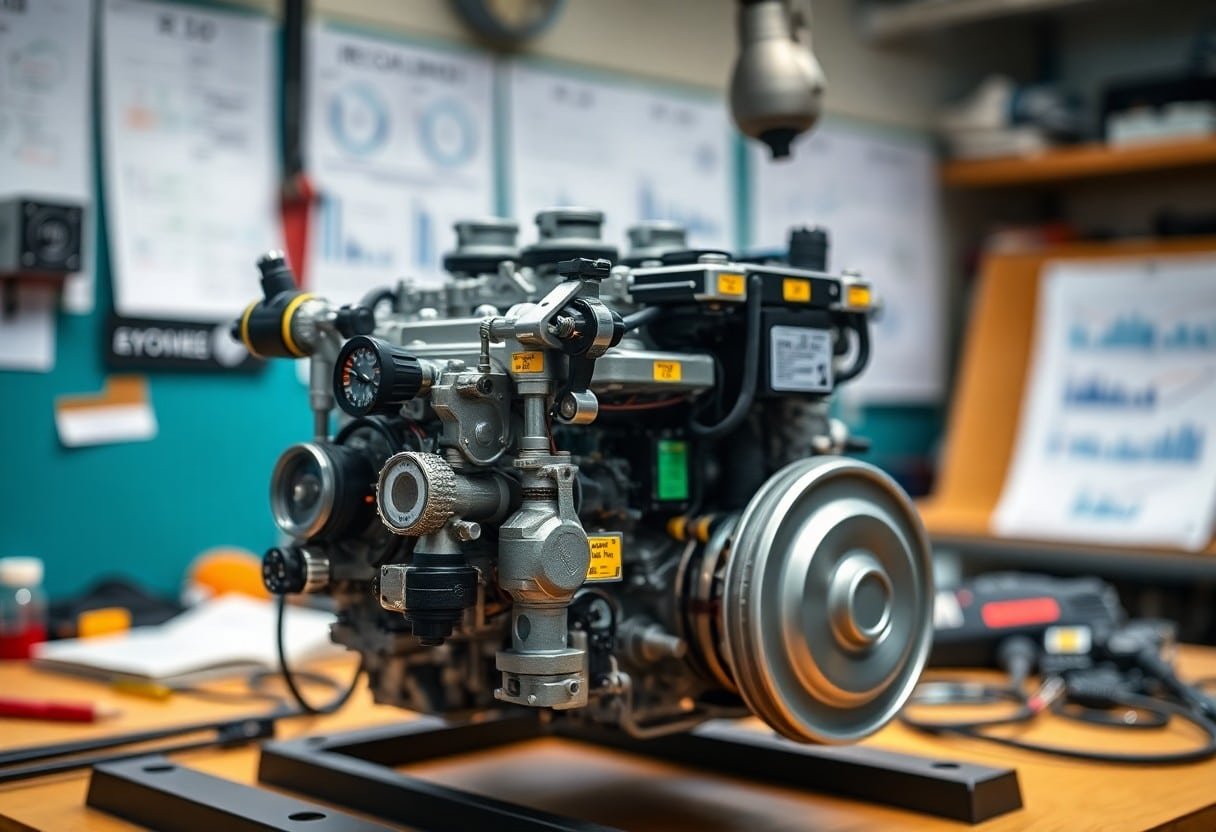
Investment in research and development (R&D) is pivotal for driving the innovations necessary for engine decarbonization. You will find that advancements in materials science, computational modeling, and alternative fuel development are among the critical areas where R&D can lead to significant improvements. Collaboration among various stakeholders accelerates this process, ensuring that discoveries move from the lab to real-world applications effectively and efficiently.
Collaborations Between Industry and Academia
When you engage in collaborations between industry and academia, you can harness cutting-edge research and expertise that can advance engine technology. These partnerships foster knowledge exchange, enabling you to address specific industry challenges while leveraging academic resources. Initiatives such as joint research projects and funding programs can spur innovation, ensuring that both sectors benefit from the developments made in engine decarbonization.
Future Trends in Engine Technology
Future trends in engine technology will likely center on electrification, hybrid systems, and integrated software solutions to enhance performance and reduce emissions. As an industry, the focus will shift towards zero-emission vehicles, with increasing investments allocated to optimizing internal combustion engines for fuel flexibility and lower carbon footprints.
Future trends in engine technology indicate a significant shift towards electrification and hybridization to meet global emissions targets. Manufacturers are investing heavily in battery technology, promising more efficient energy storage and shorter charging times. You may also see advancements in hydrogen fuel cells, which offer potential for zero-emission operations. Furthermore, smart engines utilizing artificial intelligence will contribute to real-time performance optimization and emissions control, shaping a more sustainable and efficient future in automotive engineering.
Conclusion
As you navigate the landscape of engine decarbonization, implementing these seven key steps will empower you to significantly reduce emissions and enhance sustainability. By prioritizing technology integration, fuel alternatives, and efficiency improvements, you can actively contribute to shaping a cleaner future for combustion engines. Embracing these strategies not only positions you as a leader in automotive innovation but also aligns your efforts with global environmental goals.