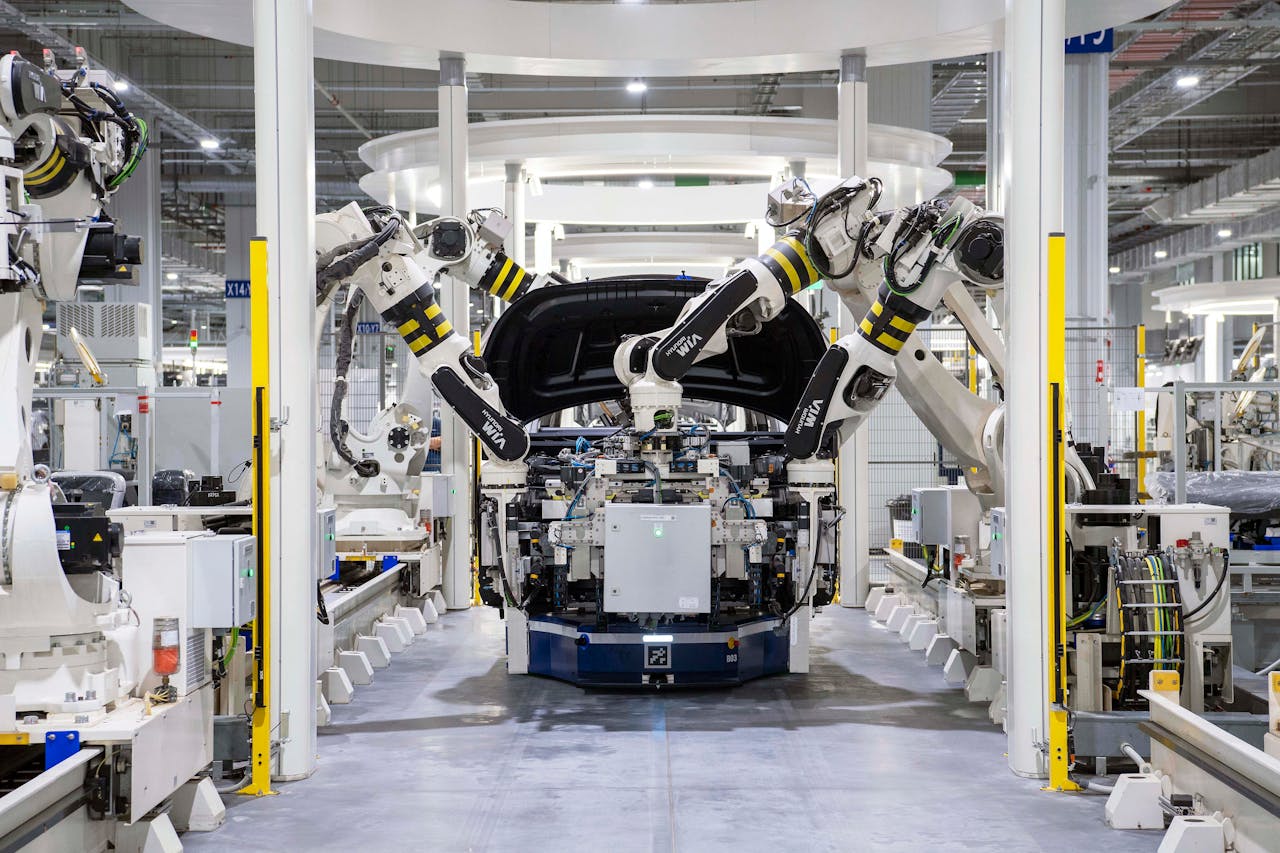


Over the past few years, advancements in battery technology have transformed the electric vehicle landscape, significantly enhancing performance and sustainability. As you explore these five groundbreaking developments, you’ll see how they promise to extend your vehicle’s range, reduce charging times, and improve overall efficiency. Understanding these innovations will empower you to make informed decisions as the electric vehicle market continues to evolve and grow.
Key Takeaways:
- Solid-state batteries offer improved energy density and safety compared to traditional lithium-ion batteries.
- Developments in lithium-sulfur technology promise longer-lasting batteries with a lower environmental impact.
- Advancements in fast-charging capabilities significantly reduce charging times, enhancing user convenience and vehicle adoption rates.

Overview of Current Electric Vehicle Battery Technology
Your understanding of electric vehicle (EV) battery technology begins with the current landscape dominated by lithium-ion batteries. These batteries provide the best balance between energy density, weight, and cost, enabling most consumer EVs to achieve ranges exceeding 200 miles on a single charge. Thanks to innovations in materials and manufacturing processes, the efficiency and lifespan of these batteries continue to improve, pushing the boundaries of what is possible in terms of range and performance.
Lithium-Ion Dominance
You may have noticed that lithium-ion batteries dominate the EV market today, making up over 80% of all electric vehicle batteries. This technology allows for high energy storage with relatively low weight, permitting manufacturers to design lighter, more efficient vehicles. Major auto brands, from Tesla to General Motors, have adopted this technology, facilitating rapid advancements in performance and affordability.
Limitations and Challenges
Despite their advantages, lithium-ion batteries face significant limitations and challenges that affect their long-term prospects in the EV market. Issues such as lengthy charging times, limited cycle life, performance degradation in extreme temperatures, and concerns regarding sustainability and resource scarcity impact their viability. Moreover, the production process often involves environmentally harmful mining practices, raising concerns about the overall carbon footprint.
Charging times for lithium-ion batteries typically range from 30 minutes to several hours, posing a challenge for convenience, especially in fast-paced lifestyles. Additionally, the lifecycle of these batteries averages around 2,000 to 3,000 cycles, leading to diminished performance and necessitating costly replacements. Environmental concerns arise from lithium and cobalt extraction, with reports highlighting habitat destruction and pollution. As electric vehicles become more mainstream, industry leaders are under increasing pressure to find sustainable, efficient battery solutions that mitigate these challenges. The transition towards alternative technologies, like solid-state batteries, is being researched to address these limitations effectively.
Solid-State Batteries
Solid-state batteries represent a transformative leap in energy storage for electric vehicles, utilizing a solid electrolyte instead of the conventional liquid electrolyte found in lithium-ion batteries. This change enhances safety by reducing flammability risks while also allowing for higher energy densities. For an in-depth exploration of the advancements in battery technologies, check out 5 New Battery Technologies That Will Change the Future.
Advantages over Traditional Batteries
Compared to traditional lithium-ion batteries, solid-state batteries can achieve greater energy density, which directly translates to longer ranges for electric vehicles. They also have a longer lifecycle, reducing the need for frequent replacements. Additionally, solid-state designs minimize the risk of overheating, ensuring enhanced safety during operation.
Key Innovations and Players
Leading innovations in solid-state batteries focus on materials like sulfides and oxides that enable higher conductivity at room temperature. Companies such as Toyota and QuantumScape are at the forefront, each making significant strides in development and manufacturing techniques, poised to commercialize solid-state batteries in the near future.
For instance, QuantumScape has developed a lithium metal battery that boasts a range of over 400 miles on a single charge, leveraging their proprietary solid electrolyte to enhance energy density. Similarly, Toyota aims to integrate solid-state technology into their vehicles by 2025, showcasing the growing industry commitment to this revolutionary technology. These advancements not only promise to improve performance but also highlight the competitive landscape as companies race to redefine the future of electric mobility.

Lithium-Sulfur Batteries
Lithium-sulfur batteries are emerging as a promising alternative to traditional lithium-ion technology, offering greater energy density and potential for lower costs. These batteries utilize sulfur as the cathode material, which can potentially provide up to five times the energy capacity of current lithium-ion batteries. This advancement could significantly enhance the driving range of electric vehicles, addressing one of the key barriers to widespread adoption.
Improved Energy Density
The energy density of lithium-sulfur batteries can reach levels around 500 Wh/kg, vastly surpassing the typical 250 Wh/kg of lithium-ion batteries. This improvement in energy density allows for lighter battery packs, which means vehicles can maintain or even increase their range without the need for larger, heavier batteries. This leap forward transforms the design potential for electric vehicles, making them more efficient and appealing to consumers.
Potential Applications
The potential applications for lithium-sulfur batteries are broad, extending beyond electric vehicles to include drones, aerospace, and portable electronics. In electric vehicles, the ability to store more energy can dramatically reduce charging times and increase range, making EVs more competitive with traditional combustion engines. Outside of auto manufacturing, sectors such as renewable energy storage can also benefit, enabling more efficient use of solar and wind power.
Within the automotive industry, lithium-sulfur batteries are being considered for next-generation electric vehicles that require extended range and quick charging capabilities. Major automakers are starting trials with these batteries to assess their performance under real-world conditions, potentially enhancing fleet efficiency and driving growth in EV adoption rates. Additionally, their lightweight nature is particularly advantageous for aerial vehicles, where reducing weight is critical for performance and efficiency. As breakthroughs continue in the manufacturing processes and cycle life of lithium-sulfur batteries, their integration into various markets will likely accelerate, making them a game-changer for sustainable transportation solutions.
Sodium-Ion Batteries
Sodium-ion batteries are emerging as a promising alternative to lithium-ion technology, leveraging abundant sodium resources to provide a cost-effective energy storage solution. These batteries, utilizing sodium instead of lithium, offer comparable energy density and cycle stability while demonstrating significant potential in applications across electric vehicles (EVs) and grid storage. As manufacturers explore new chemistries and materials, the scalability of sodium-ion technology positions it as a viable contender in the quest for sustainable energy solutions.
Cost-Effectiveness and Sustainability
The primary advantage of sodium-ion batteries lies in their cost-effectiveness, driven by the widespread availability of sodium compared to lithium. This shift not only reduces material costs but also diminishes supply chain risks associated with lithium mining and extraction. Furthermore, the eco-friendly nature of sodium-ion production aligns perfectly with sustainability goals, making them an attractive option for the environmentally conscious consumer.
Market Readiness and Challenges
Though sodium-ion batteries show great promise, several challenges hinder their widespread adoption in the EV market. Development is still in the early stages, and performance metrics such as energy density and cycle life need to match those of established lithium-ion counterparts. While companies like Faradion and Natron Energy are making strides, scaling production and ensuring reliability in various weather conditions present hurdles that require innovation and investment.
The market readiness of sodium-ion batteries is further complicated by existing consumer preferences for lithium-ion models. You’ll find that the current infrastructure for lithium-based battery systems is deeply entrenched, making it difficult for sodium-ion technologies to gain immediate traction. The need for extensive research into battery lifespan, efficiency, and safety remains paramount as companies strive to optimize sodium-ion solutions before they can compete effectively in the marketplace. Efforts to enhance performance and streamline production will play a critical role in determining when these batteries can break through and carve a niche alongside their lithium counterparts.
Ultrafast Charging Technologies
Recent advancements in ultrafast charging technologies promise to drastically reduce the time it takes to recharge electric vehicles. With rates approaching 350 kW, systems like Tesla’s Supercharger V3 and Ionity’s network can replenish your EV’s battery to 80% in under 20 minutes. These innovations are paving the way for a redefined charging experience, rigidly addressing range anxiety while boosting convenience in your daily routine.
Evolution of Charging Solutions
Charging solutions have evolved from standard home wall connectors and slow public chargers to sophisticated ultrafast stations equipped with advanced technology. Early methods relied on overnight charging, but the introduction of fast chargers has allowed you to charge during short breaks. Continuous innovation, including wireless charging and ultra-compact charging units, is enhancing accessibility and functionality throughout urban landscapes.
Impact on Consumer Adoption
As ultrafast charging technologies become widely available, your likelihood of adopting electric vehicles increases significantly. With charging times reducing to mere minutes, the convenience of EV ownership is now on par with traditional gasoline vehicles, encouraging broader acceptance.
Your ease of charging directly influences EV adoption rates. Studies show that as charging infrastructure improves, with conveniences like ultrafast charging stations in multiple locations, more consumers are willing to consider electric options. For instance, a survey indicated that over 70% of potential buyers would feel more inclined to purchase an EV if charging times matched those of refueling a gas car. This shift marks a significant turning point in how you perceive and interact with electric vehicles, leading to faster mainstream acceptance.
Recycling and Sustainability Advances
Your commitment to sustainability in the electric vehicle sector is reinforced by significant advancements in battery recycling and overall eco-friendly practices. Innovative techniques are being developed to extract important materials from used batteries, reducing reliance on virgin resources and minimizing waste. Companies are now prioritizing lifecycle management, ensuring that batteries are not merely discarded but instead repurposed and reprocessed to create new energy storage solutions.
Innovations in Battery Recycling
Recent innovations in battery recycling, such as hydrometallurgical processes, enable efficient extraction of key materials like lithium, cobalt, and nickel from spent batteries. These methods can achieve recovery rates exceeding 95%, making it economically viable to recycle instead of mining new materials. As a result, this not only stabilizes supply chains but also decreases the environmental impact associated with battery production.
Reducing Environmental Impact
Strategies aimed at reducing the environmental impact of battery production include optimizing material sourcing and reducing energy consumption during manufacturing. Many companies are now focusing on a circular economy approach, where end-of-life batteries are recycled back into the production cycle. By implementing sustainable practices, you contribute to lowering carbon emissions and minimizing ecological disruption.
The shift towards sustainable practices is reshaping the entire battery lifecycle. For instance, Tesla’s commitment to a closed-loop battery recycling system ensures that critical materials are continually reused, lowering extraction needs and further reducing environmental footprints. Additionally, advancements like bio-based materials in battery production are being explored, aiming to lessen reliance on conventional mining and promote more sustainable options. By embracing these developments, you’re part of a transformative movement that prioritizes both performance and planet preservation.
Final Words
Considering all points, the advancements in battery technology hold the key to transforming your electric vehicle experience. With innovations like solid-state batteries, ultrafast charging, and sodium-ion options emerging, you stand to benefit from longer ranges, reduced charging times, and enhanced sustainability. These breakthroughs not only improve performance but also pave the way for a greener future. As these technologies progress, you will witness the electric vehicle landscape evolve, making sustainable driving more accessible and efficient than ever before.