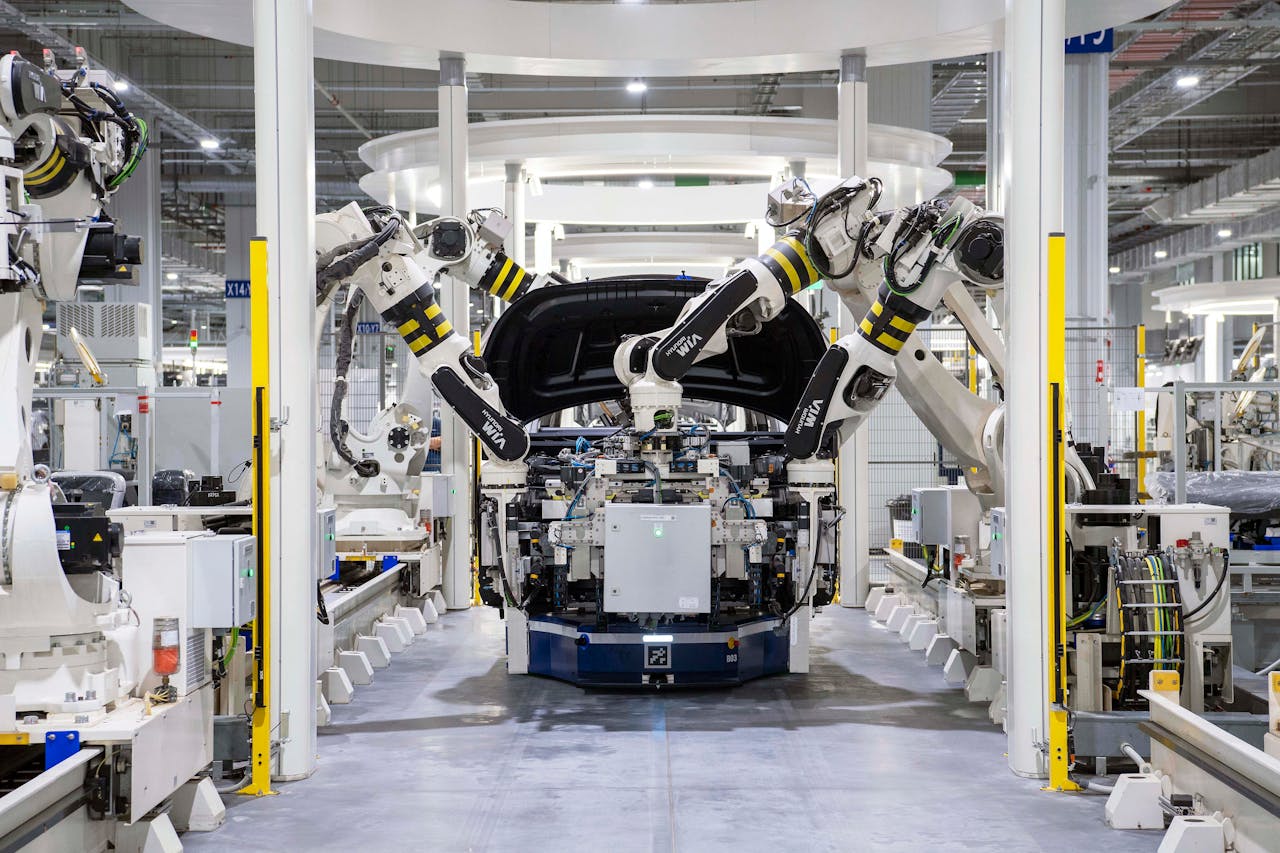

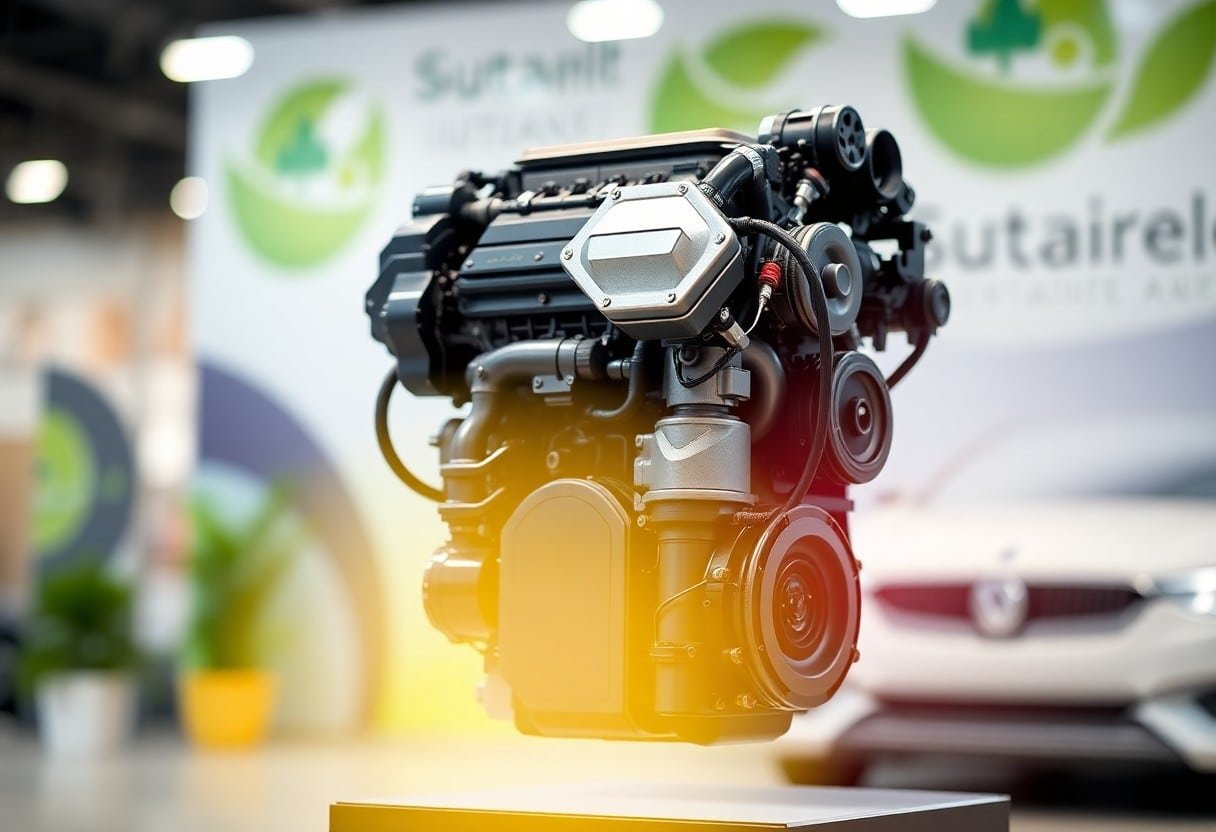
You are entering a new era of automotive innovation where traditional internal combustion engines (ICE) evolve to meet sustainability goals. In the 2030s, your vehicle choices will be influenced by advancements in fuel efficiency, hybrid technologies, and cleaner combustion processes. These trends are not only shaping the future of performance but also addressing environmental concerns, making your driving experience more eco-friendly. By understanding these developments, you can make informed decisions about your next vehicle and its impact on both your lifestyle and the planet.
Key Takeaways:
- Advancements in hybrid technologies are enhancing fuel efficiency and reducing emissions, positioning them as a bridge to a more sustainable future.
- Regulatory pressures and consumer demand for cleaner vehicles are driving manufacturers to innovate within the internal combustion engine segment.
- Integration of alternative fuels, such as hydrogen and biofuels, is gaining traction to complement traditional gasoline engines and decrease environmental impact.
The Rise of Hybrid Technology
Hybrid technology is becoming increasingly integral to automotive sustainability in the 2030s. By combining traditional internal combustion engines with electric powertrains, these vehicles not only reduce fuel consumption but also lower greenhouse gas emissions. You can expect to see a shift toward more innovative hybrid designs, as manufacturers aim to enhance performance while meeting regulatory demands for cleaner transportation.
Benefits of Hybrid Powertrains
Hybrid powertrains offer significant advantages, including improved fuel efficiency and reduced operating costs. By leveraging both electric and gasoline engines, these vehicles can operate in an eco-friendly mode during low-speed conditions, which minimizes emissions. You gain a more versatile driving experience, as hybrids provide excellent torque and range, making them suitable for various driving environments.
Innovations in Hybrid Systems
Innovations in hybrid systems are rapidly advancing, focusing on increased efficiency and performance. Enhanced battery technologies, such as solid-state batteries, promise greater energy density and shorter charging times. Automakers are also integrating advanced regenerative braking systems, capturing energy that would otherwise be wasted. This shift not only improves fuel economy but also offers a seamless transition between electric and gasoline power, maximizing your driving experience.
Particular advancements include the development of plug-in hybrids that allow for extended electric-only ranges, often exceeding 30 miles. For instance, the latest models from manufacturers like Toyota and Honda showcase more efficient power distribution, enabling smoother acceleration and deceleration. Additionally, real-time energy management systems analyze driving patterns to optimize the use of both power sources, enhancing overall performance. These innovations ensure that hybrids remain competitive as you look toward more sustainable driving options in the near future.
Advancements in Fuel Efficiency
As the automotive industry accelerates towards sustainability, innovations in fuel efficiency are at the forefront. Technologies such as advanced turbocharging, variable valve timing, and improved combustion techniques are paving the way for more energy-dense fuels and greater overall efficiency. Manufacturers are increasingly focusing on engine tuning to maximize performance while minimizing fuel consumption, as highlighted in Driving the future: 10 automotive industry trends and ….
Engine Design Innovations
Recent engine design innovations focus on modular architectures and enhanced thermodynamics, allowing for more powerful engines that consume less fuel. By integrating smart technology for real-time performance optimizations, vehicles can adjust their engine parameters based on driving conditions, ensuring enhanced efficiency.
Role of Lightweight Materials
Lightweight materials are transforming vehicle design, significantly impacting fuel efficiency. By substituting traditional metals with composite materials, manufacturers can reduce vehicle weight, thereby improving the power-to-weight ratio and overall fuel economy.
The adoption of materials like aluminum and carbon fiber not only lowers weight but also enhances safety and durability. With a potential weight reduction of up to 30%, vehicles can achieve dramatic improvements in fuel efficiency, leading to an average increase of approximately 6-7% in miles per gallon. This shift is vital for meeting stringent emissions regulations while maintaining performance expectations from consumers.
Alternative Fuels and Biogas
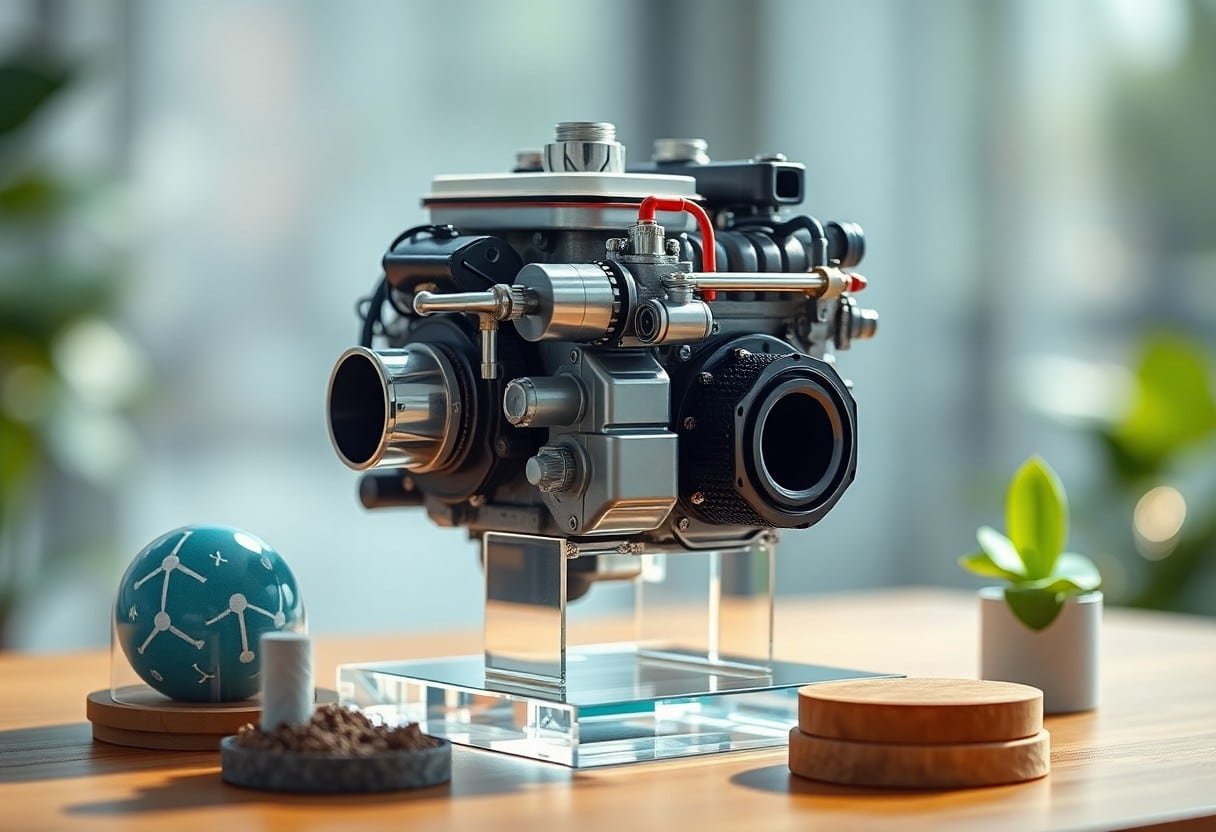
Alternative fuels and biogas are gaining traction in the automotive sector, offering sustainable solutions to reduce emissions and dependence on fossil fuels. These sources can significantly lower the carbon footprint of internal combustion engines, making them a pivotal part of the sustainability transition. With advancements in production technologies, the shift towards a greener energy ecosystem becomes attainable, benefiting both manufacturers and consumers alike.
Exploring Renewable Energy Sources
Renewable energy sources such as biofuels, ethanol, and biogas are transforming how you think about fueling vehicles. By utilizing waste materials and agricultural products, these alternatives not only assist in reducing greenhouse gas emissions but also help in promoting energy independence. Countries like Brazil, where ethanol from sugarcane is widely used, set examples for integrating these renewable options into everyday transportation.
The Future of Hydrogen Fuel
Hydrogen fuel is emerging as a promising player in the automotive industry, with its potential to power vehicles without emitting harmful pollutants. As hydrogen production technologies advance, the feasibility of scaling production from renewable sources increases, offering an effective solution to the environmental challenges you face today.
Hydrogen fuel cells operate by converting hydrogen and oxygen into electricity, with only water as a byproduct. This zero-emission energy source is ideal for heavy-duty applications, exemplified by companies like Nikola and Toyota, which are investing heavily in hydrogen infrastructure. As governments support research, encourage production, and develop refueling stations, you can expect hydrogen vehicles to play a significant role in the automotive market by the 2030s, potentially revolutionizing your driving experience.
Emissions Regulations and Compliance
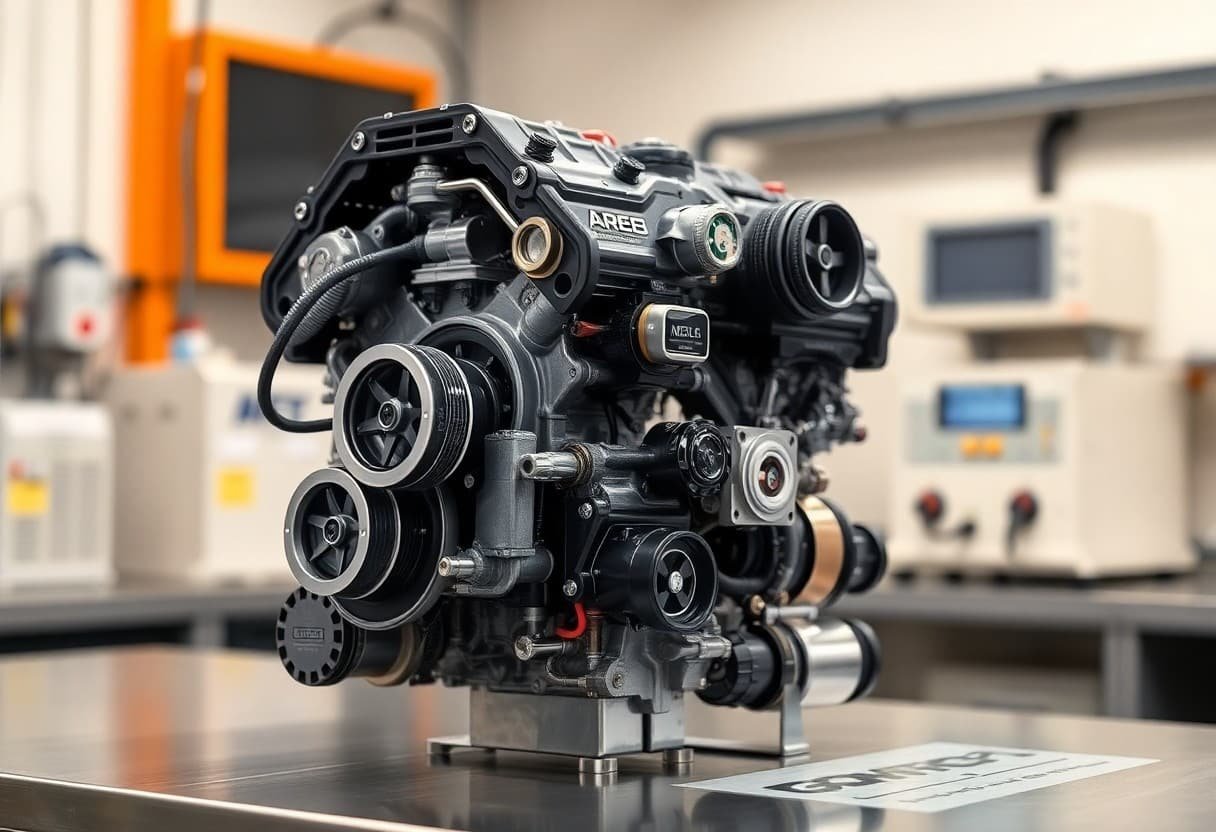
Stringent emissions regulations are reshaping how you approach internal combustion engine (ICE) technology. Compliance with government mandates can significantly impact your vehicle’s design, efficiency, and marketability. To thrive in this evolving landscape, automakers must prioritize sustainable practices and innovate continuously, ensuring they meet or exceed legal frameworks aimed at reducing greenhouse gas emissions by over 50% by 2030 in many regions.
Global Standards Shaping the Industry
Global emissions standards, such as the Euro 7 in Europe and California’s Low Emission Vehicle (LEV) program, are setting the bar for cleaner ICEs. These standards often dictate mandatory reductions in nitrogen oxides, particulate matter, and CO2 emissions. Adapting to such diverse regulations is important for your business to remain competitive and comply with international markets.
Technological Responses to Regulations
In response to emissions regulations, you’ll witness rapid advancements in engine technologies, including optimizations like direct fuel injection and turbocharging. You can also expect increased use of hybrid systems that combine ICEs with electric powertrains to enhance overall efficiency and reduce emissions. Various automakers are now integrating software-based solutions to fine-tune engine performance dynamically, ensuring compliance without sacrificing vehicle power and performance.
These technological innovations are not just responses but proactive strategies to meet emissions targets without compromising vehicle performance. For instance, the implementation of variable valve timing allows engines to adapt their intake and exhaust strokes, maximizing efficiency during various driving conditions. Additionally, advanced exhaust after-treatment systems, such as selective catalytic reduction (SCR), are being used extensively to reduce harmful NOx emissions effectively. With your focus on these advancements, you can navigate the complexities of global compliance while positioning your vehicles as leaders in sustainability.
Electrification of Internal Combustion Engines
The shift towards electrification within internal combustion engines is accelerating, driven by innovations that enhance efficiency and reduce emissions. Technologies such as electric turbochargers and variable valve timing systems are increasingly being integrated into traditional engines. This hybridization not only contributes significantly to lowering fuel consumption but also supports compliance with stringent emissions regulations, paving the way for more sustainable automotive solutions in the 2030s.
Mild Hybrid and Plug-in Hybrid Solutions
Mild hybrid and plug-in hybrid systems are at the forefront of electrification strategies, enabling vehicles to benefit from electric assistance without fully abandoning the internal combustion engine. Mild hybrids utilize a small electric motor to improve fuel efficiency during acceleration, while plug-in hybrids allow for extended electric-only driving ranges, combining the best of both worlds. As battery technology advances, these solutions provide an interim step toward more comprehensive electrification in automotive fleets.
The Impact on Traditional Engine Design
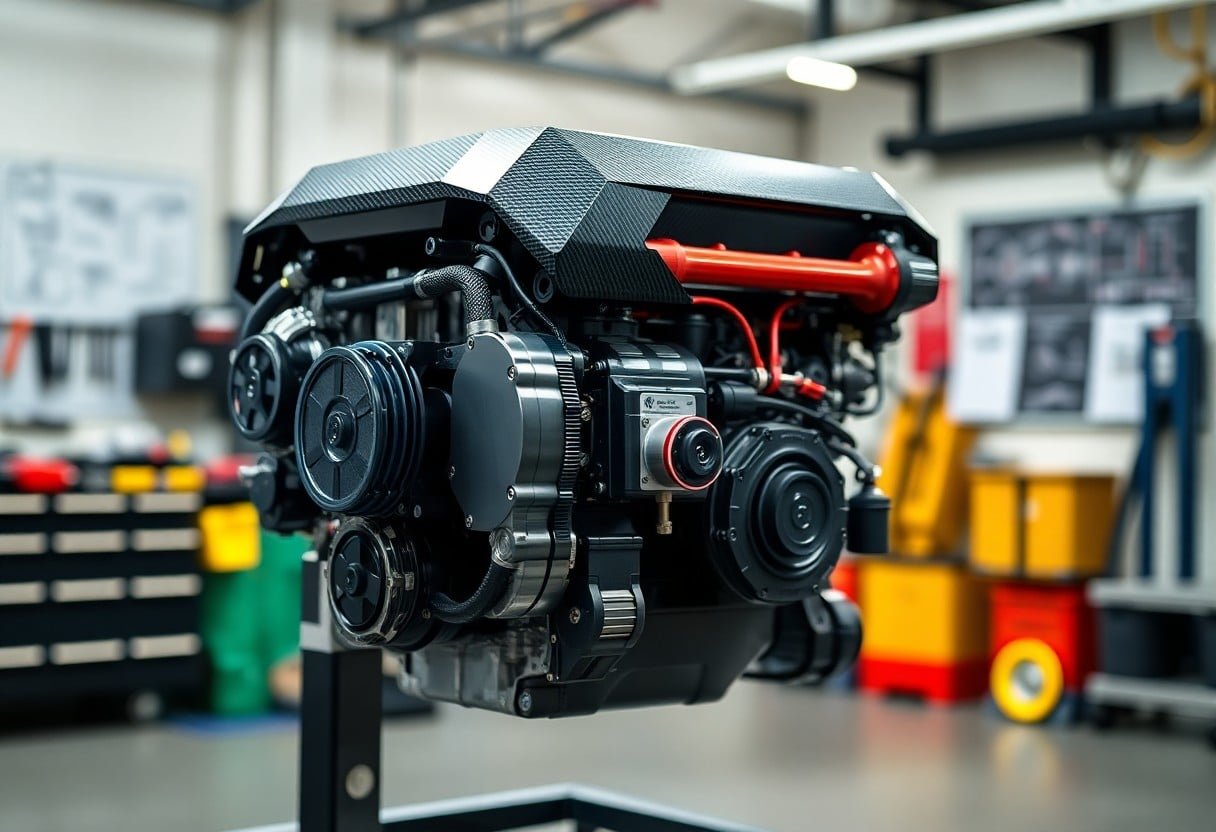
This electrification trend is profoundly influencing traditional engine design, urging engineers to rethink fundamental principles to achieve better integration with electric components. Engine layouts are evolving to accommodate electric motors and larger battery packs, altering dimensions and weight distributions. The incorporation of electrical systems is also prompting changes in thermal management strategies and airflow dynamics to optimize performance and emissions.
The impact on traditional engine design extends to the materials used, as lighter composites and alloys are prioritized to offset the additional weight of hybrid components. Additionally, engine configurations like downsizing and turbocharging are increasingly popular, enabling smaller, more efficient engines that align well with hybridization. This evolution is not merely cosmetic; it represents a paradigm shift towards a future where internal combustion engines complement electric systems, pushing boundaries of performance, efficiency, and sustainability.
Consumer Demand and Market Trends
Your understanding of consumer demand is key as preferences shift towards more sustainable options in automotive technology. Growing awareness of environmental issues has stimulated a market for vehicles that reflect eco-friendly values, encouraging manufacturers to prioritize fuel efficiency, lower emissions, and the use of alternative fuels. This evolution is evident in consumer decisions, as buyers increasingly seek vehicles that align with their environmental consciousness.
Shifting Preferences Towards Sustainability
Sustainability is becoming a defining factor in automotive purchasing decisions. Consumers are more inclined to choose vehicles with lower carbon footprints, pushing brands to innovate and offer more eco-friendly models. Awareness campaigns and regulatory policies have heightened concerns about climate change, fostering a market environment that values renewable technologies and sustainable practices.
The Increasing Role of Technology
Recent technological advancements are transforming how you interact with automotive sustainability. Smart technologies, such as efficient powertrains and adaptive systems, are enhancing vehicle performance while minimizing environmental impact. This integration not only meets consumer expectations for sustainability but also proves imperative for achieving regulatory compliance and competitive advantage.
Exploring the increasing role of technology reveals significant developments like connected vehicle systems that optimize fuel consumption and autonomous driving features that promote safer, more efficient travel. Innovations such as predictive maintenance leverage data analytics for improved fuel efficiency, while advanced combustion techniques reduce harmful emissions without compromising performance. As manufacturers invest in these technologies, they address consumer demands for sustainability and performance, shaping an industry ripe for further advancements in the 2030s.
Conclusion
Considering all points, you can see that the evolving trends in internal combustion engine technology are pivotal for advancing automotive sustainability in the 2030s. By embracing innovations like improved fuel efficiency, hybridization, and cleaner emissions systems, your vehicle can align better with environmental goals. Adapting to these trends will not only enhance your driving experience but also contribute positively to the planet’s health, making your choices in the automotive market more impactful than ever.