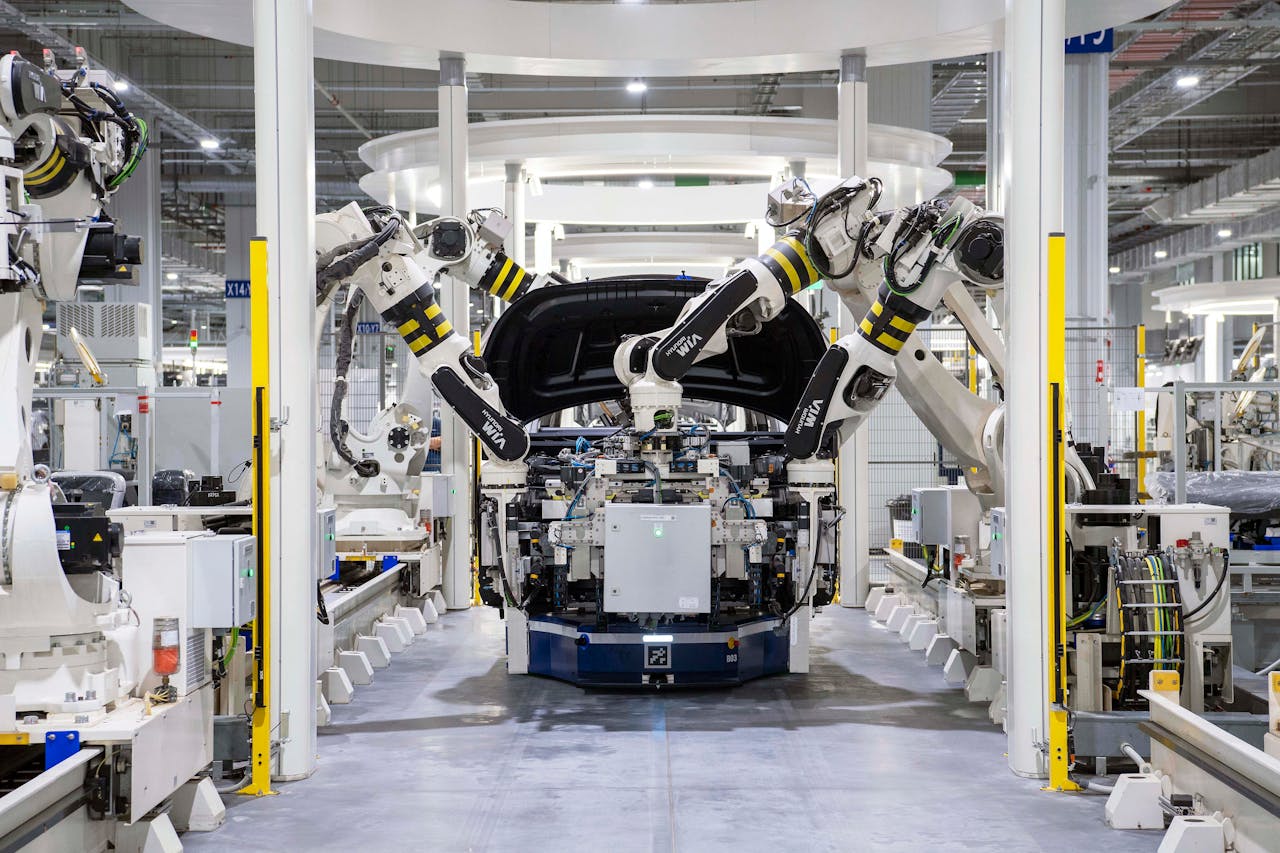

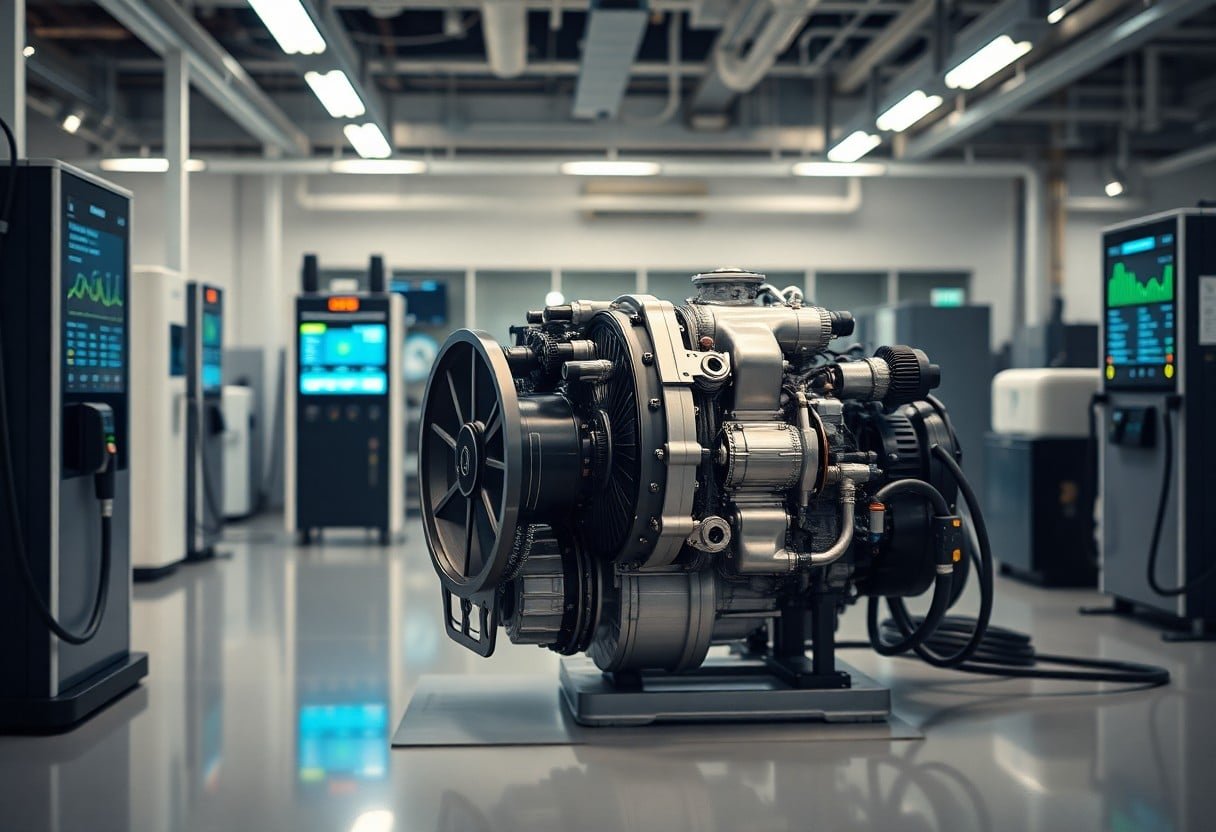
Most advancements in automotive technology are steering you towards a future where combustion engines coexist with low-carbon solutions. As you navigate this evolving landscape, understanding the key strategies shaping these developments will empower you to make informed decisions. From innovative fuel alternatives to smarter manufacturing practices, these ten strategic steps are important in driving progress and enhancing your mobility options while minimizing environmental impact. Explore how you can stay ahead in this transformative journey towards sustainable transportation.
Key Takeaways:
- Integration of advanced technologies and smart manufacturing processes is imperative for enhancing the efficiency of combustion engines.
- Transitioning to low-carbon mobility requires a multi-faceted approach, including investment in infrastructure and alternative fuels.
- Collaboration among stakeholders, including automotive manufacturers, policymakers, and researchers, is vital to accelerate innovation and adoption of sustainable practices.
Increase Engine Efficiency
Maximizing engine efficiency is necessary for reducing emissions and enhancing performance in combustion engines. By implementing innovative technologies and optimizing engine design, you can achieve higher fuel economy while maintaining power output. This approach not only prolongs engine life but also significantly lowers the overall carbon footprint.
Advanced Fuel Injection
Utilizing advanced fuel injection systems allows you to achieve better fuel atomization, leading to more efficient combustion processes. This technology enhances engine performance and reduces emissions by precisely controlling fuel delivery.
|
Variable Valve Timing
Implementing variable valve timing can greatly improve engine efficiency and torque. This technology allows you to adapt valve timing for different operating conditions, enhancing performance while minimizing fuel consumption.
Variable valve timing optimizes the timing of the opening and closing of engine valves based on speed and load conditions. By doing so, you benefit from increased power at high RPMs while improving fuel efficiency and emissions during low-speed driving. This adaptability ensures that your engine operates more effectively across a range of conditions, providing a balance between performance and sustainability. Incorporating this technology into new engine designs can significantly contribute to your low-carbon mobility goals.
Develop Alternative Fuels
To steer the future of mobility towards sustainability, it’s necessary to explore and implement alternative fuels. These fuels can significantly reduce carbon emissions and pave the way for cleaner transportation. As you consider options, check out Green Mobility: The Future of Electric Cars and Low Carbon … for insights into how these innovations are shaping the automotive landscape.
Biofuels Integration
Integrating biofuels into your vehicle’s ecosystem presents a viable pathway for reducing greenhouse gas emissions. By leveraging agricultural waste and biomass, you can contribute to a circular economy that minimizes reliance on fossil fuels. Biofuels not only offer compatibility with existing engines but also provide an immediate solution for lowering emissions.
Hydrogen Adoption
Hydrogen adoption represents a transformative shift in the way you think about fueling your transportation. As a fuel source, hydrogen generates zero tailpipe emissions, as it only produces water vapor when consumed in fuel cells. This clean energy solution can work alongside battery electric vehicles to enhance low-carbon mobility options.
Embracing hydrogen technology in your vehicles can help create a robust network of refueling stations, making it more accessible for everyday use. The benefits extend beyond environmental aspects; hydrogen has a high energy density, enabling longer range and quicker refueling compared to electric charging. Investing in hydrogen infrastructure and fuel cell technology can significantly contribute to achieving your low-carbon mobility goals.
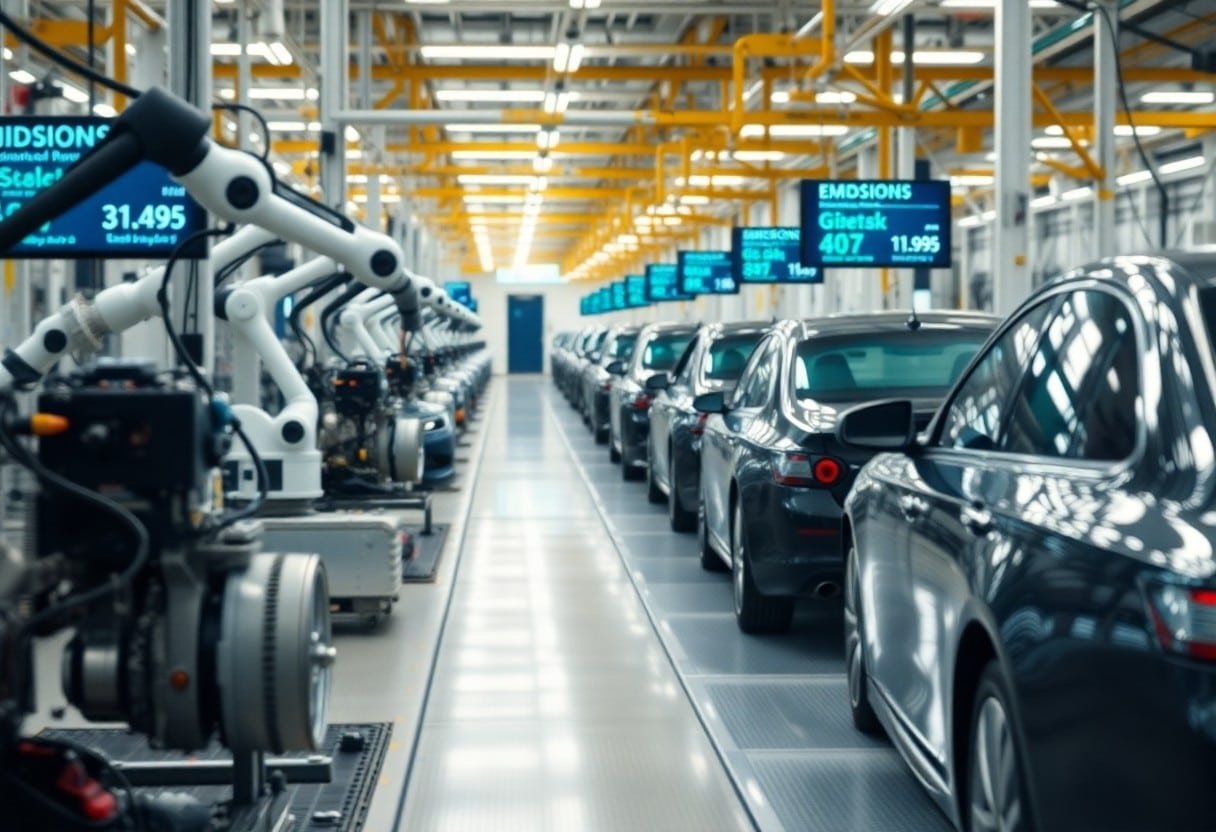
Enhance Hybrid Technology
To lead in low-carbon mobility, you must prioritize enhancing hybrid technology. This involves optimizing the balance between electric and combustion power, offering improved fuel efficiency and lower emissions. By focusing on seamless integration, you can maximize energy recovery and broaden market appeal, ensuring that hybrid vehicles become a standard choice for environmentally conscious consumers.
Battery Advancements
Advancements in battery technology are pivotal to your hybrid system’s effectiveness. You should invest in higher energy density batteries that offer longer ranges and faster charging times. Innovations like solid-state batteries can significantly increase performance while reducing environmental impact, allowing your vehicles to be more competitive in the evolving market.
Regenerative Braking Systems
Implementing regenerative braking systems can enhance the efficiency of your hybrid vehicle. These systems recover energy typically lost during braking and redirect it to recharge your battery. This not only extends the vehicle’s range but also improves overall fuel efficiency, contributing to lower emissions and operating costs.
By incorporating regenerative braking systems, you harness kinetic energy during deceleration, turning potential waste into usable power. This innovative approach not only boosts the efficiency of your hybrid technology but also diminishes reliance on traditional fuels. As you enhance this feature, you create a more sustainable driving experience for eco-conscious consumers, solidifying your position in the low-carbon mobility market.

Adopt Electrification Strategies
Incorporating electrification strategies into your mobility framework can significantly enhance sustainability. You should consider various avenues, including plug-in hybrids and fully electric systems. These alternatives not only reduce carbon footprints but also align your operations with evolving regulatory standards and consumer preferences for cleaner energy solutions.
Plug-in Hybrids
Plug-in hybrids offer you a flexible transition towards electrification. Combining internal combustion engines with electric propulsion, these vehicles allow you to switch between power sources, optimizing fuel efficiency and reducing emissions. By integrating plug-in hybrids into your fleet, you can effectively cater to diverse driving needs while easing into a more sustainable future.
Fully Electric Systems
Fully electric systems represent the pinnacle of low-carbon mobility. They eliminate tailpipe emissions, thereby playing a significant role in improving air quality and reducing greenhouse gases. Adopting fully electric vehicles (EVs) in your strategy not only showcases your commitment to sustainability but also positions you favorably in a market increasingly driven by consumer demand for environmentally friendly options.
Transitioning to fully electric systems involves significant infrastructure planning and investment, but the long-term benefits are substantial. You should explore options such as partnerships with charging networks to enhance accessibility for your customers. The continued advancements in battery technology also promise to extend range and reduce charge times, making EVs an increasingly practical choice for your mobility solutions. By embracing fully electric options, you’re not just adopting a vehicle; you’re investing in a sustainable future for your organization and society.
Optimize Thermal Management
Successful thermal management in combustion engines enhances efficiency and performance while reducing emissions. By effectively controlling the temperature within the engine, you can minimize energy losses and improve the overall functionality of your vehicle. This optimization is important for both traditional and low-carbon mobility solutions, allowing you to embrace innovative technologies and practices that propel your engine toward a more sustainable future.
Heat Recovery Systems
Implementing heat recovery systems enables you to capture waste heat from your engine and repurpose it for usable energy. This practice significantly enhances overall energy efficiency, allowing your engine to perform better while decreasing fuel consumption and emissions. By integrating robust heat recovery solutions, you can contribute to a more sustainable mobility framework.
Improved Insulation
Improved insulation in combustion engines minimizes heat loss, maximizing thermal efficiency. By effectively isolating heat-producing components, you not only enhance the engine’s performance but also protect surrounding areas from excessive temperatures. Investing in high-quality insulating materials can lead to better fuel economy and lower emissions, making your vehicle more environmentally friendly.
Utilizing advanced insulating technologies helps in maintaining optimal engine temperatures, allowing you to achieve better combustion efficiency. With decreased heat loss, your engine operates at its intended performance levels, translating into improved power output and reduced fuel requirements. This innovation not only promotes sustainability but also extends the lifespan of engine components, offering long-term benefits for both you and the environment.
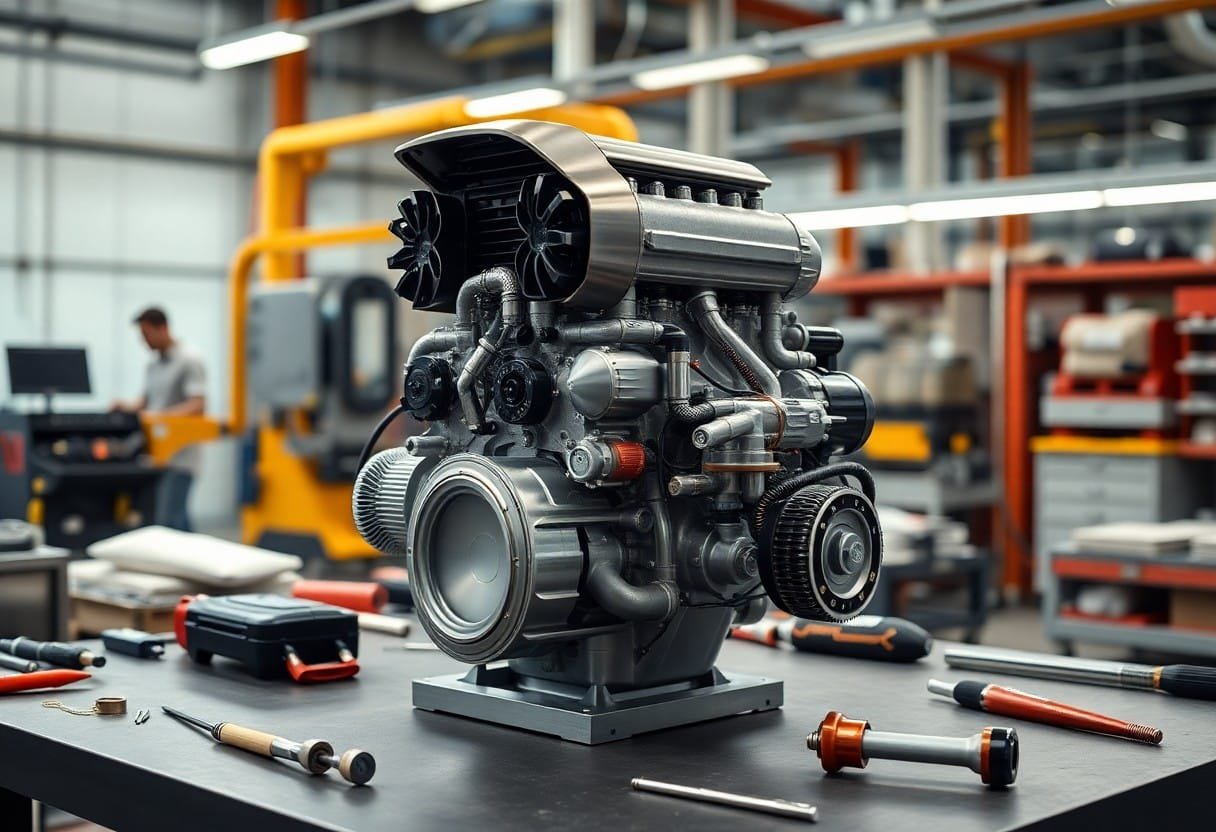
Invest in Lightweight Materials
Prioritizing lightweight materials in your vehicle design is imperative for enhancing performance and fuel efficiency in combustion engines. These materials reduce overall weight, leading to lower emissions and improved handling. As you explore options, consider integrating strategies from Top 10 Strategies to lead in the EV Industry to stay competitive in the evolving landscape of low-carbon mobility.
Composite Materials
Utilizing composite materials can significantly enhance your vehicle’s performance while maintaining lightweight characteristics. These materials combine different substances to yield enhanced strength and reduced weight, allowing for innovative designs that meet today’s efficiency standards.
High-strength Alloys
Incorporating high-strength alloys into your manufacturing process allows you to maintain structural integrity while minimizing weight. These alloys typically feature enhanced durability and performance, making them ideal for components that endure considerable stress during operation.
High-strength alloys provide a competitive edge by enabling your combustion engines to withstand high temperatures and pressures without adding excessive weight. This optimization can lead to improved fuel efficiency and lower emissions. Investing in these materials supports your sustainability goals and positions your vehicles favorably in a market increasingly focused on low-carbon solutions.
Promote Vehicle Connectivity
Enhancing vehicle connectivity is crucial to shaping the future of low-carbon mobility. By integrating advanced communication technologies, you can ensure your vehicle seamlessly interacts with other road users and infrastructure. This interconnected ecosystem not only improves safety but also optimizes traffic flow, reduces emissions, and increases overall efficiency. Embracing connectivity will position you at the forefront of the evolving automotive landscape, allowing for smarter travel solutions.
Smart Mobility Solutions
Smart mobility solutions leverage connectivity to transform how you navigate urban environments. By utilizing real-time data and communication platforms, you can access dynamic routing, shared mobility options, and integrated public transport information, all designed to enhance your travel experience while reducing your carbon footprint.
Real-time Data Analytics
Real-time data analytics harness the power of connectivity to monitor your vehicle’s performance and driving habits. By analyzing trends and patterns, you can make informed decisions that optimize fuel efficiency, lowering emissions. This approach empowers you to adapt your behavior and vehicle use, contributing to a sustainable transportation ecosystem.
Utilizing real-time data analytics allows you to receive timely insights into your vehicle’s performance and driving conditions. This includes monitoring fuel consumption, tracking emissions, and even predicting maintenance needs. By realigning your driving habits based on this data, you can enhance efficiency, reduce operational costs, and extend your vehicle’s lifespan. Implementing these analytics into your daily driving routine supports your commitment to low-carbon mobility while promoting a more responsive and intelligent driving experience.
Implement Stringent Regulations
Establishing stringent regulations is important to drive innovation and ensure the sustainable development of combustion engines. By setting high standards, you create a competitive landscape that pushes manufacturers to invest in cleaner technologies and low-carbon solutions. These regulations serve as a framework to guide your industry towards environmentally friendly practices and improve overall air quality.
Emission Standards
Your adherence to robust emission standards significantly influences the automotive landscape. These standards set limits on pollutants released during vehicle operation, compelling manufacturers to innovate cleaner technologies. By focusing on reducing harmful emissions, you contribute to enhanced public health and environmental protection.
Compliance Incentives
Compliance incentives motivate you to adopt greener technologies and practices. Through financial benefits and tax breaks, you can offset the costs of upgrading to low-emission vehicles and systems, ensuring a smoother transition to compliance with environmental regulations.
These compliance incentives create a favorable environment for you to invest in low-carbon technologies. By providing financial assistance, grants, or tax reductions, regulatory bodies effectively lower the barriers for manufacturers and fleet operators. This encouragement not only aids in meeting compliance deadlines but also fosters innovation, pushing you towards sustainable practices that can enhance your market competitiveness while addressing environmental challenges.
Foster Public Transportation Growth
Supporting the expansion of public transportation systems plays a significant role in reducing reliance on personal vehicles. You can advocate for better funding and infrastructure that enhances accessibility and efficiency. An effective approach is collaborating with the Internal Combustion Engine Technical Sector Team to ensure that innovative technologies are integrated into these systems. Investing in robust public transportation will ultimately contribute to a more sustainable transportation ecosystem.
Efficient Transit Systems
Creating efficient transit systems means streamlined operations and improved on-time performance. You benefit from faster commutes and reduced energy consumption. By prioritizing integrated transit solutions and adopting smart technologies, cities can optimize routes and schedules, making public transport a more attractive option for your daily travels.
Reduced Urban Congestion
Reducing urban congestion significantly enhances your commuting experience. You will encounter less traffic, resulting in shorter travel times and lower emissions. By promoting public transport, cities can decrease the number of vehicles on the road, thereby alleviating bottlenecks and improving air quality. This shift not only aids your daily life but also supports the broader goals of sustainable development.
As urban areas continue to grow, the need for effective congestion alleviation becomes increasingly critical. You can actively participate in community discussions and support policies that encourage public transport use over personal vehicle reliance. Emphasizing shared mobility solutions, like bus rapid transit and rail systems, directly impacts your quality of life, making your environment more navigable and less polluted. With fewer cars on the road, you will experience a cleaner, quieter city that promotes healthier living standards for all residents.
Final Words
As you reflect on the 10 strategic steps driving the future of combustion engines and low-carbon mobility, consider how these initiatives can transform your approach to sustainable transportation. Your commitment to adopting innovative technologies, exploring alternative fuels, and prioritizing efficiency will not only position you at the forefront of this transition but also contribute to a significant reduction in emissions. By embracing these strategies, you are actively participating in shaping a more sustainable future in the automotive landscape.